Search Engine Optimization (SEO) is a critical aspect of digital marketing. It’s the key to getting your website noticed by search engines like Google and, in turn, by potential customers.
However, many website owners make simple SEO mistakes that can significantly impact their online visibility.
In this blog post, we’ll explore 10 silly SEO mistakes that you might be making without even realizing it, and more importantly, how to fix them.
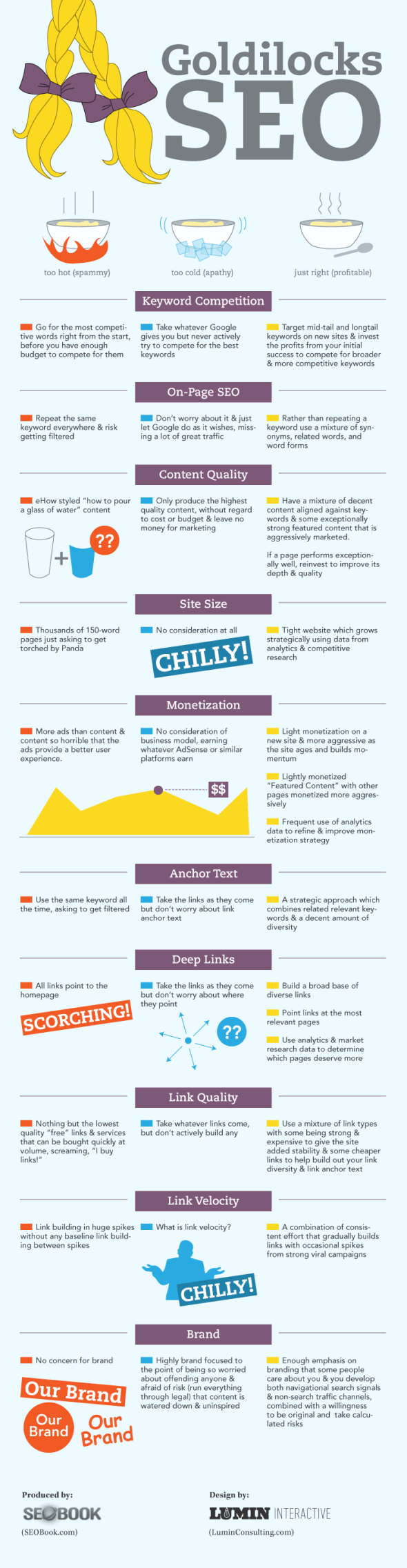
Infographic by SEO Book.
- Ignoring Mobile Optimization
In the era of smartphones and tablets, optimizing your website for mobile devices is non-negotiable. Google now uses mobile-first indexing, meaning it primarily considers the mobile version of your site for ranking. If your website isn’t mobile-friendly, you’re missing out on a significant portion of your potential audience.
How to Fix It:
- Use responsive design to ensure your website adapts to various screen sizes.
- Test your website’s mobile-friendliness using Google’s Mobile-Friendly Test tool.
- Optimize images and content for faster loading on mobile devices.
- Neglecting Page Speed
Slow-loading websites are a major turn-off for users, and they can negatively impact your search engine rankings. Google rewards fast-loading sites with higher rankings, so if your site is sluggish, you’re losing both visitors and SEO points.
How to Fix It:
- Use tools like Google PageSpeed Insights to identify and address speed issues.
- Compress images and minify CSS and JavaScript files.
- Consider using a Content Delivery Network (CDN) to distribute your content globally and reduce loading times.
- Keyword Stuffing
While keywords are crucial for SEO, stuffing your content with them is a big no-no. Keyword stuffing makes your content sound unnatural and can lead to penalties from search engines.
How to Fix It:
- Focus on creating high-quality, informative content that naturally incorporates keywords.
- Use long-tail keywords and synonyms to diversify your content.
- Keep keyword density reasonable, around 1-2% of the total word count.
- Neglecting High-Quality Content
Content is king in the world of SEO. If your website lacks valuable, engaging content, it won’t rank well in search results.
How to Fix It:
- Research your target audience’s needs and create content that addresses their questions and concerns.
- Aim for longer, comprehensive articles that provide in-depth information.
- Regularly update and refresh your content to keep it relevant.
- Not Optimizing Meta Tags
Meta tags, including titles and descriptions, play a crucial role in search engine rankings. Failing to optimize them can hinder your site’s visibility.
How to Fix It:
- Craft compelling and relevant meta titles and descriptions for each page.
- Include target keywords naturally in meta tags.
- Use unique meta tags for each page to avoid duplicate content issues.
- Overlooking Image Optimization
Images can enhance your website’s appeal, but they can also slow it down if not optimized properly. Plus, they provide an opportunity to boost your SEO efforts.
How to Fix It:
- Use descriptive file names and alt text for images, including relevant keywords.
- Compress images without compromising quality.
- Specify image dimensions to prevent unnecessary resizing.
- Neglecting Internal Linking
Internal links help search engines navigate your website and understand its structure. Failing to use them effectively can result in poor SEO.
How to Fix It:
- Include relevant internal links within your content.
- Use descriptive anchor text that gives context to the linked page.
- Ensure a logical hierarchy of links, with important pages receiving more internal links.
- Skipping Mobile SEO
Mobile SEO goes beyond mobile-friendly design. It involves optimizing for voice search and local search, which are increasingly popular among mobile users.
How to Fix It:
- Optimize for voice search by creating conversational content and answering common questions.
- Claim and optimize your Google My Business listing for local SEO.
- Encourage customer reviews and ratings to boost local search visibility.
- Neglecting Social Signals
Social media signals, such as likes, shares, and comments, can indirectly impact your SEO rankings. Ignoring social media can be a missed opportunity.
How to Fix It:
- Share your content on social media platforms to increase visibility.
- Engage with your audience and encourage them to interact with your posts.
- Monitor social media analytics to understand what content resonates with your audience.
- Not Monitoring and Analyzing
One of the most significant SEO mistakes is failing to monitor and analyze your efforts. Without data-driven insights, you won’t know what’s working and what needs improvement.
How to Fix It:
- Use tools like Google Analytics and Google Search Console to track your website’s performance.
- Monitor keyword rankings and organic traffic regularly.
- Analyze the data to identify trends and make informed SEO decisions.
Conclusion
Avoiding these 10 silly SEO mistakes can significantly improve your website’s search engine rankings and online visibility. Remember that SEO is an ongoing process, and staying up-to-date with the latest trends and algorithm changes is crucial for long-term success. By fixing these common errors and continually optimizing your website, you’ll be well on your way to achieving better SEO results and attracting more organic traffic.

Author:
Mark Ford

Local SEO vs Traditional Marketing: Which Delivers Better Return on Investment?
Are you trying to figure out whether Local SEO or traditional marketing gives you the strongest return on your investment? Want to understand which approach delivers more real-world results for local businesses in today’s digital-first world? […]