

In today’s digital age, having a strong online presence is crucial for businesses of all sizes. Whether you’re a small startup or a multinational corporation, one of the key elements of your online strategy is crafting compelling copy that not only resonates with your target audience but also ranks well on search engines like Google.
This is where the art and science of copywriting meet the demands of search engine optimization (SEO). Creating SEO-friendly copy that appeals to both your customers and Google’s algorithms can be a challenging task, but it’s essential for driving organic traffic and converting visitors into customers.
In this comprehensive 13-step guide, we’ll walk you through the process of crafting SEO text that strikes the perfect balance between human readability and search engine visibility.
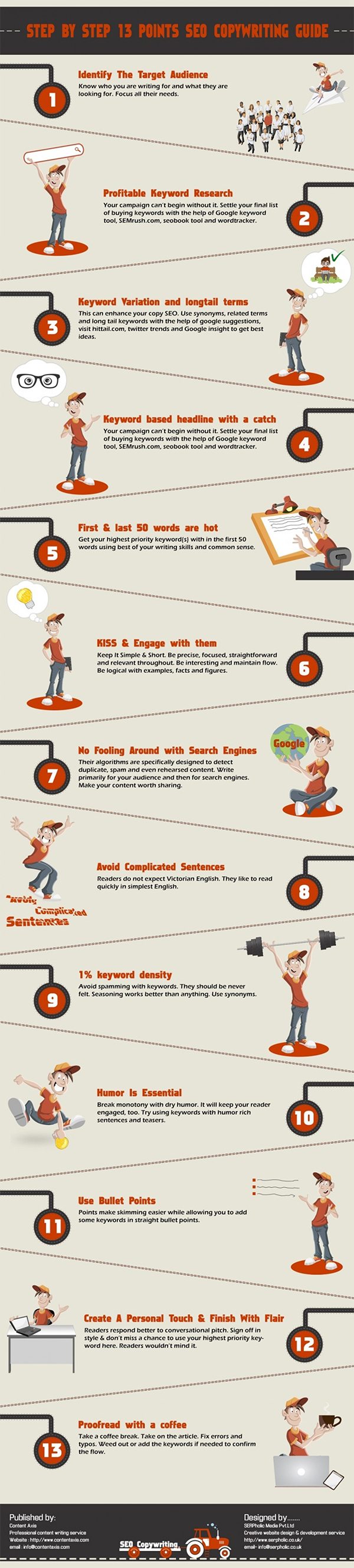
Infographic from SERPholic Media.
Step 1: Understand Your Audience
Before you start writing, it’s essential to have a deep understanding of your target audience. Who are they? What are their pain points, needs, and desires? Conduct thorough market research and create detailed customer personas. This information will serve as the foundation for your copy.
Step 2: Keyword Research
Keyword research is the backbone of SEO copywriting. Identify relevant keywords and phrases that your target audience is likely to search for. Tools like Google Keyword Planner, SEMrush, and Ahrefs can help you discover valuable keywords with a balance of search volume and competition.
Step 3: Create an Outline
Now that you have a clear understanding of your audience and relevant keywords, create an outline for your content. Organize your thoughts, headings, and subheadings. This structure will help you maintain focus throughout the writing process.
Step 4: Craft a Captivating Headline
Your headline is the first thing readers see, and it should be attention-grabbing. Include your primary keyword naturally within the headline while making it enticing and relevant to the content. CoSchedule’s Headline Analyzer is a helpful tool to evaluate the effectiveness of your headline.
Step 5: Write High-Quality Content
When writing your copy, focus on providing value to your readers. Answer their questions, address their concerns, and offer solutions. Aim for a conversational tone that is easy to understand. Break up content into digestible sections with descriptive subheadings.
Step 6: Optimize for Keywords
Integrate your chosen keywords naturally throughout your content. Ensure they fit contextually and don’t disrupt the flow of your writing. Use the primary keyword in the introduction, body, and conclusion, and sprinkle relevant secondary keywords throughout.
Step 7: Prioritize Readability
While optimizing for SEO is essential, never sacrifice readability for keyword stuffing. Google’s algorithms prioritize content that is user-friendly. Aim for a Flesch-Kincaid readability score of around 60-70 for most audiences.
Step 8: Use Engaging Multimedia
Incorporate relevant images, videos, infographics, and other multimedia elements into your content. This not only makes your content more engaging but can also improve your SEO, as Google values multimedia-rich pages.
Step 9: Internal Linking
Include internal links to other relevant pages within your website. This helps to spread link equity across your site and guides users to additional valuable content.
Step 10: External Linking
When appropriate, include external links to high-authority sources. This can boost your content’s credibility and provide additional context to your readers.
Step 11: Optimize Meta Tags
Craft compelling meta titles and descriptions for your content. Include your primary keyword in these tags to improve click-through rates from search engine results pages (SERPs).
Step 12: Mobile Optimization
Ensure that your content is mobile-friendly. With a significant portion of internet traffic coming from mobile devices, a responsive design is crucial for both user experience and SEO rankings.
Step 13: Proofread and Edit
Before publishing, thoroughly proofread and edit your copy. Check for spelling and grammar errors, formatting issues, and overall cohesiveness. Fresh eyes can catch mistakes you might have missed.
Conclusion
In the digital landscape, mastering the art of SEO copywriting is essential for businesses looking to thrive online. By following this 13-step guide, you’ll be well-equipped to create SEO text that not only ranks well on Google but also resonates with your target audience. Remember that SEO is an ongoing process, and regularly updating and improving your content is key to long-term success.
Balancing the needs of both your customers and search engines may seem daunting at first, but with practice and dedication, you can create content that satisfies both. As you refine your copywriting skills, monitor your SEO performance, gather user feedback, and adapt your strategies accordingly. With time and effort, you’ll see your website climb the search engine rankings and attract a loyal and engaged audience that converts into customers.

Author:
Mark Ford

The Most Common Local SEO Mistakes That Stop You Getting Found Online
Are you struggling to understand why your business isn’t showing up in local search results when customers are actively looking for your services? Want to uncover the common local SEO mistakes that could be quietly costing you enquiries and visibility? […]


