In the world of business, trust is an invaluable currency.
Customers who trust your brand are more likely to make purchases, become loyal advocates, and spread positive word-of-mouth. Building trust with your audience is a long-term endeavor, and one of the key components of trust-building is your marketing strategy.
In this blog post, we’ll explore 16 ways to market your business that will help you earn the trust of your customers.
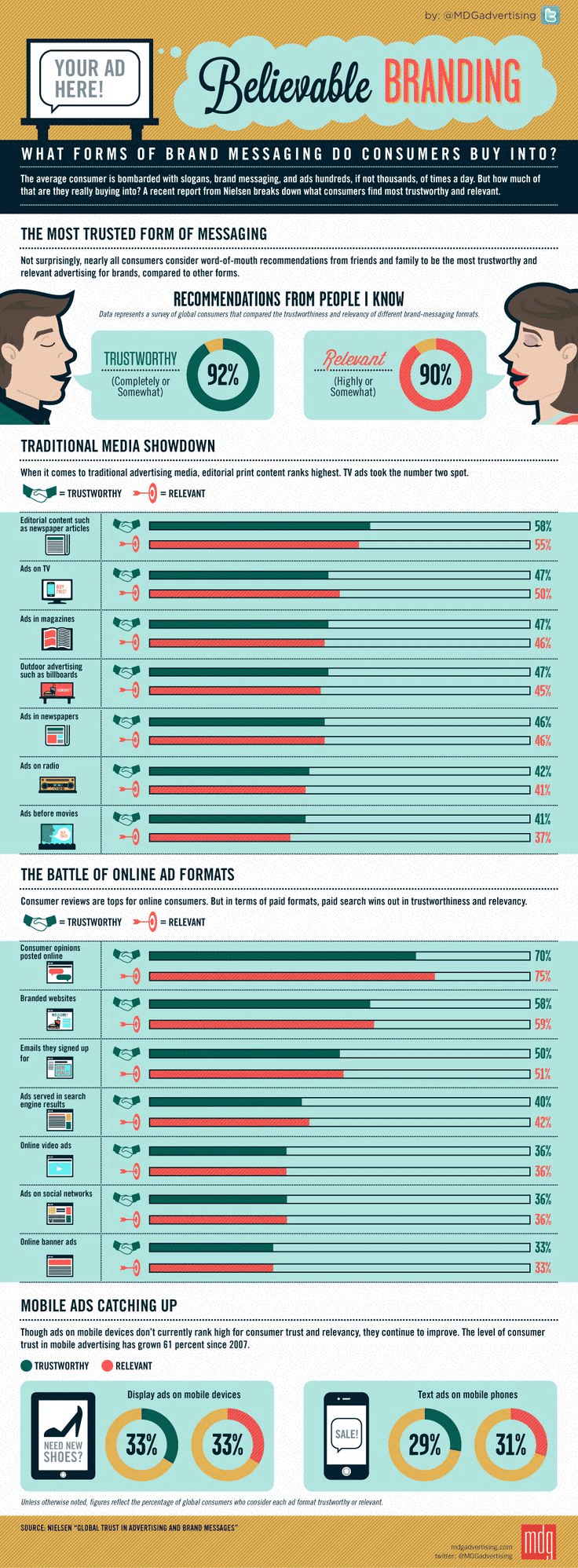
Infographic by MDG Advertising.
1. Authentic Storytelling
Authenticity is the cornerstone of trust. Share your brand’s story, mission, and values in a genuine and relatable way. People connect with businesses that have a compelling narrative, so use storytelling in your marketing to create an emotional bond with your audience.
2. Customer Testimonials
Nothing builds trust like real customer experiences. Encourage satisfied customers to leave reviews and testimonials on your website, social media, and review platforms. Showcase these testimonials prominently to demonstrate your credibility.
3. Transparency
Be transparent about your products, pricing, and business practices. Hidden fees or deceptive advertising can erode trust quickly. Clearly communicate what customers can expect, and be honest about any limitations or drawbacks.
4. High-Quality Content
Content marketing is a powerful way to establish authority and trust. Create informative, valuable, and well-researched content that addresses your audience’s needs and concerns. This can include blog posts, videos, podcasts, or infographics.
5. Educational Webinars and Workshops
Hosting webinars or workshops related to your industry can position your business as an expert. Sharing knowledge with your audience not only builds trust but also helps you connect with potential customers in a meaningful way.
6. Social Proof
Showcase your social media following, subscriber count, and any relevant industry awards or certifications. These elements serve as social proof, indicating that your business is reputable and valued by others.
7. Personalized Marketing
Tailor your marketing efforts to the specific needs and preferences of your customers. Personalization shows that you understand your audience and care about their individual experiences.
8. Consistent Branding
Consistency in branding, from your logo to your messaging, builds recognition and trust. Make sure your brand elements are cohesive across all marketing channels.
9. Responsive Customer Support
Providing excellent customer support is a crucial trust-building strategy. Respond to inquiries promptly, address concerns with empathy, and resolve issues professionally. Exceptional customer service can turn dissatisfied customers into loyal advocates.
10. Social Responsibility
Engage in corporate social responsibility (CSR) initiatives that align with your brand values. Show your commitment to making a positive impact on society, whether through sustainability efforts, charitable contributions, or community involvement.
11. Influencer Partnerships
Collaborating with trusted influencers in your niche can introduce your brand to a wider audience. Choose influencers whose values align with yours, and ensure that their endorsements are authentic.
12. Secure Online Transactions
If your business operates online, invest in robust cybersecurity measures to protect customer data. Display trust seals and certificates to assure customers that their information is safe.
13. User-Generated Content
Encourage customers to create and share content related to your products or services. User-generated content not only serves as social proof but also fosters a sense of community and trust among your customers.
14. Email Marketing
Use email marketing to nurture relationships with your audience. Send personalized, relevant content, and promotions to subscribers who have opted in. Avoid spammy tactics that can damage your brand’s credibility.
15. Thought Leadership
Position yourself or key members of your team as thought leaders in your industry. Share insights, research, and commentary on relevant topics through blogs, articles, or speaking engagements. This establishes your business as a trusted source of information.
16. Customer Feedback Integration
Actively solicit and act upon customer feedback. Show that you value their opinions by making improvements based on their suggestions. This demonstrates a commitment to continuous improvement and customer satisfaction.
Building trust in your business takes time and effort, but it’s essential for long-term success. By incorporating these 16 trust-building strategies into your marketing approach, you can strengthen your relationship with customers, foster brand loyalty, and establish a reputation as a trustworthy and reliable business. Remember that trust is fragile, so consistently uphold these principles to maintain the trust you’ve worked so hard to earn.

Author:
Mark Ford

10 New Year’s Marketing Resolutions to Grow a Small Business Sustainably
Are you struggling to make your marketing efforts deliver steady growth instead of short bursts of activity? Wondering how to build a marketing approach that supports your small business over the long term without constant trial and error? […]
10 Marketing Trends for 2026: What Smart Businesses Will Focus On Next
Are you looking to understand how marketing is shifting in 2026 and what today’s smartest brands are prioritising? Want to know which strategic trends will shape how businesses attract, convert, and retain customers over the next year? […]
How to Build a Marketing Technology Stack That Actually Works Together
Are you trying to figure out how to connect your marketing tools so they actually support each other instead of working in isolation? Want to understand the key steps to building a marketing technology stack that runs smoothly across your entire customer journey? […]