

In the ever-evolving landscape of the internet, search engine optimization (SEO) is a critical component of any successful online presence.
SEO is not just about optimizing your website for search engines; it’s also about establishing your website as an authoritative source in your niche or industry. This authority not only boosts your search engine rankings but also enhances your credibility and trustworthiness in the eyes of your audience.
In this blog post, we will explore three effective ways to increase the authority of your website and, in turn, improve your SEO.
Infographic from Vertical Measures.
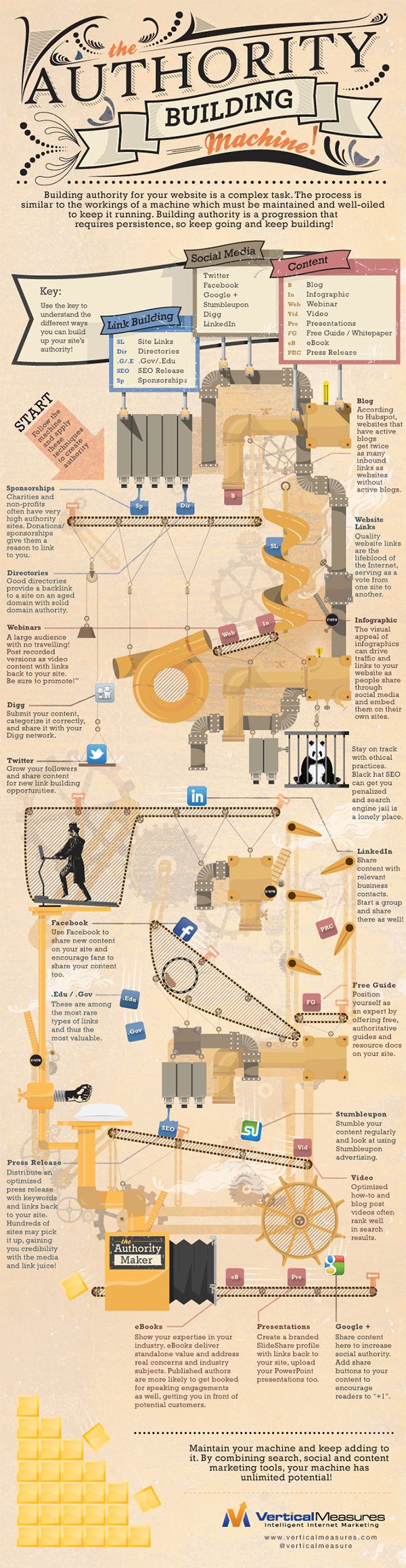
- Create High-Quality, Relevant Content
Content is king in the digital realm, and creating high-quality, relevant content is the foundation of building website authority. Search engines like Google prioritize content that provides value to users, and they reward websites that consistently produce such content.
Here are some key strategies to create content that enhances your website’s authority:
1.1. Identify Your Target Audience
Understanding your target audience is crucial. Conduct thorough research to determine the needs, preferences, and pain points of your audience. Create buyer personas to guide your content creation efforts. When you know who you’re writing for, you can tailor your content to their specific interests and concerns.
1.2. Conduct Keyword Research
Keyword research is a fundamental aspect of SEO. It involves identifying the keywords and phrases that your target audience uses when searching for information related to your niche. Tools like Google Keyword Planner and SEMrush can help you discover relevant keywords. Incorporate these keywords naturally into your content to increase its search engine visibility.
1.3. Produce In-Depth, Authoritative Content
To establish your website as an authoritative source, aim to create comprehensive and well-researched content. Long-form articles, guides, case studies, and whitepapers are excellent formats for demonstrating your expertise. When you provide valuable and trustworthy information, other websites and influencers in your industry are more likely to link to your content, further boosting your authority.
1.4. Maintain a Consistent Publishing Schedule
Consistency is key in content creation. Establish a publishing schedule that you can realistically maintain. Regularly updated content not only keeps your audience engaged but also signals to search engines that your website is active and reliable.
1.5. Use Multimedia Elements
Diversify your content by incorporating multimedia elements such as images, videos, infographics, and podcasts. These not only enhance the user experience but also make your content more shareable and link-worthy.
- Build High-Quality Backlinks
Backlinks, also known as inbound links, are links from other websites that point to your site. High-quality backlinks are a strong signal to search engines that your website is reputable and authoritative. Here’s how you can build them:
2.1. Create Link-Worthy Content
As mentioned earlier, producing high-quality, valuable content is the first step. When your content is top-notch, other website owners and bloggers in your niche are more likely to link to it as a reference or resource.
2.2. Outreach and Guest Posting
Identify authoritative websites in your industry and reach out to them for collaboration opportunities. Guest posting on these sites can help you build backlinks and establish your expertise. Ensure that the content you contribute is relevant, informative, and adds value to their audience.
2.3. Broken Link Building
Find broken links on authoritative websites within your niche. Reach out to the website owner or webmaster and suggest replacing the broken link with a link to your relevant content. This mutually beneficial strategy can earn you valuable backlinks.
2.4. Monitor Your Backlink Profile
Regularly audit your backlink profile using tools like Ahrefs, Moz, or SEMrush. Identify and disavow toxic or spammy backlinks that could harm your website’s reputation. A clean and high-quality backlink profile is essential for building authority.
2.5. Social Media and Influencer Outreach
Leverage social media platforms to connect with influencers and industry leaders. When you build relationships with these individuals, they may naturally link to your content or mention your website in their articles, further boosting your authority.
- Enhance User Experience and Technical SEO
In addition to content and backlinks, technical aspects and user experience play a significant role in website authority and SEO. Here are some essential strategies:
3.1. Optimize Website Speed
A fast-loading website not only provides a better user experience but also positively impacts your search engine rankings. Use tools like Google PageSpeed Insights to identify and fix speed-related issues.
3.2. Mobile-Friendly Design
With the majority of internet traffic coming from mobile devices, having a mobile-friendly website is crucial. Google also prioritizes mobile-friendly sites in its search results. Ensure that your website’s design and content are responsive and perform well on mobile devices.
3.3. Secure Your Website with HTTPS
Google considers website security a ranking factor. Switch to HTTPS by obtaining an SSL certificate for your website. This not only boosts your SEO but also builds trust with your visitors, as they see the padlock icon in their browser’s address bar.
3.4. Optimize On-Page SEO
Pay attention to on-page SEO elements such as title tags, meta descriptions, header tags, and image alt attributes. These elements help search engines understand the content and relevance of your pages.
3.5. User-Friendly Navigation
Ensure that your website’s navigation is intuitive and user-friendly. Visitors should easily find the information they’re looking for. A well-organized website structure also helps search engines crawl and index your content effectively.
Conclusion
Increasing the authority of your website is a continuous process that requires dedication and strategic effort. By creating high-quality, relevant content, building high-quality backlinks, and enhancing user experience and technical SEO, you can strengthen your website’s authority and improve its SEO rankings. Remember that SEO is a long-term investment, and results may not be immediate, but the benefits of a more authoritative website will be well worth the effort in the long run. Start implementing these strategies today, and watch your website rise in the ranks and become a trusted resource in your industry.

Author:
Mark Ford

The Most Common Local SEO Mistakes That Stop You Getting Found Online
Are you struggling to understand why your business isn’t showing up in local search results when customers are actively looking for your services? Want to uncover the common local SEO mistakes that could be quietly costing you enquiries and visibility? […]


