Marketing is the lifeblood of any business. It’s the art of reaching your target audience, engaging them, and convincing them to choose your product or service over the competition.
However, even the most well-thought-out marketing strategies can sometimes hit a roadblock and begin to falter. When your marketing strategy is failing to deliver the expected results, it can be frustrating and disheartening.
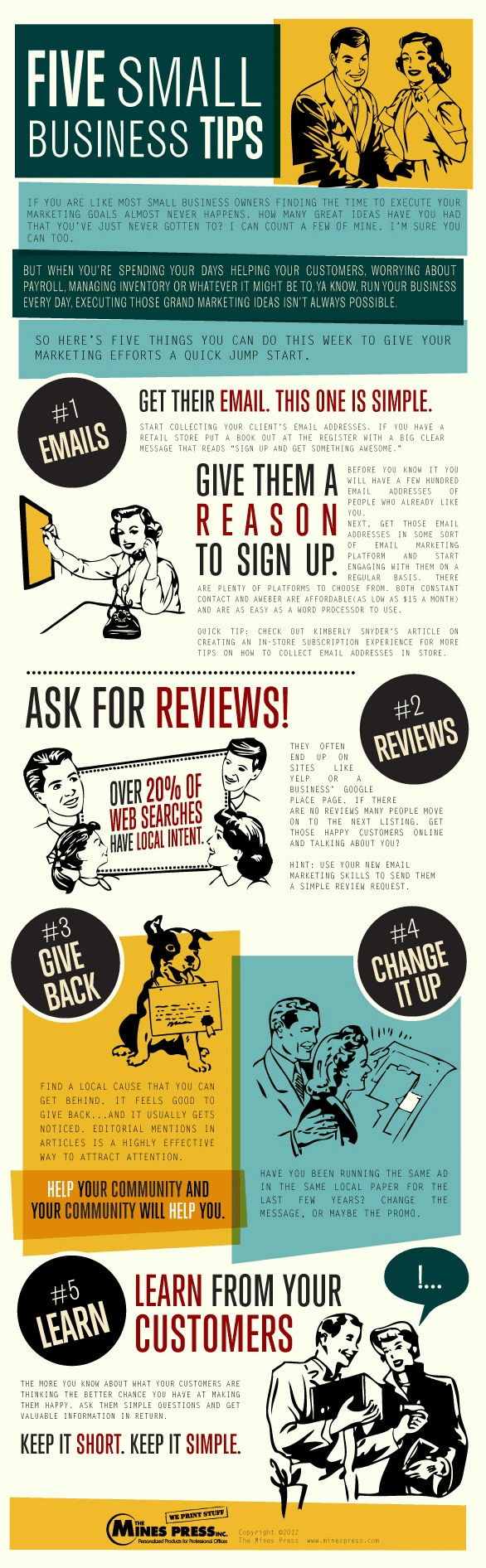
But fear not, as this blog post will provide you with five actionable tips to jumpstart your failing marketing strategy and put your business back on the path to success.
Infographic by The Mines Press.
- Reevaluate Your Target Audience
One of the first steps to reviving a failing marketing strategy is to reevaluate your target audience. Over time, consumer preferences and behaviors can change, and what once worked may no longer resonate with your audience. Start by gathering data and conducting market research to better understand your current customers and their needs. Are there new demographics or segments you should be targeting? Are there emerging trends that you’re missing out on?
Once you have a clearer picture of your audience, adjust your messaging and content accordingly. Tailor your marketing efforts to speak directly to their pain points and desires. Sometimes, a simple realignment of your target audience can breathe new life into your marketing strategy.
- Conduct a SWOT Analysis
A SWOT analysis (Strengths, Weaknesses, Opportunities, and Threats) is a powerful tool for assessing your current marketing strategy’s effectiveness. Start by identifying your marketing strategy’s strengths, such as what sets your product or service apart from the competition. Then, pinpoint its weaknesses – areas where you may be falling short or not effectively reaching your audience.
Next, analyze the opportunities and threats in your market. Are there untapped opportunities you can leverage? What external factors could pose a threat to your marketing strategy? A thorough SWOT analysis will help you identify areas for improvement and guide your efforts to revitalize your marketing strategy.
- Refresh Your Content
Content is king in the world of digital marketing, and stale or outdated content can quickly turn off your audience. If your marketing strategy is underperforming, take a close look at your content across various platforms – your website, social media, email marketing, and more.
Consider refreshing your content by:
- Updating outdated blog posts with new information and insights.
- Creating new and relevant content that addresses current industry trends.
- Diversifying your content formats, such as adding videos, infographics, or podcasts.
- Repurposing existing content to reach a broader audience.
By keeping your content fresh, you’ll not only engage your existing audience but also attract new prospects who are searching for up-to-date information.
- Experiment with Different Channels
Sometimes, a failing marketing strategy can be attributed to over-reliance on a single channel or platform. The digital marketing landscape is constantly evolving, and what works today may not work tomorrow. To jumpstart your marketing strategy, consider experimenting with different marketing channels.
For example, if you’ve been primarily focused on social media advertising, explore other avenues like content marketing, influencer partnerships, or email marketing. Diversifying your marketing efforts can help you reach a wider audience and mitigate the risks associated with changes in algorithms or platform popularity.
Additionally, pay attention to emerging channels and trends in the marketing industry. For instance, if a new social media platform gains traction, be open to testing it out to see if it aligns with your target audience and marketing goals.
- Analyze and Adjust in Real Time
The digital age has given marketers unprecedented access to data and analytics. Take advantage of this by regularly monitoring and analyzing the performance of your marketing campaigns in real time. Waiting until the end of a campaign to assess its success can lead to missed opportunities.
Key performance indicators (KPIs) should guide your analysis. Look at metrics like click-through rates, conversion rates, website traffic, and social media engagement. If you notice that certain campaigns or channels are underperforming, don’t hesitate to make adjustments on the fly.
A/B testing is another valuable strategy for refining your marketing efforts. By running parallel campaigns with slight variations and comparing their results, you can fine-tune your messaging and tactics for maximum effectiveness.
Conclusion
In the ever-evolving landscape of marketing, setbacks and challenges are inevitable. However, a failing marketing strategy doesn’t have to spell disaster for your business. By following these five tips – reevaluating your target audience, conducting a SWOT analysis, refreshing your content, experimenting with different channels, and analyzing and adjusting in real time – you can jumpstart your marketing strategy and get back on the path to success.
Remember that the key to effective marketing is flexibility and adaptability. Keep a finger on the pulse of your industry, be open to change, and always be willing to learn from both your successes and your failures. With the right approach, you can turn a failing marketing strategy into a thriving one that drives growth and success for your business.

Author:
Mark Ford

The Essential Marketing Toolkit: 19 Tools Every Modern Marketer Should Know About
Are you looking for the most effective tools to streamline your marketing, boost creativity, and save time? Want to discover the must-have platforms that every modern marketer should be using to stay ahead of the competition? […]