In today’s fast-paced digital landscape, staying ahead of the curve in website marketing is crucial for businesses looking to thrive and grow.
With new technologies and consumer behaviors constantly evolving, it’s essential to keep up with the latest trends to ensure your website remains competitive and effective.
In this blog post, we’ll explore five website marketing trends that you must start using immediately to boost your online presence, engage your audience, and drive better results.
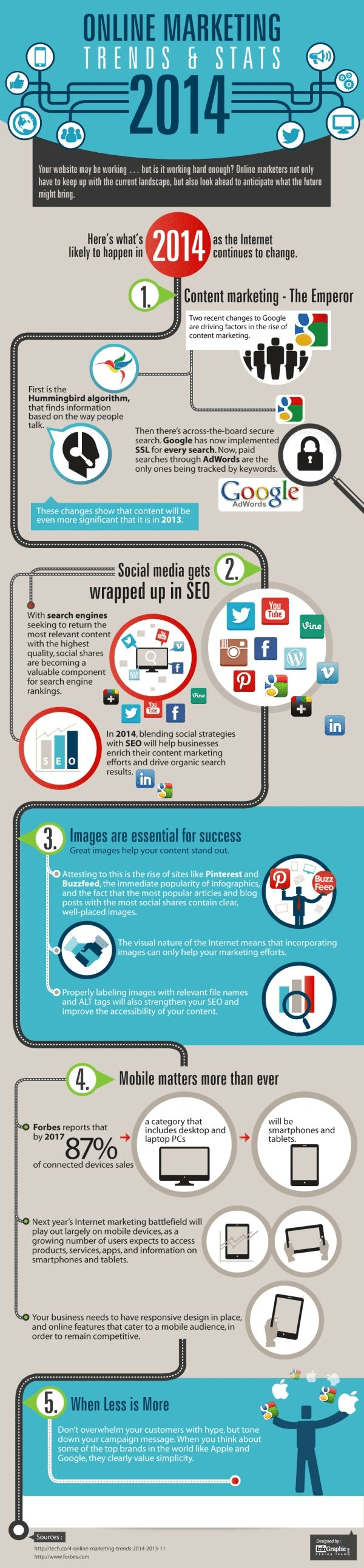
Infographic by Infographic Design Team.
Trend 1: Voice Search Optimization
Voice search has quickly become an integral part of our daily lives. From virtual assistants like Siri and Alexa to voice-activated smart speakers, people are using voice search to find information, make purchases, and interact with websites. As a result, optimizing your website for voice search is no longer an option but a necessity.
Why Voice Search Matters
Voice search is more conversational and natural than traditional text-based search queries. Users are more likely to ask complete questions or provide longer search phrases when using voice search. For example, instead of typing “best restaurants in New York,” a user might say, “What are the best restaurants in New York City?”
How to Optimize for Voice Search
- Use Natural Language Keywords: Incorporate long-tail keywords and phrases into your content that mimic how people speak in real life.
- Create FAQ Pages: Develop FAQ (Frequently Asked Questions) pages that directly address common questions your audience might ask through voice search.
- Mobile Optimization: Ensure your website is mobile-friendly, as voice search is often performed on mobile devices.
- Local SEO: Focus on local search optimization, as many voice searches are related to location-based queries, such as “Find a coffee shop near me.
- Featured Snippets: Aim to appear in featured snippets, as voice assistants often pull information from these when responding to voice queries.
Trend 2: Video Marketing Dominance
Video marketing has been on the rise for several years, and its importance continues to grow. According to recent statistics, video content is expected to account for over 80% of all internet traffic by 2022. This trend is driven by the increasing popularity of platforms like YouTube, TikTok, and Instagram, as well as the preference of consumers for visually engaging content.
Why Video Marketing Is Crucial
Videos are highly engaging and have the power to convey information quickly and effectively. They can help build brand awareness, educate your audience, and drive conversions. Additionally, search engines often prioritize video content in search results, making it an excellent strategy for improving your website’s SEO.
How to Embrace Video Marketing
- Create High-Quality Videos: Invest in creating professional, engaging videos that align with your brand and messaging.
- Diversify Video Content: Experiment with different types of video content, such as product demos, tutorials, testimonials, and behind-the-scenes footage.
- Optimize for Mobile: Ensure your videos are mobile-friendly, as many users access content on their smartphones.
- Video SEO: Use relevant keywords, write compelling video descriptions, and include closed captions to enhance discoverability and accessibility.
- Live Streaming: Explore live streaming on platforms like Facebook Live and Instagram Live to connect with your audience in real time.
Trend 3: Personalization and AI-driven Experiences
Consumers today expect personalized experiences when they visit websites. They want content and recommendations tailored to their preferences and needs. Artificial Intelligence (AI) plays a significant role in achieving this level of personalization.
Why Personalization Matters
Personalized experiences improve user engagement, increase conversion rates, and enhance customer loyalty. When visitors feel that a website understands and caters to their interests, they are more likely to spend more time on the site and make repeat visits.
How to Implement Personalization and AI
- Data Collection: Collect and analyze user data to understand their behavior, preferences, and demographics.
- Recommendation Engines: Implement recommendation engines that suggest products or content based on a user’s past interactions.
- Dynamic Content: Use AI to dynamically change content and offers on your website in real time based on user behavior.
- Chatbots and Virtual Assistants: Integrate chatbots and virtual assistants powered by AI to provide immediate assistance and personalized recommendations.
- Email Marketing Automation: Use AI-driven email marketing tools to send personalized emails at the right time to the right audience.
Trend 4: User Experience (UX) and Core Web Vitals
Google’s Core Web Vitals are a set of metrics that assess the user experience of a website, including page loading speed, interactivity, and visual stability. These metrics have become a critical ranking factor for Google’s search algorithm, making UX optimization more important than ever.
Why UX and Core Web Vitals Are Crucial
A website that offers a seamless and pleasant user experience not only ranks higher in search results but also keeps visitors engaged and reduces bounce rates. Moreover, Google’s algorithm penalizes websites with poor Core Web Vitals scores, affecting their visibility in search.
How to Improve UX and Core Web Vitals
- Page Speed Optimization: Minimize server response times, leverage browser caching, and compress images to improve page loading speed.
- Mobile Optimization: Ensure your website is responsive and performs well on mobile devices.
- Content Layout Stability: Avoid sudden layout shifts that can frustrate users by using proper image and video sizing.
- Navigation and Accessibility: Streamline navigation, make content accessible, and ensure easy readability for all users, including those with disabilities.
- Regular Testing: Continuously monitor and test your website’s performance using tools like Google PageSpeed Insights and Lighthouse.
Trend 5: Social Commerce and Shoppable Content
Social media platforms have evolved beyond mere communication channels. They are now powerful sales channels, allowing businesses to directly sell products and services through social commerce features. Shoppable content, such as posts and stories with embedded purchase links, has gained traction.
Why Social Commerce and Shoppable Content Are Effective
Social commerce leverages the huge user bases and engagement on social media platforms, making it easier for businesses to reach potential customers. Shoppable content capitalizes on users’ impulse to buy when they see a product they like, streamlining the purchasing process.
How to Implement Social Commerce and Shoppable Content
- Set Up Social Shops: Utilize platforms like Facebook Shops and Instagram Shopping to create online stores within social media profiles.
- Create Shoppable Posts: Design engaging posts with direct purchase links to specific products or services.
- User-Generated Content: Encourage customers to share their experiences with your products or services on social media and make those posts shoppable.
- Influencer Collaborations: Partner with influencers to promote your products through shoppable content.
- Analytics and Insights: Use analytics tools to track the performance of your social commerce efforts and refine your strategy based on data.
In conclusion, staying ahead in website marketing requires adapting to the latest trends and technologies. Voice search optimization, video marketing, personalization and AI-driven experiences, UX and Core Web Vitals optimization, and social commerce with shoppable content are five trends that can significantly impact your website’s success. By embracing these trends and implementing them immediately, you can enhance your online presence, engage your audience, and achieve better results in today’s competitive digital landscape.

Author:
Mark Ford