So you’ve just started your business and looking to implement an online marketing strategy? But like most business owners you’re probably not sure how to get started?
The online world can be a daunting place for many people so often we just need reminding of the simple components that make up a successful online strategy. Some research to understanding your audience and competition should come first, but what do you do from there?
Take a look at the infographic from Incion for more essential components of a successful online marketing strategy.
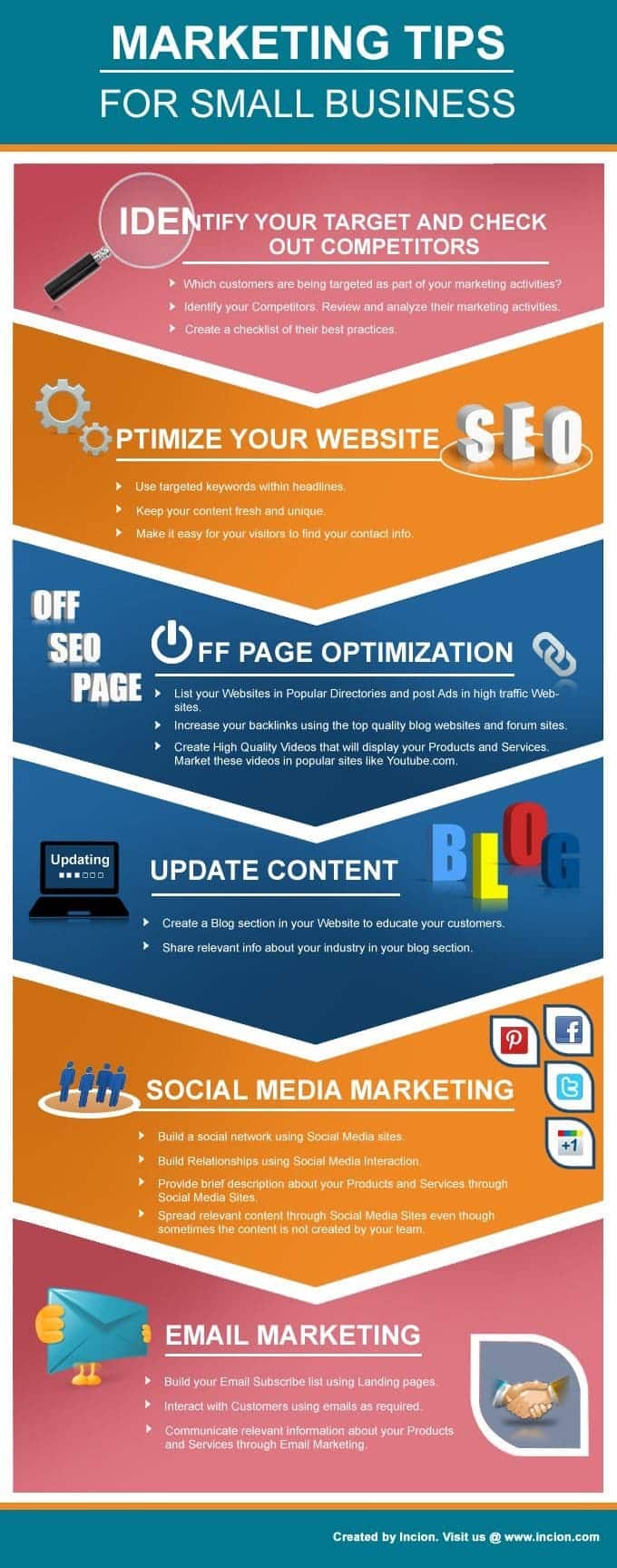
In today’s digital age, a successful online marketing strategy is crucial for businesses of all sizes. Whether you’re a small startup or a large corporation, the internet offers a vast landscape of opportunities to connect with your target audience, drive sales, and build a strong brand presence. To make the most of these opportunities, you need a well-rounded online marketing strategy that encompasses various components. In this blog post, we will explore six essential components of a successful online marketing strategy that can help your business thrive in the digital realm.
1. Clear and Defined Goals
Before diving into any online marketing activities, it’s essential to establish clear and defined goals. What do you want to achieve with your online marketing efforts? Goals provide direction and purpose to your strategy, ensuring that every action you take is aligned with your overarching objectives.
Your goals should be SMART: Specific, Measurable, Achievable, Relevant, and Time-bound. For example, instead of setting a vague goal like “increase website traffic,” you could set a SMART goal like “increase website traffic by 20% in the next six months.”
Having clear goals not only helps you stay focused but also allows you to measure the effectiveness of your online marketing efforts. It provides a benchmark against which you can track your progress and make necessary adjustments.
2. Target Audience Research
Understanding your target audience is fundamental to any successful online marketing strategy. You need to know who your ideal customers are, what their needs and pain points are, and where they spend their time online. Conducting thorough audience research helps you create content and marketing campaigns that resonate with your target audience.
To gather insights about your audience, you can:
- Create buyer personas: Develop detailed profiles of your ideal customers, including demographics, interests, challenges, and buying behavior.
- Analyze existing customer data: Look at your current customer base to identify common traits and preferences.
- Use online tools and surveys: Utilize tools like Google Analytics, social media insights, and online surveys to gather valuable data about your audience.
By understanding your audience’s motivations and preferences, you can tailor your online marketing efforts to meet their needs effectively.
3. Engaging Content Creation
Content is the backbone of online marketing. High-quality, relevant, and engaging content helps you connect with your audience, build trust, and establish your brand as an authority in your industry. Whether it’s blog posts, videos, infographics, or social media updates, your content should be valuable to your target audience.
Here are some key considerations for content creation:
- Consistency: Maintain a regular posting schedule to keep your audience engaged.
- Variety: Use a mix of content types to cater to different preferences.
- Quality: Ensure that your content is well-researched, informative, and error-free.
- Optimization: Optimize your content for search engines (SEO) to improve visibility.
- Storytelling: Use storytelling to create a connection with your audience and make your brand more relatable.
Remember that content marketing is a long-term strategy, and results may not be immediate. However, over time, valuable content can drive organic traffic, boost brand recognition, and generate leads.
4. Search Engine Optimization (SEO)
SEO is a critical component of any successful online marketing strategy. It involves optimizing your website and content to rank higher in search engine results pages (SERPs). When your website appears at the top of search results, it increases your visibility and attracts organic traffic, which can lead to more conversions.
Key aspects of SEO include:
- Keyword Research: Identify relevant keywords and phrases that your target audience is likely to search for.
- On-Page Optimization: Optimize title tags, meta descriptions, headers, and content for your chosen keywords.
- Quality Backlinks: Build a network of quality backlinks from reputable websites to improve your site’s authority.
- Mobile Optimization: Ensure that your website is mobile-friendly, as mobile searches continue to rise.
- Site Speed: Improve loading times to enhance user experience and SEO rankings.
Keep in mind that SEO is an ongoing process, and it may take some time to see significant results. However, the long-term benefits of a well-executed SEO strategy are well worth the investment.
5. Social Media Marketing
Social media platforms have become essential for businesses to connect with their audience and promote their products or services. A strong social media presence can help you engage with your customers, build brand loyalty, and drive traffic to your website. To succeed in social media marketing, consider the following:
- Platform Selection: Identify the social media platforms that are most relevant to your target audience and industry.
- Content Sharing: Share a mix of content, including blog posts, videos, images, and user-generated content.
- Consistency: Maintain a consistent posting schedule and engage with your followers regularly.
- Paid Advertising: Utilize paid advertising options on platforms like Facebook, Instagram, and LinkedIn to reach a broader audience.
- Analytics and Insights: Use analytics tools provided by social media platforms to track the performance of your campaigns and adjust your strategy accordingly.
Remember that each social media platform has its own best practices and audience demographics, so tailor your approach to fit each platform’s unique characteristics.
6. Email Marketing
Email marketing remains one of the most effective ways to nurture leads, retain customers, and drive conversions. Building an email list allows you to communicate directly with your audience, deliver personalized content, and promote your products or services. To excel in email marketing, follow these guidelines:
- Segmentation: Divide your email list into segments based on demographics, behavior, or purchase history to send targeted messages.
- Personalization: Customize your emails with the recipient’s name and tailor content to their interests.
- Automation: Use email marketing automation tools to send automated messages, such as welcome emails, abandoned cart reminders, and follow-up sequences.
- A/B Testing: Experiment with different email subject lines, content, and designs to optimize open and click-through rates.
- Analytics: Monitor email performance metrics, such as open rates and conversion rates, to refine your email marketing strategy.
By nurturing your email subscribers and providing them with valuable content, you can build lasting relationships and drive revenue for your business.
Conclusion
A successful online marketing strategy is a combination of clear goals, audience research, engaging content creation, SEO, social media marketing, and email marketing. These essential components work together to attract, engage, and convert your target audience into loyal customers. While each component is valuable on its own, integrating them into a cohesive strategy is the key to achieving long-term success in the digital landscape. Invest time and effort into each of these components, continuously adapt to changing trends, and measure your results to refine your strategy for optimal performance in the ever-evolving world of online marketing.

Author:
Mark Ford