In the fast-paced digital age, social media has become an integral part of our lives. It’s where we connect with friends and family, share our thoughts, and even build careers.
However, with great power comes great responsibility. Many of us are unknowingly committing social media crimes that can have far-reaching consequences.
In this blog post, we’ll explore seven common social media crimes and why you must stop committing them immediately.
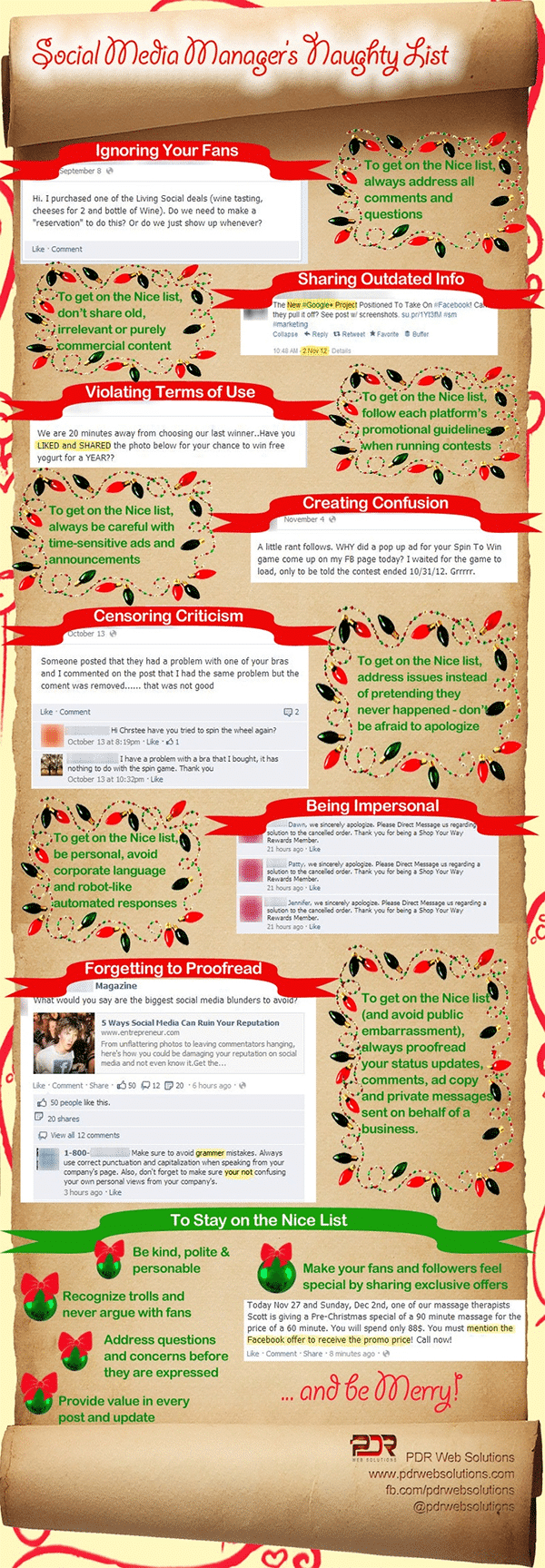
Infographic brought to you by PDR Web Solutions.
1. Over-Sharing Personal Information
One of the gravest social media crimes is oversharing personal information. In our desire to connect with others, we often divulge too much about ourselves. This information can range from our home address and phone number to more subtle details like vacation plans or daily routines.
The consequences of oversharing can be dire. Cybercriminals can exploit this information to steal your identity, hack your accounts, or even break into your home. Moreover, sharing personal information can lead to privacy invasion, harassment, or stalking by individuals with malicious intent.
Solution: Exercise caution and limit the amount of personal information you share on social media. Review your privacy settings, and only connect with people you trust. Be aware of the potential consequences of sharing sensitive information and think twice before hitting that “post” button.
2. Cyberbullying and Harassment
Another serious social media crime is cyberbullying and harassment. The anonymity provided by social media platforms can embolden people to engage in hurtful and offensive behavior. Victims of cyberbullying often suffer from emotional distress, anxiety, and even depression.
Cyberbullying isn’t limited to individuals; it can also target businesses and organizations. Negative comments, false reviews, and online attacks can harm a company’s reputation and financial stability.
Solution: Be mindful of your online behavior and treat others with respect and kindness. Report abusive content and block harassers. If you’re a victim of cyberbullying, seek support from friends, family, or professionals and consider involving the platform’s moderation team or law enforcement if necessary.
3. Sharing Misinformation
The rapid spread of misinformation on social media is a growing concern. Many people unknowingly share false or misleading information, contributing to the spread of rumors, hoaxes, and conspiracy theories. This can have real-world consequences, from public health crises to political unrest.
Solution: Before sharing information, take a moment to fact-check it from reliable sources. Encourage critical thinking and media literacy among your followers. Be responsible and avoid perpetuating misinformation, even if it aligns with your beliefs or opinions.
4. Impersonation and Fake Accounts
Creating fake accounts and impersonating others is a social media crime that can harm individuals, businesses, and even entire communities. Impersonators can tarnish reputations, steal personal information, or engage in fraudulent activities under a false identity.
Solution: Report fake accounts and impersonators when you encounter them. Verify the authenticity of accounts you interact with, especially if they request personal information or financial assistance. Social media platforms are working to combat impersonation, but vigilance from users is crucial.
5. Copyright Infringement
Posting content that doesn’t belong to you without proper attribution or permission is a common social media crime. This includes sharing copyrighted images, videos, music, or written content without the creator’s consent. Copyright infringement can lead to legal actions, fines, or the removal of your content.
Solution: Always respect copyright laws and intellectual property rights. If you want to share someone else’s work, seek permission or provide proper attribution. Many creators appreciate when their work is shared with credit.
6. Trolling and Flame Wars
Engaging in online arguments, trolling, and flame wars is not only a social media crime but also a drain on your emotional well-being. These toxic behaviors can create hostile environments and deter meaningful conversations. They also waste your time and energy.
Solution: Avoid getting involved in heated arguments or trolling. If you disagree with someone, engage in a civil discussion or simply scroll past. Remember that not every battle on social media is worth fighting, and your mental health should always come first.
7. Neglecting Privacy Settings
Failing to review and adjust your privacy settings is a social media crime that can leave you vulnerable to unwanted attention and data breaches. When you don’t take control of your online presence, you expose yourself to potential risks.
Solution: Regularly review your privacy settings on social media platforms. Customize who can see your posts, restrict access to your personal information, and use two-factor authentication for added security. Protecting your privacy is an ongoing effort.
Conclusion
Social media has revolutionized the way we connect, share, and communicate. However, with great power comes great responsibility. It’s crucial to be aware of the social media crimes we might unknowingly commit and take steps to rectify them. By practicing responsible online behavior, respecting others, and protecting our privacy, we can ensure a safer and more positive online environment for ourselves and others.
Remember, the internet is a reflection of our real-world actions and values. By making ethical choices on social media, we can contribute to a more harmonious digital society. So, stop committing these social media crimes immediately and be a responsible digital citizen.

Author:
Mark Ford

How to Create Platform-Specific Social Media Content Without Doubling Your Workload
Are you struggling to keep your social media content consistent across platforms without it eating up your time? Want to learn how to adapt one idea for Facebook, Instagram, LinkedIn, TikTok, and X without creating everything from scratch? […]