
Are you trying to build influencer partnerships that feel genuine rather than forced? Want to learn how to collaborate with creators in a way that boosts trust, engagement, and long-term brand loyalty?
You’ll find the smartest influencer collaboration principles in this guide.
Here’s a summary of what’s covered:
- Choose Influencers Wisely
- Do Not Focus Only on Follower Count
- Plan Your Publishing Schedule
- Do Not Limit Influencer Creativity
- Measure Your Outcomes
- Do Not Spam Influencers
- Set Clear Disclosure Rules
- Do Not Expect Direct Sales Every Time
Check out the post below for more.
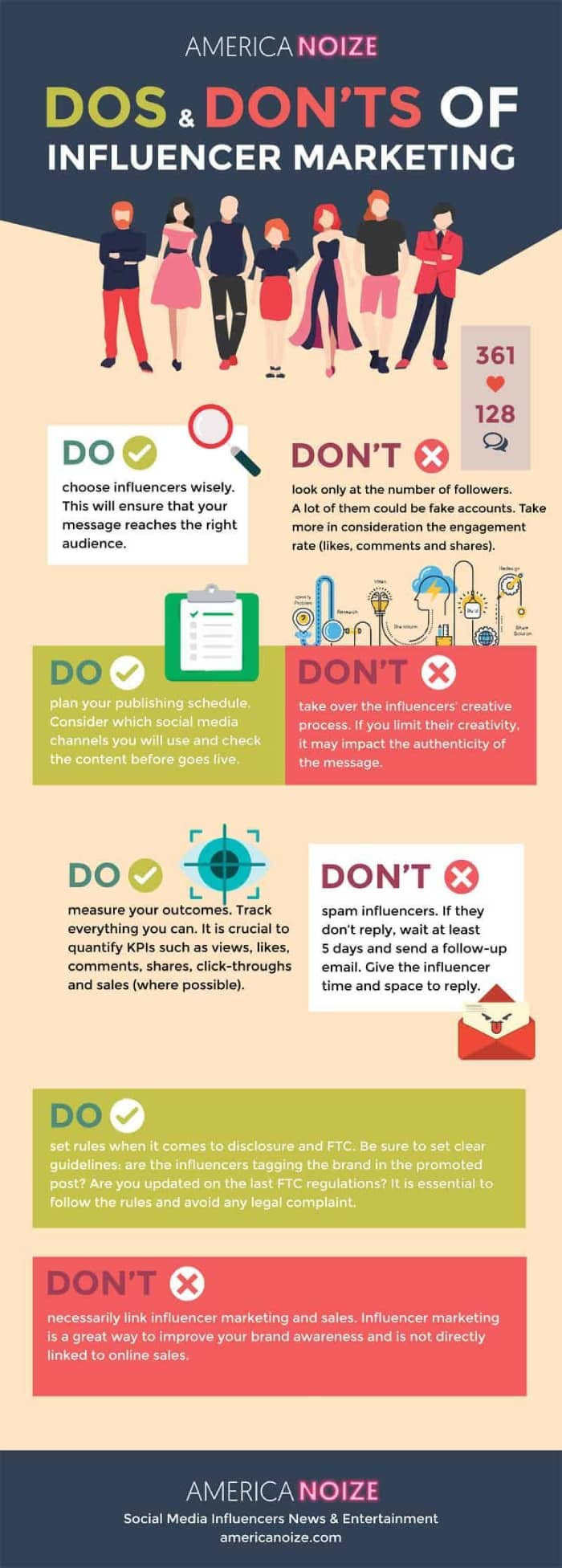
Influencer marketing has matured from a novelty tactic into a core brand growth strategy. When done well, it builds trust, expands reach, and delivers powerful brand exposure. But success does not come from simply hiring someone with a large follower count and expecting magic. Smart brands understand that the most valuable relationships are rooted in authenticity, mutual respect, and careful planning.
This guide explores how to collaborate with influencers in a way that protects your budget, strengthens your brand, and drives meaningful long-term results. We will walk through the dos and don’ts of working with creators, using key learnings and principles that have shaped today’s most effective campaigns.
Choose Influencers Wisely
Partnering with the right influencers lays the foundation for a successful campaign. When you choose creators whose values align with your own, you reach audiences who already care about what you offer. Selecting the right people is more than simply spotting a polished feed; it requires understanding who their followers are and how they interact.
Trust and authenticity matter, and audiences can tell when a collaboration feels forced. By choosing influencers thoughtfully, you protect your brand, strengthen credibility, and set yourself up for meaningful engagement rather than surface-level exposure.
- Look for influencers who genuinely align with your brand values and target audience.
- Evaluate their content quality, tone, and audience interaction before beginning a partnership.
- Review past collaborations to ensure their brand behaviour matches your expectations.
- Prioritise authenticity and audience relevance over follower count alone.
Do Not Focus Only on Follower Count
Brands often fall into the trap of assuming that bigger always means better when it comes to influencers. A large following can look impressive, but it is meaningless without real engagement and credibility. Many accounts inflate numbers through fake followers, bots, or passive audiences who rarely interact.
Instead of chasing size, focus on substance. Influencer marketing thrives on trust and relatability, and these often come from smaller but loyal communities. Choosing partners based on genuine impact ensures your message lands with people who care and act, not passive scrollers.
- Assess engagement rate, looking at comments, saves and conversations rather than just likes.
- Review audience authenticity using manual checks or analytics tools.
- Consider micro-influencers and niche creators with passionately engaged communities.
- Choose influencers who spark real discussion rather than passive visibility.
Plan Your Publishing Schedule
A successful influencer collaboration requires structure and planning. Posting at the right time, coordinating across channels, and preparing content in advance ensures messaging is consistent and impactful. Planning allows you to build momentum rather than scrambling at the last minute.
A thoughtful content calendar also helps influencers create stronger work. It gives them time to prepare posts that feel natural, well-crafted, and relevant to their audience. Careful scheduling reduces stress for both sides and allows campaigns to run efficiently and smoothly.
- Outline campaign goals, posting dates, and content formats ahead of time.
- Coordinate key brand moments, launches or seasonal priorities within the schedule.
- Review content before publishing to ensure accuracy and brand consistency.
- Communicate timelines clearly with creators to avoid last-minute issues.
Do Not Limit Influencer Creativity
Influencers know what resonates with their audience. When brands attempt to dictate every detail, the content often feels stiff, scripted, and inauthentic. Over-control weakens the natural voice that followers trust, reducing effectiveness and harming credibility.
Creators thrive when given creative freedom within clear guidelines. Allowing them to shape the message in their own style helps the partnership feel real, relatable, and sincere. Trusting their expertise does more than show respect; it makes your campaign work harder for you.
- Share key messaging points but allow influencers to adapt them to their tone and style.
- Provide brand assets and guidelines without micromanaging creative expression.
- Encourage storytelling and personal angles that feel natural to their audience.
- Review performance of more flexible content to understand what resonates best.
Measure Your Outcomes
Data is your compass in influencer marketing. While creativity matters, measurable performance ensures your decisions are grounded in reality. Tracking engagement, traffic, reach, and sentiment helps you understand what is working and where improvements are needed.
Measurement also allows you to justify spend, refine strategy, and adapt partnerships over time. Influencer marketing has evolved into a performance discipline, and brands that track results will always outperform those relying on gut instinct alone.
- Monitor KPIs such as engagement rates, reach, clicks, and conversions.
- Use trackable links or unique codes to measure traffic and sales where possible.
- Review comments and audience sentiment to gauge authenticity and trust.
- Evaluate long-term growth indicators such as follower quality, brand mentions, and loyalty.
Do Not Spam Influencers
Successful influencer partnerships rely on respect and professionalism. Bombarding creators with messages or expecting immediate replies undermines trust and damages relationships before they begin. Influencers receive many inquiries, and thoughtful communication is essential.
Patience demonstrates professionalism and positions your brand as a desirable partner rather than a pushy one. Giving creators time to respond allows conversations to unfold naturally and makes collaborations more positive for both sides.
- Send one clear, polite outreach message outlining your proposal.
- Allow several days for a response before following up.
- Avoid sending repeated or aggressive reminders that feel transactional.
- Treat creators like business partners, not service providers on demand.
Set Clear Disclosure Rules
Compliance and transparency are essential in influencer marketing. In the UK and internationally, guidelines require creators to clearly disclose sponsored content. Failing to instruct influencers correctly can lead to legal issues, brand reputation damage, and loss of audience trust.
Clear rules protect both your brand and the influencer. Transparency strengthens authenticity, builds long-term trust, and ensures campaigns align with regulations and public expectation. Responsible marketing is not optional; it is good business.
- Provide brief guidelines outlining how posts should be tagged or labelled.
- Ensure creators use proper disclosure tools and hashtags like #ad when required.
- Stay updated on advertising and disclosure regulations in relevant regions.
- Review content before publishing to ensure compliance and avoid complaints.
Do Not Expect Direct Sales Every Time
Influencer marketing excels at building awareness, trust, and social proof. While sales can occur, expecting every collaboration to convert immediately is unrealistic. Brand exposure, community trust, and interest often develop gradually rather than instantly.
When brands understand the true role of influencers, they invest more wisely. Influencer marketing is most powerful when viewed as a long-term trust-building strategy, not a short-term transactional sales tool.
- Track awareness and engagement metrics alongside sales-focused metrics.
- Focus on creators who can build emotional connection, not just product placement.
- Set realistic expectations for campaign goals based on audience journey stages.
- Recognise that repeated exposure builds familiarity and long-term impact.
Conclusion
Influencer marketing is most effective when grounded in authenticity, strategic planning, and mutual respect. Choosing the right creators, trusting their voices, and prioritising engagement quality over vanity metrics turns collaborations into genuine partnerships. Measurement, compliance, and patience help campaigns perform sustainably and ethically.
Brands that value authenticity and empower creators to do what they do best are the ones that win. The path to effective influencer collaboration is clear: build trust, focus on real relationships, and treat influencer marketing as a long-term investment in connection and credibility. When brands and creators work together with honesty and purpose, the results speak for themselves.

Author:
Mark Ford