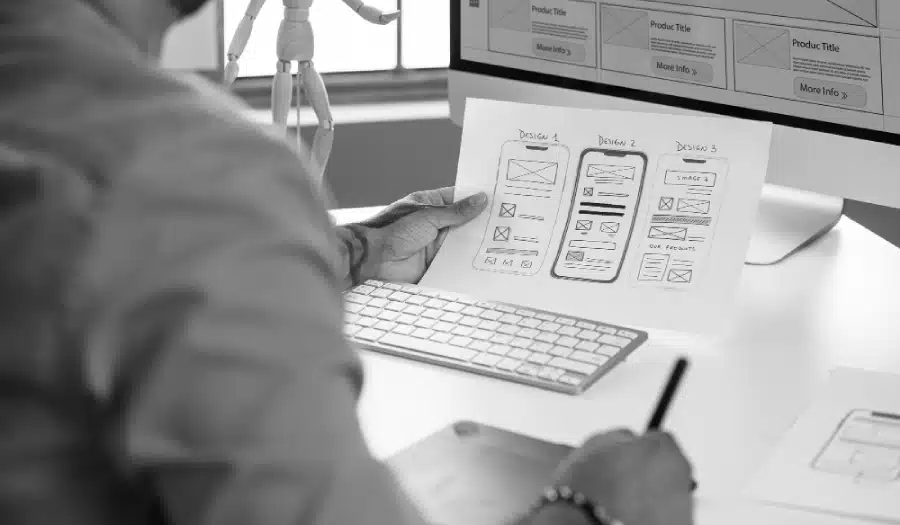
Are you wondering why some websites consistently attract traffic, engagement and enquiries while others struggle to deliver results? Want to understand how putting content before design can transform the performance of your website?
You’ll find the key principles of content-led web design in this infographic.
Here’s a summary of what’s covered:
- Why Content Strategy Should Come Before Any Design Decisions
- The Problem With Designing Layouts Before You Know the Message
- How Content Defines the Structure of a Website
- Why Content-Led Websites Perform Better in Search Engines
- Turning Business Goals Into Website Content That Converts
- How Clear Messaging Improves User Experience
- Building Navigation Around Real User Intent
- Why Design Should Support Content, Not Compete With It
- Creating Page Layouts That Follow the Flow of Content
- The Long-Term Benefits of a Content-First Website Approach
Check out the post below for more.

When businesses think about building a new website, the conversation often starts with colours, layouts, animations and visual style. While design is important, starting with aesthetics instead of substance frequently leads to weak messaging, confusing structures and websites that fail to perform. A visually impressive website means very little if visitors cannot quickly understand what the business offers or why it matters.
High-performing websites follow a different approach. Instead of designing pages first and filling them with words later, they begin with content strategy. Messaging, user intent, search visibility and conversion goals are defined first, and design is then built around that foundation.
This content-first approach ensures that every page serves a clear purpose. Navigation becomes logical, messaging becomes stronger and the user journey becomes easier to follow. The result is a website that works not only as a visual asset but also as a strategic marketing tool.
In this article, we explore why content-first thinking consistently produces better websites. From structure and SEO to messaging and user experience, each section explains how content-led design creates sites that perform better in search results and convert visitors into customers.
Why Content Strategy Should Come Before Any Design Decisions
Many website projects begin with visual inspiration such as layout ideas, colour palettes or competitor designs. While this might seem like a productive starting point, it often results in a website structure that lacks clarity or strategic direction. Without defined messaging, design decisions become guesses rather than solutions.
Content strategy ensures that every design choice has a purpose. It defines the audience, the key messages, the services being promoted and the actions visitors should take. When these elements are clear from the beginning, design becomes a tool for communication rather than decoration.
A website built around content strategy also aligns better with business objectives. Instead of pages being created simply to fill navigation menus, each section exists to answer a user need or support a specific marketing goal.
When design follows strategy rather than the other way around, websites are easier to navigate, easier to understand and far more effective at generating enquiries or sales.
- Define your core business message before considering layout or design style
- Identify the target audience and the questions they need answered
- Map out key pages and the purpose each one should serve
- Create a content outline before any visual design work begins
The Problem With Designing Layouts Before You Know the Message
Designing a website layout before the content exists often creates significant problems later in the project. Designers may build attractive page structures, but without clear messaging those layouts rarely align with the information the business actually needs to communicate.
When content is added after the design is finished, it frequently has to be forced into spaces that were not built for it. Important information becomes hidden, headlines become awkward and the overall user journey becomes confusing.
This approach also leads to unnecessary revisions. Businesses often realise too late that key content does not fit naturally within the design, resulting in additional design work and delays in the project timeline.
Starting with content removes these issues. When the messaging is defined first, layouts can be built specifically to support that content, ensuring the final website feels structured, logical and purposeful.
- Write the key headlines and messages before designing page sections
- Identify essential information that must appear above the fold
- Avoid creating rigid layouts that restrict how content can flow
- Allow design to adapt to messaging rather than forcing content into templates
How Content Defines the Structure of a Website
A well-structured website is rarely the result of visual creativity alone. Instead, it emerges from careful planning of the information users need and how that information should be organised. Content naturally shapes the hierarchy of a website.
When businesses identify their most important topics, services and questions, a clear structure begins to appear. Main navigation categories reflect key content themes, while supporting pages expand on specific topics in greater detail.
This process ensures that visitors can quickly understand where to find the information they need. Instead of wandering through disconnected pages, users follow a logical path that mirrors how they think about the subject.
Content-driven structure also benefits search engines. Clear topic organisation helps search engines understand the purpose of each page and how pages relate to one another, improving overall search visibility.
- Group related topics together to form logical website sections
- Use service pages to address specific customer needs
- Build internal links between related pieces of content
- Organise navigation based on user intent rather than internal company structure
Why Content-Led Websites Perform Better in Search Engines
Search engines prioritise websites that provide valuable, relevant and clearly structured information. While design plays a role in usability, it is the content that ultimately determines whether a website ranks well in search results.
Content-led websites are naturally more aligned with search engine optimisation because they focus on answering real questions and providing useful information. Each page targets specific search topics and includes clear messaging that search engines can understand.
When content strategy guides website development, keyword research becomes part of the planning process. Pages are created to match real search behaviour rather than being built purely for visual balance.
As a result, the website gains stronger visibility in search results and attracts visitors who are actively looking for the services being offered.
- Conduct keyword research before planning page content
- Create dedicated pages for key services and topics
- Use headings and structured content to improve readability
- Ensure every page answers a specific search query or user need
Turning Business Goals Into Website Content That Converts
A website should not simply provide information. It should guide visitors toward meaningful actions such as making enquiries, requesting quotes or purchasing services. Content plays a central role in this process.
By understanding business goals, content can be written to support specific outcomes. Headlines highlight value propositions, supporting sections explain benefits and calls to action encourage visitors to take the next step.
Without this strategic content planning, websites often become digital brochures rather than conversion tools. Visitors may leave with a vague impression of the business but no clear reason to engage.
When content is designed around business objectives, the entire website works as a structured conversion journey that moves visitors from curiosity to action.
- Write clear value propositions that communicate benefits quickly
- Use persuasive language that focuses on customer outcomes
- Include strong calls to action throughout key pages
- Align page content with specific business goals
How Clear Messaging Improves User Experience
User experience is often associated with design elements such as navigation menus, spacing and responsive layouts. However, messaging clarity is just as important in shaping how visitors interact with a website.
When messaging is unclear, visitors struggle to understand what a business does or why it matters. Confusion leads to frustration, and frustrated users leave quickly.
Clear content solves this problem by guiding visitors through information in a logical and understandable way. Headlines summarise key points, supporting sections provide detail and structured layouts make information easy to scan.
As a result, visitors spend more time exploring the site, gaining confidence in the business and moving closer to making a decision.
- Write headlines that clearly explain the value of each page
- Use short paragraphs and structured sections for readability
- Avoid jargon that may confuse visitors unfamiliar with the industry
- Ensure every page quickly answers the question “What does this business offer?”
Building Navigation Around Real User Intent
Navigation is one of the most important components of a website, yet it is often designed based on internal company thinking rather than the needs of users. Content strategy helps correct this mistake.
By analysing what users are searching for and what questions they ask, businesses can structure navigation around real intent. Instead of vague or internal terminology, navigation labels reflect the language customers actually use.
This approach makes the website easier to explore. Visitors instantly recognise the sections that match their interests, reducing friction and helping them reach the information they need quickly.
Content-first navigation also supports search engine optimisation by reinforcing the topical organisation of the website.
- Use navigation labels that match common search phrases
- Limit main navigation to the most important content areas
- Structure subpages to support key services or topics
- Test navigation clarity by asking whether new visitors can understand it immediately
Why Design Should Support Content, Not Compete With It
In visually driven website projects, design elements sometimes dominate the user experience. Large images, complex animations and unusual layouts may look impressive but often distract from the content itself.
High-performing websites treat design as a supporting element rather than the main focus. Layouts guide the eye toward important information, while typography and spacing improve readability.
This balance ensures that visitors focus on the message rather than being overwhelmed by visual distractions. Design enhances understanding instead of competing with it.
When design and content work together, the result is a website that feels both professional and purposeful.
- Use visual hierarchy to emphasise key messages
- Avoid excessive animations that distract from content
- Ensure text remains readable across all devices
- Design layouts that naturally guide users through information
Creating Page Layouts That Follow the Flow of Content
Page layout should reflect the natural flow of information rather than forcing content into arbitrary sections. When content leads the process, layouts become more intuitive and easier to follow.
Each page typically follows a logical progression. Visitors first encounter a headline explaining the topic, followed by supporting details, examples and calls to action. Layout design should reinforce this journey.
By aligning visual structure with content flow, websites become easier to read and navigate. Visitors understand the information step by step rather than feeling overwhelmed.
This approach also improves engagement, as users are more likely to continue reading when the information is presented clearly.
- Start pages with strong headlines that summarise the topic
- Organise sections in a logical progression of ideas
- Use visual spacing to separate key pieces of information
- Place calls to action after persuasive supporting content
The Long-Term Benefits of a Content-First Website Approach
Content-first websites not only perform better at launch but also remain effective over time. Because the site is built around structured information, updates and expansions become much easier.
New pages can be added without disrupting the overall structure. Content can evolve as the business grows, allowing the website to adapt to changing marketing goals and customer needs.
This flexibility is particularly valuable for SEO. Businesses can continue publishing new content that strengthens search visibility while maintaining a consistent structure.
Over time, the website becomes a powerful knowledge hub that attracts traffic, builds authority and supports long-term growth.
- Plan content structures that allow future expansion
- Regularly update pages to keep information relevant
- Add new content to target emerging search opportunities
- Use internal linking to strengthen relationships between pages
Conclusion
Content-first thinking transforms the way websites are built. Instead of treating content as something that fills empty spaces within a design, it becomes the strategic foundation that shapes the entire website.
When messaging, structure and user intent are defined before design begins, websites become clearer, more organised and far more effective at supporting business goals. Visitors find the information they need quickly, search engines understand the site structure and conversion paths become more obvious.
Design still plays an important role, but its purpose is to enhance communication rather than overshadow it. A well-designed website should amplify the message, not compete with it.
Businesses that adopt a content-first approach consistently create websites that perform better in search results, deliver stronger user experiences and generate more meaningful results. In the long run, the formula is simple but powerful: content first, design second.

Author:
Mark Ford