
Are you looking for ways to improve your Ecommerce SEO? Want to learn how to optimise your online shop and generate more Google traffic?
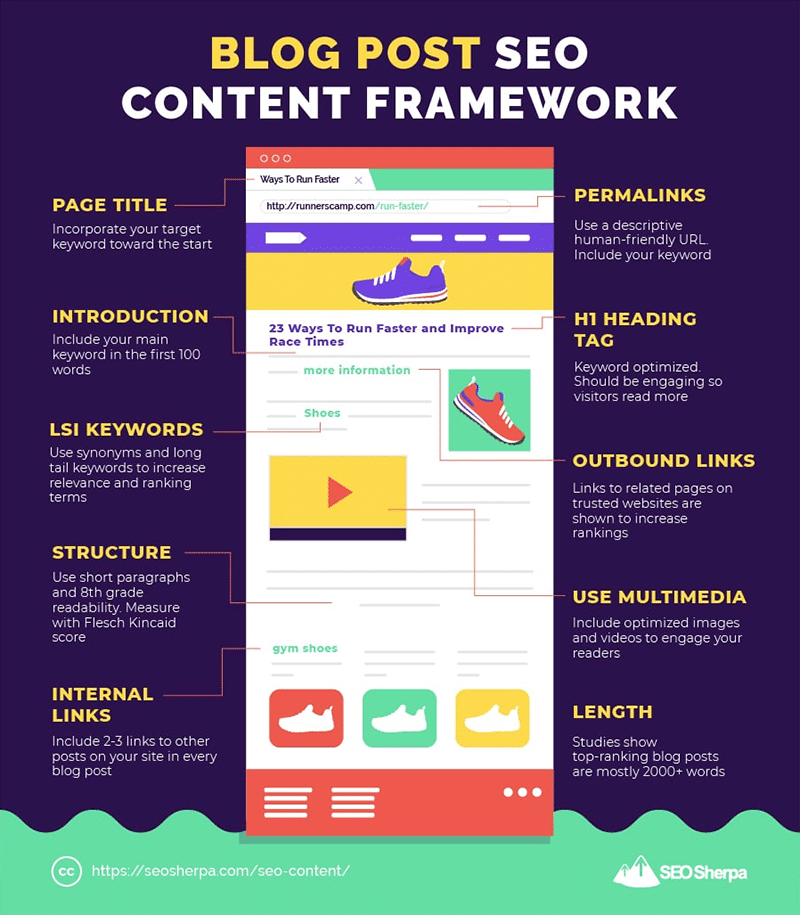
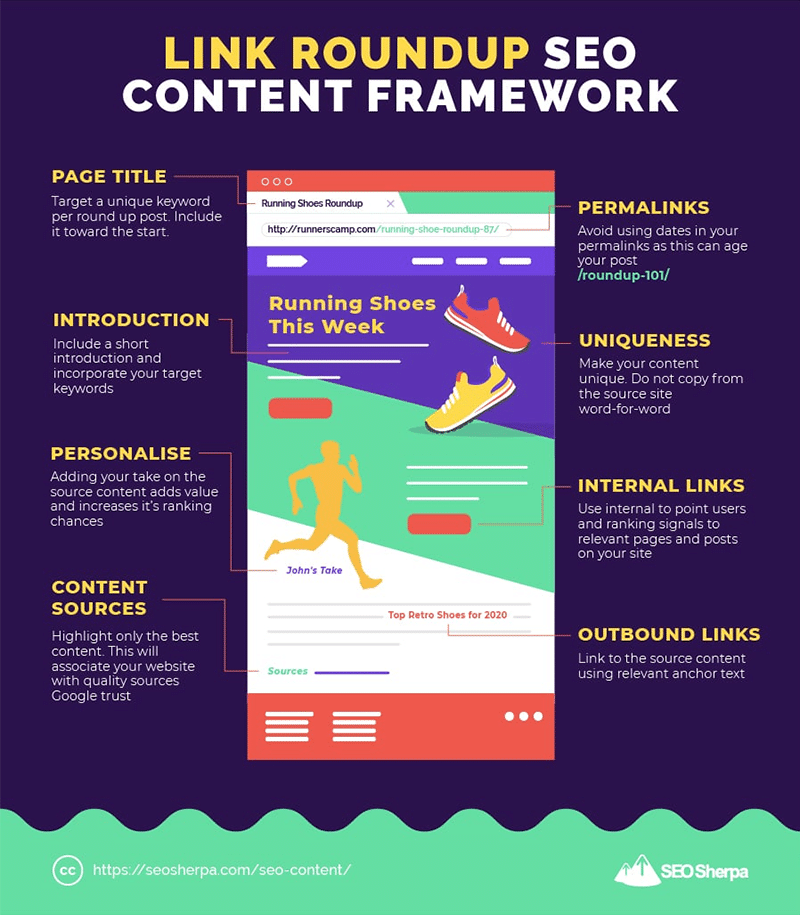
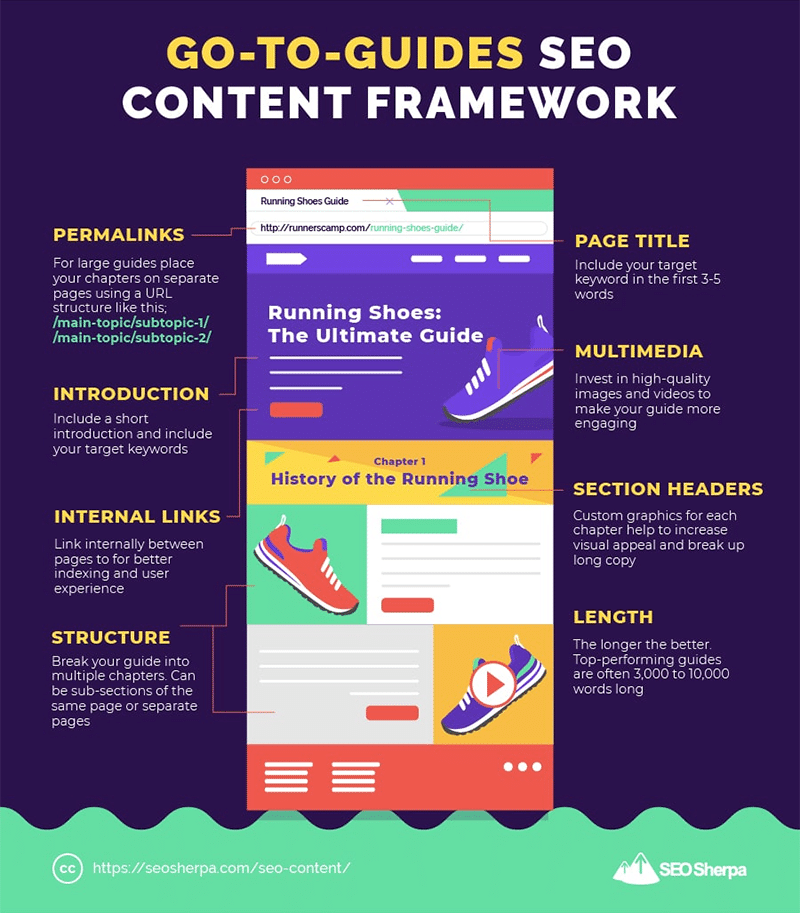
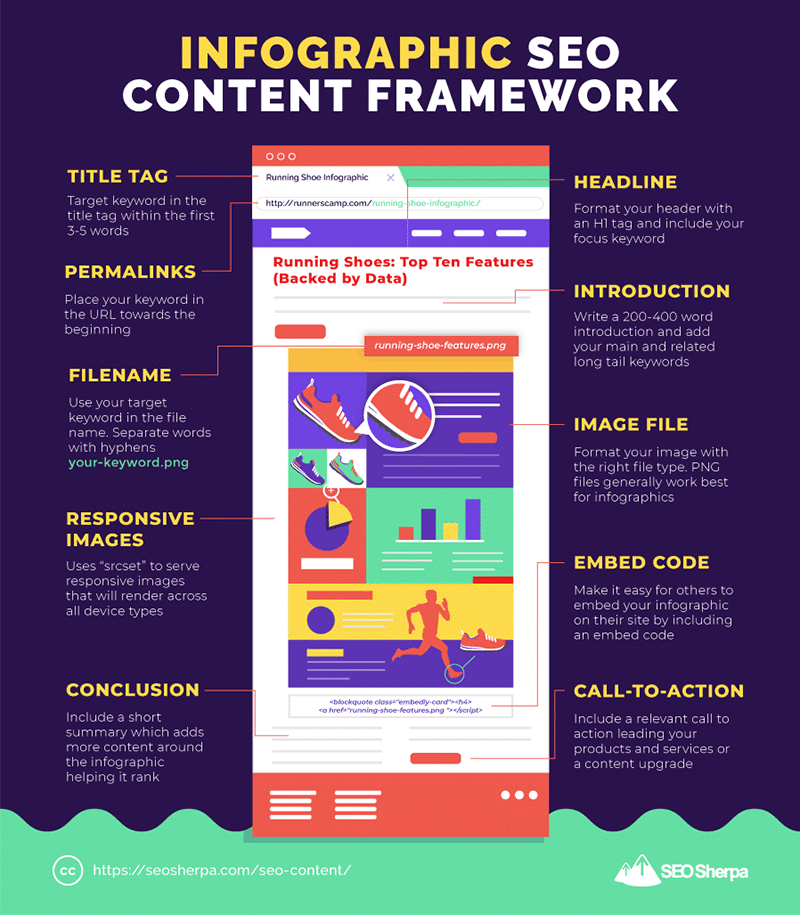
SEO Sherpa share their Ecommerce SEO tips in this infographic.
They cover the following types of pages:
- Home page
- Category page
- Product page
- Blog post
- Glossary page
- FAQ page
- Article page
- Reviews page
- Link roundup
- Go-to guides
- Infographics
Check out the infographic for more.
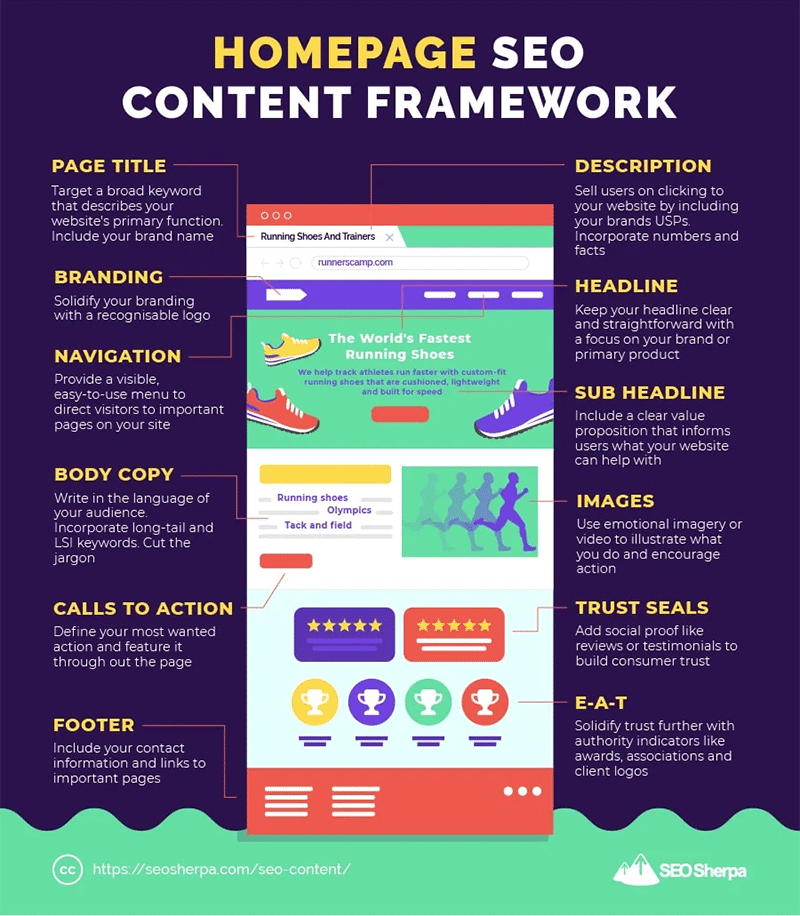
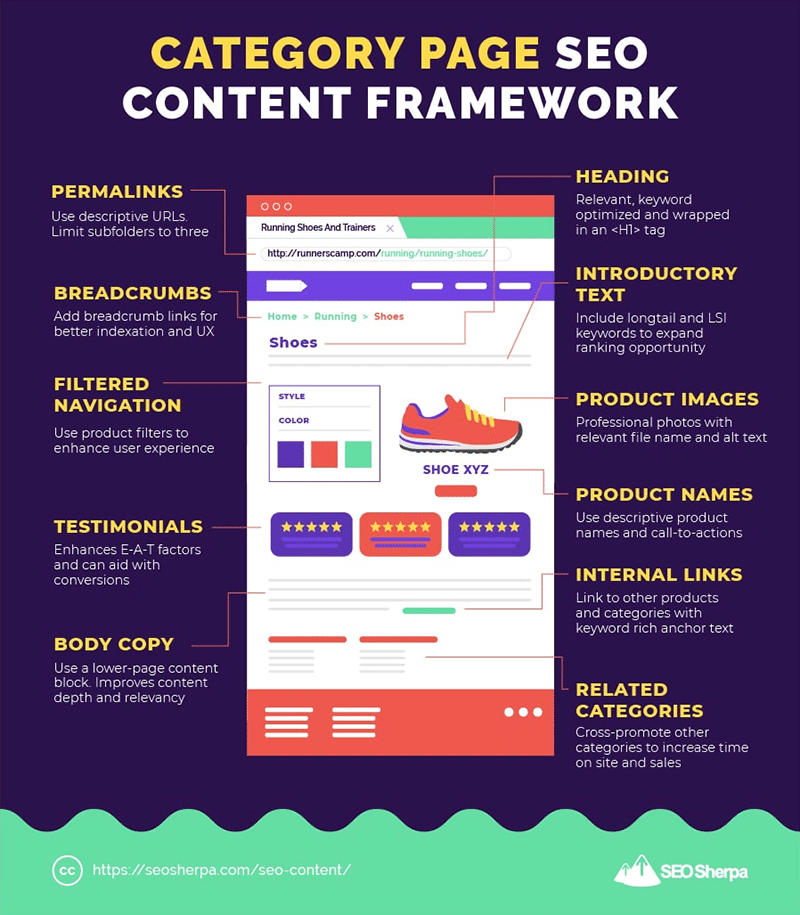
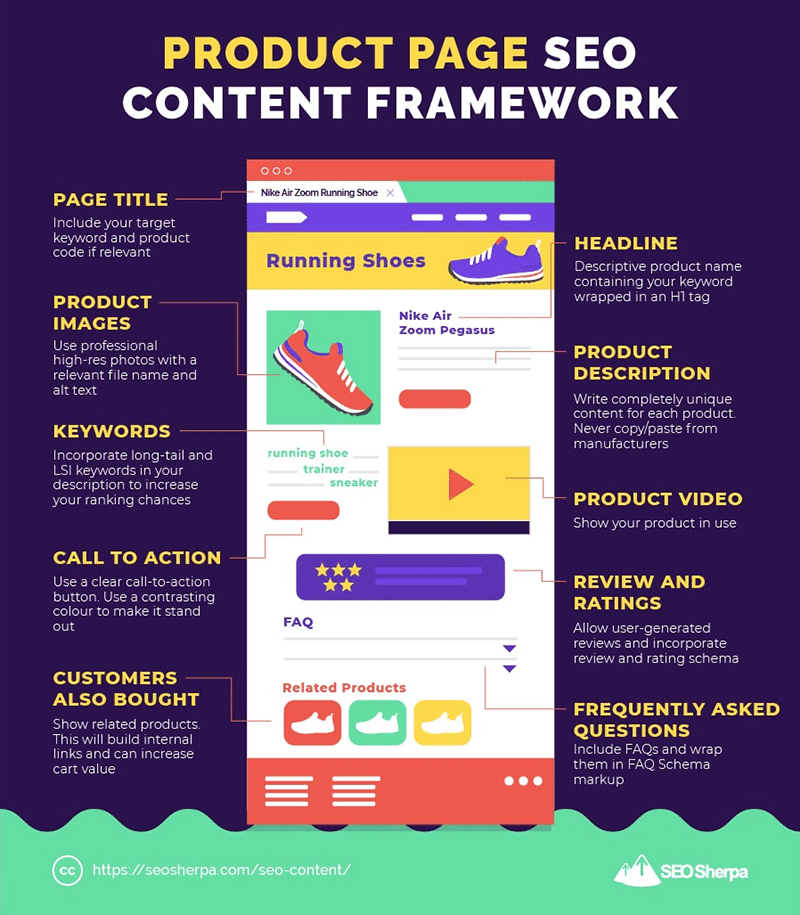
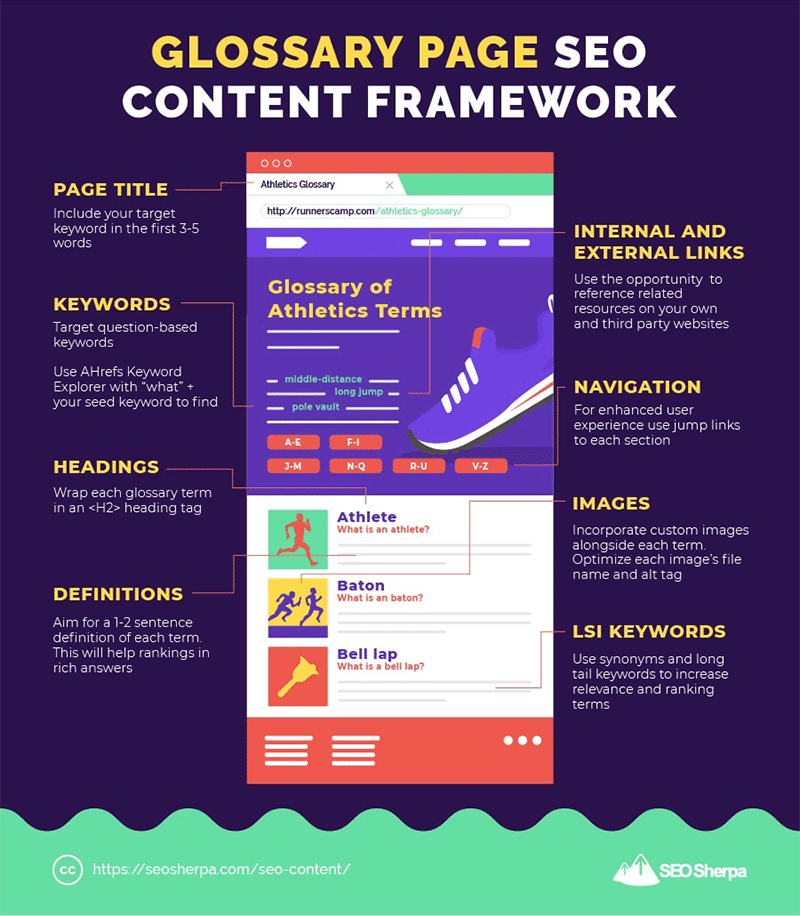
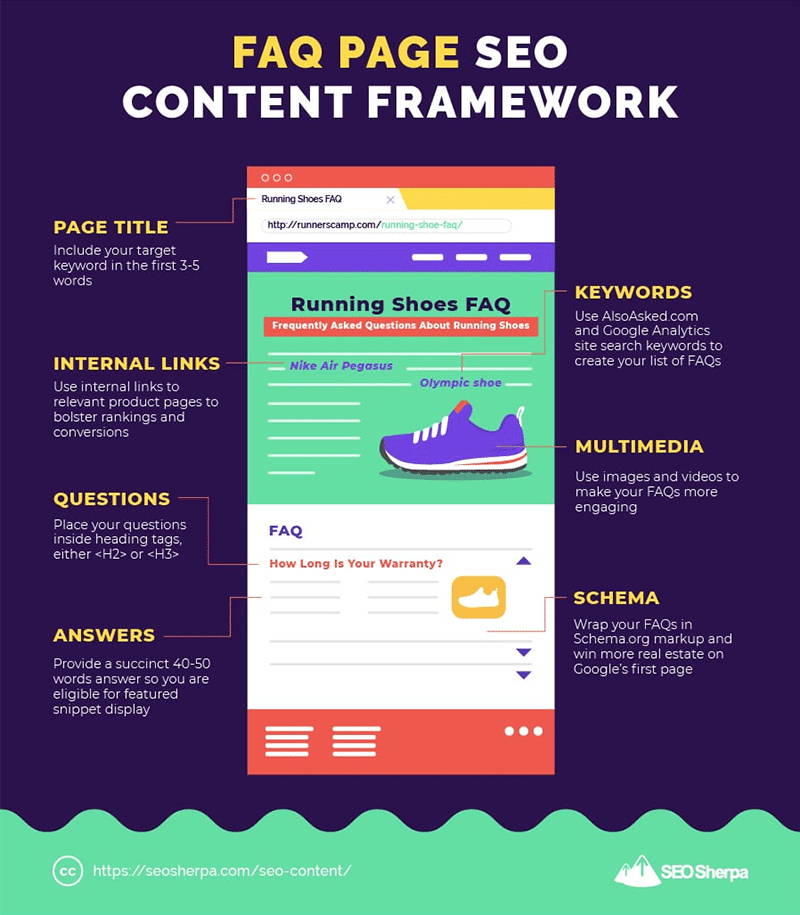
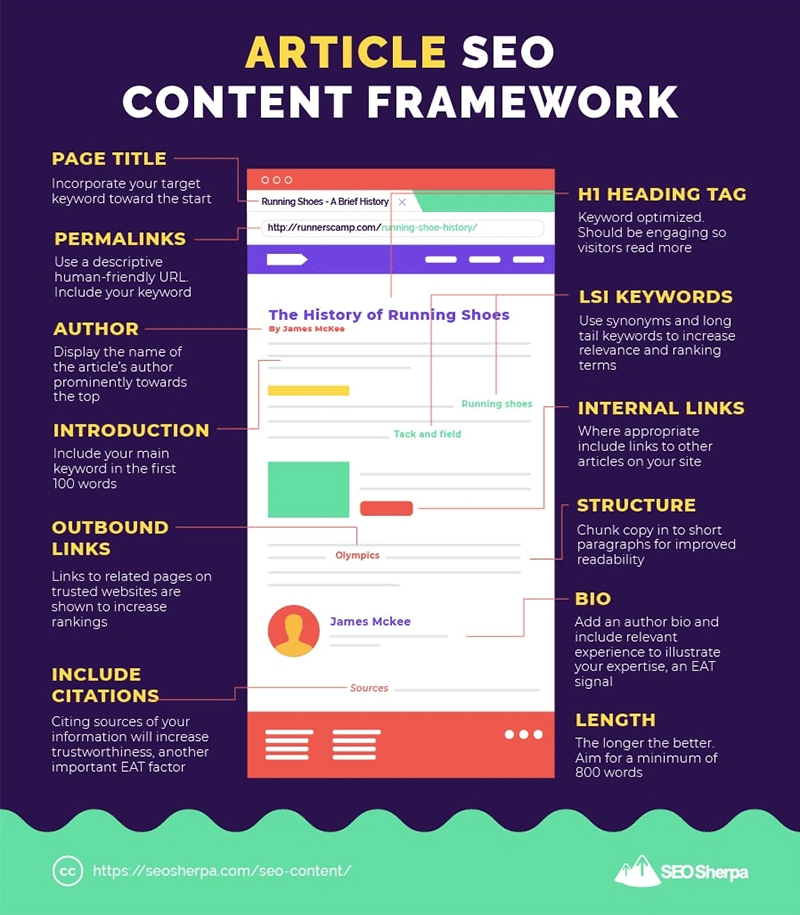
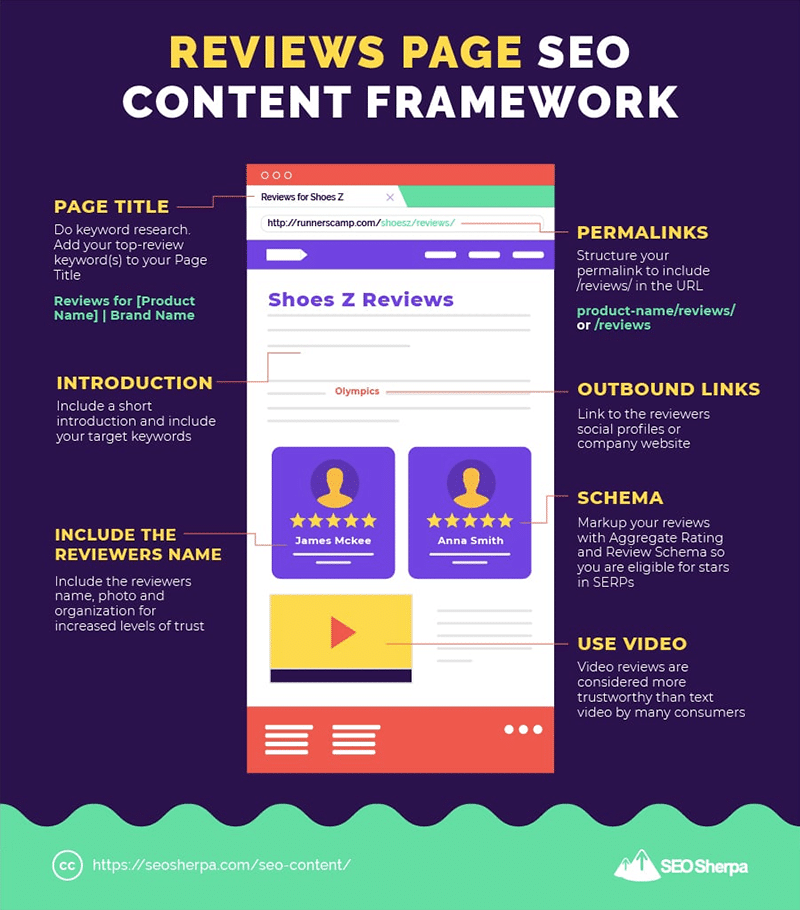
In the fast-paced world of e-commerce, where thousands of online stores compete for the attention of potential customers, search engine optimization (SEO) is your secret weapon for success. By optimizing your home, category, and product pages, you can improve your website’s visibility in search engine results, attract more organic traffic, and ultimately boost your sales. In this comprehensive guide, we’ll delve into the strategies and techniques you need to optimize each of these critical page types to maximize your e-commerce success.
The Importance of Ecommerce SEO
Before we dive into the specifics of optimizing your home, category, and product pages, let’s first understand why SEO is crucial for e-commerce websites.
1. Increased Visibility
Search engines like Google are often the first place people turn to when they’re looking for products or information. By optimizing your e-commerce site, you increase your chances of appearing at the top of search results, making it more likely that potential customers will find and visit your site.
2. Organic Traffic
Organic traffic, or traffic from search engines, is highly valuable because it’s free and typically of higher quality. People who find your website through search are actively seeking what you offer, making them more likely to convert into customers.
3. Competitive Advantage
Your competitors are likely investing in SEO to improve their rankings. By doing the same, you can level the playing field and even surpass them in search engine results, gaining a significant competitive advantage.
4. Long-Term Benefits
SEO is not a one-time effort but rather an ongoing process. However, the benefits of good SEO can be long-lasting. Once you’ve established a strong online presence, maintaining it becomes easier, and you can continue to reap the rewards for years to come.
Optimizing Your Home Page
Your home page is the digital storefront of your e-commerce site. It’s often the first page visitors see, and it plays a crucial role in setting the tone for their entire shopping experience. Here’s how to optimize it for search engines and users:
1. Keyword Research
Start by conducting keyword research to identify the terms and phrases potential customers are using to search for products you sell. Use tools like Google Keyword Planner or SEMrush to discover relevant keywords with decent search volume and low competition.
2. High-Quality Content
Craft a compelling and informative homepage that incorporates your target keywords naturally. Use headings, bullet points, and well-structured paragraphs to make the content easy to read. Ensure that it clearly communicates your brand’s unique value proposition and product offerings.
3. Optimize Meta Tags
Write an enticing meta title and description for your home page, including your primary keywords. Keep these tags concise while accurately describing your page’s content.
4. Improve Page Load Speed
Page speed is a crucial ranking factor and a vital user experience element. Optimize your home page for speed by compressing images, leveraging browser caching, and reducing unnecessary scripts.
5. Mobile Optimization
With the increasing use of mobile devices, your home page must be mobile-friendly. Ensure responsive design, legible fonts, and mobile-optimized images for a seamless user experience on all devices.
6. Internal Linking
Include internal links on your home page to guide visitors to important category and product pages. This not only enhances user navigation but also distributes link authority throughout your site.
7. Schema Markup
Implement schema markup to provide search engines with additional information about your business, such as your address, phone number, and operating hours. This can lead to rich search results, such as Google’s Knowledge Graph.
8. User Experience (UX)
Prioritize user experience by organizing content logically, using clear calls to action (CTAs), and making it easy for visitors to find what they’re looking for. A well-designed, user-friendly home page can reduce bounce rates and improve rankings.
9. Social Proof and Trust Signals
Display trust signals such as customer reviews, security badges, and endorsements from reputable organizations. This helps build trust with potential customers and can lead to higher conversion rates.
10. Regular Updates
Keep your home page fresh by regularly updating content, adding new products or promotions, and featuring seasonal content. Freshness is a ranking factor, and it also encourages repeat visits.
Optimizing Category Pages
Category pages play a pivotal role in organizing your products and helping visitors navigate your e-commerce site efficiently. Here’s how to optimize them effectively:
1. Keyword Optimization
Just as with your home page, perform keyword research to identify the most relevant keywords for each category. Use these keywords naturally in category titles, descriptions, and page content.
2. Clear and Descriptive Titles
Category titles should be clear, descriptive, and optimized for search engines. They should convey what products are included in the category, making it easy for users to understand and navigate.
3. Unique Descriptions
Avoid using duplicate content on category pages. Write unique and informative descriptions for each category, highlighting key features and benefits of the products within.
4. Structured URLs
Create user-friendly and SEO-friendly URLs for your category pages. Use descriptive keywords and avoid using unnecessary parameters or codes in the URL.
5. Image Optimization
Optimize category images by using descriptive alt tags and compressing images for faster page load times. High-quality images can also improve user experience and conversions.
6. Filters and Sorting Options
Implement filters and sorting options to help users refine their product searches on category pages. This not only enhances user experience but also keeps visitors engaged on your site for longer periods.
7. Breadcrumbs
Include breadcrumbs at the top of your category pages to show users the path they took to reach the current page. Breadcrumbs are not only helpful for navigation but also improve SEO by creating internal links.
8. Internal Linking
Link from category pages to related products and other relevant categories. This internal linking strategy not only aids in SEO but also guides users to explore more of your offerings.
9. User-Generated Content
Encourage customers to leave reviews and ratings on category pages. User-generated content not only provides valuable information to potential buyers but also adds fresh, unique content to your pages.
10. Monitor Performance
Regularly monitor the performance of your category pages using tools like Google Analytics. Track metrics such as bounce rate, time on page, and conversion rate to identify areas for improvement.
Optimizing Product Pages
Product pages are where the magic happens in e-commerce. These pages must not only rank well in search results but also persuade visitors to make a purchase. Here’s how to optimize your product pages effectively:
1. Unique Product Descriptions
Never use manufacturer-provided descriptions verbatim. Write unique, compelling, and informative product descriptions that address the needs and concerns of your target audience. Include relevant keywords naturally.
2. High-Quality Images and Videos
Invest in high-quality images and, if possible, product videos to showcase your products from different angles and perspectives. Images should load quickly and have descriptive alt text.
3. Customer Reviews and Ratings
Display customer reviews and ratings prominently on product pages. Positive reviews build trust and credibility, while negative ones provide insights into areas for improvement.
4. Product Specifications
Include detailed product specifications, such as size, color options, material, and dimensions. The more information you provide, the better equipped customers are to make informed decisions.
5. Pricing and Availability
Clearly display product prices, shipping costs, and availability status. If a product is out of stock, provide an option for customers to be notified when it becomes available again.
6. Add to Cart and Checkout Process
Make it easy for customers to add products to their cart and proceed to checkout. Ensure that the shopping cart is easily accessible, and the checkout process is streamlined and user-friendly.
7. Cross-Selling and Upselling
Suggest related products or accessories on product pages to encourage customers to explore additional options. This can boost average order value and enhance the user experience.
8. Schema Markup
Implement schema markup specific to product pages to provide search engines with structured data about your products. This can result in rich search results, such as product snippets with images and prices.
9. Mobile Optimization
Product pages must be fully responsive and optimized for mobile devices. Test the user experience on various mobile devices to ensure seamless navigation and conversions.
10. Page Speed Optimization
Optimize product images, reduce unnecessary scripts, and employ browser caching to improve page load speed. Slow-loading pages can lead to high bounce rates and lost sales.
Ongoing SEO Maintenance
E-commerce SEO is an ongoing process that requires constant monitoring and adjustment. Here are some essential tasks to keep your optimization efforts on track:
1. Regular Content Updates
Continuously update your website’s content to reflect changes in product offerings, prices, and promotions. Fresh content signals to search engines that your site is active and relevant.
2. Backlink Building
Seek opportunities to build high-quality backlinks to your e-commerce site. Quality backlinks from authoritative sources can improve your site’s authority and rankings.
3. Technical SEO Audits
Perform regular technical SEO audits to identify and fix issues like broken links, duplicate content, and crawl errors. Tools like Google Search Console and Screaming Frog can be invaluable for this purpose.
4. Keyword Monitoring
Monitor the performance of your target keywords and adjust your SEO strategy as needed. Keyword trends can change over time, and staying up-to-date is crucial.
5. User Experience Optimization
Continuously improve the user experience on your website by gathering user feedback, conducting A/B tests, and making data-driven improvements.
6. Mobile Optimization Updates
As mobile technology evolves, make necessary updates to ensure your site remains fully optimized for mobile users.
7. SEO Analytics
Regularly analyze SEO performance using tools like Google Analytics and Google Search Console. Pay attention to metrics like organic traffic, conversion rate, and keyword rankings.
Conclusion
Effective e-commerce SEO requires a multifaceted approach that encompasses your home, category, and product pages. By conducting thorough keyword research, creating high-quality content, optimizing for user experience, and staying up-to-date with the latest SEO trends, you can improve your website’s visibility and drive more organic traffic. Remember that SEO is an ongoing process, and consistent efforts will yield long-term benefits in the highly competitive world of e-commerce. Start implementing these strategies today to unlock the full potential of your online store.

Author:
Mark Ford