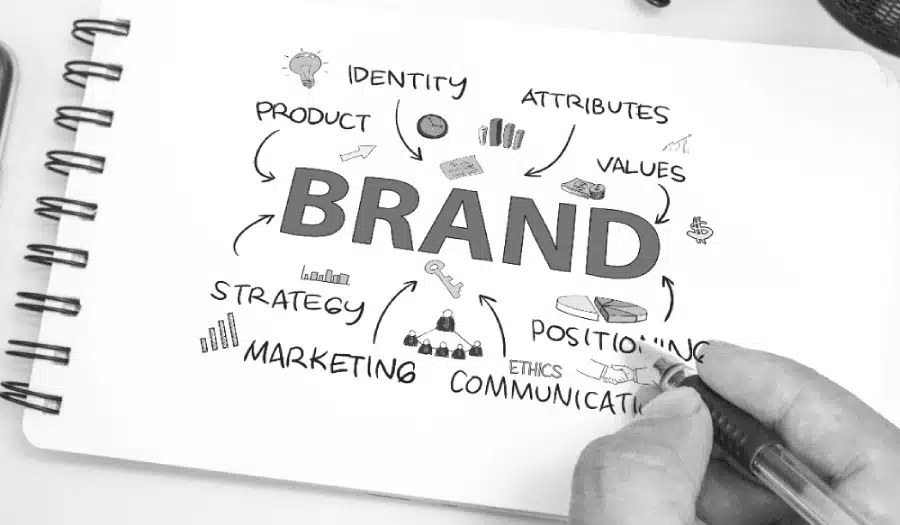
Are you in the process of starting a new small business? Need help creating a brand identity for your new startup?
99Designs share the branding steps for startups in this infographic.
Here’s a quick summary:
- Define your brands mission
- Determine your target audience
- Recognise your competitive advantage
- Perform an online image search for logos
- Define your brand personality
- Create your logo
- Get a website
- Develop social media profiles
Check out the infographic for more detail.
![8 Essential Branding Steps to Follow When Starting a New Business [Infographic]](https://red-website-design.co.uk/wp-content/uploads/2019/11/8-Essential-Branding-Steps-to-Follow-When-Starting-a-New-Business.jpg)
Starting a new business is an exciting journey, but creating a strong brand is crucial to ensuring your success. Branding is more than just a logo or tagline; it’s the personality, values, and promise your business delivers. To make your mark, you need a clear and consistent brand strategy.
Here are eight essential steps to help you build a powerful brand for your new business.
Define Your Brand’s Mission
Defining your brand’s mission is the cornerstone of building a meaningful and consistent brand identity. Your mission statement is more than just a set of words—it’s the guiding light for every decision your business makes, shaping how you communicate, operate, and connect with your audience.
Here’s an in-depth look at how small businesses can craft a compelling and authentic mission.
What Is a Mission Statement?
A mission statement is a concise description of your company’s purpose. It answers three fundamental questions:
- Why does your business exist?
- What do you aim to achieve?
- Who do you serve?
Your mission statement isn’t just an internal document—it’s a promise to your customers and a public declaration of your values.
Why Is a Mission Statement Important for Small Businesses?
- Guides Decision-Making: It acts as a compass for your business, helping you stay aligned with your goals and values.
- Inspires Employees: A clear mission motivates your team by giving them a sense of purpose.
- Connects with Customers: A relatable and authentic mission resonates with your audience, building trust and loyalty.
- Differentiates Your Brand: A unique mission can set you apart from competitors in your industry.
Steps to Define Your Brand’s Mission
Reflect on Your “Why”
Your mission starts with understanding why your business exists. Ask yourself:
- What inspired you to start this business?
- What problems are you solving?
- What change do you want to bring to the world?
For example, if you run a handmade candle company, your “why” might be about creating sustainable, toxin-free products that enhance home comfort.
Identify Your Core Values
Your values are the principles that guide your business practices. Consider:
- What ethical standards do you uphold?
- How do you want to treat your customers, employees, and partners?
- What societal or environmental issues do you care about?
For instance, a small café might value community, sustainability, and high-quality, locally sourced ingredients.
Clarify Your Vision
While your mission focuses on what you do now, your vision focuses on your long-term aspirations. Defining your vision can help shape a more future-forward mission statement.
For example, a mission might state, “To provide affordable, eco-friendly cleaning products for every home,” while the vision could be, “To lead the movement toward a plastic-free household goods industry.”
Define Your Target Audience
Your mission should address the people you aim to serve. Narrowing down your audience ensures your statement resonates with the right individuals.
Consider:
- Who are your ideal customers?
- What are their needs, values, and preferences?
- How does your business improve their lives?
Crafting Your Mission Statement: Practical Tips
Keep It Concise
Aim for a short, memorable mission statement—ideally one or two sentences. Avoid jargon and focus on clarity.
Example:
- “To inspire healthier communities by connecting people to real food.” (Sweetgreen)
- “To accelerate the world’s transition to sustainable energy.” (Tesla)
Make It Action-Oriented
Use active language to describe what your business does and aims to achieve. For instance:
- Passive: “Our mission is to provide solutions for sustainability.”
- Active: “We create innovative solutions that empower individuals to live sustainably.”
Show Your Personality
Infuse your mission with your brand’s unique tone and voice. A playful brand might have a lighthearted mission, while a serious industry leader may adopt a more formal tone.
Playful Example:
- “To brew ridiculously good coffee that makes mornings awesome.”
Test for Authenticity
Ensure your mission aligns with your actual business practices. A disconnect between your mission and actions can damage your credibility. For example, if you claim sustainability as a core value but use excessive plastic packaging, customers will notice.
Common Pitfalls to Avoid
- Being Too Generic: Statements like “To provide excellent service and high-quality products” are vague and fail to differentiate your brand.
- Focusing Solely on Profits: Customers want to see that your brand is about more than just making money. Highlight the value you bring to them and the community.
- Overcomplicating the Language: Avoid overly complex or technical wording. Your mission should be easy for anyone to understand.
Putting Your Mission into Action
Once you’ve defined your mission, it’s time to integrate it into every aspect of your business:
- Marketing and Branding: Use your mission to inform your messaging, ads, and social media content.
- Customer Experience: Ensure your mission reflects how you interact with customers, from service policies to communication.
- Employee Training: Share your mission with employees to align them with your goals and values.
- Partnerships: Collaborate with like-minded businesses or organizations that share your mission.
Final Thoughts
A well-defined mission statement is a powerful tool for small businesses. It not only clarifies your purpose but also helps you connect authentically with customers and guide your business toward success.
By dedicating time to craft a thoughtful mission, you’re laying the groundwork for a brand that resonates, inspires, and thrives in the long term.
Determine Your Target Audience
Knowing your target audience is one of the most critical steps in building a successful brand.
Your audience forms the foundation of your marketing strategies, product development, and customer engagement efforts. Identifying and understanding your target audience allows you to craft messages that resonate, solve real problems, and build lasting relationships.
Here’s an in-depth guide on how small businesses can pinpoint and connect with their ideal audience.
What Is a Target Audience?
A target audience is a specific group of people most likely to be interested in your products or services. They share similar characteristics such as demographics, behaviors, needs, and interests.
Example: If you sell eco-friendly baby products, your target audience might include environmentally conscious parents aged 25–40 with young children.
Why Defining Your Target Audience Matters
- Focus Your Marketing Efforts: Tailored marketing ensures you reach the right people, avoiding wasted resources.
- Enhance Customer Satisfaction: Understanding your audience helps you offer solutions that truly meet their needs.
- Increase Conversion Rates: Relevant messaging boosts engagement and drives purchases.
- Build Brand Loyalty: A deep connection with your audience fosters trust and long-term relationships.
Steps to Identify Your Target Audience
Define Your Offerings
Begin by understanding what you’re selling and the problems it solves. Ask yourself:
- What needs or desires does my product or service address?
- What unique benefits do I offer compared to competitors?
Example:
A personal trainer specializing in postpartum fitness addresses a specific need for new mothers looking to regain strength and fitness in a supportive environment.
Conduct Market Research
Research is essential for uncovering who is most likely to buy from you. Use the following methods:
- Surveys and Questionnaires: Ask current or potential customers about their preferences, challenges, and goals.
- Social Media Insights: Platforms like Facebook and Instagram offer analytics tools that reveal follower demographics and behaviors.
- Industry Reports: Review market research studies or competitor data to identify trends.
- Competitor Analysis: Analyze who your competitors target and identify gaps or opportunities to differentiate.
Segment Your Audience
Audience segmentation involves breaking your audience into smaller, more defined groups. This allows for personalized marketing strategies.
Key Segmentation Criteria:
- Demographics: Age, gender, income, education, occupation.
- Psychographics: Values, interests, lifestyle, personality.
- Geographics: Location, climate, urban/rural.
- Behavioral: Buying habits, brand loyalty, usage patterns.
Example:
A coffee shop might segment audiences into:
- College students seeking affordable, quick caffeine fixes.
- Professionals needing quiet spaces for work and meetings.
- Eco-conscious locals looking for sustainable options.
Create Customer Personas
Customer personas are fictional representations of your ideal customers based on real data and research. They humanize your target audience and guide your marketing strategies.
How to Build a Persona:
- Name and Background: Give your persona a name, age, and brief biography.
- Goals and Challenges: Outline their aspirations and pain points.
- Buying Motivation: Understand why they would choose your product or service.
- Preferred Channels: Identify where they consume content (e.g., social media, email, websites).
Example Persona:
Name: Sarah, 32, Busy Mum
- Goals: Find eco-friendly, affordable baby products.
- Challenges: Limited time for research and shopping.
- Motivation: Wants safe and sustainable options for her family.
- Preferred Channels: Instagram, Pinterest, mommy blogs.
Analyze Your Existing Customers
If your business is already operational, leverage data from your current customer base. Look for patterns to refine your target audience.
- CRM Data: Analyze customer demographics and purchase history.
- Social Media Engagement: Who is liking, commenting, and sharing your content?
- Feedback: Use reviews, testimonials, and direct communication to understand customer preferences.
Test and Refine
Your target audience may evolve over time as trends, preferences, and markets shift. Regularly test your assumptions and refine your approach.
- A/B Testing: Experiment with different marketing messages to see what resonates best.
- Monitor Metrics: Track KPIs like click-through rates, conversion rates, and engagement to assess effectiveness.
- Stay Updated: Keep an eye on industry trends and customer feedback to adapt your strategies.
Practical Tips for Connecting with Your Target Audience
Speak Their Language
Use the tone, terminology, and style that your audience prefers. If your target audience is Gen Z, for example, focus on humor, authenticity, and trending memes.
Focus on the Customer Journey
Understand the stages your audience goes through when interacting with your brand—awareness, consideration, and decision-making—and tailor your content accordingly.
Example:
- Awareness: Share informative blog posts about common problems your product solves.
- Consideration: Offer free samples, trials, or detailed product comparisons.
- Decision: Use testimonials, case studies, and promotions to build trust.
Leverage Niche Channels
Don’t just rely on mainstream platforms; explore niche communities where your audience gathers.
- Example: A brand targeting fitness enthusiasts might benefit from forums like Reddit’s fitness subreddits or apps like Strava.
Show Empathy
Demonstrate that you truly understand your audience’s struggles and desires. Share stories, testimonials, or behind-the-scenes content that resonates emotionally.
Common Mistakes to Avoid
- Targeting Everyone: Trying to appeal to everyone dilutes your message and makes it harder to connect meaningfully.
- Ignoring Data: Relying solely on intuition can lead to misaligned strategies. Use research and analytics to back up your decisions.
- Sticking to Old Assumptions: Regularly review your target audience to ensure your understanding remains accurate.
Final Thoughts
Determining your target audience is more than just identifying a group of potential buyers—it’s about deeply understanding their needs, values, and behaviors to build meaningful connections.
By conducting thorough research, segmenting your audience, and continuously refining your approach, your small business can create impactful strategies that resonate with the right people and drive growth.
Recognize Your Competitive Advantage
Recognizing and leveraging your competitive advantage is essential for standing out in the crowded marketplace.
Your competitive advantage is what sets your business apart and makes customers choose you over competitors. For small businesses, this could be a unique product feature, exceptional service, location, or even how you market yourself.
Here’s a detailed guide on how to identify, refine, and capitalize on your competitive advantage.
What Is a Competitive Advantage?
A competitive advantage is the unique value your business offers that competitors cannot easily replicate. It could come from any aspect of your business, including your product, service, processes, branding, or customer experience.
Example:
- Product-Based Advantage: A bakery that uses locally sourced, organic ingredients.
- Service-Based Advantage: A small IT firm offering 24/7 customer support.
- Experience-Based Advantage: A boutique offering personalized styling consultations.
Steps to Recognize Your Competitive Advantage
Understand Your Market and Competitors
To identify your unique edge, start with an in-depth understanding of the landscape you’re operating in:
- Research Competitors: Examine their offerings, strengths, and weaknesses. Look for gaps they’re not addressing.
- Analyze Customer Needs: What problems do customers face that are not fully addressed by current options?
- Track Industry Trends: Understand evolving customer preferences and market demands to position your business strategically.
Practical Tips for Competitor Analysis:
- Use tools like SEMrush, Ahrefs, or Google Trends to study competitors’ digital strategies.
- Visit competitors’ websites, social media pages, and physical locations (if applicable).
- Read reviews and customer feedback for insights into competitor strengths and shortcomings.
Identify Your Business Strengths
Examine your business and look for areas where you excel compared to others. Reflect on:
- Your Expertise: Do you or your team bring specialized skills or knowledge to the table?
- Your Resources: Do you have unique access to materials, tools, or partnerships?
- Your Processes: Are your production or service delivery methods faster, cheaper, or more efficient?
Example:
- A small e-commerce business may have an edge due to lightning-fast shipping in a niche market.
Pinpoint What Customers Value Most
Your competitive advantage must align with what your target audience cares about.
- Conduct Surveys and Polls: Ask existing or potential customers about their priorities, challenges, and decision-making factors.
- Focus on Emotional Benefits: Beyond functional benefits, what emotional value does your brand provide? (e.g., trust, convenience, or luxury).
Example:
- A handmade jewelry brand might focus on the emotional value of supporting artisan craftsmanship and eco-friendly practices.
Narrow Your Focus
Small businesses thrive when they specialize rather than trying to cater to everyone. By narrowing your focus, you can dominate a niche and build authority.
Steps to Narrow Your Focus:
- Evaluate your strengths and match them to underserved needs in the market.
- Choose a niche where you can offer unmatched value.
- Avoid diluting your efforts with unrelated products or services.
Example:
A pet grooming service could specialize in hypoallergenic grooming for pets with sensitive skin.
Types of Competitive Advantages
Cost Leadership
Offer similar products or services at a lower price due to efficient operations or cost-saving measures.
- Example: A discount retailer providing quality products at unbeatable prices.
Differentiation
Offer unique products or services that customers can’t find elsewhere.
- Example: A restaurant known for its innovative fusion cuisine.
Niche Focus
Cater to a specific audience with tailored solutions.
- Example: A marketing agency specializing in campaigns for nonprofit organizations.
How to Refine and Communicate Your Competitive Advantage
Create a Unique Value Proposition (UVP)
A UVP is a concise statement that explains what sets your business apart and why customers should choose you.
Structure of a UVP:
- What you offer: Clearly define your product or service.
- Who it’s for: Highlight your target audience.
- Why it’s better: Emphasize the unique benefits you deliver.
Example UVP:
“For busy professionals, FreshFit delivers healthy, ready-to-eat meals made from organic ingredients—shipped fresh to your doorstep, saving you time and promoting wellness.”
Build Social Proof
Social proof reinforces your competitive advantage by showing that others recognize your value.
- Customer Testimonials: Highlight how your business solves problems or delivers results.
- Case Studies: Share detailed examples of your success with past clients.
- Awards and Certifications: Showcase industry recognition to build credibility.
Develop Brand Messaging
Weave your competitive advantage into all aspects of your branding.
- Website: Feature your UVP prominently on your homepage.
- Social Media: Use posts, videos, and captions to highlight what makes you unique.
- Advertising: Ensure campaigns consistently emphasize your standout qualities.
Protect Your Advantage
Once you’ve identified your competitive advantage, take steps to sustain and protect it:
- Innovate Continuously: Stay ahead by improving your offerings and staying attuned to customer needs.
- Monitor Competitors: Watch for attempts to replicate your unique qualities.
- Build Customer Loyalty: Foster strong relationships to make switching to competitors less appealing.
Common Mistakes to Avoid
- Overlooking Customer Needs: Your competitive advantage must align with what your audience values.
- Failing to Differentiate: Offering similar products or services as competitors makes it hard to stand out.
- Ignoring Trends: Staying relevant requires adapting to changing customer preferences and industry shifts.
Final Thoughts
Recognizing your competitive advantage is more than just understanding what makes you unique—it’s about actively using that knowledge to attract and retain customers.
For small businesses, staying true to your strengths, continually innovating, and communicating your value effectively will ensure that you not only stand out in the marketplace but also build a loyal customer base that keeps coming back.
Perform an Online Image Search for Logos
When creating a logo for your small business, inspiration plays a key role.
Conducting an online image search for logos is a powerful way to spark ideas, understand design trends, and clarify your own preferences. This step helps you create a logo that resonates with your brand identity while standing out from the competition.
Below is an in-depth guide to performing an effective online logo search and leveraging your findings to create a memorable and impactful design.
Why Perform an Online Logo Search?
- Gather Inspiration: Seeing a variety of logos helps you explore creative possibilities and pinpoint what appeals to you.
- Identify Trends: Discover popular design elements, colors, and typography being used in your industry.
- Differentiate Your Brand: By analyzing others’ logos, you can identify gaps and opportunities to create something unique.
- Refine Your Vision: Reviewing logos helps clarify your preferences, which is crucial for working with a designer or using DIY tools.
How to Conduct an Online Image Search for Logos
Use Relevant Keywords
Search engines and design platforms rely on keywords to deliver accurate results. Be specific with your searches.
Examples of Keywords:
- “Modern logos for small businesses”
- “Minimalist logos for coffee shops”
- “Creative tech startup logos”
- “Boutique logo ideas with script fonts”
Tip: Combine keywords that describe your industry, desired aesthetic, or specific design elements (e.g., “vintage bakery logos”).
Explore Design Inspiration Websites
In addition to general search engines, specialized platforms offer curated logo inspiration:
- Pinterest: Search for logo boards and save ideas to your own collection.
- Behance: Browse portfolios of professional designers for high-quality concepts.
- Dribbble: Discover innovative and artistic logo designs from top creatives.
- LogoLounge: A database of thousands of professional logo designs, categorized by theme and style.
Tip: Bookmark your favorite designs for easy reference later.
Analyze Logos from Competitors and Industry Leaders
Studying competitors’ logos helps you:
- Understand industry norms.
- Avoid unintentional similarities.
- Spot gaps in design or branding approaches.
Steps to Analyze Competitors’ Logos:
- Visit their websites and social media pages.
- Note common design features (colors, typography, icons).
- Assess how well their logos reflect their brand values.
Example:
A local gym may notice most competitors use bold typography and weights as icons. Choosing a sleek, modern font with a dynamic icon like a heartbeat line could differentiate them.
Use Reverse Image Search for Deeper Insights
Tools like Google Reverse Image Search or TinEye can reveal the origins of logos you find inspiring, helping you identify designers, trends, or sources for further exploration.
How to Use Reverse Image Search:
- Save the image of a logo you like.
- Upload it to the reverse search tool.
- Review the results to learn more about its design style or creator.
What to Look For During Your Search
Styles and Aesthetics
- Minimalist: Clean lines, simple icons, and few colors.
- Vintage: Retro elements, textured fonts, and earthy tones.
- Playful: Bright colors, quirky fonts, and dynamic shapes.
- Sophisticated: Elegant fonts, neutral colors, and sleek design elements.
Tip: Match the style to your brand personality and target audience.
Color Palettes
Colors evoke emotions and influence perception. Identify palettes that align with your brand’s message:
- Warm Colors (reds, oranges): Energy, passion, excitement.
- Cool Colors (blues, greens): Trust, calmness, nature.
- Neutral Colors (black, white, grey): Elegance, simplicity, professionalism.
Example:
A children’s bookstore might prefer bright, playful colors, while a law firm might stick to navy and grey for a professional tone.
Typography
Fonts convey personality and tone. Look for font styles that complement your brand:
- Serif Fonts: Traditional and elegant.
- Sans-Serif Fonts: Modern and clean.
- Script Fonts: Sophisticated and creative.
- Display Fonts: Unique and bold for standout brands.
Iconography and Symbols
Icons can communicate a lot about your business. Note recurring themes and consider how they could relate to your brand.
- Abstract Icons: Shapes and patterns for modern brands.
- Literal Icons: Visual representations of your product or service (e.g., a coffee cup for a café).
Organizing Your Findings
Create a Mood Board
A mood board is a visual representation of design elements that inspire you.
- Use tools like Canva, Milanote, or Pinterest to assemble your board.
- Include logos, colors, fonts, and images that reflect your brand’s vibe.
Note Your Preferences
For each design you like, jot down:
- What stands out (colors, fonts, layout).
- How it makes you feel.
- How it could reflect your brand’s values.
Avoiding Pitfalls During Your Logo Search
Avoid Direct Copying
Inspiration is essential, but your logo must be original to avoid legal issues and maintain brand authenticity.
Don’t Overcomplicate
Simplicity is key to creating a memorable logo. Avoid cramming too many design elements into one logo.
Stay True to Your Brand
A trendy logo might look great today but could quickly become outdated. Prioritize timeless elements that align with your mission and audience.
Using Your Research for Logo Design
Work with a Professional Designer
Share your research, mood board, and preferences with a graphic designer to create a custom logo that reflects your brand.
Use DIY Design Tools
If hiring a designer isn’t an option, tools like Canva, Looka, or Adobe Express offer user-friendly platforms for creating logos based on your research.
Test Your Logo
Before finalizing your logo, gather feedback from colleagues, friends, or focus groups to ensure it resonates with your target audience.
Conclusion
Performing an online image search for logos is an essential step in crafting a brand identity that resonates. By exploring a wide range of designs, understanding industry trends, and refining your preferences, you set the foundation for a logo that captures your business’s essence and attracts your ideal audience.
With a clear vision and informed approach, your logo will become a powerful symbol of your brand’s identity and values.
Define Your Brand Personality
Your brand personality is the set of human traits and characteristics that your business conveys to the world. It shapes how people perceive and emotionally connect with your brand. A clearly defined brand personality helps build trust, foster loyalty, and create a consistent customer experience.
Here’s an in-depth guide to understanding and defining your brand personality, complete with actionable tips for small businesses.
Why is Brand Personality Important?
- Differentiates Your Business: In a crowded market, a unique personality sets you apart from competitors.
- Creates Emotional Connections: People are more likely to engage with a brand they feel aligned with on an emotional level.
- Guides Consistency: A well-defined personality ensures your messaging, visuals, and actions stay cohesive across all touchpoints.
- Enhances Brand Recognition: A memorable personality makes your brand more recognizable and relatable to your audience.
Steps to Define Your Brand Personality
Understand Your Core Values
Your brand personality should stem from your business’s core values and mission.
Tips to Clarify Core Values:
- Reflect on your “why”: Why did you start your business?
- Consider what principles you want to guide your operations.
- Brainstorm with your team about the values you collectively stand for.
Example:
A business selling eco-friendly products may value sustainability, transparency, and community, shaping a brand personality that is ethical, approachable, and optimistic.
Know Your Target Audience
Your personality should resonate with your ideal customers. Understanding who they are and what they value helps you craft a persona they can relate to.
Tips to Align with Your Audience:
- Review demographic data: age, gender, location, income, etc.
- Study psychographics: interests, attitudes, values, and behaviors.
- Use surveys or social media polls to ask your audience directly what they value in a brand.
Example:
If your target audience is young, tech-savvy individuals, a playful, innovative, and modern personality may be the best fit.
Use Brand Archetypes
Brand archetypes are universal characters that help define your personality. They provide a framework to align your messaging and tone with established psychological traits.
Common Archetypes for Small Businesses:
- The Innocent: Honest, trustworthy, and optimistic (e.g., organic food brands).
- The Explorer: Adventurous and daring (e.g., outdoor gear companies).
- The Sage: Wise and knowledgeable (e.g., educational platforms).
- The Jester: Fun, humorous, and approachable (e.g., quirky snack brands).
Tip: Select an archetype that aligns with your mission and audience.
Brainstorm Adjectives That Describe Your Brand
Create a list of personality traits that reflect your business. Aim for a mix of human characteristics to make your brand relatable.
Questions to Guide Your Brainstorm:
- If your brand were a person, how would you describe them?
- What kind of tone do you want to use in your messaging?
- How do you want customers to feel when interacting with your brand?
Example Adjectives:
- Friendly, authentic, bold, innovative, dependable, luxurious, playful, approachable.
Tip: Narrow down your list to 3–5 key traits to focus on.
Develop Your Brand Voice
Your brand voice is how your personality translates into written and spoken communication. It ensures your messaging reflects your chosen traits consistently.
Tips for Crafting Your Voice:
- Decide on tone: Is it formal or casual? Serious or humorous?
- Use vocabulary that matches your personality (e.g., a luxury brand may use sophisticated language, while a youthful brand may use slang).
- Tailor your tone to the platform (e.g., professional on LinkedIn, friendly on Instagram).
Example:
A playful, youthful brand might use emojis and humor in their social media captions, while a professional consulting firm might stick to clear, concise language.
Analyze Competitors
Studying competitors’ personalities helps you identify gaps and opportunities to differentiate your brand.
What to Look For:
- What personality traits do competitors emphasize?
- How do they convey those traits through visuals, messaging, and actions?
- What traits can you highlight to stand out?
Example:
If most competitors in your industry are formal and traditional, adopting a friendly and approachable tone can make you more relatable.
Integrating Your Brand Personality
Visual Identity
Your visuals should reflect your brand personality.
- Colors: Choose colors that evoke the desired emotions (e.g., blue for trust, red for passion, yellow for optimism).
- Typography: Select fonts that align with your traits (e.g., sleek sans-serif fonts for modern brands, decorative fonts for playful brands).
- Imagery: Use photos, illustrations, and icons that resonate with your brand identity.
Customer Interactions
Every touchpoint with your customers should reflect your personality.
- Customer Service: Train your team to communicate in a way that aligns with your brand traits.
- Packaging: Use packaging design to reinforce your identity (e.g., witty copy for a playful brand).
Marketing Content
Infuse your personality into your content, from social media posts to email campaigns.
- Social Media: Use captions, hashtags, and visual styles that reinforce your traits.
- Blogs: Write in a tone that reflects your voice (e.g., informative and authoritative for a sage brand).
- Videos: Showcase personality through tone, visuals, and storytelling.
Avoiding Pitfalls
Being Inconsistent
Inconsistency confuses your audience and weakens your identity.
Solution: Create brand guidelines to maintain a uniform voice and style across all channels.
Overloading Traits
Too many traits dilute your personality and make it harder for customers to identify with your brand.
Solution: Focus on a handful of core traits that define your identity.
Copying Competitors
A generic personality won’t make your business stand out.
Solution: Highlight traits that authentically reflect your unique mission and values.
Conclusion
Defining your brand personality is a foundational step for building a business that resonates with customers. By aligning your traits with your mission, audience, and values, you can create a relatable and memorable identity.
With a clear personality, your small business will stand out in the market and build stronger emotional connections with your audience, driving long-term loyalty and growth.
Create Your Logo
Your logo is the visual cornerstone of your brand identity.
It’s often the first thing customers notice about your business, making it a critical element in shaping perceptions, building trust, and ensuring brand recognition. For small businesses, a well-designed logo can convey professionalism and credibility, even on a limited budget.
Here’s an in-depth guide on how to create a compelling logo that aligns with your brand.
Why is a Logo Important for Small Businesses?
- First Impressions Matter: A logo is often the face of your brand. A well-designed logo can make your business appear trustworthy and appealing.
- Brand Recognition: A distinctive logo helps your business stand out in a competitive market.
- Consistency Across Platforms: Your logo unifies your branding across your website, social media, packaging, and advertising.
- Emotional Connection: A logo can evoke feelings and associations that resonate with your target audience.
Key Steps to Create an Effective Logo
Understand Your Brand Identity
Your logo should encapsulate your brand’s personality, mission, and values.
Questions to Ask Yourself:
- What is the core message you want to communicate?
- What emotions do you want your logo to evoke?
- How do you want customers to perceive your business?
Example:
A boutique selling eco-friendly products might aim for a logo that conveys sustainability, simplicity, and warmth, using natural colors and organic shapes.
Research Your Industry and Competitors
Understanding the visual trends in your industry can help you design a logo that aligns with customer expectations while standing out.
Tips for Industry Research:
- Study competitor logos to identify what works and what doesn’t.
- Look for gaps or opportunities to differentiate your design.
- Pay attention to industry color palettes and design styles.
Example:
In the tech industry, minimalist and modern designs are common, often using sans-serif fonts and sleek icons.
Choose the Right Type of Logo
Logos come in different styles, and the right one depends on your business and audience.
Types of Logos:
- Wordmark (Logotype): Text-only logos, often using unique typography (e.g., Google).
- Lettermark: Initial-based logos (e.g., IBM).
- Icon/Brandmark: A symbol-only logo (e.g., Apple).
- Combination Mark: Text and symbol together (e.g., Adidas).
- Emblem: Text enclosed within a symbol or shape (e.g., Starbucks).
Tip: For small businesses, combination marks are often ideal as they include both text and an icon for versatility.
Focus on Simplicity
A simple logo is more memorable, versatile, and scalable.
Design Tips for Simplicity:
- Use clean lines and avoid clutter.
- Limit the number of colors and fonts to no more than two or three.
- Make sure it’s legible and recognizable at all sizes.
Example:
Nike’s swoosh is a simple yet powerful logo that is instantly recognizable worldwide.
Use Colors Strategically
Colors evoke emotions and associations that influence how your logo is perceived.
Color Psychology Tips:
- Red: Energy, passion, urgency (e.g., Coca-Cola).
- Blue: Trust, professionalism, calm (e.g., Facebook).
- Green: Growth, sustainability, health (e.g., Whole Foods).
- Yellow: Optimism, warmth, friendliness (e.g., McDonald’s).
- Black: Elegance, sophistication, authority (e.g., Chanel).
Tip: Use a color palette that aligns with your brand personality and appeals to your target audience.
Select the Right Font
Typography plays a significant role in your logo’s overall feel.
Font Selection Tips:
- Serif Fonts: Traditional, professional, authoritative (e.g., Times New Roman).
- Sans-Serif Fonts: Modern, clean, approachable (e.g., Helvetica).
- Script Fonts: Elegant, creative, personal (e.g., hand-drawn styles).
- Display Fonts: Unique and attention-grabbing but best used sparingly.
Tip: Ensure your font is easy to read at all sizes and doesn’t overwhelm other elements.
Design for Scalability
Your logo should look great on everything from a business card to a billboard.
Tips for Scalability:
- Test your logo in different sizes and formats to ensure it’s legible and recognizable.
- Design in vector format using tools like Adobe Illustrator or Canva. Vector files maintain quality when resized.
- Avoid overly intricate details that might get lost in small sizes.
Seek Feedback and Refine
Involve others in the design process to gain valuable insights and perspectives.
How to Gather Feedback:
- Share logo drafts with colleagues, friends, or even loyal customers.
- Ask for opinions on clarity, appeal, and alignment with your brand.
- Use online tools like A/B testing to see which version resonates better with your target audience.
Tip: Be open to constructive criticism and iterate on your design as needed.
Work with a Professional Designer or Use DIY Tools
Depending on your budget, you can either hire a professional designer or use affordable DIY tools to create your logo.
Hiring a Designer:
- Look for designers with experience in branding.
- Provide them with a detailed brief outlining your brand personality, mission, and preferences.
- Review portfolios to find a designer whose style matches your vision.
DIY Tools:
- Platforms like Canva, Looka, or Hatchful allow you to create logos without design expertise.
- Use customizable templates and experiment with different styles.
Tip: While DIY tools are budget-friendly, investing in a professional designer can result in a more polished and unique logo.
Test Your Logo in Real-World Applications
Before finalizing your logo, see how it looks in practical use.
Testing Ideas:
- Place it on your website, social media profiles, and marketing materials.
- Print it on business cards, packaging, or merchandise.
- Check how it appears in both color and black-and-white versions.
Tip: Your logo should be versatile enough to work in various formats and settings.
Common Mistakes to Avoid
- Following Trends Blindly: Trendy logos can become outdated quickly. Focus on timeless design principles.
- Overcomplicating the Design: Intricate logos may lose clarity and impact. Keep it simple.
- Ignoring Your Audience: A logo that doesn’t resonate with your target audience can alienate potential customers.
- Skipping Professional Input: Even if you use DIY tools, seek feedback from a designer or branding expert.
Conclusion
Creating a logo is one of the most exciting steps in building your brand. By aligning your logo design with your mission, values, and target audience, you create a visual identity that is memorable, impactful, and uniquely yours.
Whether you collaborate with a professional or leverage user-friendly design tools, taking the time to craft a thoughtful and versatile logo will pay off in establishing trust, credibility, and long-term brand recognition for your small business.
Get a Website
Creating a website is a critical step in establishing a strong online presence for your small business. It serves as your digital storefront, providing potential customers with essential information about your offerings and a way to engage with your brand.
Here’s an in-depth guide to help small businesses develop a professional and effective website.
Why a Website is Crucial for Small Businesses
- Credibility: A website signals legitimacy and professionalism, helping to build trust with potential customers.
- Accessibility: Your business is available 24/7, making it easier for customers to learn about your products or services.
- Marketing Hub: A website serves as a central location for your content marketing, SEO efforts, and advertising campaigns.
- Sales Tool: It provides an avenue for generating leads, making sales, and tracking customer engagement.
Steps to Build a Website for Your Small Business
Define Your Website’s Purpose
Before starting, clarify the primary goals of your website.
Questions to Consider:
- Do you want to generate leads, sell products, or provide information?
- Who is your target audience, and what are their needs?
- What actions do you want visitors to take (e.g., contact you, sign up for a newsletter, make a purchase)?
Tip: A well-defined purpose ensures that every element of your website supports your business objectives.
Choose a Domain Name
Your domain name is your website’s address on the internet, so it needs to be memorable and reflective of your brand.
Tips for Choosing a Domain Name:
- Keep it short and simple.
- Use your business name if possible.
- Avoid numbers and special characters.
- Opt for a .com extension if available, as it’s widely recognized and trusted.
Example:
If your business is “Sunny’s Bakery,” a domain like sunnysbakery.com is ideal.
Select a Reliable Web Hosting Service
Web hosting is where your website lives on the internet. Choose a host that offers reliability, speed, and good customer support.
Popular Hosting Platforms:
- Shared Hosting: Affordable but limited in resources (e.g., Bluehost, HostGator).
- VPS Hosting: More control and scalability for growing businesses (e.g., SiteGround, InMotion).
- Managed Hosting: Hassle-free options for specific platforms like WordPress (e.g., WP Engine).
Tip: Evaluate hosting plans based on your website’s traffic expectations and technical needs.
Choose the Right Website Builder or CMS
A website builder or content management system (CMS) allows you to create and manage your site without extensive coding knowledge.
Popular Options:
- WordPress: Highly customizable and ideal for blogs, portfolios, and e-commerce.
- Squarespace: Great for design-focused businesses like artists or boutiques.
- Wix: Beginner-friendly with drag-and-drop functionality.
- Shopify: Perfect for small businesses focused on e-commerce.
Tip: Choose a platform that aligns with your technical skills and website goals.
Design with Your Audience in Mind
Your website’s design should resonate with your target audience and provide a seamless user experience (UX).
Design Best Practices:
- Mobile Responsiveness: Ensure your site looks great on smartphones and tablets.
- Clean Navigation: Use a simple menu with clear categories.
- Consistent Branding: Match your website’s colors, fonts, and imagery to your brand identity.
- Readability: Use legible fonts, balanced spacing, and concise text.
Tip: Focus on a clean and uncluttered design that guides visitors toward your desired actions.
Include Essential Pages
Your website should cover the basics to provide visitors with all the information they need.
Must-Have Pages:
- Home Page: An overview of your business with a strong call to action (CTA).
- About Us: Share your story, mission, and values to connect with visitors.
- Products/Services: Detail what you offer with clear descriptions and visuals.
- Contact Us: Provide multiple ways for visitors to reach you (e.g., form, phone number, email).
- FAQ: Answer common customer questions to save time and build trust.
Tip: For e-commerce, include a secure checkout process and shipping/return policies.
Optimize for SEO
Search engine optimization (SEO) improves your website’s visibility in search engine results, helping potential customers find your business.
Basic SEO Tips:
- Use relevant keywords in titles, headings, and meta descriptions.
- Optimize images by compressing file sizes and using descriptive alt text.
- Publish high-quality, engaging content regularly.
- Ensure fast loading times by optimizing your website’s performance.
Tip: Use tools like Google Search Console to monitor and improve your site’s SEO.
Integrate Analytics and Tracking Tools
Analytics help you understand how visitors interact with your website, allowing you to make data-driven decisions.
Recommended Tools:
- Google Analytics: Track visitor behavior, traffic sources, and conversions.
- Hotjar: Visualize user behavior with heatmaps and session recordings.
- Yoast SEO Plugin (for WordPress): Optimize content for better search rankings.
Tip: Set up goals in Google Analytics to track key metrics like form submissions or purchases.
Secure Your Website
Website security is essential for protecting your business and customer data.
Security Tips:
- Use HTTPS (SSL certificates) to encrypt data.
- Update plugins, themes, and CMS regularly to patch vulnerabilities.
- Choose strong passwords and implement two-factor authentication.
- Back up your site regularly to avoid data loss.
Tip: Many hosting providers offer built-in security features, so check what’s included in your plan.
Add Engaging Content
Content is what keeps visitors on your site and encourages them to take action.
Ideas for Engaging Content:
- Blog Posts: Share industry insights, tips, or success stories.
- Videos: Introduce your team, showcase products, or provide tutorials.
- Testimonials and Reviews: Build trust by displaying customer feedback.
- Calls to Action: Use clear and compelling CTAs to guide visitors (e.g., “Sign up for our newsletter”).
Tip: Refresh your content regularly to keep it relevant and engaging.
Common Mistakes to Avoid
- Cluttered Design: Overloading your website with information or visuals can overwhelm visitors. Keep it clean and focused.
- Lack of Contact Info: Make it easy for customers to reach you by prominently displaying contact information.
- Ignoring Mobile Users: A significant portion of web traffic comes from mobile devices, so ensure your site is mobile-friendly.
- Slow Loading Speeds: A slow website can frustrate visitors and hurt your search rankings. Optimize for speed.
- No Clear CTA: If visitors don’t know what to do next, they’re unlikely to convert.
Conclusion
A well-designed website is a powerful tool for small businesses, enabling you to reach more customers, build trust, and grow your brand.
By defining your goals, focusing on user experience, and investing in SEO and analytics, you can create a website that not only represents your business but also drives measurable results.
Prioritize usability, security, and content quality to ensure your website becomes a valuable asset in your business strategy.
Develop Social Media Profiles
Creating and maintaining social media profiles is an essential part of building a strong online presence for your business.
Social media platforms not only serve as a way to connect with your audience but also provide opportunities to market your products or services, share your brand story, and establish authority in your niche.
Here’s a detailed guide on how small businesses can effectively develop their social media profiles.
Choose the Right Platforms
Not every social media platform is ideal for your business. Focus on the ones where your target audience is most active and that align with your business goals.
Popular Platforms and Their Strengths:
- Facebook: Ideal for businesses targeting a broad demographic. Great for community building and paid advertising.
- Instagram: Perfect for visually appealing brands (e.g., fashion, food, or lifestyle). Leverage stories, reels, and carousels.
- LinkedIn: Best for B2B businesses, professional services, and networking. Share industry insights and company updates.
- Twitter: Excellent for real-time engagement, news, and trends.
- TikTok: Appeals to a younger demographic and is ideal for creative, short-form video content.
- Pinterest: Great for businesses in niches like home decor, fashion, and DIY projects.
Tip: Start with 1-2 platforms and expand as you get more comfortable managing your profiles.
Create Consistent Branding Across Profiles
Your social media profiles should reflect a cohesive brand image to establish credibility and make your business recognizable.
Key Branding Elements to Implement:
- Profile Picture: Use your logo or a professional headshot if you’re a personal brand.
- Cover Photo: Choose an image or graphic that highlights your business, such as a product photo or tagline.
- Handle/Username: Keep it consistent across platforms, ideally matching your business name.
- Bio: Write a clear and compelling bio that conveys your business mission and value proposition.
Example:
For a bakery:
- Profile Picture: A high-quality image of your logo.
- Bio: “Homemade delights baked fresh daily! 🍪 Located in [City]. DM for orders. Visit us at [Website].”
Optimize Your Profiles for Discoverability
Your social media profiles are a gateway for potential customers to find you, so optimization is key.
Steps to Optimize Profiles:
- Use Keywords: Incorporate relevant keywords in your bio, name, and posts for better visibility.
- Add Links: Include a clickable link to your website or landing page. Tools like Linktree can help if you need to share multiple links.
- Complete All Sections: Fill out every available field, including contact info, business hours, and category tags.
- Use Hashtags: Research and add industry-relevant hashtags to posts to increase reach.
Share Valuable and Engaging Content
Your content is what keeps followers interested and engaged. A well-thought-out content strategy ensures your social media presence supports your business goals.
Content Ideas for Small Businesses:
- Educational Posts: Share tips, how-tos, or industry insights.
- Promotions: Announce sales, new products, or exclusive offers.
- Behind-the-Scenes: Showcase your team, workspace, or production process to humanize your brand.
- User-Generated Content (UGC): Share posts from customers who use your products or services.
- Stories and Reels: Use short-form content for quick updates, tutorials, or entertaining clips.
Tip: Use a content calendar to plan and schedule posts in advance. Tools like Buffer or Hootsuite can help.
Focus on Visual Appeal
Social media is a visual medium, so high-quality visuals are essential to capturing attention and conveying professionalism.
Best Practices for Visuals:
- Use consistent colors, fonts, and styles that match your brand.
- Invest in good photography or graphics design tools like Canva.
- Keep videos short and engaging, especially for platforms like Instagram and TikTok.
Tip: Ensure images are the correct dimensions for each platform to avoid cropping or distortion.
Engage With Your Audience
Social media is a two-way street. Actively engaging with followers fosters trust, loyalty, and community around your brand.
Engagement Tips:
- Respond to Comments: Acknowledge and reply to all comments, whether positive or negative.
- Ask Questions: Encourage interaction by posing questions in your posts or polls.
- Run Contests or Giveaways: Incentivize participation with small prizes to boost engagement.
- Message Replies: Answer direct messages promptly and professionally.
Example:
If someone comments, “This looks delicious!” on a bakery post, respond with, “Thank you! 😊 What’s your favorite treat?”
Leverage Analytics for Improvement
Understanding your audience’s behavior through analytics helps you refine your strategy for better results.
Metrics to Track:
- Engagement Rate: Likes, comments, shares, and saves.
- Reach and Impressions: How many people saw your content.
- Follower Growth: Track the increase in your audience over time.
- Website Traffic: Measure how much traffic comes from social platforms.
Tip: Use built-in analytics tools like Instagram Insights or third-party platforms like Sprout Social to track performance.
Experiment With Paid Advertising
Organic reach is often limited on social platforms, but paid advertising can help you target specific audiences and achieve faster results.
Types of Social Media Ads:
- Boosted Posts: Increase visibility for existing content.
- Carousel Ads: Showcase multiple products or services in a single post.
- Video Ads: Capture attention with engaging video content.
- Lead Generation Ads: Collect contact information directly through the platform.
Tip: Start with a small budget and test different ad formats to see what works best for your business.
Stay Active and Consistent
Consistency is key to building trust and keeping your audience engaged.
Consistency Tips:
- Post regularly, but avoid overposting (e.g., 3-5 times per week).
- Keep your tone of voice and messaging consistent across platforms.
- Stay updated with platform trends and adjust your strategy as needed.
Tip: Batch-create content and schedule posts to save time.
Collaborate and Network
Collaborations can significantly increase your reach and credibility.
Ideas for Collaboration:
- Partner with influencers or micro-influencers in your niche.
- Co-host live events or webinars with complementary businesses.
- Share shoutouts or engage in cross-promotions.
Tip: Look for partnerships that align with your brand values and audience interests.
Common Mistakes to Avoid
- Inconsistent Posting: Irregular activity makes your business appear inactive or unreliable.
- Over-promotion: Balance promotional content with value-driven posts to avoid alienating followers.
- Ignoring Negative Feedback: Address criticism professionally to show you care about customer concerns.
- Buying Followers: Fake followers don’t engage and can harm your credibility.
- Skipping Analytics: Without tracking, you won’t know what’s working or how to improve.
Conclusion
Developing social media profiles is an integral part of any small business branding strategy. By choosing the right platforms, optimizing profiles, sharing valuable content, and engaging with your audience, you can create a dynamic and impactful social media presence.
With consistent effort and strategic planning, social media can become a powerful tool for building your brand, connecting with customers, and driving business growth.
Conclusion
Branding is an ongoing process that evolves as your business grows, but these eight steps provide a solid foundation for success. By defining your mission, understanding your audience, and crafting a compelling visual identity, you’ll create a brand that not only stands out but also builds trust and loyalty.
Whether you’re launching a startup or reinventing an existing business, investing in your brand is one of the most valuable moves you can make. So, take the time to implement these steps thoughtfully—your future self will thank you.

Author:
Mark Ford