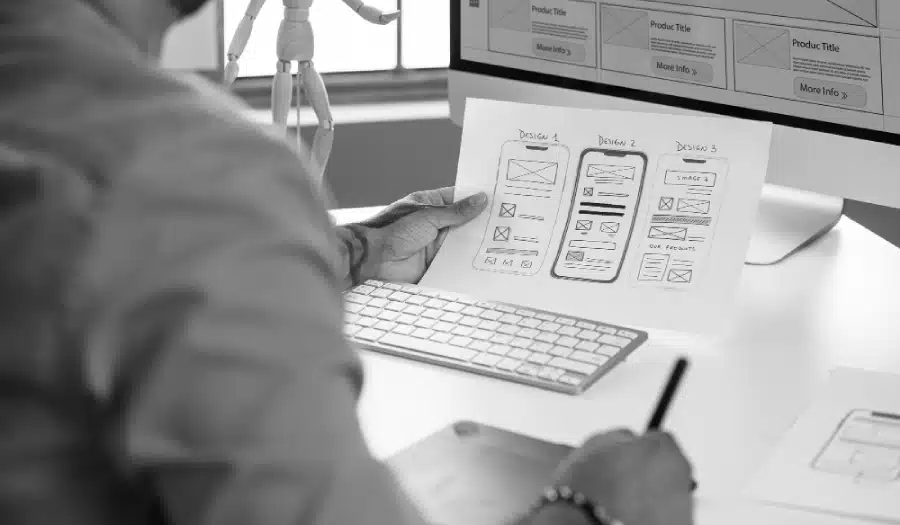
Are you looking for ways to improve your landing page design? Want to convert more of your website traffic into leads and enquiries?
Unbounce share the anatomy of a successful landing page in this infographic.
Here’s a quick summary:
- Your Unique Selling Proposition (USP)
- The hero shot (images / video showing context of use)
- The benefits of your offering
- Social proof
- A single conversion goal
Check out the infographic for more detail.
![Landing Page Design: 5 Essential Elements for a High Converting Website [Infographic]](https://red-website-design.co.uk/wp-content/uploads/Landing-Page-Design-5-Essential-Elements-for-a-High-Converting-Website.jpg)
In the world of digital marketing, your website’s landing page is the frontline of your online presence. It’s the first thing your potential customers see, and it plays a crucial role in converting visitors into paying customers. A well-designed landing page can make all the difference, but what are the essential elements that ensure high conversions? In this blog post, we’ll explore the five key elements that every high-converting landing page should have.
1. A Clear and Compelling Headline
Your landing page’s headline is the first thing visitors will notice, and it’s your chance to grab their attention and convey your message immediately. A clear and compelling headline should tell visitors what your product or service is about and why they should care.
Here are some tips for creating an effective headline:
- Be Clear and Concise: Avoid jargon and keep it simple. Visitors should instantly understand what your offer is about.
- Highlight the Value: Clearly communicate the benefit or value that visitors will get from your product or service.
- Create a Sense of Urgency: Use words like “now” or “today” to encourage immediate action.
- A/B Testing: Don’t be afraid to experiment with different headlines through A/B testing to see which one resonates best with your audience.
For example, if you’re offering a fitness app, a compelling headline could be: “Get Fit Today with Our Easy-to-Use Fitness App!”
2. Engaging Visuals
Humans are visual creatures, and the visual elements on your landing page can significantly impact how visitors perceive your offer. Here are some key visual elements to consider:
- High-Quality Images and Graphics: Use high-resolution images and graphics that are relevant to your product or service. Show your product in action or use images that evoke the desired emotions.
- Videos: Videos are incredibly effective in engaging visitors. A short explainer video can quickly convey your message and benefits.
- Consistent Branding: Ensure that your landing page visuals align with your brand’s visual identity. Consistency helps build trust.
- Whitespace: Don’t overcrowd your landing page with visuals. Use whitespace strategically to make the page easy to read and navigate.
Remember that visuals should enhance your message and not distract from it. The goal is to keep visitors engaged and guide them towards taking the desired action.
3. Compelling Call to Action (CTA)
The call to action is the element that tells visitors what to do next. It’s the pivotal point where you ask them to take a specific action, such as signing up for a newsletter, making a purchase, or downloading a resource. To create a compelling CTA, consider the following:
- Clarity: Make sure your CTA is crystal clear. Use action-oriented words like “buy now,” “subscribe,” or “get started.”
- Contrasting Colors: Your CTA button should stand out on the page. Use a contrasting color that draws attention.
- Placement: Position your CTA where it’s easily noticeable. It’s common to place it above the fold (the portion of the page visible without scrolling).
- Benefit-Oriented: Convey the benefit of clicking the CTA. For instance, “Start Saving Money” instead of just “Sign Up.”
- A/B Testing: Test different CTAs to determine which one generates the best results.
Here’s an example of a compelling CTA: “Unlock Exclusive Savings Now!”
4. Persuasive Copywriting
The written content on your landing page is what provides the necessary information and persuades visitors to take action. Effective copywriting can make a significant difference in conversion rates. Here are some tips for persuasive copy:
- Focus on Benefits: Highlight the benefits of your product or service. Explain how it can solve the visitor’s problem or fulfill their needs.
- Use Persuasive Language: Employ persuasive techniques like storytelling, social proof (customer reviews and testimonials), and scarcity (limited-time offers).
- Keep it Scannable: People tend to scan web pages rather than reading every word. Use subheadings, bullet points, and short paragraphs to make your content easily scannable.
- Address Objections: Anticipate and address potential objections or concerns that visitors may have. This helps build trust.
- Be Honest and Transparent: Avoid using deceptive or misleading language. Be honest about what your offer entails.
Remember that your copy should speak directly to your target audience and resonate with their needs and desires. It should also align with the overall messaging and branding of your business.
5. Trust-Building Elements
Building trust with your visitors is crucial for conversion. People are often hesitant to provide their personal information or make a purchase online, so you need to reassure them that their information is safe and that your product or service is reliable. Here are trust-building elements to consider:
- Customer Testimonials: Showcase testimonials from satisfied customers. Real-world experiences can significantly boost trust.
- Trust Seals: If you have security certifications or partnerships with trusted organizations, display their logos or trust seals on your landing page.
- Privacy Policy: Link to your privacy policy to assure visitors that their information will be handled responsibly.
- Money-Back Guarantee: If applicable, offer a money-back guarantee to reduce the perceived risk for potential customers.
- Social Media Presence: Display social media links or follower counts to demonstrate your active online presence.
- Contact Information: Provide clear contact information, including an email address or phone number, so visitors know how to reach you.
By including these trust-building elements, you create a sense of credibility and reliability that can help overcome the initial skepticism of your visitors.
Conclusion
Creating a high-converting landing page is not an exact science, but by incorporating these five essential elements, you can significantly increase your chances of turning visitors into customers. Remember that successful landing page design is an ongoing process that involves testing and optimization. Pay attention to analytics and feedback to continually refine your landing page and improve its conversion rate. With a clear headline, engaging visuals, a compelling CTA, persuasive copywriting, and trust-building elements, your landing page can become a powerful tool in your digital marketing arsenal, driving more leads and sales for your business.

Author:
Mark Ford

Mastering the Art of the Landing Page: Design, Copy, and Conversion in Harmony
Are you trying to design a landing page that not only looks great but actually converts visitors into customers? Want to learn how to balance design, copy, and strategy to create landing pages that work in perfect harmony? […]