Are you struggling to get your website onto the first page of Google? Are you looking for ways to improve your ranking and generate more traffic?
SEO is the process of getting your site ranked higher on Google, but if you do your research you’ll find SEO done the right way doesn’t come cheap. If you’re on a budget and need to keep costs down take some time to establish what you are able to do yourself.
For some guidance take a look at these six tips from Rapid Advance.
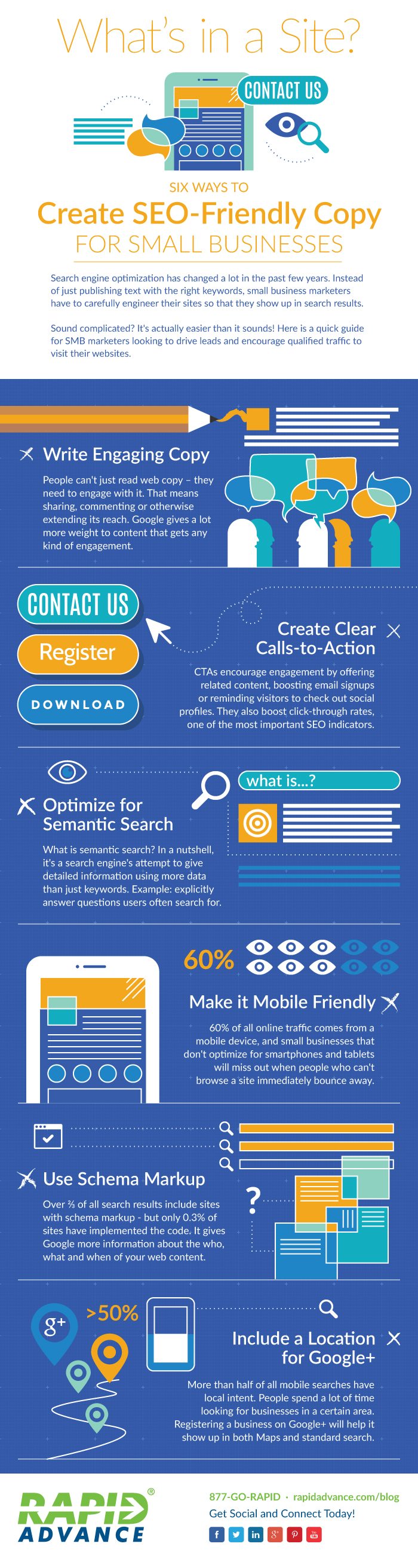
In the digital age, having a strong online presence is crucial for businesses and individuals alike. One of the primary ways people discover information, products, and services on the internet is through search engines, with Google being the dominant player. If you’re not showing up on Google’s search results, you’re missing out on a significant opportunity to reach your target audience.
Fortunately, there are strategies and techniques you can employ to improve your ranking on Google. In this blog post, we’ll explore six effective ways to enhance your visibility and get found on Google’s search engine results pages (SERPs).
- Optimize Your Website for SEO
Search Engine Optimization (SEO) is the foundation of improving your Google ranking. It involves making various adjustments to your website to make it more search engine-friendly. Here are some essential SEO techniques:
a. Keyword Research: Start by identifying the keywords and phrases your target audience is likely to use when searching for information related to your content, products, or services. There are several tools, like Google Keyword Planner and Ahrefs, that can help you find relevant keywords.
b. On-Page SEO: Once you have your keywords, incorporate them naturally into your website’s content, including titles, headings, body text, and meta descriptions. Ensure that your content is high-quality, informative, and valuable to your audience.
c. Mobile Optimization: With the increasing use of mobile devices, it’s crucial to have a responsive website design that looks and functions well on smartphones and tablets. Google rewards mobile-friendly sites with higher rankings.
d. Page Speed: Google considers page speed as a ranking factor. Use tools like Google PageSpeed Insights to analyze and optimize your website’s loading times. Compress images, leverage browser caching, and minimize code to improve your site’s performance.
e. Secure Your Website: Google gives preference to secure websites with HTTPS. Get an SSL certificate for your site to encrypt data and boost user trust.
f. Create High-Quality Backlinks: Backlinks, or links from other reputable websites to yours, can significantly impact your ranking. Focus on creating valuable, shareable content that other websites will want to link to. You can also reach out to relevant websites for guest posting opportunities.
- Publish High-Quality, Relevant Content Regularly
Content is king in the digital world, and regularly publishing high-quality, relevant content is essential for improving your Google ranking. Google rewards fresh and valuable content that provides answers to users’ queries. Here’s how to make your content work for you:
a. Blogging: Maintain a blog on your website and publish informative, engaging articles that address your audience’s pain points and interests. Use your keyword research to guide your content creation.
b. Content Variety: Diversify your content by incorporating text, images, videos, infographics, and other multimedia elements. Different people prefer different formats, and offering variety can help you reach a broader audience.
c. Quality Over Quantity: While consistency is crucial, don’t sacrifice quality for the sake of quantity. A single well-researched, comprehensive article can often outperform several mediocre ones.
d. Long-Form Content: Longer articles (typically over 1,000 words) tend to perform better on Google. They provide more in-depth information and answer users’ questions thoroughly.
e. User Intent: Understand user intent behind search queries and tailor your content to meet those intentions. Whether it’s informational, transactional, or navigational, align your content with the user’s goal.
- Utilize Local SEO Strategies
If you run a local business, optimizing for local search is vital. Local SEO helps you get found by people in your geographical area. Here are some local SEO strategies to consider:
a. Google My Business (GMB): Claim and optimize your GMB listing. Provide accurate business information, including your address, phone number, website, and hours of operation. Encourage customer reviews and respond to them.
b. Local Keywords: Incorporate location-specific keywords into your content and meta descriptions. For example, if you’re a bakery in New York, use keywords like “New York bakery” or “best bakery in NYC.”
c. NAP Citations: Ensure that your business’s Name, Address, and Phone Number (NAP) are consistent across all online directories and listings. Inaccurate information can confuse both users and search engines.
d. Local Link Building: Build relationships with local businesses and organizations for link-building opportunities. For example, you can sponsor local events, collaborate on content, or participate in community initiatives.
e. Geo-Targeted Content: Create content that speaks to local interests and issues. This can help you connect with your local audience and improve your ranking for location-specific searches.
- Improve User Experience (UX)
Google places a high emphasis on user experience when determining rankings. A positive UX keeps visitors on your site longer and encourages them to engage with your content. Here’s how to enhance UX:
a. Mobile-Friendly Design: As mentioned earlier, ensure your website is mobile-responsive. A seamless mobile experience is critical as more users access the internet via smartphones.
b. Clear Navigation: Make it easy for visitors to find what they’re looking for on your site. Use clear menus and organized categories to guide them through your content.
c. Page Layout: Create visually appealing pages with a clean and organized layout. Use headings, bullet points, and white space to improve readability.
d. Fast Loading Times: Users expect websites to load quickly. Compress images, reduce server response times, and minimize HTTP requests to improve page speed.
e. Reduce Bounce Rate: Encourage visitors to explore more of your site by providing related content and internal links. A lower bounce rate can signal to Google that your content is relevant and engaging.
f. Secure and Trustworthy: Build trust with your audience by ensuring that your website is secure and free from malware. Display trust badges and privacy policies to reassure visitors.
- Social Media Engagement
While Social Media Engagement doesn’t directly affect your Google ranking, it can indirectly influence it. Social signals, such as likes, shares, and comments, can drive traffic to your website and increase its visibility. Here’s how to leverage social media for improved rankings:
a. Share Content: Promote your blog posts and website content on your social media profiles. Engage with your audience and encourage them to share your content with their networks.
b. Build a Following: Grow your social media following by posting consistently and engaging with your audience. A larger following can lead to more social signals and increased website traffic.
c. Use Hashtags: Incorporate relevant hashtags in your social media posts to expand your reach and increase discoverability.
d. Monitor Analytics: Track social media analytics to identify which posts and content types resonate most with your audience. Use this data to refine your social media strategy.
e. Collaborate and Cross-Promote: Partner with influencers or complementary businesses in your industry for cross-promotion. Their endorsement can introduce your brand to a wider audience.
- Monitor and Adapt
The digital landscape is constantly evolving, and Google’s algorithms are regularly updated. To maintain and improve your Google ranking, it’s essential to monitor your performance and adapt your strategies as needed. Here’s how to stay on top of your SEO efforts:
a. Analytics: Use tools like Google Analytics and Google Search Console to track your website’s performance, including traffic, click-through rates, and keyword rankings.
b. Algorithm Updates: Stay informed about Google’s algorithm updates and their potential impact on your website. Websites that don’t align with Google’s guidelines may see a drop in rankings.
c. Competitor Analysis: Keep an eye on your competitors and their SEO strategies. Identify what’s working for them and look for opportunities to differentiate yourself.
d. A/B Testing: Experiment with different SEO tactics, content formats, and website changes to see what resonates best with your audience. A/B testing can help you optimize your strategies.
Conclusion
Improving your Google ranking is an ongoing process that requires dedication and strategy. By optimizing your website for SEO, publishing high-quality content, utilizing local SEO, enhancing user experience, engaging with social media, and continuously monitoring and adapting your efforts, you can significantly increase your visibility on Google’s search engine results pages. Remember that SEO is a long-term investment, and results may not be immediate, but with persistence, your efforts will pay off in the form of increased organic traffic and improved online visibility.

Author:
Mark Ford