
Are you a complete technophobe who struggles to see what social media sites are actually for? You’re probably the type that still uses a fax and post it notes to get them through the day?
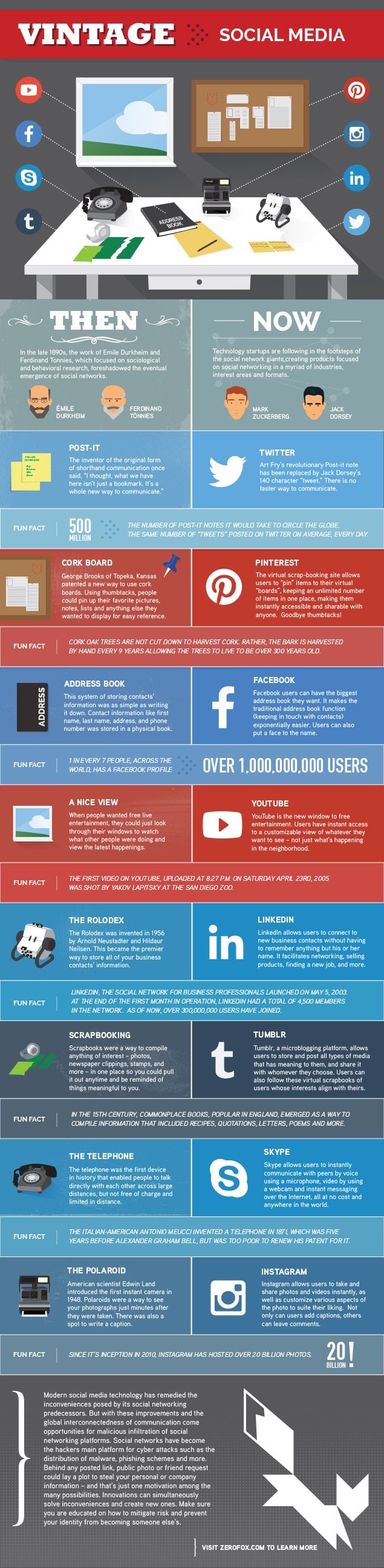
We speak to a large number of self-confessed technophobes here at RWD so one of the main challenges we face is explaining the technology in our industry without jargon. When we saw this infographic from Zerofox we couldn’t believe our luck.
It compares social networks to the things you technophobes know and love from yesteryear, take a look and see if it helps bring you up to scratch.
In today’s digital age, social networking has become an integral part of our daily lives. Whether it’s connecting with friends and family, staying updated on current events, or promoting businesses and personal brands, social media platforms have evolved into powerful tools that serve a wide range of purposes. However, with so many social networks available, it can be overwhelming to keep track of what each one does and how they differ from each other. This comprehensive guide will help you navigate the social media landscape and understand the unique features and purposes of some of the most popular social networks.
1. Facebook: Connecting with Friends and Family
Founded: 2004
Active Users (as of 2021): 2.8 billion
Key Features:
- Profile: Create a personal profile with photos, posts, and updates.
- Friendship: Connect with friends, family, and acquaintances.
- News Feed: View and share posts, photos, videos, and links.
- Groups: Join or create communities based on common interests.
- Messenger: Chat with friends in real-time.
- Events: Discover and create events for gatherings.
Purpose: Facebook is primarily a platform for connecting with friends and family, sharing life updates, and staying informed about their activities and interests. It’s also a space for joining groups related to hobbies, interests, or causes you’re passionate about.
2. Twitter: Real-Time Updates and News
Founded: 2006
Active Users (as of 2021): 330 million
Key Features:
- Tweets: Share short, 280-character messages in real-time.
- Follow: Stay updated on the tweets of other users by following them.
- Retweets: Share others’ tweets with your followers.
- Hashtags: Organize and search for topics and trends.
- Lists: Create curated lists of users to follow.
- Moments: Discover top stories and trending topics.
Purpose: Twitter is known for its rapid and real-time nature. It’s a platform for sharing thoughts, news, and updates in concise messages. It’s also a valuable tool for staying informed about current events and trends.
3. Instagram: Visual Storytelling
Founded: 2010
Active Users (as of 2021): 1.2 billion
Key Features:
- Photos and Videos: Share visually appealing content.
- Stories: Post temporary updates that disappear after 24 hours.
- IGTV: Share longer-form video content.
- Explore: Discover new content based on interests.
- Reels: Create and share short video clips.
- Direct Messaging: Send private messages to other users.
Purpose: Instagram is all about visual storytelling. It’s a platform for sharing photos and videos that reflect your life, interests, and creativity. Stories and Reels offer more casual and interactive ways to engage with your audience.
4. LinkedIn: Professional Networking
Founded: 2002
Active Users (as of 2021): 774 million
Key Features:
- Profile: Create a professional resume-like profile.
- Connections: Connect with colleagues, peers, and professionals.
- News Feed: Share industry-related updates and articles.
- Groups: Join professional groups for networking.
- Job Listings: Search and apply for job opportunities.
- InMail: Send messages to other LinkedIn users.
Purpose: LinkedIn is designed for professional networking, job searching, and industry-specific discussions. It’s a place to build and maintain your professional online presence.
5. YouTube: Video Content Sharing
Founded: 2005
Active Users (as of 2021): 2 billion
Key Features:
- Video Uploads: Share and discover a wide range of videos.
- Subscriptions: Follow your favorite content creators.
- Live Streaming: Broadcast live videos to your audience.
- Playlists: Organize and curate videos into collections.
- Comments: Interact with creators and viewers through comments.
- Monetization: Earn money through ads and sponsorships.
Purpose: YouTube is the go-to platform for sharing and discovering video content. It’s used by individuals, businesses, and creators to showcase their talents, share knowledge, and entertain audiences.
6. Pinterest: Visual Inspiration and Discovery
Founded: 2010
Active Users (as of 2021): 459 million
Key Features:
- Pins: Save and organize images and ideas.
- Boards: Create themed collections of pins.
- Search: Discover inspiration on various topics.
- Follow: Keep up with others’ pins and boards.
- Shopping: Explore and purchase products.
- Ideas: Find DIY, recipes, and lifestyle ideas.
Purpose: Pinterest is a platform for collecting and sharing visual inspiration. It’s popular for planning events, home decor, fashion, and creative projects.
7. Snapchat: Ephemeral Content
Founded: 2011
Active Users (as of 2021): 530 million
Key Features:
- Snaps: Send photos and videos that disappear after viewing.
- Stories: Share temporary collections of snaps.
- Chat: Have real-time conversations with friends.
- Discover: Explore content from publishers and creators.
- Filters and Lenses: Add fun and creative effects to snaps.
- Memories: Save and revisit favorite snaps.
Purpose: Snapchat is known for its ephemeral nature. It’s a platform for sharing moments that are meant to be temporary and for having fun with creative features.
8. TikTok: Short-Form Video Entertainment
Founded: 2016
Active Users (as of 2021): 689 million
Key Features:
- 15 to 60-Second Videos: Create and share short videos.
- Soundtracks: Add music to your videos.
- Trends: Participate in popular video challenges.
- Duet and Stitch: Collaborate with other users.
- For You Page (FYP): Discover personalized content.
- Live Streaming: Interact with your audience in real-time.
Purpose: TikTok is all about short-form video entertainment and creativity. It’s a platform for expressing yourself, discovering trends, and connecting with a global audience.
9. Reddit: Community-Driven Discussions
Founded: 2005
Active Users (as of 2021): 430 million
Key Features:
- Subreddits: Join and participate in topic-specific communities.
- Posts: Share links, text, and media for discussions.
- Upvotes and Downvotes: Upvote or downvote content to determine its visibility.
- Comments: Engage in conversations with other users.
- AMAs: Ask Me Anything sessions with notable individuals.
- Moderation: Each subreddit has its own set of rules and moderators.
Purpose: Reddit is a platform for community-driven discussions and information sharing. It covers a vast range of topics, from news and hobbies to niche interests.
10. WhatsApp: Private Messaging
Founded: 2009
Active Users (as of 2021): 2 billion
Key Features:
- Messaging: Send text, voice, and video messages.
- Voice and Video Calls: Make calls to contacts.
- Groups: Create and participate in group chats.
- Status Updates: Share short-lived updates with contacts.
- End-to-End Encryption: Ensures privacy in messages.
Purpose: WhatsApp is a secure and private messaging platform used for one-on-one and group conversations, making it easy to stay in touch with friends and family.
11. Tumblr: Blogging and Microblogging
Founded: 2007
Active Users (as of 2021): 512 million
Key Features:
- Blogs: Create and customize your own blog.
- Posts: Share text, images, videos, and more.
- Reblogging: Share and comment on other users’ posts.
- Tags: Organize and discover content by topic.
- Customization: Personalize your blog’s appearance.
- Community: Engage with like-minded users.
Purpose: Tumblr is a platform for creative expression through blogging and microblogging. It’s known for its diverse and artistic community.
12. Clubhouse: Audio-Only Conversations
Founded: 2020
Active Users (as of 2021): 10 million
Key Features:
- Rooms: Join or host audio chat rooms.
- Topics: Discuss various subjects with others.
- Follow: Keep up with users and rooms of interest.
- Speakers: Listen to or participate in live discussions.
- Clubs: Join and engage in club-related discussions.
- Invite-Only: Requires an invitation to join.
Purpose: Clubhouse is an audio-only platform for hosting and participating in discussions on a wide range of topics. It’s known for its exclusivity and live conversations.
Conclusion
With a multitude of social media platforms available, each serves its own unique purpose and audience. Whether you’re looking to connect with friends and family, share your creative work, stay informed about current events, or build a professional network, there’s a social network tailored to your needs. Understanding the key features and purposes of these platforms can help you make the most of your social media experience and choose the ones that align with your goals and interests. So go ahead, explore, connect, and share your story on the social networks that best suit you.

Author:
Mark Ford