Is your company website mobile friendly? Did you know Google is launching a mobile friendly update which could affect your SEO?
Google wants more people to use their search platform, and the only way to do that is to provide users with a list websites that work. With a high percentage of visitors ditching a site that isn’t optimised for mobile, Google now sees mobile friendliness as a factor that should be considered when ranking a site.
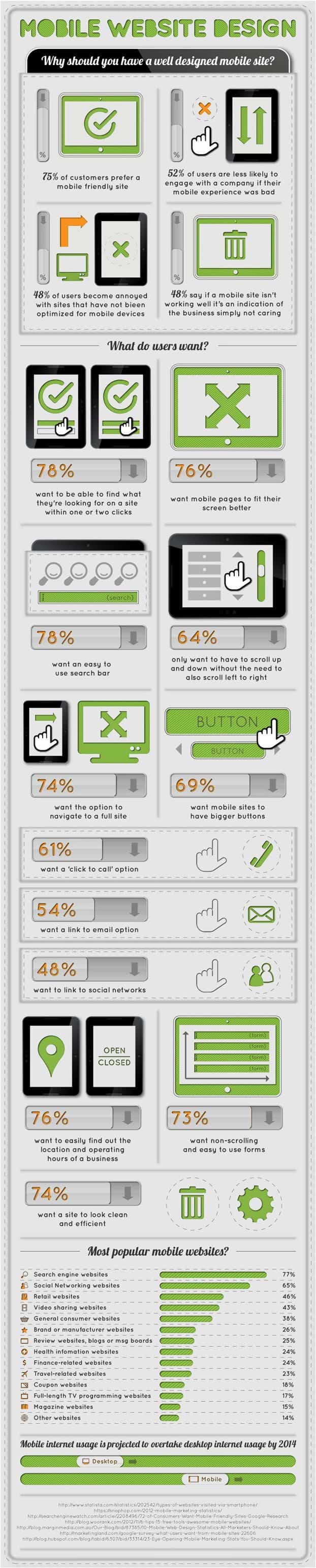
If that doesn’t convince you to go mobile, perhaps the stats in the infographic below will.
In the ever-evolving landscape of the internet, staying ahead of the curve is essential for businesses and website owners. Google, as the leading search engine, constantly updates its algorithms to provide users with the best possible experience. One of the most significant changes in recent years has been the emphasis on mobile-friendliness. If you haven’t already made your website mobile-friendly, you’re at risk of falling behind in search rankings and losing potential visitors. In this blog post, we’ll explore 15+ compelling reasons why you must go mobile now to prepare for Google’s next update.
- Google’s Mobile-First Indexing
Google has adopted a mobile-first indexing approach, which means it primarily uses the mobile version of the content for ranking and indexing. If your website isn’t optimized for mobile devices, you risk losing out on crucial search engine visibility.
- Enhanced User Experience
Mobile-friendly websites provide a better user experience for visitors accessing your site from smartphones and tablets. This can lead to longer page visits, lower bounce rates, and increased engagement, all of which are factors that Google considers in its ranking algorithm.
- Mobile Traffic Dominance
Mobile internet usage has consistently grown over the years and now surpasses desktop usage. If your website isn’t mobile-friendly, you could be missing out on a significant portion of potential visitors.
- Google’s Mobile Speed Update
Google has made page speed a critical ranking factor for mobile searches. Mobile users expect fast-loading websites, and if your site is slow, it can negatively impact your rankings.
- Reduced Bounce Rates
A mobile-optimized website can help reduce bounce rates. When users have a positive mobile experience on your site, they’re more likely to explore multiple pages and stay longer.
- Competitive Advantage
Many of your competitors are likely already optimizing their websites for mobile. By doing the same, you can maintain a competitive edge and potentially capture market share.
- Voice Search Compatibility
With the rise of voice-activated devices like Siri and Google Assistant, optimizing your website for mobile makes it more compatible with voice search queries, which are becoming increasingly popular.
- Improved Social Sharing
Mobile-friendly websites are more shareable on social media platforms. When users find content they like on their mobile devices, they’re more likely to share it with their followers.
- Google’s Mobile Usability Ranking Factor
Google uses mobile usability as one of its ranking factors. A mobile-friendly website can improve your chances of ranking higher in search results.
- Mobile-Responsive Design
A responsive website design adapts to different screen sizes and resolutions, ensuring a consistent and optimal user experience on all devices. This is a key element of mobile optimization.
- Avoid Google Penalties
Google penalizes websites that use intrusive interstitials or pop-ups that disrupt the mobile user experience. By going mobile-friendly, you can avoid these penalties.
- Improved Local Search Ranking
For businesses with physical locations, mobile optimization is crucial for local SEO. Mobile users frequently search for nearby businesses, and a mobile-friendly site can help you appear in local search results.
- Enhanced Mobile Commerce
If you run an e-commerce website, mobile optimization is essential. Mobile users are increasingly making purchases on their devices, and a smooth shopping experience can boost your sales.
- Cross-Device Consistency
Having a mobile-friendly website ensures a consistent brand experience across all devices, reinforcing your brand’s identity and credibility.
- Mobile-First Advertising
With the growth of mobile usage, advertising platforms like Google Ads and Facebook Ads have shifted their focus to mobile-first campaigns. A mobile-optimized website is essential for successful ad campaigns.
- Improved SEO Ranking Factors
Mobile optimization can positively affect other SEO ranking factors, such as mobile-friendly content, structured data, and local SEO, all of which contribute to better search rankings.
- Future-Proofing Your Website
As technology continues to advance, mobile optimization will become even more critical. By investing in mobile now, you’re future-proofing your website against evolving digital trends.
Conclusion
In a world where mobile devices have become ubiquitous, and Google continues to prioritize mobile-friendliness in its algorithms, there’s no room for complacency. If you’re not already mobile-optimized, it’s time to take action. Going mobile is not just about adapting to Google’s updates; it’s about providing a better user experience, staying competitive, and future-proofing your online presence. Don’t wait for the next Google update to roll out—make your website mobile-friendly now and reap the numerous benefits it brings to your business or website. Your users, your rankings, and your bottom line will thank you.

Author:
Mark Ford