Do you want to generate more website traffic from Google? Want to know how to craft meta-descriptions that encourage people to click through to your site?
In today’s digital age, having a strong online presence is crucial for businesses and individuals alike. One of the most effective ways to increase your visibility on the internet is through search engine optimization (SEO). SEO is the process of optimizing your website so that it ranks higher in search engine results pages (SERPs), ultimately driving more organic traffic to your site.
If you’re new to the world of SEO, it can seem overwhelming at first. However, with the right guidance and a solid plan, you can start seeing results relatively quickly. In this blog post, we will explore five simple steps that beginners can take to improve their SEO and get more traffic from Google.
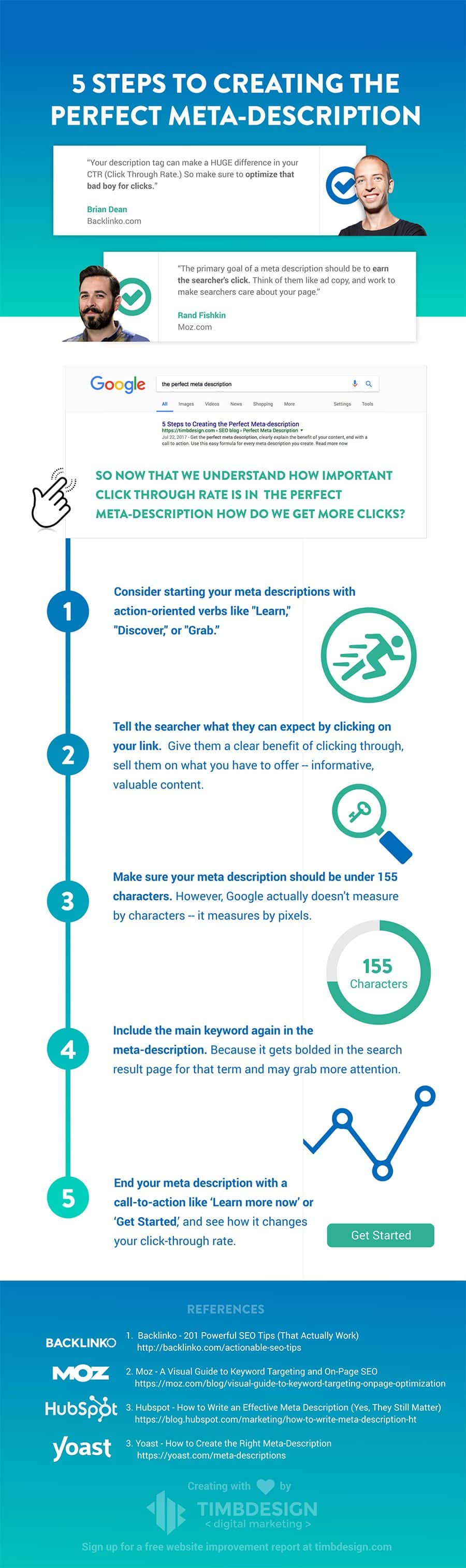
Tim B Design share their Google optimisation tips in this infographic.
1. Keyword Research: The Foundation of SEO
Keyword research is the cornerstone of any successful SEO strategy. Keywords are the words and phrases that people enter into search engines like Google when looking for information, products, or services. By identifying and targeting the right keywords, you can increase your chances of ranking higher in search results and attracting relevant traffic to your website.
How to Conduct Keyword Research
- Brainstorm Relevant Keywords: Start by brainstorming a list of keywords that are relevant to your website or content. Put yourself in the shoes of your target audience and think about the terms they might use to find information related to your niche.
- Use Keyword Research Tools: There are various keyword research tools available that can help you identify relevant keywords and assess their search volume and competition. Some popular tools include Google Keyword Planner, SEMrush, and Ahrefs.
- Analyze Competitors: Look at what keywords your competitors are targeting. This can give you valuable insights into the keywords that are driving traffic to their websites.
- Long-Tail Keywords: Don’t just focus on short, generic keywords. Long-tail keywords, which are longer and more specific phrases, often have less competition and can be easier to rank for. They also tend to attract more qualified leads.
- Consider User Intent: Think about the intent behind the keywords. Are people searching for information, looking to make a purchase, or seeking a specific solution? Tailor your content to match the user’s intent.
- Create a Keyword List: After conducting research, create a list of target keywords that you can use to optimize your website’s content.
Once you have a list of target keywords, it’s time to incorporate them into your content strategically.
2. On-Page SEO: Optimizing Your Content
On-page SEO refers to the optimization of individual web pages to improve their search engine rankings. This involves making changes to your content and HTML source code. Here are some key on-page SEO factors to consider:
Content Optimization
- Keyword Placement: Place your target keywords strategically within your content. Include them in the title, headings, and throughout the body of the text. However, avoid keyword stuffing, as it can lead to penalties from search engines.
- Quality Content: Ensure that your content is informative, valuable, and relevant to your audience. High-quality content is more likely to rank well and attract organic backlinks.
- Optimize Images: Use descriptive alt tags for images to make them search engine-friendly. This can improve accessibility and help with image search rankings.
Technical SEO
- Page Speed: Google considers page speed as a ranking factor. Optimize your website’s loading times by compressing images, using efficient coding practices, and utilizing content delivery networks (CDNs).
- Mobile Friendliness: Ensure that your website is mobile-responsive. With the increasing use of mobile devices, Google prioritizes mobile-friendly websites in its rankings.
- URL Structure: Create user-friendly URLs that include relevant keywords and are easy to read. Avoid long, convoluted URLs with unnecessary parameters.
- Meta Tags: Write compelling meta titles and descriptions that include your target keywords. These tags provide a brief summary of your page in search results and can influence click-through rates.
- Internal Linking: Link to other relevant pages within your website. This not only helps users navigate your site but also distributes link equity and strengthens your site’s overall SEO.
3. Off-Page SEO: Building Backlinks
Off-page SEO focuses on improving your website’s authority and reputation on the internet. A significant part of off-page SEO is building high-quality backlinks, which are links from other websites to yours. Google views backlinks as a vote of confidence in your content, and websites with more authoritative backlinks tend to rank higher.
How to Build Backlinks
- Create Outstanding Content: The best way to earn natural backlinks is by creating exceptional content that people want to share and reference. This can include informative blog posts, in-depth guides, infographics, and videos.
- Guest Blogging: Write guest posts for reputable websites in your niche. In return, you can often include a link back to your site in your author bio or within the content itself.
- Outreach and Relationship Building: Reach out to other website owners, bloggers, and influencers in your industry. Build relationships and ask if they would be interested in linking to your content.
- Social Media Promotion: Share your content on social media platforms to increase its visibility. While social signals themselves may not be a direct ranking factor, they can help attract attention and potential backlinks.
- Directory Listings: Submit your website to relevant online directories and industry-specific listings. Ensure that your business information is consistent across all listings.
- Monitor Backlinks: Regularly monitor your backlink profile to identify and disavow any spammy or low-quality links that could harm your SEO efforts.
Remember that the quality of backlinks matters more than quantity. A few high-quality, relevant backlinks can have a more significant impact on your SEO than numerous low-quality ones.
4. User Experience (UX) Matters
User experience (UX) is becoming increasingly important in SEO. Google’s algorithms consider factors like bounce rate, time on page, and click-through rate when ranking websites. Here are some UX-related considerations for SEO:
- Mobile Optimization: As mentioned earlier, ensure that your website is mobile-friendly. Google’s mobile-first indexing means that the mobile version of your site is what matters most for ranking.
- Page Speed: Faster-loading pages lead to better user experiences. Optimize your website for speed by compressing images, using efficient coding, and minimizing server response times.
- Navigation: Make sure your website’s navigation is intuitive and user-friendly. Visitors should be able to find the information they’re looking for without difficulty.
- Content Readability: Use clear and concise language in your content. Break up long paragraphs with headings and subheadings, and use bullet points and numbered lists when appropriate.
- Reduce Intrusive Interstitials: Avoid pop-ups and interstitials that disrupt the user experience. Google may penalize sites with intrusive interstitials, especially on mobile devices.
- Optimize for Featured Snippets: Featured snippets are the brief answers that appear at the top of some search results. Structured and well-organized content has a better chance of being featured.
- Schema Markup: Implement schema markup on your website to provide search engines with additional information about your content. This can enhance the display of your pages in search results.
By focusing on user experience, you not only improve your SEO but also create a better online environment for your visitors, which can lead to increased engagement and conversions.
5. Regular Monitoring and Adaptation
SEO is an ongoing process that requires continuous monitoring and adaptation. Search engines regularly update their algorithms, and your competitors may change their strategies. To stay ahead in the SEO game, follow these steps:
- Monitor Your Rankings: Use SEO tools to track your keyword rankings regularly. If you notice a decline, investigate the possible reasons and take corrective actions.
- Analyze Website Traffic: Pay attention to your website’s traffic patterns. Analyze which pages are performing well and which need improvement. Tools like Google Analytics can provide valuable insights.
- Stay Informed: Keep up to date with the latest developments in SEO by reading industry blogs, attending webinars, and following SEO experts on social media.
- Adapt and Experiment: Be willing to adapt your SEO strategy based on changing trends and algorithm updates. Experiment with new approaches to see what works best for your website.
- Content Updates: Regularly update and refresh your existing content to ensure it remains relevant and valuable to your audience.
- Link Building: Continue to build high-quality backlinks to strengthen your website’s authority over time.
- Local SEO: If you have a local business, invest in local SEO efforts, such as optimizing your Google My Business listing and encouraging customer reviews.
Remember that SEO is not a one-size-fits-all solution. What works for one website may not work for another. It’s essential to tailor your strategy to your specific goals, audience, and industry.
Conclusion
SEO is a powerful tool for increasing your website’s visibility and attracting organic traffic from Google. While it may seem daunting at first, especially for beginners, following these five simple steps can set you on the path to SEO success:
- Keyword Research: Identify relevant keywords to target in your content.
- On-Page SEO: Optimize your content and website for search engines.
- Off-Page SEO: Build high-quality backlinks to improve your website’s authority.
- User Experience (UX): Enhance the user experience on your website for better SEO performance.
- Regular Monitoring and Adaptation: Continuously monitor your SEO efforts and adapt to changes in the digital landscape.
By implementing these strategies and staying committed to improving your website’s SEO, you can drive more organic traffic, reach a broader audience, and ultimately achieve your online goals. Remember that SEO is a long-term investment, and patience and persistence are key to success in this ever-evolving field.

Author:
Mark Ford