
In today’s digital age, social media platforms like Twitter and Facebook have become integral parts of our lives.
Whether you’re an individual looking to connect with friends and family or a business trying to reach a wider audience, understanding the basics of what, when, and how to post on these platforms can make a significant difference in your online presence and engagement.
In this blog post, we’ll explore the fundamentals of effective posting on Twitter and Facebook to help you make the most of these powerful tools.
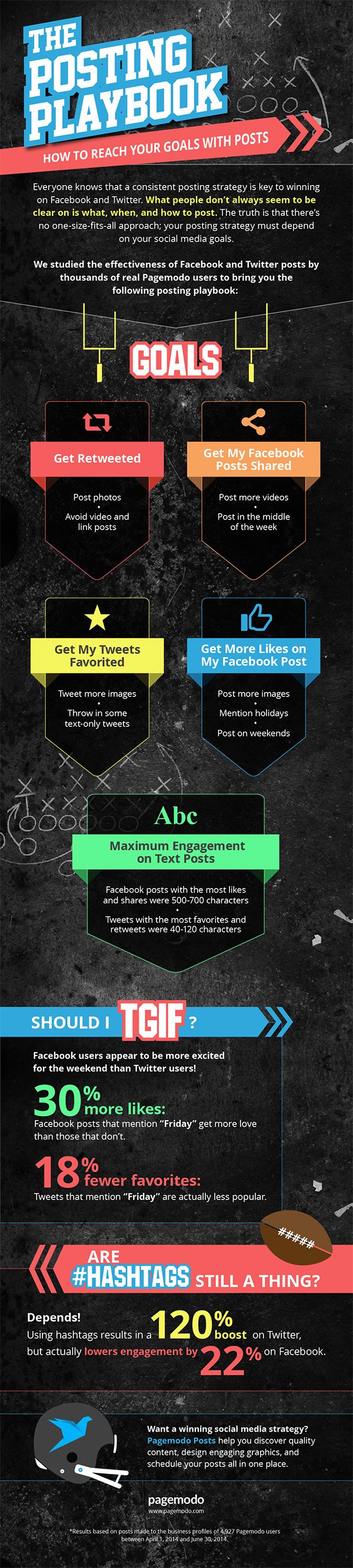
Infographic by Pagemodo.
Part 1: The Basics of Twitter
What to Post on Twitter
Twitter is a microblogging platform known for its brevity and real-time nature. When deciding what to post on Twitter, keep these principles in mind:
- Concise Updates: Twitter limits your posts to 280 characters, so make your message clear and concise. Share bite-sized updates, news, or thoughts.
- Engaging Content: Post content that encourages interaction. Ask questions, run polls, or share thought-provoking content to spark conversations.
- Visuals Matter: Although Twitter is text-centric, including images, GIFs, and videos in your tweets can increase engagement. Tweets with visuals tend to stand out in users’ feeds.
- Hashtags: Use relevant hashtags to increase the discoverability of your tweets. But don’t overdo it; 2-3 well-chosen hashtags per tweet are usually sufficient.
- Retweets and Replies: Engage with others by retweeting interesting content and responding to comments. Building relationships is essential on Twitter.
When to Post on Twitter
Timing is crucial when it comes to Twitter. You want to ensure your tweets reach your target audience when they’re most active. Here are some tips:
- Know Your Audience: Understand your audience’s habits and time zones. Tools like Twitter Analytics can provide insights into when your followers are most active.
- Experiment: Test different posting times to see when you get the most engagement. Peak activity times can vary by industry and region.
- Avoid Crowded Times: Posting during Twitter’s busiest hours may lead to your tweets getting lost in the noise. Try to find the sweet spot when there’s less competition for attention.
- Consistency: Regularly post to maintain visibility. Create a content calendar to help you stay on track.
How to Post on Twitter
Posting on Twitter is straightforward, but there are some nuances to keep in mind:
- Compose a Tweet: Click on the “Tweet” button, and a text box will appear. Write your message, add media if desired, and use hashtags where appropriate.
- Tag Others: To mention someone in your tweet, use the “@” symbol followed by their username. This notifies them and increases the chances of engagement.
- Schedule Posts: You can use social media management tools like Hootsuite or Buffer to schedule tweets in advance, ensuring a consistent posting schedule.
- Engage with Replies: When people comment on your tweets or mention you, respond promptly. Engaging with your audience builds a sense of community.
Part 2: The Basics of Facebook
What to Post on Facebook
Facebook is a more versatile platform compared to Twitter, allowing for longer posts, various media types, and different posting options. Here’s what to consider when posting on Facebook:
- Varied Content: Mix up your content. Share text updates, photos, videos, and links to keep your audience engaged.
- Storytelling: Facebook is an excellent platform for storytelling. Share personal anecdotes, behind-the-scenes glimpses, or customer success stories to connect with your audience emotionally.
- Calls to Action (CTAs): Encourage your audience to take action. Whether it’s liking, sharing, commenting, or visiting your website, include clear CTAs in your posts.
- Event Promotion: If you’re hosting an event or webinar, Facebook is a great place to promote it. Create event pages, share updates, and invite your followers.
- Facebook Groups: Consider creating or participating in Facebook Groups related to your niche or interests. They can be a valuable source of engagement and connection.
When to Post on Facebook
Understanding the best times to post on Facebook can significantly impact your reach and engagement. Here’s how to optimize your posting schedule:
- Peak Usage Hours: Research suggests that the best times to post on Facebook are typically mid-morning and early afternoon during weekdays. However, it can vary depending on your audience.
- Experiment with Timing: Similar to Twitter, it’s essential to experiment with posting times to find what works best for your specific audience.
- Avoid Over-Posting: Unlike Twitter, you don’t want to overwhelm your Facebook audience with too many posts in a short time. Stick to a manageable posting frequency.
- Weekend Posting: Don’t forget about weekends. Many people spend more time on Facebook during their leisure time on Saturdays and Sundays.
How to Post on Facebook
Posting on Facebook is user-friendly, but here are some steps to follow:
- Create a Post: On your Facebook Page or profile, click on the “Create Post” box. You can choose to write a text post, add photos or videos, or create an event or poll.
- Tag People and Pages: Similar to Twitter, you can mention individuals or other Pages by typing “@” followed by their name or Page title.
- Choose Audience: You can select who can see your post. Options include “Public,” “Friends,” “Only Me,” or custom audience settings.
- Boost Post: If you want to increase the reach of your post, you can use Facebook’s advertising tools to boost it to a broader audience.
- Engagement Monitoring: Keep an eye on the engagement your posts receive. Respond to comments and messages promptly to foster a sense of community.
Part 3: Cross-Platform Posting Strategies
While Twitter and Facebook have their unique characteristics, there are some strategies that work well on both platforms:
1. Storytelling
Storytelling is a powerful way to connect with your audience on both Twitter and Facebook. Share personal anecdotes, success stories, or customer testimonials to create a deeper emotional connection.
2. Visual Content
Visual content, such as images and videos, performs exceptionally well on both platforms. Use eye-catching visuals to grab your audience’s attention and convey your message effectively.
3. Consistency
Consistency is key on social media. Whether you’re posting on Twitter or Facebook, maintain a regular posting schedule to keep your audience engaged and informed.
4. Hashtags
While hashtags are more commonly associated with Twitter, they can also be effective on Facebook. Use relevant hashtags to increase the discoverability of your posts on both platforms.
5. Engagement
Engagement is vital on social media. Respond to comments, mentions, and messages promptly on both Twitter and Facebook to build a loyal and engaged following.
Conclusion
Mastering the basics of what, when, and how to post on Twitter and Facebook can significantly enhance your online presence and engagement. Remember that both platforms have their unique characteristics and best practices, so tailor your approach accordingly. Experiment, learn from your analytics, and adapt your strategy to continually improve your social media presence. Whether you’re an individual or a business, these platforms offer valuable opportunities to connect with your audience and share your message with the world.

Author:
Mark Ford