
Does it feel like your social media posts aren’t getting noticed? Could you be posting at the wrong time?
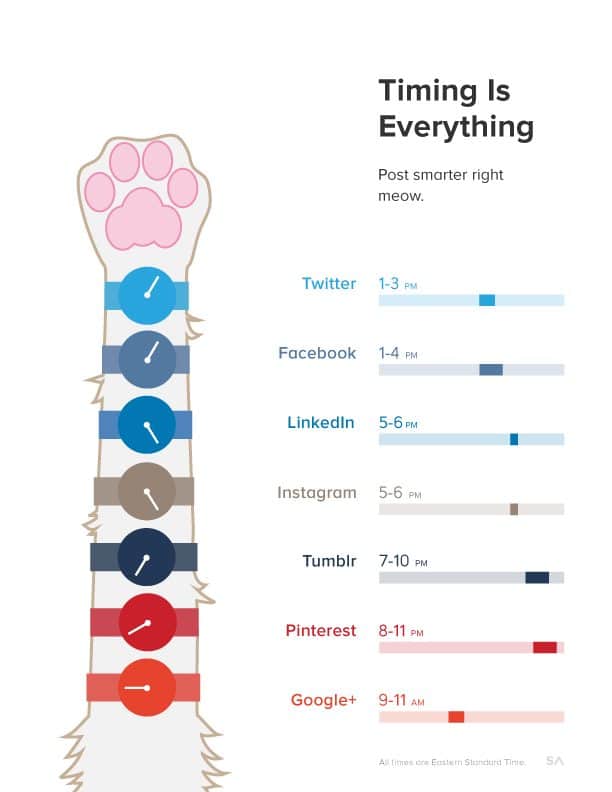
Unless you have someone in place to schedule posts throughout the day you’ll need to find the best times to post. Different types of posts will perform differently across different industries and networks but there are still certain times that generally are better than others.
The guys at Sumall have put together their best times for each social network below.
In today’s digital age, social media has become an integral part of our daily lives. From sharing life updates to staying connected with friends and family, social media platforms like Facebook, Instagram, Twitter, and LinkedIn play a pivotal role. However, for businesses and individuals looking to expand their reach, engagement, and visibility on these platforms, it’s not just about what you post, but when you post it. In this blog post, we will delve into the significance of posting times on social media and provide insights into the best times to maximize your content’s impact.
The Science Behind Timing
Understanding the science behind social media timing can significantly improve your content’s performance. Several factors influence the visibility and engagement of your posts, including the algorithms used by different platforms, user behavior patterns, and the target audience’s demographics. Let’s explore some of these factors and how they relate to posting times.
1. Platform-Specific Algorithms
Each social media platform employs its own algorithm to determine what content appears on users’ feeds. These algorithms consider various factors, such as relevance, engagement, and recency. Posting at the right time can help your content align with these algorithms and increase its chances of being seen.
For example, Instagram’s algorithm prioritizes recent posts and content that receives high engagement shortly after being published. Therefore, posting during peak active hours can give your content a better chance of appearing at the top of your followers’ feeds.
2. User Behavior Patterns
Understanding when your target audience is most active on social media is crucial. User behavior patterns can vary depending on factors like age, profession, and geographic location. For instance, professionals may be more active during lunch breaks or after work hours, while students might be online late at night.
By analyzing your audience’s behavior, you can identify the times when they are most likely to be scrolling through their feeds, increasing the likelihood of your content getting noticed and engaged with.
3. Time Zones and Geographic Location
If your target audience spans different time zones or geographic locations, it’s essential to consider these factors when scheduling your posts. Posting at times convenient for your primary audience can significantly impact engagement rates. Tools and analytics provided by social media platforms can help you determine the geographic distribution of your followers.
Now that we’ve covered the fundamental factors that influence the timing of your social media posts let’s delve into each major platform and explore the best times to post for maximum visibility and engagement.
Best Times to Post on Popular Social Media Platforms
1. Facebook
With over 2.8 billion monthly active users, Facebook remains one of the most influential social media platforms for businesses and individuals. To make the most of your Facebook posts, consider these optimal posting times:
- Weekdays: Posting between 10:00 AM and 3:00 PM tends to yield higher engagement rates. Aim for mid-week days like Tuesday, Wednesday, or Thursday.
- Weekends: On weekends, posting between 11:00 AM and 1:00 PM can be effective. People often have more leisure time to browse during these hours.
Keep in mind that Facebook’s algorithm favors posts with comments and shares, so encourage your audience to interact with your content by asking questions or running engaging polls.
2. Instagram
Instagram, a visual-centric platform, thrives on eye-catching content. To ensure your Instagram posts reach their maximum potential, consider these timing tips:
- Weekdays: Aim for posting on Tuesday, Wednesday, or Friday between 11:00 AM and 1:00 PM. This aligns with users’ lunch breaks and provides an opportunity for your content to capture their attention.
- Evenings: Posting between 7:00 PM and 9:00 PM can also be effective. Many users unwind by scrolling through Instagram in the evening.
Instagram’s algorithm prioritizes recency, so consistently posting during these optimal times can help your content stay visible on users’ feeds.
3. Twitter
Twitter is known for its fast-paced nature, with tweets rapidly appearing and disappearing from users’ timelines. To maximize the reach of your tweets, consider the following posting times:
- Weekdays: Tweeting during lunch breaks between 12:00 PM and 1:00 PM can be effective. Additionally, late afternoons around 3:00 PM tend to see higher engagement.
- Evenings: Users are often active on Twitter between 7:00 PM and 9:00 PM. Posting during this time can help your tweets gain more visibility.
Remember that Twitter’s chronological timeline means that your tweets may quickly get buried by newer posts. Consistency and engagement with your audience are key to Twitter success.
4. LinkedIn
LinkedIn is the go-to platform for professional networking and B2B marketing. To make your LinkedIn content stand out, consider these optimal posting times:
- Weekdays: Posting between Tuesday and Thursday, especially around 9:00 AM and 12:00 PM, aligns with professionals’ work hours and can lead to better engagement.
- Mornings: Early morning posts, around 7:30 AM, can catch the attention of professionals checking their LinkedIn before their workday starts.
LinkedIn’s audience is primarily composed of professionals seeking valuable insights and connections, so ensure your content caters to their needs and interests.
5. Pinterest
Pinterest is a unique platform where users discover and save ideas for various interests. To optimize your Pinterest posts, consider the following timing tips:
- Weekdays: Pinning between 2:00 PM and 4:00 PM or 8:00 PM and 11:00 PM can lead to higher engagement. Users often visit Pinterest during their downtime.
- Weekends: Saturdays are particularly active on Pinterest, so consider scheduling pins during the afternoon.
Pinterest relies heavily on visual content, so make sure your pins are visually appealing and contain relevant keywords.
Tools to Help You Schedule Posts
Scheduling your social media posts at the optimal times for your audience can be a daunting task, especially if you manage multiple platforms. Thankfully, several tools can simplify this process and help you maintain a consistent posting schedule. Here are some popular social media scheduling tools:
- Hootsuite: Hootsuite is a comprehensive social media management platform that allows you to schedule posts, track performance, and manage multiple accounts from a single dashboard.
- Buffer: Buffer offers scheduling and analytics features for various social media platforms. It also provides a content calendar to help you plan your posts effectively.
- Later: Later specializes in Instagram scheduling and offers tools to visually plan your feed. It also supports other platforms like Facebook, Twitter, and Pinterest.
- Sprout Social: Sprout Social is a robust social media management tool that provides scheduling, analytics, and engagement features. It offers in-depth audience insights to help you post at the right times.
- Tailwind: Tailwind is designed specifically for Pinterest and Instagram scheduling. It includes features like SmartSchedule, which suggests the best times to post based on your audience’s behavior.
Monitoring and Adjusting Your Posting Strategy
While the recommended posting times serve as a valuable starting point, it’s crucial to monitor your social media performance regularly and make adjustments as needed. Here’s how to fine-tune your posting strategy:
- Analyze Insights: Most social media platforms provide insights and analytics tools that allow you to track the performance of your posts. Pay attention to metrics like reach, engagement, and click-through rates.
- Experiment: Don’t be afraid to experiment with different posting times and content types. A/B testing can help you identify what works best for your specific audience.
- Engage with Your Audience: Interacting with your followers by responding to comments and messages can boost engagement and build a loyal community.
- Stay Updated: Social media trends and user behavior can change over time. Stay informed about the latest trends and updates in the social media landscape.
In conclusion, posting at the right times on social media can significantly impact the visibility and engagement of your content. By understanding platform-specific algorithms, user behavior patterns, and your target audience’s preferences, you can create a posting schedule that maximizes your social media presence. Additionally, using scheduling tools and regularly analyzing your performance will help you fine-tune your strategy for continued success. Remember, social media is dynamic, so stay adaptable and be ready to adjust your approach as needed to stay relevant and connect with your audience effectively.

Author:
Mark Ford