Are you looking for a simple way to understand your business’s position before making important decisions? Want a clear framework that helps you identify what’s working, what’s holding you back, and where new opportunities might be hiding?
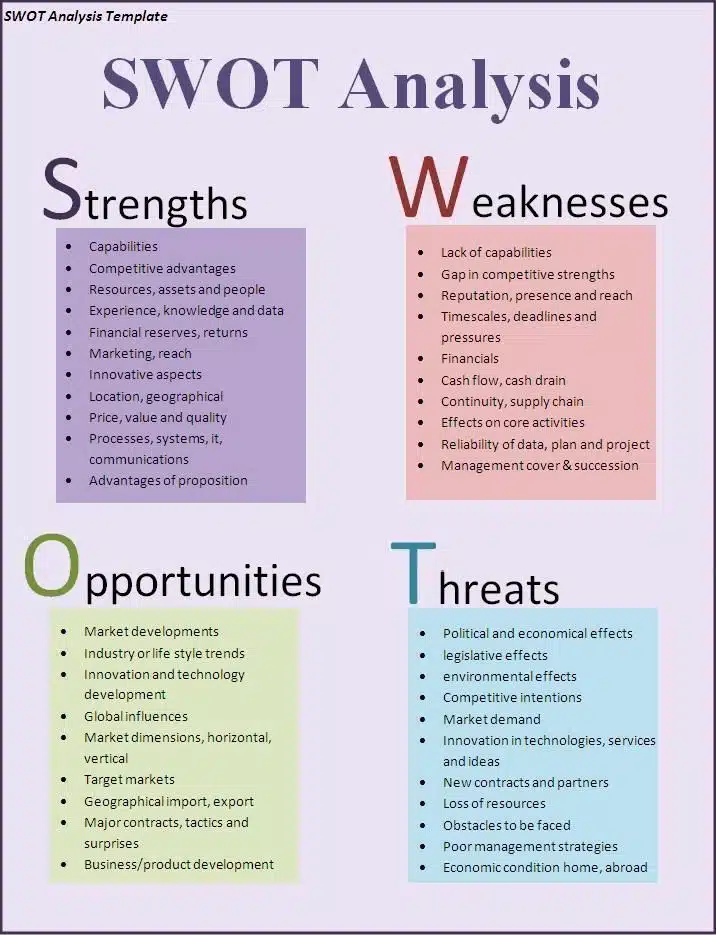
You’ll find a straightforward breakdown of SWOT analysis in this infographic.
Here’s a summary of what’s covered:
- Strengths
- Weaknesses
- Opportunities
- Threats
Check out the post below for more.
Every business faces choices, uncertainty and constant change, and making confident decisions requires a clear understanding of your current position. SWOT analysis remains one of the most accessible and reliable tools for gaining that clarity. By breaking down your strengths, weaknesses, opportunities and threats, you create a structured picture of what your business is doing well, where it needs work and what external factors may influence its future. This balanced approach provides the foundation for smarter strategic thinking.
A well-prepared SWOT analysis removes guesswork from planning and replaces it with insight. It gives you a deeper understanding of how internal performance aligns with external circumstances, helping you prioritise your actions and allocate resources more effectively. Whether you are planning a new project, reviewing performance or preparing for growth, SWOT brings order and focus to the process.
This post explains each part of the SWOT framework using the categories shown in the infographic. Each section includes a four-line explanation followed by four practical tips to help you turn observation into action. By the end, you will have a clear understanding of how to use SWOT analysis as a powerful decision-making tool.
Strengths
Strengths represent the internal qualities, skills and resources that give your business an advantage. They highlight what you already do well and where your competitive edge lies. These strengths may come from your people, your technology, your processes or your reputation in the market. Understanding them helps you identify what should be protected, amplified and built upon.
Recognising strengths allows you to direct your energy towards areas that already deliver the most impact. Instead of spreading resources thinly, you can concentrate on what brings measurable results. This provides momentum for growth and reinforces the unique qualities that customers appreciate about your business.
Exploring strengths also helps you understand your business identity more clearly. When you are aware of what sets you apart, it becomes easier to communicate your value and position yourself confidently in the market. A clear grasp of your strengths becomes the foundation for your strategic decisions.
- Build on capabilities by focusing on what your team consistently delivers with skill and confidence.
- Use competitive advantages such as quality, speed or specialist expertise to reinforce your position.
- Leverage resources, assets and people to create improvements or expand into new opportunities.
- Apply experience, knowledge and data to ensure decisions are grounded in reliable insight.
Weaknesses
Weaknesses reveal the internal limitations that may restrict performance or create challenges. These may appear in capability gaps, slow processes, strained resources, deadline pressures, financial concerns or difficulties with reputation and reach. Acknowledging weaknesses is not a sign of failure but a vital step towards continuous improvement and resilience.
Identifying weaknesses helps you prevent smaller issues from developing into major problems. When you understand what is holding your business back, you can put corrective actions in place and strengthen your foundations. This protects your long-term goals and ensures smoother day-to-day operations.
This part of the analysis requires honesty and clarity. It is an opportunity to recognise blind spots, rethink priorities and strengthen the areas that need support. By dealing with weaknesses early, you make your business more capable of adapting to change and seizing future opportunities.
- Address capability gaps by providing training, upgrading resources or bringing in specialist support.
- Improve reputation, presence or reach through consistent communication and targeted marketing.
- Review timescales, deadlines and operational pressures to increase efficiency and reduce strain.
- Strengthen management cover and succession planning to minimise disruptions during key transitions.
Opportunities
Opportunities represent the external factors that could support future growth or innovation. These may arise from industry trends, lifestyle changes, global developments, emerging technologies or shifts in market expectations. Opportunities offer the chance to expand, diversify or refine your strategy when approached with awareness and intent.
Recognising opportunities helps you stay ahead of competitors and prepared for developments that may reshape your industry. By observing the wider environment, you can anticipate change rather than react to it. This proactive approach ensures your business remains relevant, adaptable and ready to evolve.
Understanding opportunities also encourages a mindset of curiosity and exploration. Instead of focusing solely on current operations, you look outward toward emerging possibilities that could lead to long-term progress. These insights become a powerful driver of innovation and strategic momentum.
- Monitor industry and lifestyle trends to discover new directions or gaps you can fill.
- Explore technological developments that could improve efficiency or create new products and services.
- Assess global influences and potential market expansions that may broaden your customer base.
- Identify major contracts or strategic shifts that could fast-track your next stage of growth.
Threats
Threats are the external challenges that could negatively affect your business. They may include political or economic change, legislative updates, market demand fluctuations, new competitors, resource shortages or flaws in sector-wide management strategies. Understanding these threats helps you manage risk and protect your business from unexpected disruption.
Analysing threats gives you the insight needed to prepare for difficult scenarios before they arise. By assessing external risk factors, you can develop contingency plans that protect your operations and safeguard stability. This reduces vulnerability and increases the confidence with which you move forward.
Recognising threats also helps you understand the broader landscape shaping your industry. Factors beyond your control can influence customer behaviour, operational costs and market conditions. By staying alert to these shifts, you remain flexible and capable of adjusting your strategy when necessary.
- Stay aware of political, economic and legislative changes that may impact your operating environment.
- Monitor environmental pressures and competitor behaviour to anticipate shifts in market demand.
- Prepare for obstacles and resource shortages by strengthening processes and building resilience.
- Understand economic conditions at home and abroad to reduce exposure to sudden downturns.
Conclusion
SWOT analysis remains one of the most reliable tools for smarter decision-making because it brings structure, clarity and balance to your evaluation. By exploring your strengths, weaknesses, opportunities and threats, you gain a clearer picture of where you are today and what steps will help you move forward with confidence. This framework supports strategic planning, strengthens resilience and encourages thoughtful reflection on both internal performance and external circumstances.
Whether you are planning a new venture, refreshing your strategy or navigating a period of uncertainty, SWOT analysis helps you make more informed choices. When used consistently, it becomes more than a planning tool: it becomes a guiding framework that keeps your business aligned, focused and prepared for the future.

Author:
Mark Ford