Are you looking for ways to streamline your marketing processes? Want some handy tools that will help build your business?
If you own an online business you will need the help of a series of tools. From platforms to manage your company website, your social media accounts and marketing to your clients, it isn’t possible to succeed without them.
Which platforms are the best though? The team at TFM&A have studied some customer reviews and revealed the top 10 most loved platforms in the infographic below.
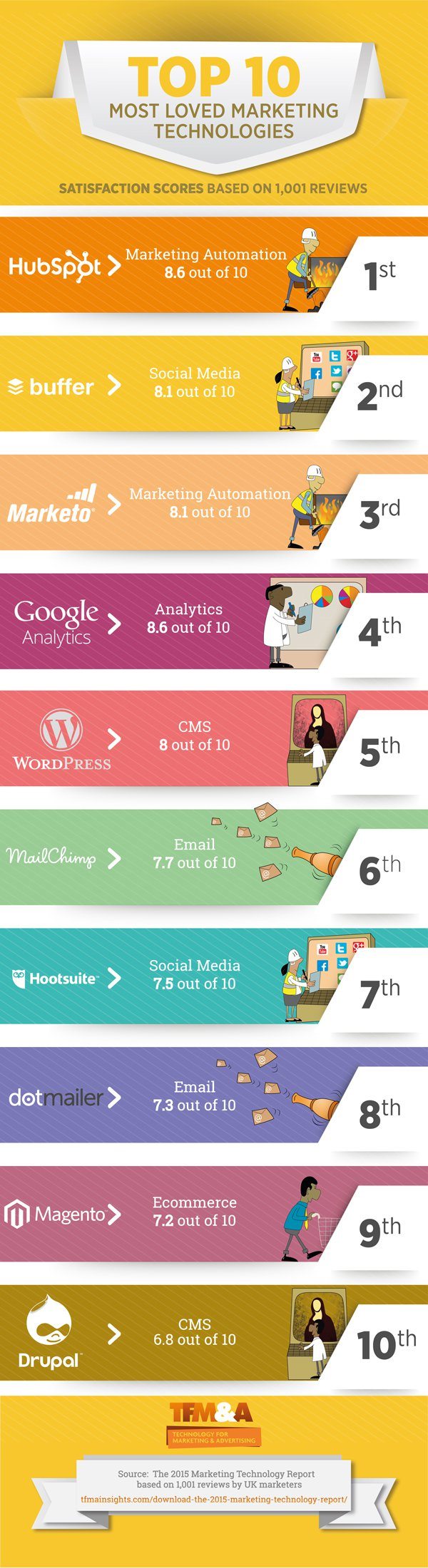
In today’s digital age, marketing is an essential component of any successful business strategy. With a plethora of marketing platforms available, it can be overwhelming to choose the right ones for your business. To help you navigate this landscape, we’ve compiled a list of the 10 most loved marketing platforms that can help build your business. These platforms have gained popularity and trust among marketers for their effectiveness in reaching and engaging audiences.
- Google Ads: Google Ads is a pay-per-click advertising platform that allows businesses to display their ads on Google’s search engine results pages and across their network of websites. With precise targeting options and in-depth analytics, Google Ads is a powerful tool for businesses looking to reach a wide audience.
- Facebook Advertising: With over 2.8 billion monthly active users, Facebook is a marketing powerhouse. Facebook Advertising enables businesses to target specific demographics, interests, and behaviors, making it an excellent platform for building brand awareness and driving conversions.
- Instagram Marketing: Owned by Facebook, Instagram is a visual-centric platform with more than a billion users. It’s ideal for businesses with visually appealing products or services. Instagram’s advertising options include photo and video ads, stories, and shopping tags.
- Email Marketing: Email marketing remains a tried-and-true method for building and nurturing customer relationships. Platforms like MailChimp and Constant Contact offer easy-to-use tools for designing, sending, and tracking email campaigns.
- Content Marketing with WordPress: Content marketing is essential for establishing authority and driving organic traffic. WordPress, with its user-friendly content management system (CMS), is a top choice for creating and managing a blog or website that attracts and engages your target audience.
- YouTube Advertising: As the second-largest search engine after Google, YouTube offers vast advertising opportunities. Businesses can run video ads before or during videos, making it a valuable platform for storytelling and showcasing products or services.
- LinkedIn Advertising: LinkedIn is the go-to platform for B2B marketing. It’s an ideal place to reach professionals and decision-makers. LinkedIn Advertising allows you to target by job title, industry, company size, and more.
- Twitter Promotion: Twitter is a fast-paced platform where businesses can engage with their audience in real-time. Twitter Promotion enables businesses to promote tweets to a wider audience and gain visibility for their brand or content.
- Pinterest for E-commerce: If your business is in e-commerce or offers visually appealing products, Pinterest can be a goldmine. Users come to Pinterest for inspiration, making it an excellent platform for showcasing products and driving sales.
- TikTok Marketing: TikTok has taken the world by storm, especially among younger audiences. It’s a platform for short-form video content, and its advertising options allow businesses to create engaging ads that resonate with the TikTok community.
Now that we’ve introduced the top 10 marketing platforms, let’s dive deeper into each one, exploring their key features, benefits, and best practices.
1. Google Ads
Google Ads is a pay-per-click (PPC) advertising platform that allows businesses to display their ads on Google’s search engine results pages (SERPs) and partner websites. Here are some key features and benefits:
- Precise Targeting: Google Ads offers extensive targeting options, including keywords, location, demographics, and more. This precision ensures that your ads reach the right audience.
- Cost Control: You set your budget, and you only pay when someone clicks on your ad. This makes it easy to manage your advertising costs.
- Measurable Results: Google Ads provides detailed analytics, allowing you to track ad performance and make data-driven decisions to optimize your campaigns.
- Keyword Research: The platform offers keyword research tools to help you discover relevant keywords for your business.
Best Practices for Google Ads:
- Conduct thorough keyword research to identify high-performing keywords for your industry.
- Create compelling ad copy that encourages clicks and conversions.
- Continuously monitor and adjust your campaigns based on performance data.
2. Facebook Advertising
Facebook Advertising is a versatile platform that allows businesses to reach a vast and diverse user base. Here’s why it’s so effective:
- Detailed Targeting: You can target users based on demographics, interests, behaviors, and even their interactions with your website or app.
- Variety of Ad Formats: Facebook offers various ad formats, including image and video ads, carousel ads, and lead generation forms, allowing you to choose the most suitable format for your goals.
- Remarketing: You can re-engage users who have previously interacted with your business, increasing the likelihood of conversions.
Best Practices for Facebook Advertising:
- Use eye-catching visuals and compelling ad copy to grab users’ attention.
- A/B test different ad creatives and targeting options to find what works best.
- Monitor ad frequency to avoid ad fatigue among your target audience.
3. Instagram Marketing
Instagram, owned by Facebook, is known for its visually appealing content. Here’s how businesses can leverage it:
- Visual Storytelling: Use Instagram’s visual format to tell your brand’s story and showcase products or services.
- Instagram Shopping: Tag products in your posts and stories, allowing users to shop directly from your Instagram profile.
- Engagement Features: Leverage features like polls, quizzes, and Instagram Live to engage with your audience.
Best Practices for Instagram Marketing:
- Maintain a consistent visual style and theme for your posts.
- Utilize relevant hashtags to increase the discoverability of your content.
- Engage with your followers by responding to comments and messages promptly.
4. Email Marketing
Email marketing is a direct and cost-effective way to communicate with your audience. Here’s why it’s still relevant:
- Personalization: Segment your email list and personalize content to cater to the specific interests and needs of different groups.
- Automation: Use email marketing platforms to automate email sequences, such as welcome emails, abandoned cart reminders, and drip campaigns.
- Analytics: Track open rates, click-through rates, and conversion rates to measure the success of your email campaigns.
Best Practices for Email Marketing:
- Build a permission-based email list to ensure that your recipients have opted in to receive your emails.
- Craft compelling subject lines to improve open rates.
- Test different email designs and content to optimize for conversions.
5. Content Marketing with WordPress
Content marketing involves creating valuable and relevant content to attract and engage your target audience. WordPress is a popular choice for content management and blogging. Here’s why it’s favored by content marketers:
- User-Friendly CMS: WordPress offers an intuitive and user-friendly interface, making it easy to create and manage content.
- SEO-Friendly: It provides various SEO plugins and features to optimize your content for search engines.
- Customization: WordPress allows for extensive customization, enabling you to create a unique and branded website or blog.
Best Practices for Content Marketing with WordPress:
- Develop a content strategy that aligns with your business goals and target audience.
- Consistently publish high-quality, informative, and engaging content.
- Promote your content through social media, email marketing, and other channels to reach a wider audience.
6. YouTube Advertising
YouTube is the world’s second-largest search engine, making it a valuable platform for video advertising. Here’s why businesses should consider it:
- Video Engagement: Video content often leads to higher engagement and better storytelling opportunities compared to text or images.
- TrueView Ads: YouTube’s TrueView ads allow users to skip the ad after a few seconds, which means you only pay if the viewer watches a significant portion of your video.
- YouTube Analytics: Access detailed analytics to measure the performance of your videos and understand your audience better.
Best Practices for YouTube Advertising:
- Create engaging and informative video content that aligns with your brand and goals.
- Use compelling thumbnails and video titles to entice clicks.
- Utilize YouTube’s targeting options to reach your desired audience.
7. LinkedIn Advertising
LinkedIn is the go-to platform for B2B marketers looking to connect with professionals and decision-makers. Here’s why it’s an essential platform for business growth:
- Professional Audience: LinkedIn’s user base consists of professionals and business leaders, making it an ideal platform for B2B marketing.
- Targeted Advertising: You can target by job title, industry, company size, and more, ensuring your ads reach the right audience.
- Sponsored Content: Promote your company’s updates, blog posts, and whitepapers to increase brand visibility.
Best Practices for LinkedIn Advertising:
- Craft thought leadership content to establish authority in your industry.
- Use eye-catching visuals and concise ad copy.
- A/B test different ad formats and targeting options to optimize your campaigns.
8. Twitter Promotion
Twitter is a fast-paced platform where real-time conversations happen. Here’s how businesses can benefit from Twitter promotion:
- Engagement Opportunities: Engage with your audience by responding to mentions, retweets, and direct messages.
- Promoted Tweets: Amplify your reach by promoting tweets to a wider audience, increasing brand visibility.
- Trend Participation: Participate in trending conversations and hashtags to gain visibility and engage with a larger audience.
Best Practices for Twitter Promotion:
- Use a consistent brand voice and tone in your tweets.
- Monitor and respond to customer feedback and inquiries promptly.
- Utilize Twitter analytics to track the performance of your promoted tweets.
9. Pinterest for E-commerce
If your business is in e-commerce or relies on visually appealing products, Pinterest can be a valuable marketing platform:
- Visual Discovery: Users come to Pinterest for inspiration, making it an ideal platform for showcasing products and driving sales.
- Shopping Tags: Tag products in your pins, allowing users to purchase items directly from Pinterest.
- Keyword Optimization: Use relevant keywords in your pin descriptions and titles to improve discoverability.
Best Practices for Pinterest Marketing:
- Create visually appealing pins with high-quality images.
- Curate boards that align with your brand and target audience’s interests.
- Monitor the performance of your pins and boards to refine your strategy.
10. TikTok Marketing
TikTok has rapidly gained popularity, especially among younger audiences. Here’s why it’s a platform worth exploring:
- Short-Form Video: TikTok is all about short, engaging videos, making it a great platform for quick brand messaging and creative storytelling.
- Challenges and Trends: Participate in trending challenges and create your unique content to engage with the TikTok community.
- Influencer Collaboration: Partner with TikTok influencers to reach a broader audience.
Best Practices for TikTok Marketing:
- Create authentic and relatable content that aligns with TikTok’s lighthearted and creative culture.
- Participate in trending challenges and use popular music tracks to boost visibility.
- Collaborate with TikTok influencers to leverage their followers and engagement.
In conclusion, the world of marketing is continually evolving, and businesses must adapt to stay competitive. The 10 marketing platforms discussed in this article offer a diverse range of tools and opportunities for businesses of all sizes and industries. When selecting the right platforms for your business, consider your target audience, marketing goals, and available resources. By leveraging these platforms effectively and staying up-to-date with industry trends, you can build your brand, connect with your audience, and drive business growth in today’s digital landscape.

Author:
Mark Ford

Mastering the Art of the Landing Page: Design, Copy, and Conversion in Harmony
Are you trying to design a landing page that not only looks great but actually converts visitors into customers? Want to learn how to balance design, copy, and strategy to create landing pages that work in perfect harmony? […]