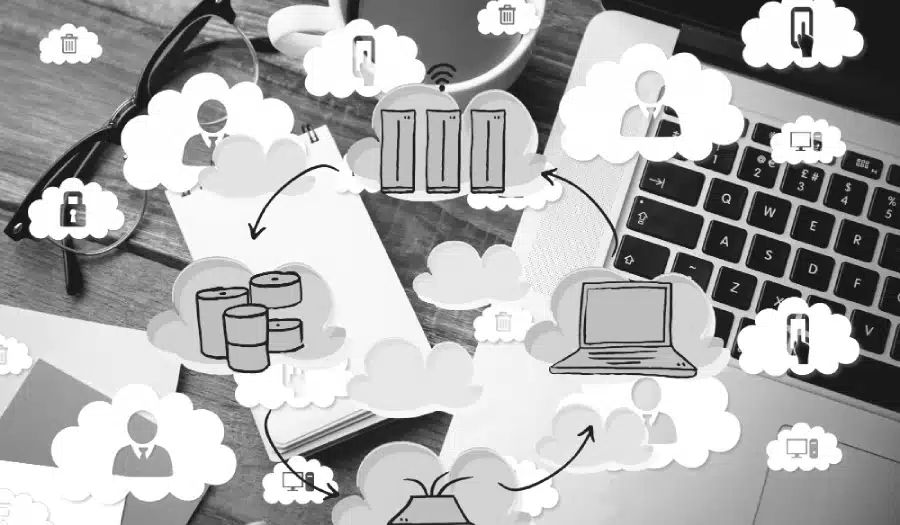
Are you looking for the essential software that keeps your business running efficiently? Want to know which tools every successful company relies on to stay productive, organised, and profitable?
You’ll find the key software essentials every business needs to succeed in this infographic.
Here’s a summary of what’s covered:
- Accounting and Invoicing
- Payment Support
- Customer Relationship Management (CRM)
- Email Marketing
- Social Media Management
- File Backup and Recovery
- Blogging
- Analytics
- Meeting and Appointment Scheduling
- Communication and Collaboration
Check out the post below for more.

In today’s digital landscape, the tools your business uses can make all the difference between efficiency and frustration. A well-chosen software stack keeps operations smooth, communication clear, and growth consistent.
From managing finances to engaging customers, the right technology empowers your team to perform at their best. In this guide, we’ll explore the essential software every business needs to succeed.
Accounting and Invoicing
Every business, big or small, needs a reliable system to manage money effectively. Accounting and invoicing software help track expenses, generate invoices, and keep finances organised. These tools save time, reduce human error, and ensure compliance with financial regulations. The result is clearer cash flow visibility and easier decision-making.
- Use accounting software to automate recurring invoices and payment reminders.
- Choose cloud-based options for easy access from anywhere.
- Integrate your accounting system with payment and CRM tools for efficiency.
- Set up financial reports to monitor profitability and trends in real time.
Payment Support
Getting paid efficiently is just as important as managing your finances. Payment support software streamlines transactions, allowing customers to pay quickly and securely. It improves cash flow, reduces manual processing, and enhances trust with your clients. With multiple payment options, businesses can cater to different customer preferences.
- Offer several payment methods such as card, direct debit, and digital wallets.
- Ensure your payment software uses encryption for security and compliance.
- Use automatic reconciliation to match payments with invoices easily.
- Integrate payment tools with your accounting system to track income accurately.
Customer Relationship Management (CRM)
A CRM system keeps all your customer information in one place, helping you build and maintain strong relationships. It supports sales tracking, client communication, and data analysis to improve customer experiences. With CRM software, teams can personalise interactions and identify new business opportunities. It’s a vital foundation for long-term client loyalty and retention.
- Use CRM dashboards to track leads, sales, and customer touchpoints.
- Automate reminders and follow-ups to nurture relationships consistently.
- Segment customers for targeted marketing campaigns.
- Integrate your CRM with email, analytics, and social media for a complete view.
Email Marketing
Email remains one of the most powerful and cost-effective marketing channels available. With the right software, you can manage mailing lists, design campaigns, and measure performance. Automation allows you to nurture leads and maintain engagement without constant manual input. When used strategically, email marketing strengthens customer relationships and drives conversions.
- Personalise emails using customer data to increase engagement rates.
- Schedule automated drip campaigns to maintain consistent communication.
- Use analytics to track open rates, clicks, and conversions.
- Segment your audience based on interests or behaviour for better results.
Social Media Management
Social media is a vital communication tool for businesses in every industry. Managing multiple platforms manually can be time-consuming, but dedicated software simplifies it all. From scheduling posts to analysing engagement, these tools help maintain a consistent online presence. They also ensure your content reaches the right audience at the right time.
- Plan and schedule posts in advance to maintain consistency.
- Monitor engagement metrics to understand audience preferences.
- Use social listening tools to track brand mentions and respond quickly.
- Collaborate with your marketing team to ensure unified messaging across platforms.
File Backup and Recovery
Data loss can have devastating consequences for any organisation. File backup and recovery software protect critical business data by ensuring it’s securely stored and recoverable in emergencies. Whether it’s hardware failure, human error, or cyberattacks, having a recovery plan safeguards your operations. This software offers peace of mind and continuity in uncertain situations.
- Set up automatic backups to run daily or weekly.
- Store copies of files both locally and in the cloud.
- Regularly test recovery systems to confirm they work properly.
- Encrypt sensitive data to prevent unauthorised access during storage.
Blogging
Blogging remains one of the most effective ways to communicate your brand message and attract potential customers. It positions your business as an authority in your field and boosts your visibility in search results. With the right blogging platform, creating and publishing content is easy and accessible to any team member. Over time, blogs help nurture trust and long-term engagement.
- Plan a content calendar to post regularly and consistently.
- Optimise each post with relevant keywords for better SEO.
- Include clear calls to action to guide readers towards your services.
- Share blog posts across email and social media channels to maximise reach.
Analytics
Analytics tools provide valuable insights into how your business performs across multiple areas. They help track revenue, website traffic, customer behaviour, and marketing success. By understanding what’s working and what isn’t, you can make data-driven decisions. Analytics software turns raw data into actionable intelligence for strategic growth.
- Use dashboards to visualise key performance indicators at a glance.
- Set measurable goals and track progress over time.
- Combine website and sales data for a complete performance picture.
- Analyse trends to predict future demand or market opportunities.
Meeting and Appointment Scheduling
Time management plays a major role in maintaining productivity across teams. Meeting and appointment scheduling software eliminates the need for back-and-forth emails when arranging times. It syncs with calendars, sends reminders, and helps avoid conflicts. Whether you’re managing client calls or internal meetings, these tools keep everyone on track.
- Allow clients to book directly into your calendar through online links.
- Use automated reminders to reduce missed appointments.
- Sync scheduling software with email and CRM systems.
- Block out non-working hours to maintain a healthy work-life balance.
Communication and Collaboration
Modern businesses thrive on effective teamwork, especially in hybrid or remote environments. Communication and collaboration tools keep teams connected through shared projects, instant messaging, and video calls. They ensure that everyone stays aligned and informed, no matter where they are. When used correctly, these tools build transparency and improve efficiency across departments.
- Use project management platforms to assign and track tasks easily.
- Adopt team chat or video tools for real-time communication.
- Share files in cloud-based systems for quick collaboration.
- Create shared workspaces for project documentation and updates.
Conclusion
A strong business software stack is no longer optional—it’s essential. Each tool in this ecosystem serves a distinct purpose, from managing cash flow to fostering collaboration and customer engagement. Together, they create a framework that allows your business to run more efficiently and adapt to growth.
By choosing the right mix of software, you’ll set your company up for long-term success in an increasingly digital world.

Author:
Mark Ford