In the fast-paced world of web design, staying ahead of the curve is essential to creating visually appealing and user-friendly websites. As we look forward to 2024, it’s time to explore the latest trends that are expected to dominate the website design landscape.
From innovative layout techniques to cutting-edge technologies, let’s dive into the exciting world of website design trends for the year ahead.
Bento Grid Layouts: Organised Chaos
One of the most captivating and avant-garde trends expected to gain momentum in 2024 is the Bento grid layout. Unlike traditional grid systems that rely on rigid rows and columns, the Bento grid allows for more creative and dynamic arrangements of content.

Source: basistheory.com
What is a Bento Grid?
Imagine a Japanese bento box, where various compartments house different types of food. Similarly, a Bento grid breaks the content into compartments, each dedicated to a specific type of content or media. This approach offers designers the freedom to experiment with asymmetry and juxtaposition, creating visually engaging and unpredictable layouts.
Benefits of Bento Grid Layouts
- Visual Appeal: Bento grids can captivate users with their unique and visually stimulating arrangements, making websites stand out from the crowd.
- Content Hierarchy: Designers can emphasize certain elements by placing them in larger or more prominent compartments, guiding users’ attention effectively.
- Adaptability: Bento grids work well on both desktop and mobile devices, ensuring a consistent and engaging user experience across platforms.
- Storytelling: By strategically placing content in different compartments, designers can craft narratives and guide users through a story-driven experience.
- Breaking the Mold: Bento grids challenge the traditional grid structure, allowing designers to break free from the confines of conventional layouts.
To implement a Bento grid layout effectively, designers need to carefully plan the arrangement of content, ensuring that it remains visually appealing and user-friendly. This trend offers exciting possibilities for designers to push the boundaries of web design and create memorable online experiences.
Faster Loading: Speed Matters More Than Ever
In an era where attention spans are shrinking, website loading speed has become a critical factor in user satisfaction. As we head into 2024, the need for faster-loading websites is more pronounced than ever before.
The Importance of Speed
- User Experience: Slow-loading websites frustrate users and lead to higher bounce rates. Fast-loading sites, on the other hand, provide a seamless and enjoyable browsing experience.
- Search Engine Rankings: Search engines like Google prioritize fast-loading websites in their rankings, making speed a crucial SEO factor.
- Mobile Friendliness: With the increasing use of mobile devices for browsing, speedy loading is essential for catering to mobile users effectively.
Techniques for Faster Loading
- Optimized Images: Compressing and optimizing images can significantly reduce loading times without sacrificing quality.
- Lazy Loading: Implementing lazy loading allows images and other resources to load only when they become visible in the user’s viewport, reducing initial page load times.
- Content Delivery Networks (CDNs): CDNs distribute website content across multiple servers worldwide, reducing latency and speeding up content delivery.
- Caching: Utilizing browser caching and server-side caching can store frequently accessed data, reducing the need to fetch it anew with each visit.
- Minification: Minifying HTML, CSS, and JavaScript files removes unnecessary characters and spaces, reducing file sizes and improving load times.
Prioritizing website speed not only enhances the user experience but also contributes to improved search engine rankings and, ultimately, the success of your website.
Fluid Layouts: Adapting to All Devices
With the ever-expanding variety of devices and screen sizes, creating websites that look and function well across all platforms is paramount. Fluid layouts are the answer to this challenge.

What Are Fluid Layouts?
Fluid layouts, also known as responsive design, dynamically adapt to the user’s screen size and orientation. They use relative units such as percentages instead of fixed units like pixels, allowing content to expand or contract to fit the available space.
Benefits of Fluid Layouts
- Cross-Device Compatibility: Websites with fluid layouts can seamlessly adapt to various screen sizes, from large desktop monitors to small mobile screens.
- Improved User Experience: Users no longer need to pinch and zoom to view content on their devices, leading to a more enjoyable browsing experience.
- Future-Proofing: As new devices with different screen sizes and resolutions emerge, fluid layouts ensure that your website remains accessible and visually appealing.
- SEO Friendliness: Google and other search engines prioritize responsive websites in their rankings, making fluid layouts essential for SEO.
- Cost-Efficiency: Instead of developing separate websites for different devices, a single responsive website can save time and resources.
Designers and developers should embrace fluid layouts as a standard practice in 2024, ensuring that their websites are accessible and user-friendly on all devices.
AI-Generated Imagery: The Future of Visual Content
Artificial intelligence (AI) is making significant strides in web design, particularly when it comes to generating visuals. In 2024, we can expect AI-generated imagery to become a prevalent trend, revolutionizing how websites create and display graphics.
What Is AI-Generated Imagery?
AI-generated imagery involves using machine learning algorithms to create images, illustrations, and graphics. These algorithms can generate content based on user inputs or predefined parameters, providing designers with a vast array of visual assets.
Advantages of AI-Generated Imagery
- Customization: AI allows for the creation of highly customized visuals, tailored to the specific needs and preferences of a website.
- Efficiency: Generating images through AI can save time and resources compared to traditional manual design.
- Scalability: AI can quickly produce large quantities of visuals, making it suitable for websites with extensive image requirements.
- Consistency: AI ensures a consistent visual style throughout a website, maintaining a cohesive brand identity.
- Personalization: AI-generated imagery can be personalized for individual users, enhancing their engagement with the website.
Designers can harness the power of AI to create stunning visuals, whether it’s custom illustrations, product images, or even entire website layouts. Integrating AI-generated imagery into web design workflows is a trend that promises to streamline the design process and elevate the visual appeal of websites.
Video Backgrounds: Dynamic and Engaging
Video backgrounds have been a captivating design trend for several years, and in 2024, they are expected to evolve further, offering even more engaging and immersive experiences.

The Power of Video Backgrounds
- Visual Impact: Video backgrounds immediately capture users’ attention and create a memorable first impression.
- Storytelling: Videos can convey complex narratives or evoke emotions more effectively than static images or text.
- Brand Personality: Video backgrounds allow brands to showcase their personality and values through dynamic visuals.
- Engagement: Users tend to stay on websites with video backgrounds longer, increasing the likelihood of conversions and interactions.
Best Practices for Video Backgrounds
- Optimization: Videos should be optimized for fast loading and play seamlessly without causing delays.
- Subtle Animation: While video backgrounds can be attention-grabbing, they should not overwhelm or distract from the main content.
- Content Relevance: Ensure that the video background relates to the website’s purpose and message.
- Mobile Compatibility: Test video backgrounds on various devices to ensure they work well on both desktop and mobile.
Video backgrounds are a powerful design element that can transform the look and feel of a website. As technology advances and internet connections become faster, we can expect to see even more creative and dynamic uses of video backgrounds in 2024.
Accessibility: Designing for Inclusivity
In 2024, the importance of web accessibility continues to grow, making it a central theme in website design trends. Ensuring that your website is accessible to all users, including those with disabilities, is not just a legal requirement but also a moral and ethical responsibility.

The Significance of Accessibility
- Inclusivity: Accessibility ensures that everyone, regardless of their abilities, can access and use your website.
- Legal Compliance: Many countries have laws and regulations that require websites to be accessible, and non-compliance can result in legal consequences.
- Expanded Audience: By making your website accessible, you open it up to a wider audience, potentially increasing traffic and engagement.
- Positive Brand Image: Demonstrating a commitment to inclusivity can enhance your brand’s reputation and foster goodwill among users.
Implementing Accessibility
- Semantic HTML: Use semantic HTML elements to provide meaningful structure and context to your content, making it easier for assistive technologies to interpret.
- Alt Text: Always include descriptive alt text for images to convey their content to users with visual impairments.
- Keyboard Navigation: Ensure that all interactive elements on your site are navigable and usable via keyboard inputs.
- Testing: Regularly test your website with screen readers and other assistive technologies to identify and address accessibility issues.
In 2024, web designers should prioritize accessibility as a fundamental aspect of their projects, striving to create digital spaces that are welcoming and inclusive for all users.
Retro / Nostalgia: A Blast from the Past
Nostalgia is a powerful emotion that can evoke feelings of warmth and comfort. In website design for 2024, the use of retro elements and nostalgia-inducing visuals is expected to create a sense of familiarity and connection with users.

The Allure of Nostalgia
- Emotional Appeal: Nostalgia can trigger positive emotions and create a sense of nostalgia, fostering a deeper connection with the website.
- Distinctive Style: Retro design elements can set your website apart from competitors by giving it a unique and memorable look.
- Timelessness: Elements from the past often carry a timeless quality that can endure through changing design trends.
- Storytelling: Nostalgia can be used to tell a brand’s story or convey a specific message effectively.
Incorporating Nostalgia
- Vintage Color Schemes: Use color palettes reminiscent of specific eras to infuse nostalgia into your design.
- Retro Typography: Select fonts and typography styles that harken back to a bygone era.
- Iconography: Incorporate vintage icons, illustrations, or graphics that resonate with your target audience.
- Historical References: Pay homage to historical events, trends, or cultural references relevant to your brand or message.
By embracing nostalgia and incorporating retro design elements thoughtfully, web designers can tap into the power of emotions and create websites that resonate deeply with their audience.
Large Typographic Hero Images: Making a Bold Statement
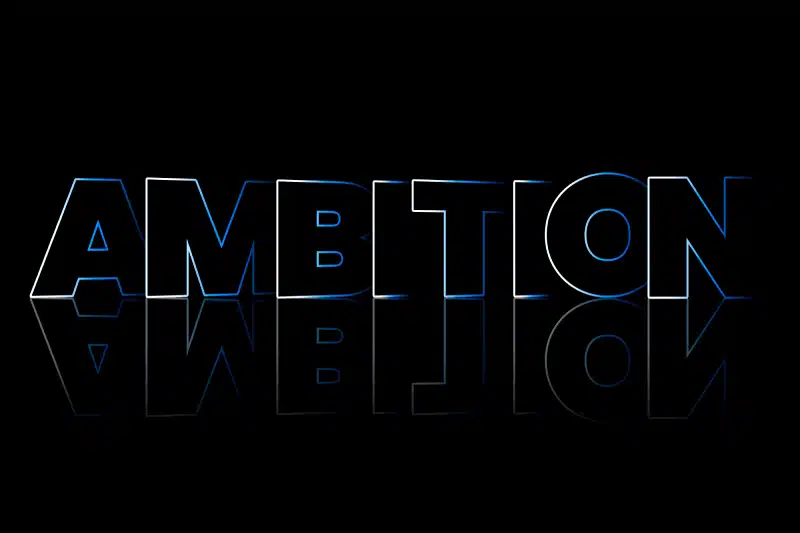
Typography has always played a crucial role in web design, but in 2024, it takes center stage with the use of large typographic hero images. This trend combines striking visuals with powerful typography to make a bold and memorable impression.
The Power of Typography
- Visual Impact: Large typography instantly captures attention and conveys a message or brand identity effectively.
- Storytelling: Typography can be used creatively to tell a story or set the tone for the entire website.
- Accessibility: Large, clear typography is easier for all users to read, enhancing overall accessibility.
- Mobile-Friendly: Large typography adapts well to mobile screens, ensuring a consistent experience across devices.
Designing with Large Typography
- Contrasting Colors: Use contrasting colors to make the typography stand out against the background.
- Responsive Design: Ensure that the typography scales appropriately for different screen sizes.
- Alignment: Experiment with different alignment options to create visually engaging compositions.
- Message Clarity: Keep the message concise and clear, as large typography is often the focal point of the page.
Large typographic hero images are a trend that not only catches the eye but also effectively conveys information and emotions, making them a compelling choice for web designers in 2024.
Micro-Interactions: Delightful User Engagement
Micro-interactions, small animations or responses triggered by user actions, are set to become a prominent feature of web design in 2024. These subtle animations enhance user engagement and provide feedback, creating a more interactive and enjoyable browsing experience.

The Appeal of Micro-Interactions
- User Engagement: Micro-interactions provide instant feedback, making the user experience more engaging and satisfying.
- Intuitiveness: They guide users and inform them about the system’s status or available actions.
- Enhanced Usability: Micro-interactions can improve the usability of a website by simplifying complex interactions.
- Brand Personality: They can be used to convey a brand’s personality and create a unique user experience.
Implementing Micro-Interactions
- Feedback: Use micro-interactions to confirm actions like button clicks, form submissions, or navigation.
- Hover Effects: Add subtle animations when users hover over elements like buttons or links to make them more visually interactive.
- Loading Animations: Incorporate loading animations to keep users engaged during brief loading periods.
- Gestures: Implement gestures like swipe, pinch, or tap animations for mobile users.
Micro-interactions may be small in scale, but their impact on user engagement and overall website usability should not be underestimated. In 2024, web designers should explore the creative potential of micro-interactions to enhance the user experience.
Bold and Dynamic Typography: Breaking the Mold
Typography takes a bold and dynamic turn in 2024, with designers pushing the boundaries of conventional fonts and layouts. This trend embraces unconventional typography choices to create visually striking and impactful websites.

The Excitement of Dynamic Typography
- Visual Stimulation: Bold and dynamic typography immediately grabs attention and adds a layer of visual interest to the content.
- Brand Identity: Unique typography can become a key element of a brand’s identity, setting it apart from competitors.
- Storytelling: Typography can be used to tell a story or convey emotions, adding depth to the website’s message.
- Artistic Expression: Designers can showcase their creativity and artistic flair through typography experimentation.
Designing with Bold Typography
- Custom Fonts: Explore custom fonts or lettering to create a one-of-a-kind typographic style.
- Layering: Overlay text with other design elements to create depth and complexity.
- Animation: Add subtle animations or transitions to typography to enhance its dynamic nature.
- Contrast: Play with contrast in font size, weight, and color to create visual impact.
In 2024, web designers are encouraged to break free from traditional typography norms and embrace bold and dynamic type choices to create websites that not only convey information but also captivate and inspire visitors.
Chatbots: Conversational User Experiences
In 2024, chatbots are poised to play a more prominent role in web design, offering users a conversational and interactive experience. These AI-driven virtual assistants can provide real-time assistance, answer questions, and guide users through websites.

The Rise of Chatbots
- User Engagement: Chatbots engage users in a conversational manner, making interactions more enjoyable and informative.
- Customer Support: They can provide instant support, answering common questions and resolving issues without the need for human intervention.
- Personalization: Chatbots can personalize user experiences by offering tailored recommendations and content.
- Efficiency: They streamline user journeys by guiding users to relevant information or products.
Implementing Chatbots
- Natural Language Processing: Use NLP technology to enable chatbots to understand and respond to user queries naturally.
- Integration: Integrate chatbots with your website’s content management system or e-commerce platform to provide seamless assistance.
- Customization: Customize chatbot personalities and responses to align with your brand’s tone and values.
- Data Analytics: Analyze chatbot interactions to gain insights into user behavior and preferences.
Incorporating chatbots into your web design in 2024 can enhance user engagement, streamline customer support, and provide a more personalized browsing experience.
Dark Mode: A Stylish and Comfortable Choice
Dark mode, a design trend that gained popularity in recent years, continues to be a favored choice in web design for 2024. This visually striking mode offers a sleek and comfortable browsing experience, especially in low-light conditions.

The Appeal of Dark Mode
- Visual Comfort: Dark mode reduces eye strain and glare, making it easier on the eyes, especially in dimly lit environments.
- Aesthetic Appeal: Dark backgrounds can make content and visuals stand out, creating a visually pleasing design.
- Battery Savings: For users of OLED or AMOLED screens, dark mode can extend battery life by reducing the power needed to illuminate pixels.
- Accessibility: Dark mode can improve readability and contrast for users with visual impairments.
Implementing Dark Mode
- Toggle Switch: Include a toggle switch or automatic detection to allow users to switch between light and dark modes.
- Contrast: Ensure that text and graphics maintain adequate contrast for readability.
- Consistency: Maintain a consistent design across both light and dark modes to avoid confusion.
- User Preference: Allow users to set their preferred mode as a default.
By offering a dark mode option on your website, you cater to user preferences and enhance the overall user experience, making it a trend to watch in 2024.
Split-Screen Layouts: Dual Focus Design
Split-screen layouts are making a bold statement in 2024 by dividing the screen into two distinct sections, each with its content and purpose. This design trend allows for creative storytelling and effective content presentation.
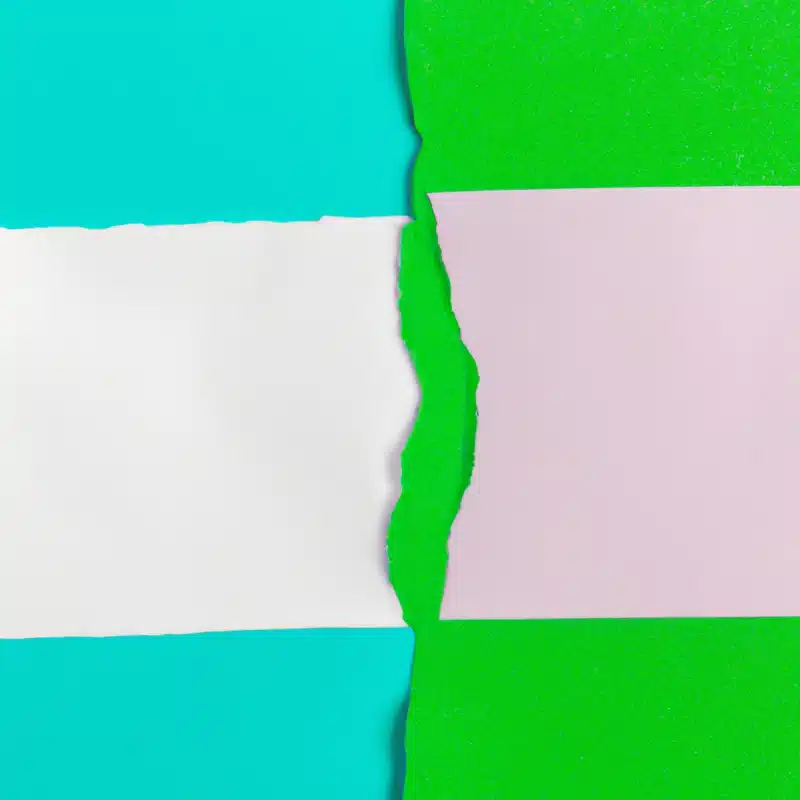
The Power of Split-Screen Layouts
- Visual Contrast: Split screens create immediate visual contrast, guiding users’ attention to two focal points.
- Storytelling: They can be used to juxtapose different elements, telling a story or presenting contrasting ideas.
- Multitasking: Split-screen layouts allow users to engage with multiple pieces of content simultaneously, enhancing usability.
- Responsive Design: These layouts adapt well to both desktop and mobile devices, providing a consistent experience.
Designing with Split-Screen Layouts
- Content Balance: Ensure that both sides of the split layout have equal importance and balance in terms of content.
- Interactive Elements: Utilize interactive elements like sliders or hover effects to engage users in exploring both sides of the split.
- Typography: Experiment with typography to create visual interest and guide users through the content.
- Mobile Optimization: Test and optimize the layout for various screen sizes and orientations.
Split-screen layouts offer a versatile canvas for creative expression and effective content presentation, making them a trend worth exploring in 2024.
Web Security: Safeguarding User Data
Web security is not just a trend but a fundamental requirement for websites in 2024. With the increasing frequency of cyber threats and data breaches, ensuring the safety of user data is of paramount importance.
The Significance of Web Security
- Data Protection: Protecting user data is essential for maintaining trust and complying with data protection regulations.
- User Confidence: A secure website instills confidence in users, encouraging them to share information and engage with your site.
- Reputation Management: A security breach can have a severe impact on your brand’s reputation and trustworthiness.
- Legal Compliance: Comply with data protection laws such as GDPR, CCPA, and others that pertain to your target audience.
Web Security Best Practices
- SSL Encryption: Implement SSL certificates to secure data transmission between users and your website.
- Regular Updates: Keep all software, plugins, and frameworks up to date to patch security vulnerabilities.
- Firewalls: Use web application firewalls (WAFs) to protect against common online threats.
- User Authentication: Implement strong user authentication methods to prevent unauthorized access.
Web security should be a top priority for web designers and developers in 2024, ensuring the safety and trustworthiness of the online experiences they create.
Vibrant Gradients: Adding Depth and Dynamism
Vibrant gradients are making a comeback in 2024, adding depth and dynamism to website design. These multi-color transitions create visually stunning backgrounds and elements that capture users’ attention and create memorable experiences.

The Allure of Vibrant Gradients
- Visual Engagement: Gradients create eye-catching visuals that draw users in and encourage exploration.
- Depth and Dimension: Gradients can add depth to flat design, making elements appear three-dimensional.
- Brand Identity: Unique gradient combinations can become an integral part of a brand’s visual identity.
- Versatility: Gradients can be used in various design elements, from backgrounds to buttons and text.
Designing with Vibrant Gradients
- Color Selection: Experiment with bold and contrasting colors to create striking gradients.
- Overlay Text: Use gradients as backgrounds for text to enhance readability and visual appeal.
- Consistency: Maintain a consistent gradient style throughout the website for a cohesive look.
- Performance: Optimize gradient-heavy designs for performance, ensuring fast loading times.
Vibrant gradients offer designers a versatile tool for creating visually captivating websites that leave a lasting impression on visitors. In 2024, expect to see gradients used creatively to enhance the overall user experience.
Interactive Storytelling: Engaging Narratives in Web Design
In 2024, interactive storytelling takes center stage in web design, offering users a dynamic and immersive narrative experience. This trend combines engaging narratives with user interaction, creating websites that feel like interactive stories.
The Power of Interactive Storytelling
- Engagement: Interactive storytelling captivates users by involving them in the narrative, making them active participants.
- Emotional Connection: It allows designers to evoke emotions and create a deeper connection with users through compelling narratives.
- Education: Interactive stories can be used for educational purposes, helping users learn through engaging experiences.
- Brand Storytelling: Brands can use interactive narratives to convey their values, missions, and brand stories effectively.
Creating Interactive Stories
- Branching Narratives: Develop narratives with multiple story branches that change based on user choices.
- Animations: Use animations, transitions, and interactive elements to move the story forward.
- User Decisions: Allow users to make decisions that impact the story’s outcome.
- Feedback: Provide feedback to users to inform them of the consequences of their choices.
Interactive storytelling in web design in 2024 opens up exciting possibilities for creating memorable and engaging user experiences.
Glassmorphism: The Art of Frosted Glass
Glassmorphism is a design trend that has gained momentum in recent years and continues to be relevant in 2024. It involves creating a frosted glass effect in user interfaces, combining transparency, blur, and vivid colors for a visually appealing and modern look.

The Allure of Glassmorphism
- Visual Depth: Glassmorphism adds depth and dimension to user interfaces, making them visually engaging.
- Modern Aesthetics: The frosted glass effect aligns with modern design sensibilities and creates a sleek and sophisticated appearance.
- Versatility: Glassmorphism can be applied to various UI elements, such as cards, buttons, and pop-up dialogs.
- Readability: The blurred background in glassmorphic designs can enhance text readability and content focus.
Designing with Glassmorphism
- Transparency: Use varying levels of transparency to create the glass effect, while maintaining content legibility.
- Vivid Colors: Choose vibrant colors that complement the glassy appearance, creating a harmonious visual palette.
- Consistency: Maintain a consistent glassmorphism style throughout your website for a cohesive look.
- Accessibility: Ensure that the glassmorphic elements do not compromise accessibility, especially in terms of contrast.
Glassmorphism is a design trend that offers a fresh and elegant look to user interfaces in 2024, making it a popular choice among web designers.
Handmade Illustrations: Adding a Personal Touch
In 2024, handmade illustrations are making a comeback in web design, adding a personal and unique touch to websites. These custom-crafted visuals break away from stock images, infusing personality and creativity into web experiences.
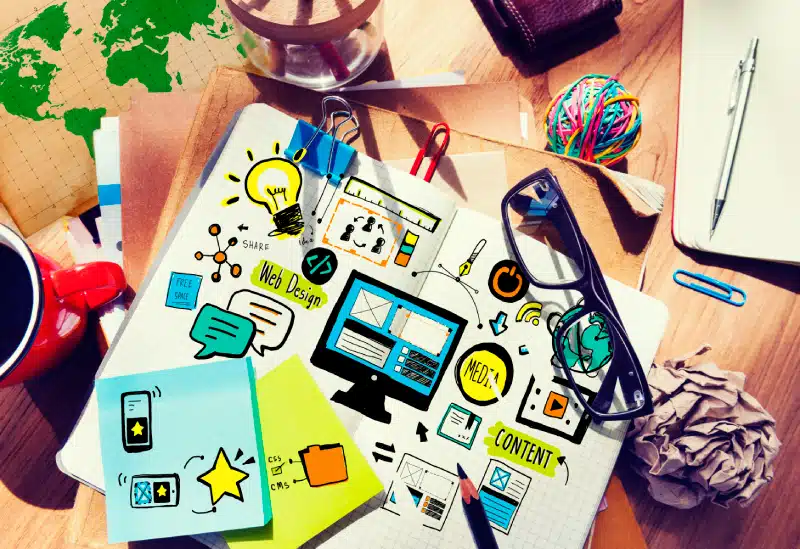
The Charm of Handmade Illustrations
- Uniqueness: Handmade illustrations are one-of-a-kind, setting a website apart from competitors with stock visuals.
- Personalization: They can be tailored to match a brand’s personality, values, and messaging.
- Storytelling: Handmade illustrations can tell stories, explain concepts, or convey complex ideas in a friendly and approachable manner.
- Versatility: They can be used across various design elements, from hero sections to icons and infographics.
Incorporating Handmade Illustrations
- Custom Artwork: Collaborate with illustrators or designers to create custom illustrations that align with your brand.
- Consistency: Maintain a consistent illustration style throughout the website for a cohesive look.
- Interactive Elements: Use illustrations in interactive elements to engage users and guide them through the website.
- Loading Animations: Add subtle animations to handmade illustrations to create visual interest.
Handmade illustrations breathe life and personality into web design in 2024, offering a delightful and memorable user experience.
Motion Effects: Dynamic User Engagement
Motion effects, including animations, transitions, and parallax scrolling, continue to be a captivating trend in web design for 2024. These dynamic elements enhance user engagement and create visually stunning experiences.

The Power of Motion Effects
- Visual Engagement: Motion effects immediately capture users’ attention and keep them engaged.
- Storytelling: They can be used to guide users through a narrative or highlight key content.
- User Feedback: Animations can provide feedback, making user interactions more intuitive and enjoyable.
- Brand Expression: Motion effects can convey a brand’s personality and identity effectively.
Implementing Motion Effects
- Smooth Transitions: Ensure that animations and transitions are smooth and not overly distracting.
- Purposeful Animation: Use motion effects to emphasize content or provide visual cues, rather than as mere embellishments.
- Performance Optimization: Optimize animations for performance to ensure fast loading times.
- Mobile-Friendly: Test motion effects on various devices to ensure they work well on both desktop and mobile.
In 2024, web designers are encouraged to use motion effects strategically to enhance user engagement and create visually appealing websites.
3D Experiences: Immersive Depth and Realism
Web design in 2024 embraces 3D experiences, offering users immersive depth and realism. Whether through 3D graphics, models, or interactive elements, this trend creates a sense of immersion and interactivity.
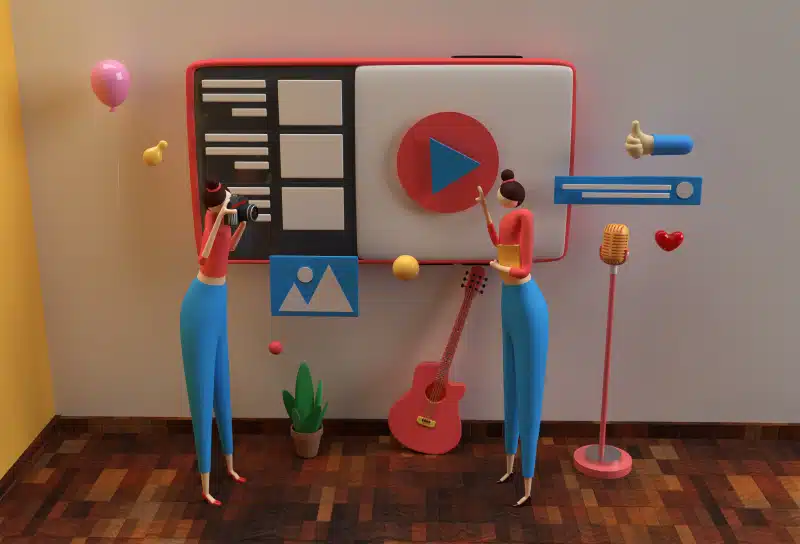
The Allure of 3D Experiences
- Immersive Interaction: 3D elements allow users to interact with content in a more lifelike manner.
- Visual Engagement: 3D graphics and models captivate users’ attention, making the website more visually appealing.
- Enhanced Storytelling: 3D experiences can be used to tell stories or present information in an engaging way.
- Product Visualization: E-commerce websites can benefit from 3D product visualization, allowing customers to examine products closely.
Designing with 3D Experiences
- Compatibility: Ensure that 3D experiences work seamlessly across various devices and browsers.
- Interactivity: Make 3D elements interactive, allowing users to manipulate and explore them.
- Performance: Optimize 3D graphics and models for performance to maintain fast loading times.
- Usability: Keep user experience in mind when designing 3D interactions, making them intuitive and user-friendly.
In 2024, 3D experiences offer web designers a tool to create immersive and engaging websites that leave a lasting impact on users.
Conclusion
As we approach 2024, website design is poised for an exciting evolution. The trends discussed in this article offer designers and developers new avenues for creativity and user engagement. Embracing these trends can help your website stay ahead of the competition, provide an exceptional user experience, and leave a lasting impression on visitors.
Whether you’re a seasoned web designer or just starting in the field, incorporating these trends into your work can help you create websites that are both visually stunning and highly functional in the year ahead.

Author:
Mark Ford