Blogging has become an integral part of the digital landscape, with millions of blogs covering a wide range of topics.
Whether you’re a seasoned blogger or just starting out, understanding the key principles of successful blog writing is essential to captivate your audience and achieve your blogging goals.
In this blog post, we’ll explore the three golden rules of writing successful blog posts that can help you stand out in the crowded blogosphere.
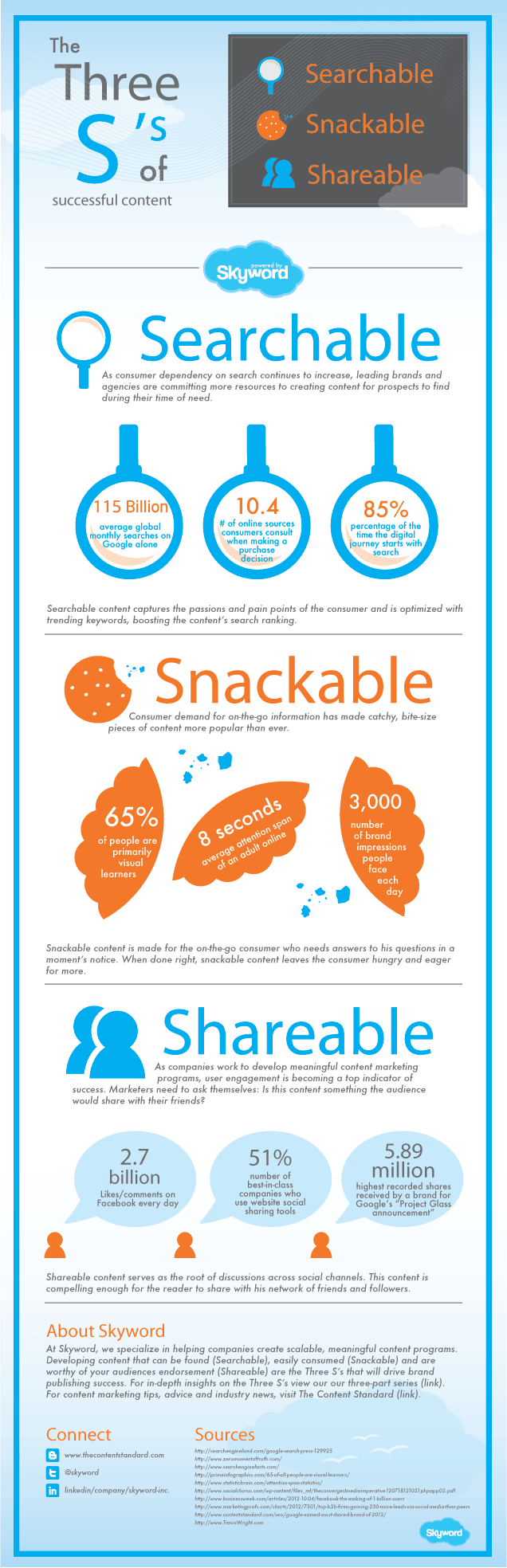
Infographic by Skyword.
Rule #1: Know Your Audience Inside Out
One of the most fundamental rules of successful blogging is knowing your audience like the back of your hand. Your audience is the driving force behind your blog’s success, and tailoring your content to their preferences and needs is paramount.
1.1. Define Your Target Audience
Before you even begin writing a blog post, it’s crucial to identify and define your target audience. Consider the following factors:
- Demographics: Age, gender, location, education level, and income are essential demographics to understand your audience better.
- Interests and Hobbies: What topics are they passionate about? What are their hobbies and interests? Knowing this will help you choose the right topics.
- Challenges and Pain Points: What problems do they face in their daily lives? Your blog posts can offer solutions and answers.
- Preferred Content Format: Some audiences prefer long-form articles, while others prefer videos, infographics, or podcasts. Cater to their preferred format.
- Level of Expertise: Are they beginners, intermediate, or experts in your niche? Tailor your content to their level of expertise.
1.2. Create Buyer Personas
Once you have a clear understanding of your target audience, create detailed buyer personas. Buyer personas are fictional representations of your ideal readers, incorporating all the demographics and psychographics you’ve gathered. They help you visualize and empathize with your audience, making it easier to create content that resonates with them.
1.3. Conduct Audience Research
Regularly conduct audience research to stay updated on your readers’ changing preferences and needs. Engage with your audience through surveys, social media, and comments to gather valuable feedback. Use analytics tools to track which blog posts are performing well and which are not, and adjust your content strategy accordingly.
By knowing your audience inside out, you’ll be able to craft blog posts that speak directly to their interests and concerns, increasing your chances of engagement and success.
Rule #2: Create Exceptional, Valuable Content
Once you’ve established a deep understanding of your audience, the next golden rule is to create exceptional, valuable content that keeps your readers coming back for more.
2.1. Quality Over Quantity
In the world of blogging, quality trumps quantity. It’s better to publish one well-researched, well-written, and highly informative blog post than to churn out several mediocre ones. Quality content not only attracts readers but also establishes your blog’s credibility and authority in your niche.
2.2. Research Thoroughly
Before you start writing, invest time in thorough research. Whether you’re writing about a topic you’re familiar with or a new subject, it’s essential to gather up-to-date information, statistics, and credible sources. This not only enhances the quality of your content but also helps you provide valuable insights to your readers.
2.3. Craft Engaging Headlines
Your blog post’s headline is the first thing readers see, and it plays a crucial role in whether they click through to read the full article. Craft headlines that are attention-grabbing, concise, and promise a clear benefit to the reader. Using numbers, questions, and power words can make your headlines more compelling.
2.4. Hook Your Readers
In the opening paragraphs of your blog post, create a compelling hook that captures your readers’ attention. Tell a story, present a shocking statistic, ask a thought-provoking question, or address a common pain point. The goal is to make your readers want to keep reading.
2.5. Provide Actionable Takeaways
Make sure your blog post offers actionable takeaways that readers can apply in their lives. Whether it’s step-by-step guides, practical tips, or expert advice, providing real value to your audience is key. When readers see the practical benefits of your content, they’re more likely to share it and return for more.
2.6. Use Visuals
Incorporating visuals like images, infographics, and videos can enhance the reader’s experience and make your content more shareable. Visuals break up long blocks of text and help illustrate complex concepts. Just be sure to use visuals that are relevant and enhance the understanding of your content.
2.7. Edit and Proofread
Before hitting the publish button, edit and proofread your blog post meticulously. Typos, grammatical errors, and poorly structured sentences can detract from the quality of your content. Consider using editing tools or having someone else review your work for a fresh perspective.
Rule #3: Promote, Promote, Promote
Creating outstanding content is only half the battle. The final golden rule of successful blog writing is effective promotion. If you don’t promote your blog posts, they may remain hidden in the vast sea of online content.
3.1. Utilize Social Media
Social media platforms are powerful tools for promoting your blog posts. Share your content on platforms where your target audience is most active. Craft engaging captions and use relevant hashtags to increase visibility. Consider scheduling posts at optimal times for your audience’s time zone.
3.2. Email Marketing
Building and maintaining an email list is a valuable asset for bloggers. Send regular newsletters featuring your latest blog posts to your subscribers. Personalize your emails and include a clear call to action to encourage readers to visit your blog.
3.3. Collaborate with Others
Collaboration with other bloggers, influencers, or experts in your niche can expand your reach significantly. Guest posting on other blogs, participating in collaborative projects, or hosting webinars with guest speakers can introduce your blog to new audiences.
3.4. SEO Optimization
Search engine optimization (SEO) is vital for organic traffic. Research relevant keywords and phrases for your blog post and incorporate them naturally into your content, headings, and meta descriptions. Use SEO plugins or tools to improve your blog’s visibility in search engine results.
3.5. Engage with Your Audience
Engagement is key to building a loyal readership. Respond promptly to comments on your blog and social media platforms. Encourage discussions and foster a sense of community among your readers. When your audience feels heard and valued, they’re more likely to return and share your content.
3.6. Analyze and Adapt
Regularly monitor the performance of your blog posts. Use analytics tools to track metrics such as page views, click-through rates, and conversion rates. Analyze which promotion strategies are working best and adjust your approach accordingly. Continuous improvement is essential for long-term success.
Conclusion
Successful blog writing is a multifaceted endeavor that requires a deep understanding of your audience, the creation of exceptional content, and effective promotion. By following the three golden rules outlined in this blog post, you can elevate your blogging game and increase your chances of achieving your goals, whether that’s growing your readership, monetizing your blog, or establishing yourself as an authority in your niche. Remember, blogging is not just about writing; it’s about connecting with your audience and providing them with valuable, engaging, and relevant content.

Author:
Mark Ford