
Pinterest is a visual discovery and bookmarking platform that has gained tremendous popularity in recent years.
With its focus on visual content and the ability to save and organize images, Pinterest has become a valuable platform for both individuals and businesses looking to showcase their products, services, and ideas.
One of the key metrics on Pinterest is “repins” – when someone saves (or “repins”) your content to their own boards, it can lead to increased visibility and engagement.
In this blog post, we will explore four effective ways to get more repins on Pinterest and boost your presence on the platform.
Infographic by HubSpot.
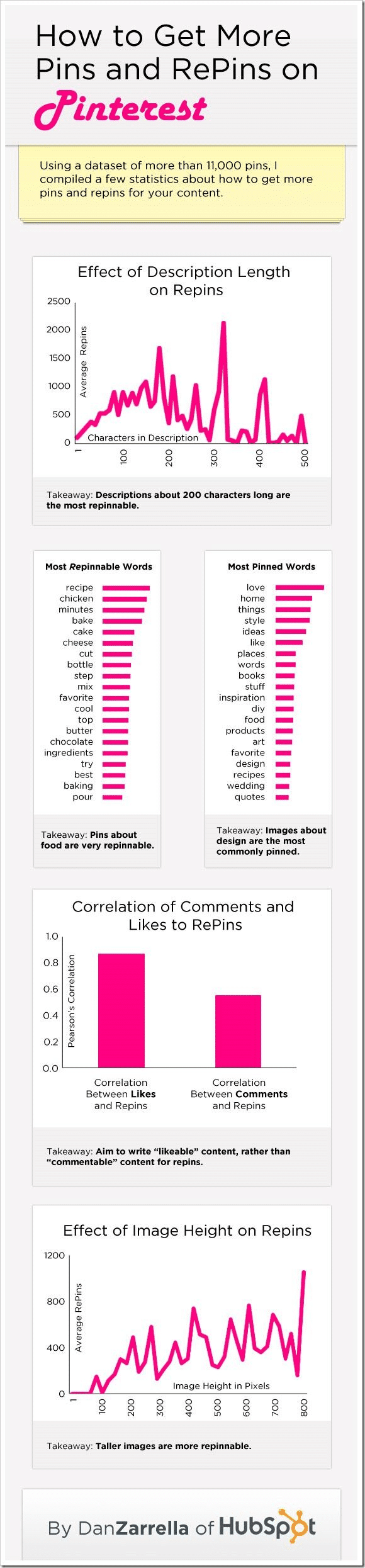
1. Create High-Quality, Eye-Catching Pins
The first and most crucial step to getting more repins on Pinterest is to create high-quality, eye-catching pins. Since Pinterest is a highly visual platform, the aesthetics of your pins matter a great deal. Here are some tips to help you create pins that stand out:
a. Use High-Resolution Images:
Pinterest is all about visual appeal, so make sure your images are of the highest quality possible. High-resolution images not only look more professional but also perform better on the platform.
b. Optimize Pin Size:
Pinterest recommends using a vertical aspect ratio for pins, preferably 2:3 (1000×1500 pixels). This size tends to display well in users’ feeds and on boards, increasing the chances of engagement.
c. Create Visually Appealing Graphics:
Incorporate eye-catching graphics, fonts, and colors into your pins. Use tools like Canva or Adobe Spark to design visually appealing graphics that align with your brand and content.
d. Add Text Overlays:
Include informative text overlays on your pins to provide context and attract attention. Briefly describe what your content is about, why it’s valuable, or what problem it solves.
e. Test Different Styles:
Experiment with different pin styles to see what resonates best with your audience. A/B testing can help you determine which design elements lead to more repins.
f. Showcase Your Brand:
Maintain consistency with your brand’s color palette, fonts, and logo to make your pins easily recognizable. This helps build brand awareness and trust among your audience.
2. Create and Optimize Engaging Descriptions
While the visual aspect of pins is crucial, don’t underestimate the power of well-crafted pin descriptions. A compelling description can entice users to repin your content and provide context for what they’re saving. Here’s how to create and optimize engaging pin descriptions:
a. Use Relevant Keywords:
Incorporate relevant keywords in your pin descriptions to improve discoverability. Think about the terms users might use to search for content like yours and include them naturally.
b. Be Descriptive and Informative:
Explain what your pin is about in a clear and concise manner. Share information that would make users want to click on and repin your pin.
c. Solve a Problem or Offer Value:
Highlight how your pin solves a problem, offers inspiration, or provides value to the user. Pins that offer practical solutions tend to get more repins.
d. Include a Call to Action (CTA):
Encourage users to take action by including a call to action in your pin description. For example, you could ask them to “save for later,” “click for more,” or “try this recipe.”
e. Keep It Concise:
While it’s essential to provide valuable information, keep your descriptions concise and scannable. Users should be able to grasp the main idea at a glance.
f. Use Emojis Sparingly:
Emojis can add personality to your pin descriptions, but use them sparingly and ensure they’re relevant to the content. Overusing emojis can make your descriptions appear unprofessional.
3. Pin Consistently and at the Right Times
Consistency is key on Pinterest. Regularly pinning fresh content not only keeps your profile active but also increases your chances of getting repins. Additionally, pinning at the right times can help you reach a larger audience. Here’s how to make the most of your pinning strategy:
a. Create a Pinning Schedule:
Establish a pinning schedule that works for you and your audience. Consistency matters more than frequency, so choose a schedule you can realistically maintain.
b. Use a Pinterest Scheduler:
Consider using a Pinterest scheduler like Tailwind or Buffer to automate your pinning schedule. These tools can help you maintain a consistent presence without spending all your time on the platform.
c. Pin During Peak Hours:
Research when your target audience is most active on Pinterest and schedule your pins accordingly. Peak times can vary by industry and time zone, so pay attention to your analytics.
d. Diversify Your Content:
Don’t limit yourself to only promoting your products or services. Share a variety of content, including curated pins, helpful tips, and inspirational quotes. Diversifying your content can attract a broader audience.
e. Revisit and Update Old Pins:
Don’t forget about your older pins. Periodically review and update them with fresh descriptions, keywords, and images to keep them relevant and engaging.
4. Join Group Boards and Collaborate
Pinterest group boards are an excellent way to expand your reach and increase your chances of getting more repins. Group boards allow multiple contributors to share their content with a larger audience. Here’s how to leverage group boards effectively:
a. Find and Join Relevant Group Boards:
Search for group boards in your niche or industry using Pinterest’s search feature or tools like PinGroupie. Look for boards with active engagement and a substantial number of followers.
b. Follow Board Rules:
Each group board has specific rules set by the board owner. Be sure to read and follow these rules to avoid being removed from the board. Common rules include pinning ratio requirements and content guidelines.
c. Contribute Valuable Content:
When you join a group board, contribute high-quality, relevant content regularly. Be an active member of the community by liking, repinning, and commenting on others’ pins.
d. Collaborate with Influencers:
If possible, collaborate with influencers or individuals who have a significant following on Pinterest. Their endorsement and participation can boost the visibility of your pins and lead to more repins.
e. Create Your Group Board:
Consider creating your group board and inviting others to join. This allows you to curate content and build a community around a specific topic or niche.
In conclusion, getting more repins on Pinterest requires a combination of visually appealing pins, optimized descriptions, a consistent pinning strategy, and strategic collaboration through group boards. By implementing these four key strategies, you can enhance your presence on Pinterest, increase engagement, and ultimately drive more traffic to your website or blog. Remember that Pinterest is a platform where creativity and persistence pay off, so stay committed to refining your approach and adapting to the changing landscape of this visually-driven social network.

Author:
Mark Ford

How to Create Platform-Specific Social Media Content Without Doubling Your Workload
Are you struggling to keep your social media content consistent across platforms without it eating up your time? Want to learn how to adapt one idea for Facebook, Instagram, LinkedIn, TikTok, and X without creating everything from scratch? […]