In today’s digital age, online video content has become an integral part of the online experience. Whether you’re a content creator, a business owner, or simply an individual looking to share your passion, video is a powerful medium to connect with your audience.
However, with the vast amount of video content available on the internet, it’s essential to ensure that your videos are discoverable.
That’s where Video SEO (Search Engine Optimization) comes into play. Video SEO is the practice of optimizing your video content to rank higher in search engine results, making it more visible to your target audience.
In this blog post, we’ll explore five valuable tips to improve your Video SEO and increase your video’s reach and impact.
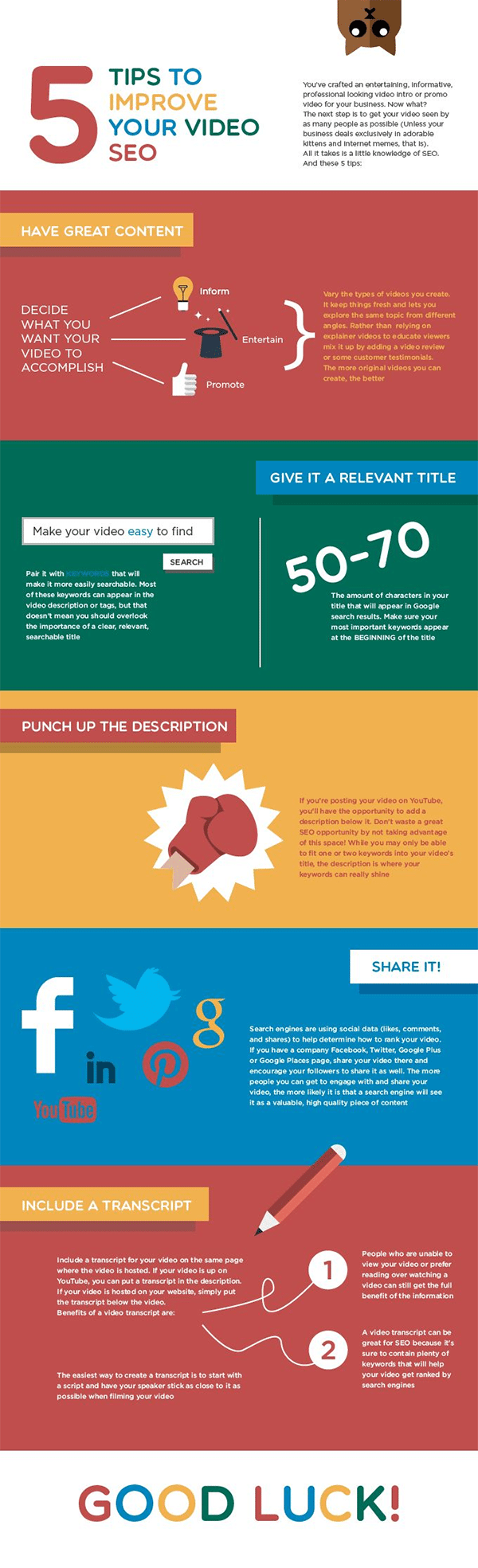
Create High-Quality, Engaging Video Content
Before diving into the technical aspects of Video SEO, it’s crucial to emphasize the importance of creating high-quality, engaging video content. No amount of optimization can compensate for poor content. Your video should be relevant, informative, and engaging to your target audience. Consider the following when creating your video:
- a. Content Relevance: Ensure that your video content aligns with the interests and needs of your target audience. Conduct research to understand what topics and themes resonate with them.
- b. Video Production Quality: Invest in good equipment, such as cameras, microphones, and lighting, to ensure your video has excellent production quality. Clear audio and video make your content more enjoyable to watch.
- c. Engaging Storytelling: Tell a compelling story in your video. Use visuals, narration, and music effectively to capture your viewers’ attention and keep them engaged.
- d. Video Length: Keep your video length appropriate for your content. In general, shorter videos are more shareable and have a higher chance of retaining viewers’ attention.
Once you have created high-quality video content, you can move on to optimizing it for search engines.
Optimize Video Metadata
Metadata is crucial for Video SEO. Metadata includes all the information about your video that search engines use to understand and index your content correctly. To optimize your video metadata:
- a. Video Title: Craft a descriptive and compelling video title. Include relevant keywords that accurately represent the content of your video. Keep it concise but informative.
- b. Video Description: Write a detailed video description that provides context about the video’s content. Include relevant keywords naturally within the description. You can also add links to related content or your website.
- c. Video Tags: Use relevant keywords as tags for your video. These tags help search engines categorize your content correctly. Be specific with your tags and avoid using unrelated or irrelevant keywords.
- d. Thumbnail Image: Choose an eye-catching and relevant thumbnail image for your video. A compelling thumbnail can increase click-through rates and improve your video’s ranking.
Transcribe Your Video Content
Transcribing your video content involves creating a text-based version of the spoken words in your video. This text can be used as captions or subtitles and is valuable for Video SEO. Here’s why transcription is essential:
- a. Accessibility: Transcriptions make your video content accessible to a broader audience, including those who are deaf or hard of hearing. This enhances the user experience and can improve your video’s ranking.
- b. Search Engine Crawling: Search engines can’t watch videos, but they can read text. By providing a transcription, you give search engines valuable content to index, making it easier for them to understand the video’s context and rank it appropriately.
- c. Keyword Usage: Transcriptions allow you to naturally incorporate keywords and key phrases into your video content. This can boost your video’s visibility in search results.
- d. User Engagement: Viewers can follow along more easily with your video if they have the option to read the text. This can increase watch time and engagement, which are factors considered by search engines when ranking videos.
Optimize Video Hosting Platforms
When you publish your video on popular hosting platforms like YouTube, Vimeo, or Dailymotion, you have the opportunity to optimize your video for better search visibility within those platforms. Here are some tips for optimizing your video on hosting platforms:
- a. Video Title and Description: Use the same principles for video titles and descriptions on the hosting platform as you would for your website. Craft compelling titles and informative descriptions with relevant keywords.
- b. Video Categories and Tags: Select the most appropriate category for your video and use relevant tags. This helps the hosting platform understand the content and recommend it to users interested in similar topics.
- c. Custom Thumbnails: Most hosting platforms allow you to upload custom thumbnails. Create an appealing thumbnail that accurately represents your video’s content and entices viewers to click.
- d. Video End Screens and Cards: Use end screens and cards to promote other relevant videos or playlists on your channel. This can help increase user engagement and keep viewers on your channel longer.
- e. Playlists: Organize your videos into playlists based on topics or themes. Playlists can improve the overall user experience and encourage viewers to watch more of your content.
- f. Engage with Your Audience: Respond to comments and engage with your audience on the hosting platform. Positive interactions can lead to higher user engagement and better search rankings.
Promote Your Video Across Multiple Channels
To maximize the visibility of your video, it’s essential to promote it across various channels and platforms. Here are some strategies to consider:
- a. Share on Social Media: Share your video on your social media profiles, and encourage your followers to do the same. Social media platforms can drive traffic and engagement to your video.
- b. Embed on Your Website: Embed your video on relevant pages of your website. This not only provides valuable content to your website visitors but also improves your video’s SEO by increasing its on-page time.
- c. Email Marketing: If you have an email list, send out a newsletter featuring your video. Email marketing is a powerful way to reach your existing audience.
- d. Collaborate with Others: Collaborate with influencers or creators in your niche to promote your video. Guest appearances or collaborations can introduce your content to new audiences.
- e. Monitor and Analyze: Use analytics tools to monitor the performance of your video. Track metrics such as views, watch time, click-through rate, and audience retention. Analyze this data to refine your Video SEO strategy continually.
Conclusion
Video SEO is a crucial aspect of online video marketing and content creation. By following these five tips, you can improve the visibility and reach of your videos, ultimately driving more organic traffic to your content. Remember that creating high-quality video content is the foundation of any successful Video SEO strategy. Combine excellent content with effective optimization techniques, and you’ll be well on your way to achieving better search rankings and reaching a broader audience. Keep monitoring your video’s performance and be willing to adapt your strategy to stay ahead in the ever-evolving world of online video.

Author:
Mark Ford