In today’s digital age, having a strong online presence is crucial for the success of any business.
Whether you’re a small startup or a well-established company, online marketing can help you reach a wider audience, increase brand awareness, and boost sales.
In this blog post, we’ll explore seven awesome ways to market your business online effectively.
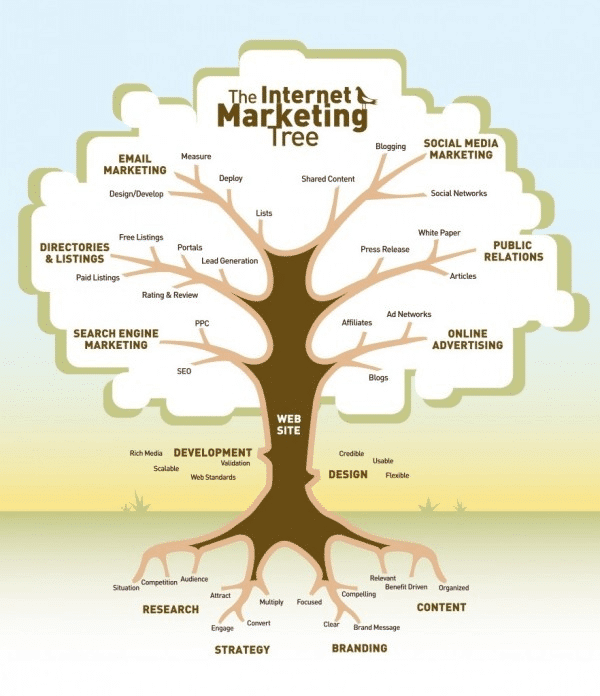
1. Search Engine Optimization (SEO)
Search Engine Optimization (SEO) is the process of optimizing your website to rank higher in search engine results. When potential customers search for products or services related to your business, you want to ensure that your website appears at the top of the search results. Here are some key aspects of SEO:
- Keyword Research: Start by researching relevant keywords that potential customers might use to find businesses like yours. Tools like Google Keyword Planner can help you identify high-traffic keywords.
- On-Page SEO: Optimize your website’s content and structure to make it search engine-friendly. This includes using relevant keywords in your titles, headings, and content, as well as optimizing images and improving page load speed.
- Quality Content: Create high-quality, informative, and engaging content that adds value to your audience. Regularly publishing blog posts, articles, and other forms of content can improve your website’s SEO and establish your authority in your industry.
- Backlinks: Build a strong backlink profile by earning links from reputable websites in your industry. Guest posting, partnerships, and outreach can help you acquire valuable backlinks.
- Mobile Optimization: Ensure your website is mobile-friendly, as Google considers mobile-friendliness when ranking websites.
- Local SEO: If you have a physical presence, optimize your website for local search by creating and optimizing your Google My Business listing and encouraging customer reviews.
2. Social Media Marketing
Social media platforms like Facebook, Instagram, Twitter, and LinkedIn provide powerful tools for reaching and engaging with your target audience. Here’s how you can leverage social media marketing:
- Content Sharing: Regularly share relevant content, including blog posts, videos, images, and infographics, to keep your audience engaged.
- Paid Advertising: Use paid social media advertising to target specific demographics and interests. Platforms like Facebook Ads and Instagram Ads allow you to create highly targeted campaigns.
- Engagement: Respond to comments, messages, and mentions promptly. Building a strong social media presence requires active engagement with your audience.
- Influencer Partnerships: Collaborate with influencers in your industry to reach a larger audience and build credibility.
- Analytics: Use social media analytics tools to track the performance of your posts and campaigns. Adjust your strategy based on what works best for your audience.
3. Content Marketing
Content marketing involves creating and sharing valuable content to attract and retain a clearly defined audience. This content can take various forms, including blog posts, videos, podcasts, ebooks, and more. Here’s how to excel at content marketing:
- Identify Your Audience: Understand your target audience’s needs, pain points, and interests to create content that resonates with them.
- Consistency: Maintain a regular posting schedule to keep your audience engaged and coming back for more.
- Quality over Quantity: Focus on producing high-quality content that provides value. It’s better to create fewer pieces of exceptional content than to publish low-quality content frequently.
- Optimize for SEO: Ensure your content is optimized for search engines to attract organic traffic.
- Email Marketing: Build an email list and use it to share your content with subscribers. Email marketing is an effective way to nurture leads and convert them into customers.
4. Pay-Per-Click (PPC) Advertising
PPC advertising allows you to place ads on search engines and other online platforms and pay only when someone clicks on your ad. Google Ads is one of the most popular PPC advertising platforms. Here’s how to get started with PPC advertising:
- Keyword Research: Conduct thorough keyword research to identify the most relevant and cost-effective keywords for your business.
- Ad Campaigns: Create targeted ad campaigns that align with your business goals, whether it’s driving traffic to your website, generating leads, or boosting sales.
- Ad Copy: Write compelling ad copy that encourages users to click on your ads. Highlight the unique selling points of your products or services.
- Budget Management: Set a daily or monthly budget to control your ad spend. Monitor your campaigns regularly and adjust your budget and bidding strategy as needed.
- Conversion Tracking: Implement conversion tracking to measure the effectiveness of your campaigns and optimize for better results.
5. Email Marketing
Email marketing remains one of the most effective ways to communicate with your audience and nurture leads. Here are some email marketing strategies to consider:
- Segmentation: Divide your email list into segments based on factors like demographics, behavior, and purchase history. This allows you to send targeted and relevant content to each segment.
- Personalization: Personalize your emails by addressing recipients by their name and tailoring the content to their interests and preferences.
- Automation: Use email marketing automation tools to send automated emails, such as welcome emails, abandoned cart reminders, and follow-up sequences.
- A/B Testing: Experiment with different subject lines, email designs, and calls to action to determine what resonates best with your audience.
- Analytics: Monitor the performance of your email campaigns and use the data to refine your strategy over time.
6. Video Marketing
Video has become an increasingly popular and engaging format for online marketing. Platforms like YouTube, TikTok, and Instagram offer opportunities for businesses to create and share video content. Here’s how to make the most of video marketing:
- Create Engaging Videos: Produce high-quality, informative, and entertaining videos that resonate with your target audience.
- YouTube Channel: If appropriate for your business, create a YouTube channel and regularly upload videos related to your industry, products, or services.
- Live Streaming: Use live streaming on platforms like Facebook Live or Instagram Live to engage with your audience in real-time.
- Video Ads: Consider using video ads on platforms like YouTube and Facebook to reach a wider audience.
- Optimize for SEO: Add relevant keywords and descriptions to your videos to improve their discoverability on platforms like YouTube.
7. Affiliate Marketing
Affiliate marketing is a performance-based marketing strategy where you partner with affiliates (individuals or other businesses) to promote your products or services in exchange for a commission on sales generated through their referrals. Here’s how to set up an affiliate marketing program:
- Affiliate Network: Join an affiliate network or use affiliate marketing software to manage your program effectively.
- Commission Structure: Determine the commission structure that aligns with your business goals. This could be a percentage of each sale, a fixed amount, or a combination of both.
- Promotional Materials: Provide affiliates with marketing materials, such as banners, text links, and product information, to help them promote your offerings.
- Tracking and Analytics: Implement tracking and analytics tools to monitor affiliate performance and calculate commissions accurately.
- Communication: Maintain open communication with your affiliates and provide them with the support they need to succeed.
In conclusion, online marketing offers numerous opportunities to promote your business and connect with your target audience. By incorporating these seven awesome strategies into your marketing plan, you can boost your online presence, drive traffic to your website, and ultimately increase your business’s success in the digital world. Remember that effective online marketing requires ongoing effort, adaptation to changing trends, and a deep understanding of your audience’s needs and preferences.

Author:
Mark Ford

The Complete Content Mix: What Every Business Should Be Publishing
Are you struggling to decide what types of content your business should be publishing to attract more traffic and engagement? Want to learn how to build the perfect content mix that keeps your audience interested and your brand growing? […]