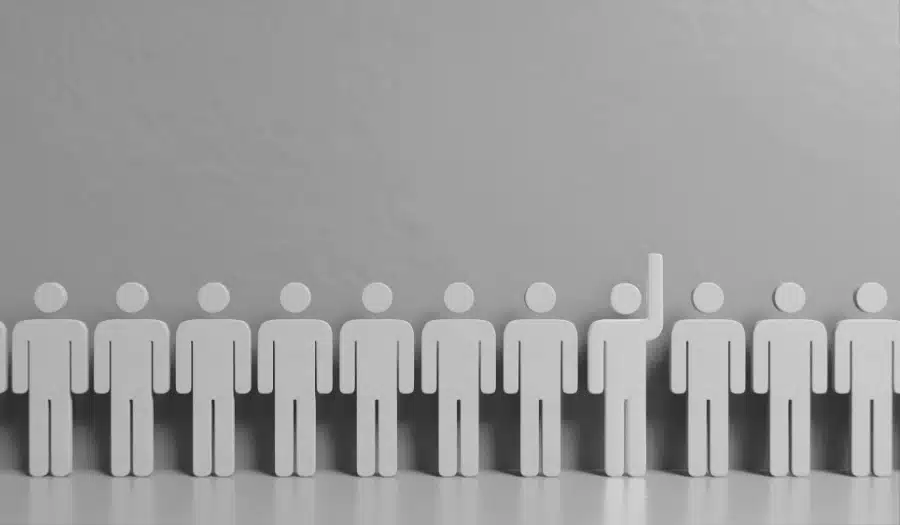
Are you looking for ways to improve your marketing? Want to segment your customers so that you can better target their needs?
Dawning Digital share their customer segmentation tips in this infographic.
They break things down as follows:
- Geographics
- Demographics
- Psychographics
- Behavioural
Check out the infographic for more.
![Customer Segmentation Basics: 28 Ways to Segment for Better Marketing [Infographic]](https://red-website-design.co.uk/wp-content/uploads/Customer-Segmentation-Basics-28-Ways-to-Segment-for-Better-Marketing.jpg)
Customer segmentation is a fundamental concept in marketing that involves dividing your target audience into distinct groups based on shared characteristics or behaviors. By understanding the diverse needs and preferences of your customers, you can tailor your marketing strategies and messages to better resonate with each group.
Effective customer segmentation can lead to improved engagement, higher conversion rates, and ultimately, increased revenue. In this comprehensive guide, we will explore 28 different ways to segment your customers for more effective marketing campaigns.
Demographic Segmentation
Demographic segmentation involves categorizing customers based on demographic factors like age, gender, income, education, and marital status. This classic method provides a broad overview of your audience and helps in crafting messages that appeal to specific age groups or income brackets.
Geographic Segmentation
Geographic segmentation divides customers based on their location, such as country, state, city, or zip code. It’s essential for businesses that offer location-specific products or services, allowing them to tailor marketing efforts to regional preferences and needs.
Psychographic Segmentation
Psychographic segmentation delves into customers’ lifestyles, values, interests, and personalities. It helps you understand what drives your customers and what they care about, enabling you to create more relevant content and experiences.
Behavioral Segmentation
Behavioral segmentation focuses on how customers interact with your brand. It considers factors like purchase history, online activity, and product usage. Understanding behaviors helps you identify cross-selling and upselling opportunities.
Purchase History
Segmenting customers based on their purchase history allows you to target loyal customers with special offers, re-engage inactive customers, and tailor product recommendations.
Customer Loyalty
Identify and reward loyal customers with exclusive discounts, early access to products, or loyalty programs. Encourage repeat business and referrals from this segment.
Customer Lifetime Value (CLV)
CLV segmentation helps you allocate marketing resources more efficiently by prioritizing customers with higher long-term value. Focus your retention efforts on high-CLV customers while providing added value to increase their loyalty.
User Engagement
Segmenting based on user engagement metrics, such as website visits, email opens, and click-through rates, allows you to target engaged customers with personalized content to keep them interested and involved.
Customer Feedback
Analyze customer feedback to understand their pain points and preferences. Use this segmentation to address specific issues and improve the overall customer experience.
Purchase Frequency
Customers who buy frequently have different needs than occasional buyers. Segment them to tailor marketing messages, promotions, and product recommendations accordingly.
Product Usage
For businesses with a range of products, segment customers based on the specific products they use. This can help you create targeted marketing campaigns and product recommendations.
Email Engagement
Email marketing remains a powerful tool. Segment your email list based on open and click rates to send more relevant content and increase email marketing effectiveness.
Social Media Behavior
Analyze how customers engage with your brand on social media. Segmenting based on social media behavior helps you target users with content that aligns with their preferences and online habits.
Content Engagement
Track which types of content your customers engage with most (e.g., blog posts, videos, infographics). Segment your audience accordingly to deliver more of the content they love.
Customer Journey Stage
Segment customers based on where they are in the customer journey (awareness, consideration, decision, retention). This enables you to deliver content and offers that guide them to the next stage.
Channel Preference
Some customers prefer shopping in-store, while others prefer online shopping. Segment your audience based on channel preference to optimize your marketing strategy.
Browsing Behavior
Analyze the pages customers visit on your website, products they view, and time spent on each page. Create personalized recommendations and retargeting campaigns based on their browsing behavior.
Abandoned Carts
Segment customers who abandon their shopping carts and send them targeted follow-up emails with incentives to complete their purchases.
Email Subscription Status
Segment your email list based on subscription status. Send different messages to subscribers, non-subscribers, and those who have unsubscribed but can be re-engaged.
Lead Source
Determine how customers found your brand, whether through organic search, social media, referrals, or paid advertising. This helps you allocate marketing budgets effectively.
Customer Persona
Create customer personas based on common traits, pain points, and goals. Tailor your marketing efforts to each persona’s unique needs.
Customer Satisfaction
Use Net Promoter Score (NPS) or customer satisfaction surveys to segment customers into promoters, passives, and detractors. Prioritize efforts to turn detractors into promoters.
Customer Feedback Sentiment
Segment customers based on the sentiment of their feedback, whether positive, neutral, or negative. Respond differently to each group to address their concerns effectively.
Seasonal Behavior
Identify customers who make seasonal purchases and adjust your marketing campaigns to match their buying patterns.
Event Attendance
For businesses that host events or webinars, segment attendees to send event-specific content, invitations, or follow-ups.
Purchase Channel
Segment customers based on the channel they use to make purchases, such as mobile app, website, or physical store. Customize marketing efforts for each channel.
Referral Source
Track how customers were referred to your business, whether through word-of-mouth, social media shares, or influencer recommendations. Leverage this information for targeted outreach.
Churn Risk
Predict customers at risk of churning (leaving your brand). Segment them and implement retention strategies, such as personalized offers or proactive customer support.
Conclusion
Customer segmentation is a versatile and powerful tool that can significantly enhance your marketing efforts. By dividing your audience into distinct groups based on various criteria, you can deliver more personalized and relevant experiences, leading to higher engagement and conversion rates.
The 28 segmentation methods discussed in this guide offer a wide range of options to choose from, allowing you to fine-tune your marketing strategy to meet the diverse needs and preferences of your customers.
Remember that effective segmentation is an ongoing process, requiring continuous data analysis and adjustment to stay aligned with your customers’ evolving behaviors and expectations. Implement these segmentation strategies thoughtfully, and you’ll be well on your way to achieving better marketing results and driving business success.

Author:
Mark Ford

From Confusion to Clarity: How to Steer Your Marketing Away from These Frequent Errors
Are you struggling to make sense of your marketing strategy and wondering why your results aren’t matching your effort? Want to learn how to avoid the most common marketing mistakes and create a clear, focused plan that actually delivers results? […]

85 Game-Changing Tools for Creators, Marketers, and Entrepreneurs
Are you searching for powerful yet free tools to help you grow your brand, streamline your workflow, and boost your online presence? Want to discover game-changing platforms that every creator, marketer, and entrepreneur should be using right now? […]