Marketing is a field that requires creativity, innovation, and the ability to connect with consumers on a personal level. It’s a discipline that constantly evolves, as businesses strive to find new ways to reach their target audience and stand out in a crowded marketplace.
While the use of alcohol in marketing may raise eyebrows and ethical concerns, it’s worth exploring the potential benefits that moderate and responsible consumption of alcohol can have on your marketing efforts.
In this blog post, we’ll delve into the ways in which alcohol can improve your marketing efforts. We’ll explore the science behind how alcohol can enhance creativity, the role of alcohol in building business relationships, and the potential pitfalls to avoid when incorporating alcohol into your marketing strategy.
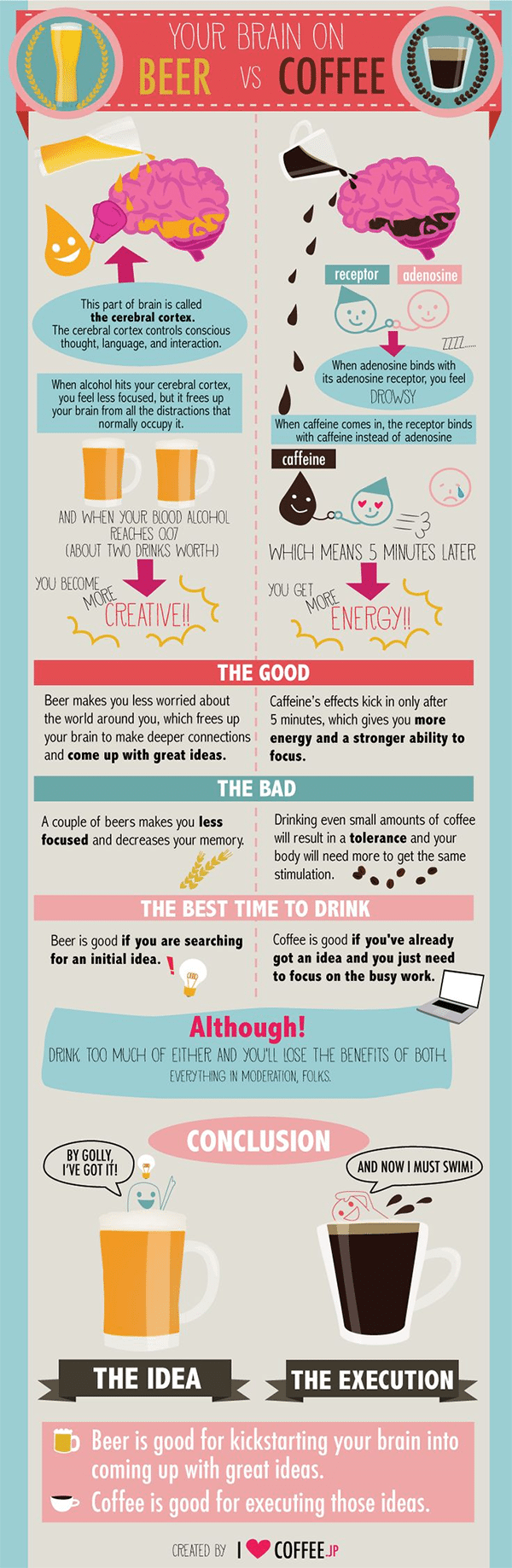
Infographic by I Love Coffee.
The Science of Creativity and Alcohol
One of the most widely debated topics is the relationship between alcohol and creativity. While excessive alcohol consumption can have detrimental effects on both physical and mental health, moderate alcohol consumption has been associated with certain cognitive benefits, including enhanced creativity.
- Enhanced Creativity: Many creative professionals, including writers, artists, and marketers, have reported that they feel more creative after consuming a small amount of alcohol. This phenomenon is attributed to alcohol’s ability to lower inhibitions, reduce self-censorship, and boost the brain’s dopamine levels.
- Improved Idea Generation: Alcohol can also enhance idea generation. In a study published in the journal “Consciousness and Cognition,” researchers found that moderate alcohol consumption can improve creative problem-solving by allowing individuals to think outside the box.
However, it’s important to emphasize the word “moderate” in this context. Excessive alcohol consumption can impair cognitive function and lead to poor decision-making, which can be detrimental to your marketing efforts.
Alcohol as a Social Lubricant
Marketing is not just about ideas and strategies; it’s also about building relationships with clients, partners, and colleagues. Alcohol has long been used as a social lubricant, facilitating networking and relationship-building in various professional settings. Here’s how it can benefit your marketing efforts:
- Networking: Whether you’re attending a conference, a business dinner, or a casual meet-up, alcohol can help ease social anxiety and facilitate networking. It can make interactions with potential clients or partners more relaxed and enjoyable, leading to more meaningful connections.
- Building Trust: Sharing a drink can be a symbolic act of trust and camaraderie. It can create a sense of camaraderie and shared experience, which can be valuable when trying to establish trust and rapport with clients or colleagues.
- Breaking the Ice: Alcohol can break down barriers and make conversations more fluid. It can help initiate discussions and open up opportunities to discuss business matters more comfortably.
However, it’s crucial to exercise caution when using alcohol as a social lubricant. Overindulgence can lead to embarrassing situations, impaired judgment, and damaged relationships. Always drink responsibly and be mindful of your limits.
Alcohol in Marketing Campaigns
In recent years, some brands have incorporated alcohol into their marketing campaigns with varying degrees of success. When done correctly, alcohol can add a unique and memorable element to a campaign. Here are some examples:
- Experiential Marketing: Brands have created immersive experiences centered around alcohol, such as pop-up bars or tastings. These events not only promote the product but also create a memorable and shareable experience for consumers.
- Influencer Partnerships: Collaborating with influencers who are known for their appreciation of alcohol can help brands reach a specific audience. Influencers can authentically promote alcohol-related products or experiences to their followers.
- Storytelling: Alcohol can be used as a storytelling element in marketing campaigns. For example, telling the story of the distillation process or the history of a particular beverage can add depth and authenticity to the brand.
It’s important to note that marketing campaigns involving alcohol must adhere to legal and ethical guidelines. Promoting responsible drinking and not encouraging excessive or irresponsible alcohol consumption is paramount.
Potential Pitfalls and Ethical Considerations
While alcohol can have its benefits in marketing, there are significant risks and ethical concerns to consider:
- Legal Restrictions: Alcohol marketing is subject to strict regulations and age restrictions in many countries. Ensure that your marketing campaigns comply with local laws and regulations to avoid legal issues.
- Health and Responsibility: Promoting alcohol in any form comes with a responsibility to encourage responsible drinking and not glamorize excessive consumption. Irresponsible messaging can have serious consequences for individuals and society as a whole.
- Brand Image: Associating your brand with alcohol can have long-term implications for its image. Consider how such associations align with your brand values and target audience.
- Sensitivity: Be sensitive to the fact that some individuals may have personal or cultural reasons for abstaining from alcohol. Avoid excluding or alienating potential customers by respecting their choices.
Conclusion
In conclusion, while alcohol can have its place in improving marketing efforts, it should be approached with caution and responsibility. When used in moderation and with a focus on enhancing creativity, building relationships, and crafting memorable marketing campaigns, alcohol can add a unique dimension to your marketing strategy. However, it’s essential to be aware of the potential pitfalls, legal restrictions, and ethical considerations associated with alcohol in marketing.
Ultimately, the decision to incorporate alcohol into your marketing efforts should align with your brand’s values, your target audience, and the specific goals of your campaign. When done thoughtfully and responsibly, alcohol can be a tool for enhancing creativity, forging connections, and creating memorable marketing experiences.

Author:
Mark Ford