So, you’ve heard of influencer marketing, but you’re not sure how it works or the benefits it can bring to your business?
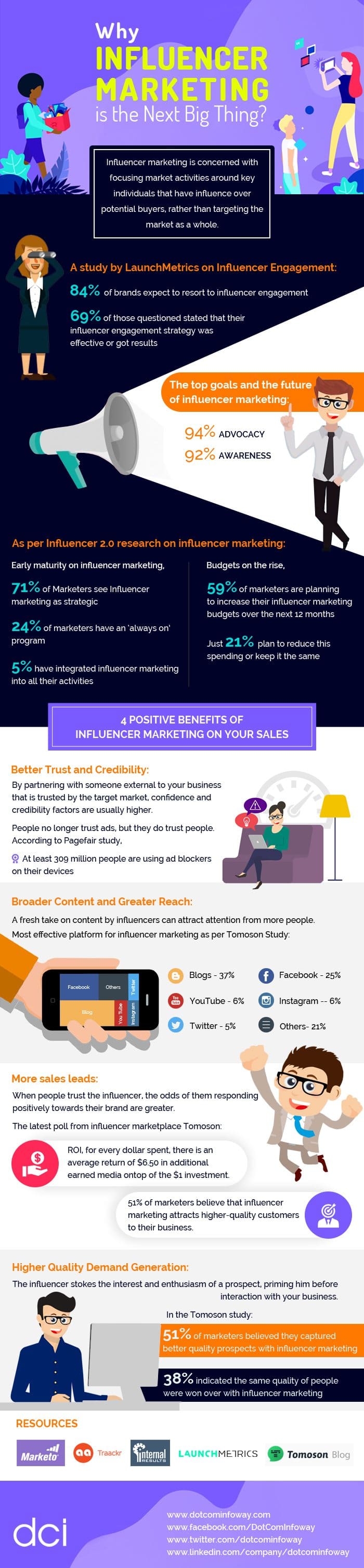
DCI share the stats and facts you need to know in this infographic.
Here’s a summary of the benefits:
- Better trust and credibility
- Broader content and greater reach
- More sales leads
- Higher quality demand generation
Check out the infographic for more detail.
Influencer marketing has quickly become a cornerstone of many companies’ digital strategies. Leveraging the power of influencers—individuals with significant followings on social media—allows brands to tap into pre-established networks of trust and credibility. But why has influencer marketing become such a hot topic? In this post, we will explore four key benefits of influencer marketing: better trust and credibility, broader content and greater reach, more sales leads, and higher quality demand generation.
Better Trust and Credibility
For small businesses, building trust and credibility is essential for growth and sustainability. Unlike established brands, small businesses often start with little to no brand recognition, making it challenging to win over new customers. Influencer marketing can be a game-changer in this regard, as it leverages the trusted relationships that influencers have already established with their followers. Here’s how small businesses can effectively use influencer marketing to build better trust and credibility.
- Choose the Right Influencers
Selecting the right influencers is critical for the success of your campaign. Here are some factors to consider:
- Relevance: Ensure the influencer’s content aligns with your brand values and products. Their audience should match your target demographic.
- Engagement Rate: Look for influencers who have high engagement rates rather than just a large follower count. Engagement indicates an active and interested audience.
- Authenticity: Choose influencers who are known for their authenticity. Their followers should trust their opinions and recommendations.
- Build Genuine Relationships
Building a genuine relationship with influencers is more effective than transactional collaborations. Here’s how to do it:
- Personalized Outreach: Approach influencers with personalized messages that show you’ve done your homework. Mention specific content of theirs that you enjoyed and explain why you think a partnership would be beneficial.
- Mutual Benefits: Ensure the collaboration is mutually beneficial. Offer fair compensation or product exchanges that acknowledge the value the influencer brings to your brand.
- Long-Term Partnerships: Consider long-term collaborations rather than one-off campaigns. Long-term relationships help build ongoing trust and familiarity with your brand.
- Encourage Authentic Content
Authenticity is the cornerstone of influencer marketing. Encourage influencers to create content that feels natural and true to their voice:
- Creative Freedom: Give influencers the creative freedom to present your product in a way that resonates with their audience. Provide guidelines but avoid scripting their content.
- Personal Stories: Encourage influencers to share personal stories or experiences with your product. Personal anecdotes can make endorsements more relatable and trustworthy.
- Transparency: Ensure influencers disclose their partnerships with your brand to maintain transparency and trust with their audience.
- Leverage Micro-Influencers
Micro-influencers (those with smaller but highly engaged followings) can be particularly effective for small businesses:
- Niche Audiences: Micro-influencers often cater to specific niches. Partnering with them allows you to reach highly targeted audiences who are more likely to be interested in your products.
- Higher Engagement: Micro-influencers typically have higher engagement rates compared to macro-influencers. Their followers often view them as peers rather than celebrities, making their recommendations more impactful.
- Cost-Effective: Collaborating with micro-influencers is usually more affordable, making it a cost-effective strategy for small businesses with limited budgets.
- Provide Value to the Influencer’s Audience
To build credibility, ensure that your collaboration provides real value to the influencer’s audience:
- Exclusive Discounts: Offer exclusive discounts or special offers to the influencer’s followers. This not only incentivizes purchases but also makes the followers feel valued.
- Useful Content: Create content that educates or entertains the audience. For example, if you’re a skincare brand, you could collaborate with an influencer to create a tutorial on skincare routines.
- Giveaways and Contests: Organize giveaways or contests in partnership with influencers. This can boost engagement and attract new followers to both the influencer’s and your brand’s social media accounts.
- Engage with Influencer Content
Actively engage with the content that influencers create for your brand:
- Comment and Share: Show appreciation by commenting on and sharing the influencer’s posts. This not only acknowledges their efforts but also increases the visibility of the content.
- Feature Influencers on Your Channels: Share influencer content on your own social media channels and website. This can amplify the reach and also demonstrate a strong relationship between your brand and the influencer.
- User-Generated Content: Encourage followers to create and share their own content using your products. Featuring this user-generated content on your platforms can further enhance trust and credibility.
- Monitor and Measure Success
Track the performance of your influencer marketing campaigns to understand what works best:
- Engagement Metrics: Monitor likes, comments, shares, and other engagement metrics to gauge the impact of the influencer’s content.
- Traffic and Sales: Use unique tracking links or discount codes to measure the traffic and sales generated from the influencer’s posts.
- Feedback: Collect feedback from both the influencer and their audience. This can provide valuable insights for future campaigns and help improve your approach.
- Foster Community and Trust
Building a community around your brand can enhance trust and credibility:
- Community Engagement: Engage with your audience regularly through comments, direct messages, and community features. Show that you value their opinions and feedback.
- Transparency: Be transparent about your business practices, product ingredients, and sourcing. Transparency builds trust and can set you apart from competitors.
- Customer Stories: Share testimonials and stories from satisfied customers. Real-life experiences from other consumers can reinforce the positive image built by influencer endorsements.
- Stay Consistent
Consistency in your marketing efforts is crucial:
- Regular Collaborations: Maintain a regular schedule of influencer collaborations to keep your brand consistently in the minds of potential customers.
- Brand Voice: Ensure that all influencer content aligns with your brand voice and message. Consistency in messaging helps build a strong and recognizable brand identity.
- Quality Over Quantity: Focus on the quality of collaborations rather than the quantity. A few well-executed partnerships can be more effective than numerous mediocre ones.
Conclusion
For small businesses, building trust and credibility through influencer marketing is a strategic move that can yield significant benefits. By choosing the right influencers, fostering genuine relationships, and providing value to both the influencer and their audience, small businesses can leverage influencer marketing to establish a credible and trusted brand presence. Monitoring the success of these efforts and staying consistent in your approach will further strengthen the trust and credibility you build, ultimately driving growth and sustainability for your business.
Broader Content and Greater Reach
For small businesses, maximizing content reach and diversifying their marketing efforts are crucial steps towards growth and sustainability. Influencer marketing offers a powerful way to expand your content horizons and reach wider audiences through trusted voices. Here are detailed tips and guidance on how small businesses can leverage influencer marketing to achieve broader content and greater reach.
- Identify Diverse Influencers
To ensure your content reaches a wide range of potential customers, collaborate with diverse influencers:
- Different Niches: Partner with influencers from various niches relevant to your product. For instance, if you sell eco-friendly products, consider working with influencers in the sustainability, lifestyle, and fashion niches.
- Audience Demographics: Collaborate with influencers who have different demographic followings (age, gender, location, etc.). This helps you tap into various segments of your target market.
- Content Styles: Choose influencers with different content styles—such as bloggers, vloggers, and social media influencers. This variety will help you present your brand in multiple formats.
- Utilize Multiple Content Formats
Influencers are adept at creating various types of content. By leveraging these different formats, you can engage your audience in multiple ways:
- Videos: Video content is highly engaging and can effectively showcase your products. Influencers can create unboxings, tutorials, reviews, and lifestyle videos featuring your products.
- Blog Posts: Detailed blog posts by influencers can provide in-depth reviews and information about your products. This content is excellent for SEO and long-term engagement.
- Social Media Posts: Instagram, TikTok, and Facebook posts can quickly reach a large audience. These posts can include photos, short videos, and stories, offering immediate engagement.
- Live Streams: Live streaming allows influencers to interact with their followers in real-time, demonstrating your products and answering questions on the spot. This can create a sense of urgency and authenticity.
- Cross-Platform Presence
Maximize your reach by ensuring your content appears across multiple social media platforms:
- Instagram: Ideal for visually appealing products and lifestyle content. Utilize posts, stories, reels, and IGTV.
- YouTube: Great for long-form video content, including tutorials, reviews, and vlogs.
- TikTok: Perfect for short, engaging videos that can go viral quickly. Focus on creative and entertaining content.
- Facebook: Useful for reaching a broad audience and promoting posts through ads.
- Twitter: Good for quick updates, engaging with followers, and sharing links to other content.
- Pinterest: Effective for visually appealing products, especially in fashion, home decor, and DIY niches.
- Leverage Influencers’ Creativity
Influencers are content creation experts. Allow them the creative freedom to present your brand in their unique style:
- Authentic Representation: Influencers know their audience best. Allow them to present your products in a way that feels genuine and relatable.
- Campaign Ideas: Work with influencers to brainstorm creative campaign ideas. They might come up with concepts you hadn’t considered.
- Content Scheduling: Collaborate on a content schedule that aligns with both your marketing plans and the influencer’s posting habits. Consistency helps maintain audience engagement.
- Engage with Influencer Content
Boost the reach of influencer content by actively engaging with it:
- Share on Your Channels: Repost influencer content on your own social media channels, website, and newsletters. This amplifies the reach and shows a strong partnership.
- Engage in Comments: Actively participate in the comment sections of influencer posts. Answer questions, thank followers for their interest, and engage in conversations to increase visibility.
- Promote Collaborations: Use paid promotions to boost influencer posts. This can extend the reach to a broader audience beyond the influencer’s followers.
- Measure Performance and Adapt
Track the performance of your influencer marketing efforts to ensure you’re reaching your goals:
- Engagement Metrics: Monitor likes, comments, shares, and views to gauge how well the content is performing.
- Website Traffic: Use analytics tools to track traffic driven by influencer content. Pay attention to metrics like page views, time on site, and bounce rate.
- Conversions: Measure the sales or leads generated from influencer campaigns. Use unique discount codes or tracking links to attribute conversions accurately.
- Feedback Loop: Collect feedback from influencers and their followers. Use this information to adjust your strategy and improve future campaigns.
- Create Collaborative Content
Collaborative content can extend your reach and create a sense of partnership between your brand and the influencer:
- Guest Blogging: Invite influencers to write guest posts on your blog. This can drive their audience to your site and improve your SEO.
- Co-Branded Products: Launch co-branded products or limited editions with influencers. This creates exclusivity and attracts the influencer’s followers.
- Joint Events: Host joint events, such as webinars, live Q&A sessions, or virtual product launches. These events can attract large audiences and foster community engagement.
- Encourage User-Generated Content (UGC)
User-generated content can further amplify your reach and provide authentic testimonials for your brand:
- Hashtag Campaigns: Create a branded hashtag and encourage followers to use it when posting about your products. This can increase visibility and create a sense of community.
- Contests and Challenges: Organize contests or challenges that encourage followers to create content featuring your products. Reward the best entries with prizes or features on your social media.
- Share UGC: Regularly share user-generated content on your social media channels. This not only provides you with additional content but also shows appreciation for your customers.
- Invest in Quality Over Quantity
When it comes to influencer collaborations, quality is more important than quantity:
- Selectivity: Be selective about the influencers you work with. Choose those who truly align with your brand values and have engaged, relevant followings.
- Deep Engagement: Focus on creating deep, meaningful engagements with influencers rather than superficial, one-off promotions. Long-term partnerships are more likely to yield sustained results.
- Content Quality: Ensure that the content created is of high quality. High-quality content is more likely to be shared and engaged with, extending its reach.
- Adapt to Trends and Feedback
Stay flexible and adapt to new trends and feedback:
- Stay Current: Keep up with social media trends and platform updates. Adapt your strategies to leverage new features and trends.
- Listen to Feedback: Pay attention to feedback from influencers and their followers. Use this feedback to refine your campaigns and make them more effective.
- Continuous Improvement: Regularly review and adjust your influencer marketing strategy based on performance data and industry trends. Continuous improvement will help you stay ahead of the competition.
Conclusion
For small businesses, influencer marketing is a powerful tool to broaden content horizons and reach wider audiences. By choosing diverse influencers, utilizing multiple content formats, engaging across platforms, and fostering genuine relationships, small businesses can maximize their reach and impact. Continuous engagement, measurement, and adaptation are key to sustaining success in influencer marketing. By implementing these strategies, small businesses can effectively leverage influencer marketing to achieve greater visibility and growth in today’s competitive digital landscape.
More Sales Leads
For small businesses, generating sales leads is a critical component of growth and sustainability. Influencer marketing can significantly boost lead generation efforts by leveraging the trust and reach of influencers. Here’s an in-depth look at how small businesses can effectively use influencer marketing to generate more sales leads.
- Identify Your Goals and Target Audience
Before diving into influencer marketing, it’s essential to define your goals and understand your target audience:
- Set Clear Goals: Determine what you want to achieve with your influencer marketing campaign. Goals can include increasing brand awareness, driving website traffic, generating leads, or boosting sales.
- Understand Your Audience: Know who your ideal customers are. Understand their demographics, interests, and online behaviors. This will help you select influencers whose audience matches your target market.
- Select the Right Influencers
Choosing the right influencers is crucial for generating quality leads:
- Audience Alignment: Ensure the influencer’s followers match your target demographic. Look at their audience’s age, gender, location, and interests.
- Engagement Rate: Focus on influencers with high engagement rates. Engaged followers are more likely to act on the influencer’s recommendations.
- Authenticity: Partner with influencers who have a genuine connection with their audience. Authentic endorsements are more persuasive and credible.
- Create Compelling Offers
Attract leads by offering something valuable in your influencer marketing campaigns:
- Exclusive Discounts: Provide unique discount codes or special offers for the influencer’s followers. This creates a sense of exclusivity and urgency.
- Free Trials or Samples: Offer free trials or product samples. This allows potential customers to experience your product before making a purchase.
- Contests and Giveaways: Organize contests or giveaways. Require participants to sign up or provide their contact information to enter, which helps build your lead database.
- Use Clear and Compelling CTAs
Influencers should include clear and compelling calls-to-action (CTAs) in their content:
- Direct Traffic: Encourage influencers to direct their followers to your website or landing page with a clear CTA, such as “Click the link in my bio to learn more” or “Swipe up to shop now.”
- Action-Oriented Language: Use action-oriented language in CTAs. Phrases like “Get your exclusive discount,” “Sign up now,” or “Try it for free” are effective in prompting immediate action.
- Visual Prompts: Incorporate visual prompts like arrows, buttons, or highlighted links to draw attention to the CTA.
- Optimize Landing Pages
Ensure that the landing pages influencers direct their followers to are optimized for conversion:
- Consistent Branding: Maintain consistent branding between the influencer’s content and your landing page. This creates a seamless experience for potential leads.
- Clear Value Proposition: Clearly state the benefits of your product or offer. Highlight what sets you apart from competitors.
- Simple Forms: Keep sign-up forms short and simple. Only ask for essential information to reduce friction and increase conversions.
- Mobile Optimization: Ensure your landing pages are mobile-friendly. Many users will be accessing them from their mobile devices.
- Leverage Influencer Insights
Influencers have valuable insights into what resonates with their audience. Use their expertise to refine your approach:
- Content Collaboration: Collaborate with influencers to create content that appeals to their audience. They know what works best in terms of tone, style, and format.
- Feedback Loop: Encourage influencers to share feedback from their followers. This can provide insights into potential leads’ preferences and objections.
- Performance Metrics: Analyze the performance of influencer content. Look at engagement metrics, click-through rates, and conversions to understand what drives the best results.
- Implement Tracking and Analytics
Track and analyze the performance of your influencer marketing campaigns to measure their effectiveness:
- Unique Links and Codes: Use unique tracking links and discount codes for each influencer. This helps you attribute leads and sales accurately.
- Analytics Tools: Utilize analytics tools to monitor traffic, conversions, and other key metrics. Google Analytics, social media insights, and CRM systems can provide valuable data.
- Conversion Tracking: Set up conversion tracking to measure the number of leads generated from each campaign. This data will help you assess ROI and refine your strategies.
- Foster Long-Term Relationships
Building long-term relationships with influencers can yield better results over time:
- Consistent Collaboration: Work with influencers on multiple campaigns. Consistent exposure helps reinforce your brand message and build trust.
- Exclusive Partnerships: Consider forming exclusive partnerships with top-performing influencers. This can create a deeper connection and stronger endorsements.
- Engagement Beyond Campaigns: Engage with influencers outside of formal campaigns. Share their content, comment on their posts, and show genuine interest in their work.
- Utilize Multi-Channel Campaigns
Expand your reach and lead generation efforts by utilizing multi-channel campaigns:
- Email Marketing: Collect leads through influencer campaigns and nurture them with targeted email marketing. Provide valuable content, exclusive offers, and product updates.
- Retargeting Ads: Use retargeting ads to reach potential leads who have engaged with influencer content but haven’t converted yet. These ads can remind them of your products and encourage them to take action.
- Social Media Engagement: Engage with followers who show interest in influencer content. Respond to comments, answer questions, and provide additional information to move them further down the sales funnel.
- Measure and Refine Your Strategy
Continuously measure the performance of your influencer marketing campaigns and refine your strategy based on the data:
- Campaign Analysis: After each campaign, analyze the results to understand what worked and what didn’t. Look at metrics like engagement, traffic, lead quality, and conversion rates.
- A/B Testing: Conduct A/B testing on different elements of your campaigns, such as CTAs, landing page designs, and offers. This helps identify the most effective strategies.
- Iterative Improvements: Use insights from your analysis to make iterative improvements to your campaigns. Continuously optimize your approach to achieve better results over time.
Conclusion
For small businesses, influencer marketing offers a powerful way to generate more sales leads. By selecting the right influencers, creating compelling offers, optimizing landing pages, leveraging insights, and building long-term relationships, small businesses can effectively harness the power of influencers to drive lead generation. Continuous measurement and refinement of strategies will ensure sustained success and growth. By implementing these tips and guidance, small businesses can maximize the potential of influencer marketing to achieve their lead generation goals and boost their bottom line.
Higher Quality Demand Generation
Demand generation focuses on creating long-term interest in a product or service, nurturing prospects through the sales funnel, and ultimately converting them into loyal customers. Influencer marketing can play a pivotal role in enhancing demand generation efforts, especially for small businesses looking to build brand recognition and credibility. Here are detailed tips and guidance on how small businesses can use influencer marketing to generate higher quality demand.
- Educate Your Audience
Education is a powerful tool in demand generation. By educating potential customers about your products or industry, you can build trust and establish your brand as an authority.
- Informative Content: Collaborate with influencers to create informative content that educates their audience about your product. This could be in the form of tutorials, how-to guides, product demonstrations, or detailed reviews.
- Industry Insights: Share valuable industry insights and trends through influencer partnerships. Influencers can help convey this information in a way that resonates with their audience, positioning your brand as a thought leader.
- Webinars and Workshops: Host webinars or online workshops with influencers. These sessions can delve deep into your product’s features, benefits, and applications, providing potential customers with a comprehensive understanding.
- Build Awareness Through Storytelling
Effective storytelling can significantly enhance demand generation by creating an emotional connection with your audience.
- Narrative Content: Work with influencers to craft narratives around your brand and products. Personal stories, customer testimonials, and case studies can make your brand more relatable and memorable.
- Behind-the-Scenes: Share behind-the-scenes content that gives insights into your brand’s values, mission, and processes. Influencers can provide a peek into how your products are made, the people behind your brand, and your commitment to quality.
- User Stories: Encourage influencers to share user stories and experiences with your product. Real-life applications and success stories can inspire their followers and generate interest in trying your product.
- Leverage Long-Term Partnerships
Long-term partnerships with influencers can create sustained interest and ongoing demand for your products.
- Consistent Messaging: Ensure consistent messaging over time. Long-term collaborations allow influencers to frequently mention your brand, reinforcing your message and keeping your product top-of-mind.
- Brand Ambassadors: Consider appointing brand ambassadors who are genuinely passionate about your products. Their continuous advocacy can build trust and loyalty among their followers.
- Regular Content: Schedule regular content drops with influencers. This could include monthly updates, seasonal promotions, or new product launches. Regular exposure helps maintain ongoing interest and demand.
- Create Exclusive and Engaging Campaigns
Exclusive campaigns can drive interest and urgency, enhancing demand generation.
- Limited Editions: Launch limited edition products in collaboration with influencers. Exclusivity can create a sense of urgency and excitement among potential customers.
- Pre-Launch Campaigns: Engage influencers in pre-launch campaigns to build anticipation. Teasers, sneak peeks, and countdowns can generate buzz and drive early interest.
- Interactive Content: Create interactive content like polls, quizzes, and challenges. Influencers can engage their followers in these activities, making the campaign more dynamic and engaging.
- Foster Community Engagement
Building a community around your brand can enhance demand generation by creating a loyal customer base.
- Online Communities: Encourage influencers to help build online communities around your brand. This could be through social media groups, forums, or community pages.
- User-Generated Content: Promote user-generated content (UGC) by encouraging followers to share their experiences with your products. Influencers can lead these campaigns, boosting participation and engagement.
- Customer Loyalty Programs: Introduce customer loyalty programs and have influencers promote them. Rewards, points, and exclusive offers for loyal customers can keep them engaged and coming back for more.
- Focus on High-Quality Content Creation
High-quality content can significantly impact demand generation by making your brand look professional and trustworthy.
- Professional Visuals: Invest in professional visuals. High-quality images, videos, and graphics can make your product stand out and attract attention.
- Detailed Reviews: Collaborate with influencers to create detailed and honest reviews. In-depth reviews that cover all aspects of your product can provide potential customers with the information they need to make informed decisions.
- Content Variety: Utilize a variety of content types. Blog posts, video content, social media updates, and infographics can cater to different audience preferences and keep your marketing fresh and engaging.
- Utilize Data-Driven Insights
Data-driven insights can help you refine your influencer marketing strategy for better demand generation results.
- Performance Tracking: Track the performance of your influencer campaigns. Use metrics like engagement rates, traffic, conversions, and sales to gauge effectiveness.
- Customer Insights: Collect insights from customer interactions and feedback. This data can help you understand what resonates with your audience and tailor your campaigns accordingly.
- A/B Testing: Conduct A/B testing on different campaign elements, such as messaging, visuals, and offers. Testing allows you to identify the most effective strategies and optimize your campaigns.
- Align Campaigns with Customer Journey Stages
Tailor your influencer marketing efforts to different stages of the customer journey to generate demand effectively.
- Awareness Stage: Attract attention and build awareness through broad-reaching campaigns that introduce your brand and products to a new audience.
- Consideration Stage: Provide detailed information and comparisons to help potential customers evaluate your products. Influencer reviews and educational content are particularly effective here.
- Decision Stage: Offer incentives and compelling CTAs to encourage conversions. Influencer-led promotions, discounts, and testimonials can drive action at this stage.
- Highlight Unique Selling Propositions (USPs)
Clearly communicate what sets your products apart from the competition.
- Distinctive Features: Work with influencers to highlight your product’s unique features and benefits. Demonstrate how your product solves specific problems or improves the customer’s life.
- Brand Values: Emphasize your brand values and mission. Influencers can help convey your commitment to quality, sustainability, or social responsibility, resonating with like-minded consumers.
- Innovations: Showcase any innovations or advancements in your products. Influencers can explain how these innovations make your product superior and worth considering.
- Integrate Multi-Channel Strategies
Extend the reach and impact of your influencer campaigns by integrating multi-channel strategies.
- Email Campaigns: Use email marketing to nurture leads generated from influencer campaigns. Send personalized follow-ups, exclusive content, and special offers to keep them engaged.
- Content Repurposing: Repurpose influencer content across different channels. Share snippets on social media, include highlights in your newsletters, and feature key points on your website.
- Cross-Promotions: Collaborate with influencers for cross-promotions. For example, feature influencer content on your website and have them promote your site on their platforms, driving traffic both ways.
Conclusion
For small businesses, higher quality demand generation through influencer marketing involves educating your audience, building awareness through storytelling, leveraging long-term partnerships, creating exclusive campaigns, fostering community engagement, focusing on high-quality content, utilizing data-driven insights, aligning campaigns with customer journey stages, highlighting unique selling propositions, and integrating multi-channel strategies. By following these tips and guidance, small businesses can effectively enhance their demand generation efforts, leading to sustained growth and a loyal customer base.
Conclusion
Influencer marketing is not just a passing trend; it’s a powerful strategy that offers numerous benefits to brands. From building trust and credibility to generating high-quality leads and driving demand, influencer marketing can transform a brand’s digital presence and boost its bottom line. By leveraging the unique strengths of influencers, brands can reach new heights and stay ahead in the competitive digital landscape. As consumers continue to seek authentic and relatable content, influencer marketing will remain a vital tool for brands looking to connect with their audience in meaningful ways.

Author:
Mark Ford

From Confusion to Clarity: How to Steer Your Marketing Away from These Frequent Errors
Are you struggling to make sense of your marketing strategy and wondering why your results aren’t matching your effort? Want to learn how to avoid the most common marketing mistakes and create a clear, focused plan that actually delivers results? […]

85 Game-Changing Tools for Creators, Marketers, and Entrepreneurs
Are you searching for powerful yet free tools to help you grow your brand, streamline your workflow, and boost your online presence? Want to discover game-changing platforms that every creator, marketer, and entrepreneur should be using right now? […]