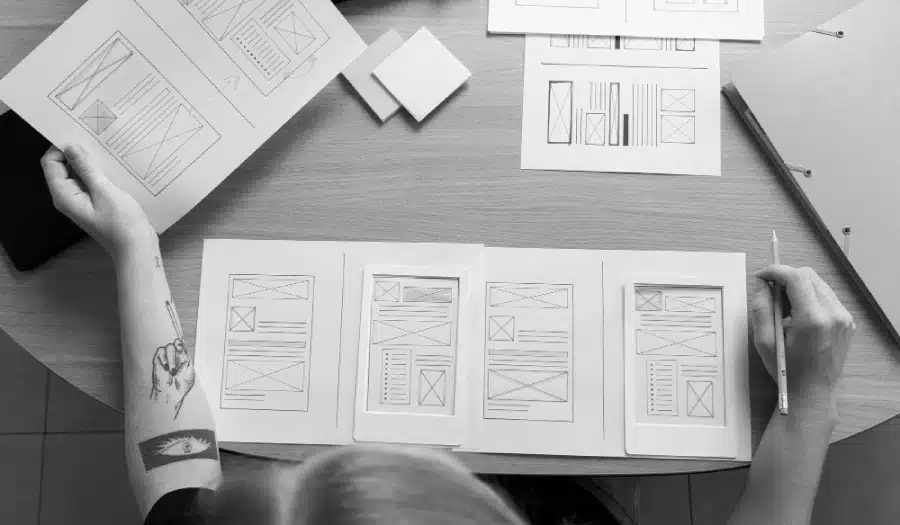
Are you in the process of creating a new website for your business? Want to ensure your new website design project is a huge success?
Feldman Creative share their tips for website success in this infographic.
They start by sharing these focal points for websites:
- Visibility
- Usability
- Credibility
- Sellability
- Scalability
Check out the infographic for more detail.
![21 Web Design Tips to Inspire Your Website Visitors into Action [Infographic]](https://red-website-design.co.uk/wp-content/uploads/2021/04/21-Web-Design-Tips-to-Inspire-Your-Website-Visitors-into-Action.jpg)
When it comes to web design, aesthetics matter, but functionality is crucial. Your website should not only look good but also encourage visitors to take action, whether that’s making a purchase, signing up for a newsletter, or simply engaging with your content. To help you create a compelling online presence, here are 21 web design tips that will inspire your website visitors to take action.
Start with a Clear Purpose
Before diving into design elements, define the purpose of your website. Are you selling products, sharing information, or building a community? Knowing your website’s primary goal will guide your design decisions.
Understand Your Audience
Knowing your target audience is essential. Conduct thorough research to understand their needs, preferences, and pain points. Tailor your design to resonate with your audience.
Create a User-Centric Navigation
Navigation should be intuitive and user-friendly. Use clear menus, logical page hierarchies, and breadcrumbs to help visitors find what they’re looking for quickly.
Optimize for Mobile
With the majority of internet traffic coming from mobile devices, ensure your website is responsive and performs well on smartphones and tablets. Mobile optimization is critical for user experience and SEO.
Prioritize Page Speed
Slow-loading websites frustrate visitors and can lead to high bounce rates. Optimize your website for speed by compressing images, using browser caching, and minimizing code.
Keep It Simple
Simplicity is key to effective web design. Avoid clutter, excessive animations, and distractions. A clean, minimalist design helps visitors focus on your content and calls to action.
Choose a Readable Font
Select a font that is easy to read on all devices. Pay attention to font size, line spacing, and contrast to ensure readability, especially for longer content pieces.
Use High-Quality Images
Images play a significant role in web design. Use high-quality, relevant images that enhance your content and create a visually appealing experience.
Consistent Branding
Maintain consistent branding elements, such as logos, color schemes, and typography, across your website. This helps build brand recognition and trust.
Employ Whitespace
Whitespace, also known as negative space, is the empty space between elements. It gives your website room to breathe and makes it easier for visitors to digest your content.
Implement Clear Call to Action (CTA) Buttons
CTA buttons should stand out and clearly indicate the action you want visitors to take. Use contrasting colors and persuasive text to encourage clicks.
A/B Test Your CTA Buttons
Don’t assume your first CTA design is the best. Conduct A/B tests to determine which buttons and placements yield the highest conversion rates.
Use Compelling Headlines
Headlines should grab visitors’ attention and convey the essence of your content. Be concise and use power words to make them compelling.
Incorporate Video
Video content can be a powerful tool to engage visitors. Use videos to tell your brand’s story, showcase products, or provide tutorials.
Ensure Accessibility
Make your website accessible to everyone, including individuals with disabilities. Use alt text for images, provide keyboard navigation, and follow WCAG guidelines.
Test Cross-Browser Compatibility
Your website should work seamlessly across different browsers (e.g., Chrome, Firefox, Safari). Test it thoroughly to ensure a consistent experience.
Social Proof and Testimonials
Displaying customer testimonials and social proof can build trust and credibility. Showcase positive reviews and endorsements prominently.
Leverage White Hat SEO
Implement SEO best practices to improve your website’s visibility in search engines. This includes optimizing meta tags, using descriptive URLs, and creating valuable content.
Focus on Page Layout
A well-structured page layout guides visitors through your content. Use headings, subheadings, and bullet points to break up text and make it more scannable.
Monitor Analytics
Regularly review website analytics to track user behavior, identify areas for improvement, and make data-driven design decisions.
Test, Iterate, and Improve
Web design is an ongoing process. Continuously test new ideas, gather feedback from users, and make improvements to enhance the user experience and achieve your website’s goals.
Conclusion
Creating a website that inspires action from your visitors requires a thoughtful and user-centric approach to web design. By following these 21 tips, you can craft a website that not only looks great but also effectively encourages users to take the desired actions. Remember that web design is not static; it should evolve as your business and user needs change. Stay attentive, test, iterate, and always strive to improve your website’s performance and user experience.

Author:
Mark Ford