
How do you track and monitor the success of your social media efforts? Want to know the key metrics that can tell you if your social media strategy is effective?
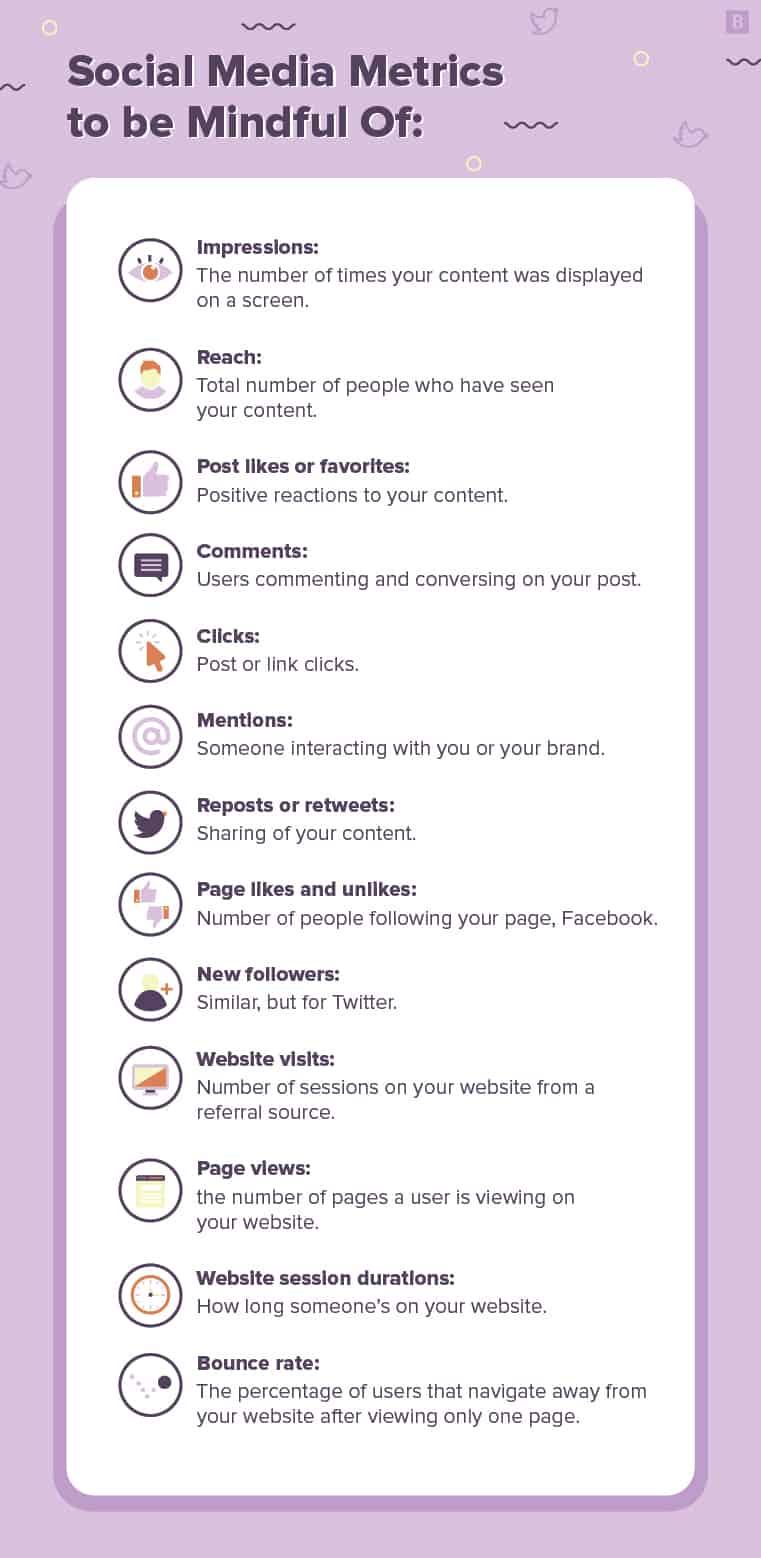
Brafton share the social media metrics you should keep your eye on in this infographic.
Here’s what makes their list:
- Impressions
- Reach
- Post likes or favourites
- Comments
- Clicks
- Mentions
- Reposts or retweets
- Page likes and unlikes
- New followers
- Website visits
- Page views
- Website session durations
- Bounce rate
Check out the infographic for more detail.
In the digital age, social media has become an integral part of any business’s marketing strategy.
Whether you’re a small startup or a multinational corporation, harnessing the power of social media can significantly impact your brand’s visibility, engagement, and ultimately, your bottom line.
However, with the myriad of metrics available, it can be overwhelming to determine which ones truly matter to your business’s success.
In this guide, we’ll delve into 13 social media metrics that are essential for tracking and analysing the effectiveness of your online presence.
Impressions: Understanding Your Brand’s Visibility
Impressions represent the total number of times your content is displayed on users’ screens across social media platforms.
For small businesses, understanding impressions is crucial as it provides insights into the reach and visibility of your brand’s online presence.
While impressions alone may not directly correlate with engagement or conversions, they lay the foundation for building brand awareness and attracting potential customers.
Why Impressions Matter for Small Businesses
- Brand Visibility: In today’s crowded digital landscape, standing out among competitors is essential for small businesses. Impressions serve as a measure of your brand’s visibility, indicating how many users are exposed to your content.
- Audience Reach: Tracking impressions allows you to gauge the size of your potential audience. By understanding the reach of your content, you can identify opportunities to expand your brand’s presence and attract new followers or customers.
- Content Performance: Analysing impressions provides valuable feedback on the effectiveness of your content strategy. By comparing impressions across different posts or campaigns, you can identify which types of content resonate most with your audience and optimize future efforts accordingly.
Tips for Maximizing Impressions
- Consistent Posting Schedule: Maintain a consistent posting schedule to ensure regular visibility in your followers’ feeds. Consistency helps establish brand recall and keeps your audience engaged over time.
- Quality Content Creation: Focus on creating high-quality, engaging content that captures users’ attention. Use compelling visuals, relevant hashtags, and concise captions to maximize the impact of your posts and increase the likelihood of generating impressions.
- Utilize Paid Advertising: Consider investing in paid advertising to amplify your brand’s reach and increase impressions. Platforms like Facebook, Instagram, and Twitter offer targeted advertising options that allow you to reach specific demographics and maximize the visibility of your content.
- Engage with Your Audience: Foster meaningful interactions with your audience by responding to comments, messages, and mentions promptly. Engaging with users not only strengthens brand loyalty but also increases the likelihood of them sharing your content with their own networks, thereby increasing impressions organically.
- Monitor Trends and Insights: Stay informed about industry trends, social media algorithms, and platform updates to adapt your strategy accordingly. Monitoring insights and analytics can help you identify peak times for posting, optimal content formats, and emerging opportunities to increase impressions.
- Collaborate with Influencers: Partnering with influencers or micro-influencers in your niche can significantly boost your brand’s visibility and increase impressions. Identify influencers whose audience aligns with your target demographic and explore collaboration opportunities such as sponsored posts, giveaways, or product reviews.
- Track and Analyse Performance: Regularly monitor and analyse your social media analytics to track changes in impressions over time. Identify patterns, trends, and outliers to refine your content strategy and optimize for maximum visibility.
By implementing these strategies and focusing on maximizing impressions, small businesses can enhance their brand visibility, attract new customers, and ultimately drive business growth in the competitive digital landscape.
Remember that while impressions are an important metric, they are most effective when combined with other key performance indicators to provide a comprehensive understanding of your brand’s online presence and impact.
Reach: Expanding Your Brand’s Audience
Reach refers to the total number of unique users who have been exposed to your content on social media platforms.
For small businesses, understanding reach is essential as it indicates the potential size of your audience and the effectiveness of your brand’s visibility efforts.
Unlike impressions, which count every instance of content being displayed, reach provides a more accurate representation of how many individual users have seen your posts.
Why Reach Matters for Small Businesses
- Audience Growth: Reach directly impacts your brand’s ability to attract and engage new followers or customers. By expanding your reach, you increase the likelihood of reaching users who may be interested in your products or services, ultimately driving audience growth and brand awareness.
- Engagement Opportunities: A larger reach creates more opportunities for user engagement, including likes, comments, shares, and direct interactions. Engaging with your audience fosters relationships, builds trust, and encourages brand advocacy, all of which are essential for small businesses looking to establish a loyal customer base.
- Market Penetration: Increasing your reach allows you to penetrate new markets and demographics, reaching users who may not have been previously aware of your brand. This opens up new opportunities for growth and expansion, helping you diversify your customer base and increase market share.
Tips for Maximizing Reach
- Optimize Your Profile: Ensure your social media profiles are fully optimized with accurate information, compelling visuals, and relevant keywords. A well-crafted profile not only attracts followers but also improves your visibility in search results and recommendations.
- Create Shareable Content: Develop content that is informative, entertaining, or inspiring, and encourages users to share it with their own networks. Shareable content has the potential to go viral, significantly increasing your reach and exposure to new audiences.
- Use Hashtags Strategically: Research and use relevant hashtags to expand the reach of your posts and make them discoverable to users interested in similar topics. Incorporate both popular and niche hashtags to maximize visibility and attract targeted followers.
- Engage with Your Audience: Actively engage with your audience by responding to comments, messages, and mentions in a timely manner. Authentic interactions humanize your brand, build rapport with followers, and increase the likelihood of your content being shared with their networks.
- Cross-Promote Across Platforms: Leverage your presence on multiple social media platforms to cross-promote your content and reach a wider audience. Share links to your other profiles, repurpose content for different platforms, and encourage followers to follow you elsewhere for more updates.
- Collaborate with Partners and Influencers: Partnering with other businesses, influencers, or complementary brands can help extend your reach to their respective audiences. Explore collaboration opportunities such as joint promotions, guest posts, or influencer takeovers to tap into new markets and increase brand exposure.
- Run Contests and Giveaways: Host contests, giveaways, or exclusive promotions to incentivize engagement and attract new followers. Encourage participants to share your content with their followers for a chance to win, amplifying your reach and generating buzz around your brand.
- Monitor Analytics and Insights: Regularly analyse your social media analytics to track changes in reach over time and identify which strategies are most effective. Use insights to refine your content strategy, optimize posting times, and allocate resources to channels that drive the highest reach.
By implementing these strategies and focusing on maximizing reach, small businesses can expand their audience, increase brand visibility, and ultimately drive engagement and growth in the competitive social media landscape.
Remember that building a strong online presence takes time and consistent effort, so stay patient and persistent in your pursuit of reaching and connecting with your target audience.
Post Likes or Favourites: Understanding Audience Engagement
Post likes or favourites indicate the level of approval or appreciation for your content on social media platforms.
For small businesses, understanding this metric is essential as it provides valuable insights into audience engagement, content performance, and brand sentiment.
Likes and favourites serve as a form of social validation, signaling that users find your content valuable, interesting, or entertaining.
Why Post Likes or Favourites Matter for Small Businesses
- Engagement Measurement: Likes and favourites serve as tangible indicators of audience engagement with your content. They represent positive interactions and demonstrate that users are actively consuming and responding to your posts.
- Content Relevance: Tracking likes and favourites allows you to gauge the relevance and resonance of your content with your target audience. Posts that receive high levels of engagement indicate that your content is hitting the mark and resonating with users’ interests, preferences, or pain points.
- Brand Perception: Post likes and favourites contribute to shaping your brand’s online reputation and perception. A high number of likes can enhance your brand’s credibility, trustworthiness, and popularity, while low engagement may indicate a need to reassess your content strategy or messaging.
Tips for Maximizing Post Likes or Favourites
- Create Compelling Visuals: Visual content is highly engaging and tends to garner more likes and favourites than text-only posts. Invest in high-quality imagery, videos, and graphics that capture users’ attention and encourage them to engage with your content.
- Craft Engaging Captions: Pair your visuals with compelling captions that spark curiosity, emotion, or action. Use storytelling, humour, or questions to evoke a response from your audience and prompt them to like or favourite your post.
- Know Your Audience: Understand your target audience’s preferences, interests, and pain points to create content that resonates with them. Tailor your posts to address their needs or provide value in a way that encourages likes and favourites.
- Encourage Interaction: Prompt users to engage with your content by including clear calls-to-action (CTAs) in your captions or visuals. Encourage likes, favourites, comments, shares, or other forms of interaction to increase engagement and visibility.
- Be Authentic and Genuine: Authenticity is key to building trust and fostering meaningful connections with your audience. Be genuine in your communications, share behind-the-scenes glimpses of your business, and show appreciation for your followers’ support to cultivate a loyal community of engaged users.
- Post Consistently: Maintain a regular posting schedule to keep your audience engaged and informed. Consistency not only establishes brand presence but also increases the likelihood of users regularly interacting with your content and liking/favouriting your posts.
- Engage with Your Audience: Actively engage with your audience by responding to comments, likes, and messages in a timely manner. Show appreciation for likes and favourites by acknowledging users’ support and fostering a sense of community around your brand.
- Monitor and Analyse Performance: Track the performance of your posts using social media analytics tools to identify trends, patterns, and opportunities for optimization. Analyse which types of content receive the most likes/favourites and replicate those strategies in future posts.
- Experiment with Different Formats: Test various content formats, such as polls, quizzes, contests, or user-generated content, to see what resonates best with your audience and generates the highest levels of engagement and likes/favourites.
- Celebrate Milestones and Achievements: Share your business milestones, achievements, or customer success stories to evoke positive emotions and encourage likes and favourites from your audience. Celebrating milestones together strengthens the bond between your brand and your followers.
By implementing these strategies and focusing on maximizing post likes or favourites, small businesses can enhance audience engagement, increase brand visibility, and foster a loyal community of followers and customers on social media platforms.
Remember that building a strong social media presence takes time and consistent effort, so stay patient and proactive in nurturing relationships with your audience.
Comments: Fostering Meaningful Interactions
Comments on social media platforms are a valuable form of user-generated content that provide insights into your audience’s thoughts, opinions, and sentiments regarding your brand or products.
For small businesses, understanding and actively engaging with comments is essential for building relationships, addressing customer concerns, and fostering a sense of community around your brand.
Why Comments Matter for Small Businesses
- Customer Feedback: Comments offer a direct channel for customers to provide feedback, ask questions, or share their experiences with your products or services. Monitoring and responding to comments allows you to gather valuable insights, address customer concerns, and continuously improve your offerings.
- Brand Engagement: Engaging with comments demonstrates your brand’s commitment to customer satisfaction and responsiveness. By responding promptly and thoughtfully, you can strengthen relationships with your audience, build trust, and cultivate a loyal community of brand advocates.
- Content Amplification: User-generated comments can amplify the reach and visibility of your posts, as each comment generates additional activity and engagement. Encouraging comments and fostering conversations around your content increases its visibility on social media platforms and attracts new followers or customers.
Tips for Maximizing Comments
- Prompt Engagement with Questions: Encourage comments by posing questions or prompts in your captions or visuals that invite users to share their thoughts, opinions, or experiences. Open-ended questions spark conversation and elicit responses from your audience, driving engagement and interaction.
- Respond Promptly and Authentically: Monitor your social media channels regularly and respond to comments in a timely and authentic manner. Show appreciation for positive feedback, address concerns or inquiries promptly, and engage in meaningful conversations with your audience to build rapport and trust.
- Acknowledge and Appreciate Feedback: Demonstrate that you value customer feedback by acknowledging and appreciating comments, whether positive or constructive. Thank users for their input, address any concerns or suggestions, and take proactive steps to resolve issues and improve the customer experience.
- Personalize Responses: Tailor your responses to individual commenters and personalize your interactions based on their specific questions or feedback. Use the commenter’s name, reference their previous interactions with your brand, and provide personalized recommendations or assistance to enhance the customer experience.
- Encourage User-Generated Content: Encourage users to share their experiences with your products or services by inviting them to tag your brand in their posts or use branded hashtags. User-generated content not only generates authentic social proof but also fosters a sense of community and encourages further engagement and comments.
- Moderate Constructively: Moderate comments on your social media posts to maintain a positive and respectful community environment. Address any inappropriate or spammy comments promptly and courteously, while also allowing for constructive criticism and diverse opinions to foster open dialogue.
- Engage in Conversations: Actively participate in conversations within comment threads by asking follow-up questions, providing additional information, or sharing relevant resources. Engaging with commenters demonstrates your brand’s accessibility, expertise, and commitment to building genuine relationships with your audience.
- Use Emojis and Visuals: Incorporate emojis, GIFs, or visual elements into your responses to add personality and express emotions effectively. Emojis can help convey tone, evoke positive feelings, and make your responses more engaging and relatable to your audience.
- Monitor Brand Mentions: Keep track of brand mentions and indirect references across social media platforms to ensure you don’t miss any opportunities to engage with your audience. Respond to mentions promptly, whether they occur in direct comments, tagged posts, or shared content related to your brand.
- Track and Analyse Comment Trends: Analyse comment trends, sentiment, and topics to identify common themes, frequently asked questions, or areas for improvement. Use insights from comments to refine your content strategy, address customer pain points, and tailor your messaging to better resonate with your audience.
By implementing these strategies and prioritizing meaningful interactions with comments, small businesses can strengthen customer relationships, gather valuable insights, and build a loyal community of engaged followers and customers on social media platforms.
Remember that each comment represents an opportunity to connect with your audience, listen to their feedback, and provide exceptional customer experiences that drive long-term success for your business.
Clicks: Driving Traffic and Conversions
Clicks measure the number of times users interact with links included in your social media posts.
For small businesses, understanding clicks is essential as they indicate the effectiveness of your call-to-action (CTA) and the level of interest in your content.
By tracking clicks, you can assess the impact of your social media efforts on driving traffic to your website, blog, or product pages, ultimately leading to conversions and business growth.
Why Clicks Matter for Small Businesses
- Website Traffic: Clicks represent direct engagement with your content and provide a measurable indication of the traffic driven from social media platforms to your website. By tracking clicks, you can evaluate the effectiveness of your social media campaigns in driving visitors to your site and increasing brand exposure.
- Lead Generation: Clicks on CTA links enable small businesses to capture leads, gather contact information, and initiate the conversion process. Whether it’s signing up for a newsletter, downloading a free resource, or requesting more information, each click represents a potential lead that can be nurtured into a customer.
- Conversion Tracking: Click-throughs allow you to track conversions and attribute them to specific social media campaigns or posts. By analysing which posts generate the most clicks and conversions, you can identify high-performing content, optimize your strategy, and allocate resources effectively to drive business outcomes.
Tips for Maximizing Clicks
- Clear and Compelling CTAs: Craft clear and compelling calls-to-action that prompt users to take action and click through to your desired destination. Use action-oriented language, such as “Shop Now,” “Learn More,” or “Get Started,” to clearly communicate the next steps and entice users to engage with your content.
- Provide Value-Added Content: Offer value-added content that addresses your audience’s needs, interests, or pain points and provides a compelling reason to click. Whether it’s educational resources, exclusive offers, or behind-the-scenes content, ensure that your content provides tangible benefits to your audience to encourage clicks.
- Optimize Visuals and Descriptions: Pair your CTA links with visually appealing imagery, videos, or graphics that capture users’ attention and draw them in. Use descriptive captions or descriptions to provide context, highlight key benefits, and entice users to click through for more information.
- A/B Testing: Experiment with different CTAs, visuals, and messaging to identify which combinations drive the highest click-through rates. Conduct A/B tests to compare variations and optimize your approach based on data-driven insights, iterating on what works best for your audience.
- Incentivize Clicks with Offers: Offer incentives such as discounts, promotions, or freebies to encourage users to click through to your website or landing page. Limited-time offers or exclusive deals create a sense of urgency and drive immediate action, increasing the likelihood of clicks and conversions.
- Utilize Link Shorteners: Use link shortening tools to create concise, branded URLs that are easy to share and track. Shortened links improve readability, conserve character space, and provide tracking capabilities to monitor click activity and measure campaign performance.
- Optimize for Mobile: Ensure that your website and landing pages are mobile-friendly and optimized for seamless browsing and navigation on all devices. Mobile responsiveness is critical for capturing clicks from users accessing your content on smartphones or tablets, maximizing your reach and engagement potential.
- Promote High-Performing Content: Identify your top-performing social media posts based on click-through rates and promote them to a wider audience through paid advertising or boosted posts. Amplifying successful content increases its visibility, extends its reach, and drives additional clicks and conversions.
- Track and Analyse Performance: Monitor click-through rates, conversion rates, and other key metrics using social media analytics tools to track the effectiveness of your campaigns. Analyse click data to identify trends, patterns, and opportunities for optimization, refining your strategy to drive better results over time.
- Follow Up and Nurture Leads: Once users click through to your website or landing page, follow up with them through targeted email campaigns, retargeting ads, or personalized messaging to nurture leads and guide them through the conversion funnel. Provide relevant content, offers, and support to encourage further engagement and drive conversions.
By implementing these strategies and focusing on maximizing clicks, small businesses can drive traffic to their websites, generate leads, and ultimately increase conversions and revenue from their social media efforts.
Remember to continuously monitor and optimize your campaigns based on performance data and audience feedback to ensure maximum impact and return on investment.
Mentions: Harnessing User-Generated Content
Mentions occur when your brand is tagged or referenced by other users on social media platforms.
For small businesses, mentions are a valuable form of user-generated content that provide opportunities for engagement, brand advocacy, and relationship-building.
By monitoring and actively engaging with mentions, you can amplify your brand’s visibility, foster positive relationships with customers, and leverage user-generated content to strengthen your online presence.
Why Mentions Matter for Small Businesses
- Brand Visibility: Mentions increase your brand’s visibility and exposure to a wider audience by extending your reach beyond your own followers. When users tag or mention your brand in their posts, they introduce your business to their own networks, potentially attracting new followers, customers, and brand advocates.
- User Engagement: Mentions serve as a form of user engagement and interaction, indicating that users are actively discussing or engaging with your brand on social media. Engaging with mentions allows you to acknowledge and reciprocate user interactions, fostering positive relationships and building brand loyalty.
- Social Proof and Advocacy: User-generated mentions provide social proof of your brand’s value and credibility, as they represent authentic endorsements and recommendations from satisfied customers or fans. Leveraging positive mentions as testimonials or endorsements can strengthen your brand’s reputation and influence purchasing decisions.
Tips for Maximizing Mentions
- Monitor Brand Mentions: Utilize social media monitoring tools or notifications to track mentions of your brand across various platforms in real-time. Set up alerts for brand keywords, hashtags, or variations of your business name to ensure you don’t miss any opportunities to engage with users who mention your brand.
- Acknowledge and Respond Promptly: Respond promptly and thoughtfully to mentions by thanking users for their support, answering questions, or addressing any concerns they may have. Acknowledging mentions demonstrates your brand’s attentiveness and responsiveness, building trust and fostering positive relationships with your audience.
- Encourage User-Generated Content: Encourage users to mention your brand in their posts by running contests, challenges, or campaigns that incentivize user-generated content creation. Offer prizes, discounts, or recognition for the best mentions, inspiring users to share their experiences and opinions about your brand.
- Engage with User-Generated Content: Actively engage with user-generated content that mentions your brand by liking, commenting, or sharing posts that align with your brand values and messaging. Show appreciation for user contributions and encourage further engagement by amplifying their content to your own followers.
- Feature User Mentions: Showcase user mentions and testimonials on your social media channels, website, or marketing materials to highlight customer satisfaction and build social proof. Feature user-generated content in dedicated “fan spotlights” or “customer testimonials” sections to demonstrate the real-life impact of your products or services.
- Build Relationships with Influencers: Identify and cultivate relationships with influencers or brand advocates who frequently mention your brand in their content. Collaborate with influencers on sponsored campaigns, ambassador programs, or co-created content to amplify brand mentions and reach new audiences through their networks.
- Monitor and Respond to Feedback: Use mentions as an opportunity to gather feedback, insights, and sentiment about your brand from customers and followers. Monitor the tone and sentiment of mentions to identify any issues or concerns that may require addressing, and respond proactively to resolve issues and maintain a positive brand image.
- Create Branded Hashtags: Develop branded hashtags specific to your business or campaigns to encourage users to mention your brand in their posts. Promote branded hashtags across your social media channels and marketing materials to facilitate user-generated content creation and increase brand mentions.
- Track and Analyse Mention Trends: Analyse trends and patterns in brand mentions to identify popular topics, common themes, or emerging trends related to your brand or industry. Use insights from mention analytics to inform content strategy, identify opportunities for engagement, and optimize your brand messaging.
- Share User Stories and Testimonials: Share user stories, testimonials, or customer reviews that mention your brand on your social media channels and website. Feature customer success stories in blog posts, case studies, or video testimonials to showcase the real-world impact of your products or services and inspire others to mention your brand.
By implementing these strategies and prioritizing engagement with mentions, small businesses can enhance brand visibility, build relationships with customers, and leverage user-generated content to amplify their online presence.
Remember to approach mentions with authenticity, gratitude, and a willingness to listen and engage with your audience to foster meaningful connections and drive business growth.
Reposts or Retweets: Amplifying Your Brand’s Reach
Reposts (on platforms like Instagram) or retweets (on Twitter) occur when users share your content with their own followers, amplifying your brand’s reach and visibility.
For small businesses, harnessing the power of reposts and retweets is essential for increasing brand exposure, attracting new followers, and fostering engagement with your audience.
By encouraging users to share your content and actively engaging with reposts and retweets, you can leverage user-generated advocacy to expand your brand’s presence on social media platforms.
Why Reposts or Retweets Matter for Small Businesses
- Extended Reach: Reposts and retweets extend the reach of your content beyond your own followers, exposing your brand to new audiences and potential customers. Each repost or retweet increases the visibility of your content and drives additional traffic to your profile or website.
- Social Proof and Credibility: Reposts and retweets serve as forms of social proof and endorsement, indicating that users find your content valuable, interesting, or relevant enough to share with their own networks. Leveraging user-generated advocacy enhances your brand’s credibility and influence, attracting trust and engagement from potential customers.
- Community Building: Encouraging reposts and retweets fosters a sense of community and belonging among your audience, as users actively participate in spreading your brand message and contributing to the conversation. By recognizing and celebrating user contributions, you strengthen relationships with followers and cultivate brand loyalty.
Tips for Maximizing Reposts or Retweets
- Create Shareable Content: Develop content that is visually appealing, informative, or entertaining, and encourages users to share it with their own followers. Use eye-catching imagery, compelling captions, and engaging storytelling to captivate your audience and inspire them to repost or retweet your content.
- Include Clear CTAs: Include clear calls-to-action (CTAs) in your captions or visuals that prompt users to repost or retweet your content. Encourage users to share their thoughts, opinions, or experiences related to your brand, products, or campaigns, and provide instructions on how to repost or retweet effectively.
- Utilize Branded Hashtags: Create branded hashtags specific to your business or campaigns to facilitate reposts and retweets and make it easier for users to discover and engage with your content. Promote branded hashtags across your social media channels and encourage followers to use them when sharing your content.
- Engage with User Reposts and Retweets: Actively engage with users who repost or retweet your content by liking, commenting, or sharing their posts on your own profile. Show appreciation for their support, acknowledge their contributions, and foster a sense of community by celebrating user-generated advocacy.
- Run Contests or Challenges: Organize contests, challenges, or giveaways that incentivize users to repost or retweet your content for a chance to win prizes or receive recognition. Create contest rules that require participants to repost or retweet your content and tag your brand to enter, increasing engagement and exposure.
- Collaborate with Influencers: Partner with influencers or brand advocates in your niche to amplify your content and reach new audiences through their networks. Collaborate on co-created content, sponsored campaigns, or influencer takeovers that encourage reposts and retweets from their followers, extending your brand’s reach and influence.
- Feature User Reposts and Retweets: Showcase user-generated content that reposts or retweets your brand’s content on your social media channels or website. Create dedicated “fan spotlights” or “community showcases” to celebrate user contributions and highlight the impact of reposts and retweets on your brand’s visibility and engagement.
- Track and Analyse Performance: Monitor the performance of your content using social media analytics tools to track the number of reposts and retweets, as well as their impact on engagement and reach. Analyse trends and patterns in reposting behaviour to identify high-performing content and optimize your strategy for maximum impact.
By implementing these strategies and prioritizing engagement with reposts and retweets, small businesses can leverage user-generated advocacy to increase brand visibility, attract new followers, and foster a sense of community and belonging among their audience.
Remember to encourage and celebrate user contributions, engage authentically with reposted content, and track performance metrics to refine your approach and drive business growth.
Page Likes and Unlikes: Building and Maintaining Your Social Media Community
Page likes (or followers) and unlikes (or unfollows) are key indicators of your social media audience’s interest and engagement with your brand.
For small businesses, growing and maintaining a loyal base of followers is crucial for establishing a strong online presence, fostering brand advocacy, and driving business growth.
Understanding the factors that influence page likes and unlikes, and implementing strategies to attract and retain followers, is essential for maximizing the impact of your social media efforts.
Why Page Likes and Unlikes Matter for Small Businesses
- Audience Growth: Page likes represent the size of your social media community and the potential reach of your content. Increasing the number of followers expands your brand’s audience, increases exposure to your messaging, and attracts new customers or clients to your business.
- Brand Advocacy: Page likes indicate the level of affinity and loyalty that users have towards your brand. Engaged followers are more likely to advocate for your brand, share your content with their networks, and contribute to positive word-of-mouth marketing, ultimately driving brand awareness and reputation.
- Audience Insights: Tracking page likes and unlikes provides valuable insights into audience preferences, interests, and behaviours. Analysing demographic data, engagement metrics, and audience feedback allows you to better understand your audience and tailor your content strategy to meet their needs and expectations.
Tips for Maximizing Page Likes and Minimizing Unlikes
- Create Compelling Content: Develop high-quality, relevant content that resonates with your target audience and provides value. Use a mix of engaging visuals, informative articles, entertaining videos, and interactive polls to capture users’ attention and encourage them to like and follow your page for more updates.
- Post Consistently: Maintain a consistent posting schedule to keep your audience engaged and informed. Regularly sharing fresh, relevant content ensures that your brand remains top-of-mind for your followers and reduces the likelihood of them unfollowing due to inactivity or lack of engagement.
- Engage with Your Audience: Actively engage with your followers by responding to comments, messages, and mentions in a timely and authentic manner. Show appreciation for likes and shares, answer questions, address concerns, and foster meaningful conversations to build rapport and loyalty with your audience.
- Promote Your Page: Use other marketing channels, such as email newsletters, website banners, and offline signage, to promote your social media pages and encourage followers to like and follow your accounts. Cross-promoting your social media profiles helps increase visibility and attract new followers to your brand.
- Run Promotions and Contests: Organize promotions, giveaways, or contests that incentivize users to like and follow your page for a chance to win prizes or receive exclusive discounts. Contests not only attract new followers but also encourage existing followers to engage with your content and share it with their networks.
- Utilize Paid Advertising: Invest in paid advertising on social media platforms to expand your reach and attract targeted followers to your page. Utilize targeting options such as demographics, interests, and behaviours to reach users who are most likely to be interested in your products or services and engage with your content.
- Collaborate with Influencers: Partner with influencers or brand advocates in your industry to reach new audiences and attract followers to your page. Collaborate on sponsored content, influencer takeovers, or co-created campaigns that showcase your brand’s values and offerings to their followers.
- Monitor and Respond to Feedback: Pay attention to feedback from your audience and make adjustments to your content strategy based on their preferences and suggestions. Monitoring page likes and unlikes allows you to identify areas for improvement and address any issues or concerns that may arise.
- Track and Analyse Performance: Regularly monitor page insights and analytics to track changes in page likes, engagement metrics, and audience demographics over time. Use data-driven insights to assess the effectiveness of your strategies, identify trends, and optimize your approach for maximum impact.
- Provide Value and Authenticity: Above all, focus on providing value to your audience and fostering authenticity in your brand communications. Deliver content that educates, entertains, or inspires your followers, and maintain transparency and honesty in your interactions to build trust and loyalty with your audience.
By implementing these strategies and prioritizing audience engagement and satisfaction, small businesses can attract and retain a loyal base of followers, increase brand visibility and advocacy, and ultimately drive business growth through their social media presence.
Remember to stay responsive, adaptive, and customer-centric in your approach to building and maintaining your social media community.
New Followers: Growing Your Social Media Community
New followers are individuals who have recently decided to connect with your brand on social media platforms.
For small businesses, attracting new followers is essential for expanding your online reach, increasing brand awareness, and nurturing potential customers or clients.
By implementing effective strategies to attract and engage new followers, you can grow your social media community and cultivate a loyal audience that supports your business goals.
Why New Followers Matter for Small Businesses
- Expanded Reach: New followers increase the size of your social media audience and extend the reach of your content. Each new follower represents a potential customer or brand advocate who can help amplify your messaging, increase brand visibility, and attract additional followers to your brand.
- Brand Awareness: Attracting new followers increases awareness of your brand and its offerings among a wider audience. As new followers engage with your content and share it with their networks, they introduce your brand to potential customers who may be interested in your products or services, driving organic growth and discovery.
- Lead Generation: New followers represent potential leads that can be nurtured into customers or clients through targeted engagement and relationship-building efforts. By capturing the attention and interest of new followers, you have the opportunity to initiate meaningful interactions, provide value, and guide them through the customer journey towards conversion.
Tips for Attracting and Engaging New Followers
- Optimize Your Profile: Ensure that your social media profiles are fully optimized with a clear and compelling bio, profile picture, and cover photo that accurately represent your brand identity and offerings. Include relevant keywords, hashtags, and contact information to make it easy for new followers to find and connect with your brand.
- Create High-Quality Content: Develop high-quality, engaging content that resonates with your target audience and provides value. Use a mix of visuals, videos, articles, and interactive elements to capture users’ attention and encourage them to follow your page for more updates. Tailor your content to address the needs, interests, and pain points of your target audience to attract and retain new followers.
- Be Consistent and Active: Maintain a consistent posting schedule to keep your brand top-of-mind for your audience and demonstrate your commitment to providing regular updates and value. Actively engage with your followers by responding to comments, messages, and mentions in a timely and authentic manner, fostering positive interactions and building relationships with new followers.
- Use Hashtags Strategically: Research and use relevant hashtags to increase the discoverability of your content and attract new followers who are interested in similar topics or themes. Incorporate a mix of popular and niche hashtags in your posts to expand your reach and visibility on social media platforms.
- Run Targeted Ads: Invest in targeted advertising on social media platforms to reach new audiences and attract followers who fit your ideal customer profile. Utilize targeting options such as demographics, interests, behaviours, and lookalike audiences to reach users who are most likely to be interested in your brand and offerings.
- Collaborate with Influencers: Partner with influencers or brand advocates in your industry to reach new audiences and attract followers to your brand. Collaborate on sponsored content, influencer takeovers, or co-created campaigns that showcase your brand’s values, offerings, and benefits to their followers.
- Host Giveaways or Contests: Organize giveaways, contests, or challenges that incentivize users to follow your page for a chance to win prizes or receive exclusive discounts. Promote your giveaways across your social media channels and encourage participants to tag friends and share your content to increase visibility and attract new followers.
- Cross-Promote Your Profiles: Promote your social media profiles across your other marketing channels, including email newsletters, website banners, and offline signage. Encourage customers, clients, and website visitors to follow your social media pages for exclusive updates, promotions, and behind-the-scenes content.
- Engage with Industry Communities: Participate in industry-related groups, forums, and communities on social media platforms to connect with like-minded individuals and attract followers who share similar interests or values. Share valuable insights, contribute to discussions, and establish yourself as a knowledgeable and trusted authority in your niche to attract new followers to your brand.
- Monitor and Analyse Performance: Track key metrics such as follower growth, engagement rates, and audience demographics using social media analytics tools to assess the effectiveness of your strategies. Analyse trends, patterns, and audience feedback to identify areas for improvement and refine your approach for maximum impact.
By implementing these strategies and focusing on attracting and engaging new followers, small businesses can expand their social media community, increase brand awareness, and drive meaningful interactions and relationships with their audience.
Remember to prioritize authenticity, value, and consistency in your brand communications to attract and retain followers who are genuinely interested in your brand and offerings.
Website Visits: Driving Traffic and Conversions
Website visits refer to the number of users who navigate to your website from various sources, including social media platforms, search engines, referral links, and direct traffic.
For small businesses, increasing website visits is essential for driving brand awareness, generating leads, and ultimately converting visitors into customers or clients.
By implementing effective strategies to attract and retain website visitors, you can maximize the impact of your online presence and drive business growth.
Why Website Visits Matter for Small Businesses
- Brand Exposure: Website visits increase exposure to your brand and offerings by driving traffic from various online sources to your website. Each visit represents an opportunity to showcase your products, services, and value proposition to potential customers and establish a memorable impression of your brand.
- Lead Generation: Website visits serve as the first step in the customer journey, allowing you to capture leads, gather contact information, and initiate engagement with potential customers. By attracting qualified visitors to your website, you can nurture them through the sales funnel and guide them towards conversion through targeted messaging and calls-to-action.
- Conversion Opportunities: Website visits provide opportunities for conversion, whether it’s making a purchase, submitting a contact form, downloading a resource, or signing up for a newsletter. By optimizing your website for user experience and implementing conversion-focused strategies, you can increase the likelihood of visitors taking desired actions that drive business outcomes.
Tips for Maximizing Website Visits
- Optimize for Search Engines: Improve your website’s visibility in search engine results by optimizing for relevant keywords, creating high-quality content, and earning backlinks from reputable sources. Implement on-page SEO techniques such as meta tags, headings, and descriptive URLs to enhance search engine rankings and attract organic traffic to your site.
- Promote Your Content on Social Media: Share your website content, blog posts, product pages, and promotions on social media platforms to drive traffic from your social media followers and increase brand visibility. Use compelling visuals, engaging captions, and clear calls-to-action to encourage users to click through to your website and explore further.
- Run Paid Advertising Campaigns: Invest in paid advertising campaigns on search engines and social media platforms to reach targeted audiences and drive traffic to your website. Utilize targeting options such as demographics, interests, behaviours, and keywords to reach users who are most likely to be interested in your products or services and drive qualified traffic to your site.
- Create Compelling Calls-to-Action: Incorporate clear and compelling calls-to-action (CTAs) throughout your website to prompt visitors to take specific actions, such as making a purchase, signing up for a newsletter, or requesting a quote. Use action-oriented language, contrasting colours, and strategic placement to attract attention and guide visitors towards conversion.
- Offer Valuable Content and Resources: Provide valuable content and resources on your website that address the needs, interests, and pain points of your target audience. Offer informative blog posts, guides, eBooks, case studies, or webinars that demonstrate your expertise, solve common problems, and provide tangible value to visitors, encouraging them to return to your site and explore further.
- Optimize Website Performance: Ensure that your website is optimized for performance, including fast loading times, mobile responsiveness, and intuitive navigation. Optimize images, minimize server response times, and leverage caching and content delivery networks (CDNs) to improve website speed and user experience, reducing bounce rates and increasing visitor engagement.
- Implement Content Upgrades and Lead Magnets: Create content upgrades or lead magnets such as free downloads, templates, checklists, or exclusive offers to incentivize visitors to provide their contact information in exchange for valuable resources. Use strategically placed opt-in forms and landing pages to capture leads and nurture them through targeted email campaigns.
- Engage with Visitors through Live Chat: Implement live chat functionality on your website to engage with visitors in real-time, answer questions, provide assistance, and guide them towards conversion. Personalized interactions and immediate support can enhance the user experience, build trust, and increase the likelihood of visitors completing desired actions on your site.
- Track and Analyse Performance: Monitor website traffic, user behaviour, and conversion metrics using web analytics tools such as Google Analytics to track the effectiveness of your strategies. Analyse traffic sources, popular pages, and conversion funnels to identify areas for improvement and optimize your website for maximum impact and ROI.
- Optimize Landing Pages for Conversion: Create dedicated landing pages for specific campaigns, promotions, or products/services to provide a focused and optimized user experience that drives conversions. Tailor landing page content, design, and CTAs to match the messaging and expectations of your target audience, removing distractions and guiding visitors towards conversion.
By implementing these strategies and prioritizing the attraction and retention of website visitors, small businesses can increase brand exposure, generate leads, and drive conversions that contribute to business growth and success.
Remember to continuously monitor and optimize your website performance, content strategy, and user experience to ensure maximum impact and engagement with your target audience.
Page Views: Understanding and Maximizing Engagement
Page views represent the total number of times that pages on your website have been viewed by visitors. For small businesses, tracking page views is crucial for understanding user behaviour, measuring content performance, and optimizing website engagement.
By analysing page views and implementing strategies to increase and maximize engagement, you can enhance the user experience, drive conversions, and achieve your business objectives.
Why Page Views Matter for Small Businesses
- User Engagement: Page views indicate the level of engagement and interest that visitors have in your website content. Higher page views suggest that users are actively exploring multiple pages on your site, consuming your content, and potentially taking further actions such as making a purchase, submitting a contact form, or signing up for a newsletter.
- Content Performance: Page views provide insights into the popularity and effectiveness of your website content, including blog posts, product pages, landing pages, and informational resources. Analysing page views allows you to identify top-performing content, understand user preferences, and tailor your content strategy to meet the needs and interests of your audience.
- Conversion Opportunities: Page views represent opportunities for conversion, as each visit to a page presents a chance to guide visitors towards taking desired actions that align with your business goals. By optimizing pages for engagement and conversion, you can maximize the impact of your website traffic and drive meaningful outcomes for your business.
Tips for Maximizing Page Views
- Create Compelling Content: Develop high-quality, relevant content that resonates with your target audience and provides value. Use a mix of formats, such as articles, videos, infographics, and interactive elements, to appeal to different preferences and learning styles. Focus on addressing the needs, interests, and pain points of your audience to attract and retain their attention.
- Optimize Website Navigation: Ensure that your website navigation is intuitive, user-friendly, and easy to navigate, allowing visitors to find and access relevant content quickly and efficiently. Use clear menus, logical hierarchy, and internal linking to guide users through your site and encourage exploration of multiple pages.
- Promote Internal Linking: Incorporate internal links within your content to guide visitors to related or relevant pages on your website. Linking to related articles, products, or resources helps increase engagement, reduces bounce rates, and encourages visitors to explore additional content that aligns with their interests and preferences.
- Implement Clear CTAs: Include clear and compelling calls-to-action (CTAs) on your website pages to prompt visitors to take specific actions, such as making a purchase, subscribing to a newsletter, or contacting your business. Use action-oriented language, contrasting colours, and strategic placement to attract attention and encourage conversions.
- Optimize Page Load Speed: Optimize your website for fast loading times to improve user experience and reduce bounce rates. Minimize image sizes, leverage browser caching, and use content delivery networks (CDNs) to ensure that pages load quickly across devices and network connections, keeping visitors engaged and satisfied.
- Create Landing Pages for Campaigns: Develop dedicated landing pages for marketing campaigns, promotions, or product launches to provide a focused and optimized user experience that drives conversions. Tailor landing page content, design, and CTAs to match the messaging and expectations of your target audience, removing distractions and guiding visitors towards conversion.
- Promote Content Across Channels: Share your website content, blog posts, and resources across your social media channels, email newsletters, and other marketing channels to drive traffic and increase page views. Use compelling visuals, engaging captions, and clear CTAs to encourage users to click through to your website and explore further.
- Optimize for Mobile Devices: Ensure that your website is optimized for mobile devices to accommodate the growing number of users accessing the internet on smartphones and tablets. Use responsive design techniques, mobile-friendly layouts, and touch-friendly navigation to provide a seamless and enjoyable browsing experience across all devices.
- Encourage User Interaction: Encourage user interaction and engagement on your website by incorporating interactive elements such as polls, quizzes, surveys, and comment sections. Encourage visitors to leave feedback, share their opinions, and interact with your content, fostering a sense of community and increasing time spent on your site.
- Monitor and Analyse Performance: Track and analyse page views, bounce rates, time on page, and other engagement metrics using web analytics tools such as Google Analytics. Identify trends, patterns, and opportunities for improvement, and use data-driven insights to refine your content strategy, optimize user experience, and drive meaningful outcomes for your business.
By implementing these strategies and prioritizing engagement with your website content, small businesses can maximize page views, increase user interaction, and drive conversions that contribute to business growth and success.
Remember to continuously monitor and optimize your website performance, content strategy, and user experience based on data-driven insights and user feedback to ensure maximum impact and engagement with your target audience.
Website Session Durations: Engaging Visitors and Enhancing User Experience
Website session duration refers to the amount of time that visitors spend actively engaged on your website during a single browsing session.
For small businesses, increasing website session durations is essential for capturing and maintaining visitors’ attention, encouraging exploration of your content, and driving meaningful interactions that lead to conversions.
By implementing strategies to enhance user experience and engagement, you can prolong website sessions and create positive experiences that resonate with your audience.
Why Website Session Durations Matter for Small Businesses
- User Engagement: Website session durations indicate the level of engagement and interest that visitors have in your website content. Longer session durations suggest that users are actively exploring multiple pages, consuming your content, and potentially taking further actions such as making a purchase, submitting a contact form, or signing up for a newsletter.
- Content Consumption: Longer website session durations provide opportunities for visitors to consume more of your content, including blog posts, product pages, videos, and resources. By capturing and holding visitors’ attention for extended periods, you can increase brand exposure, deliver value, and build trust with your audience.
- Conversion Opportunities: Extended website sessions increase the likelihood of visitors taking desired actions that align with your business goals, such as making a purchase or requesting more information. By optimizing website content, navigation, and functionality to keep visitors engaged and interested, you can drive conversions and achieve measurable outcomes for your business.
Tips for Maximizing Website Session Durations
- Create Compelling Content: Develop high-quality, relevant content that captivates your audience’s interest and provides value. Use a mix of formats, such as articles, videos, infographics, and interactive elements, to appeal to different preferences and learning styles. Focus on addressing the needs, interests, and pain points of your audience to keep them engaged and invested in your content.
- Optimize Website Navigation: Ensure that your website navigation is intuitive, user-friendly, and easy to navigate, allowing visitors to find and access relevant content quickly and efficiently. Use clear menus, logical hierarchy, and internal linking to guide users through your site and encourage exploration of multiple pages.
- Improve Page Load Speed: Optimize your website for fast loading times to enhance user experience and reduce bounce rates. Minimize image sizes, leverage browser caching, and use content delivery networks (CDNs) to ensure that pages load quickly across devices and network connections. A fast-loading website encourages visitors to explore further and increases the likelihood of longer session durations.
- Provide Clear Calls-to-Action (CTAs): Include clear and compelling calls-to-action (CTAs) throughout your website to prompt visitors to take specific actions, such as making a purchase, subscribing to a newsletter, or contacting your business. Use action-oriented language, contrasting colours, and strategic placement to attract attention and guide visitors towards conversion.
- Offer Related Content Suggestions: Recommend related or relevant content to visitors based on their browsing history or interests to encourage further exploration of your website. Use algorithms or manual curation to suggest relevant blog posts, product recommendations, or resources that align with visitors’ preferences and keep them engaged.
- Implement Interactive Elements: Incorporate interactive elements such as quizzes, polls, surveys, calculators, or games into your website to encourage user engagement and interaction. Interactive content provides a hands-on experience for visitors, keeps them entertained and interested, and prolongs their session durations as they explore and interact with your site.
- Create Engaging Multimedia Content: Use multimedia content such as videos, animations, slideshows, and interactive infographics to enhance the visual appeal and interactivity of your website. Engaging multimedia content captures visitors’ attention, encourages them to stay longer on your site, and increases the likelihood of them exploring additional pages and content.
- Personalize User Experience: Personalize the user experience on your website based on visitors’ preferences, behaviours, and past interactions. Use data-driven insights to tailor content recommendations, product suggestions, and promotional offers to individual visitors, providing a personalized and relevant experience that keeps them engaged and interested.
- Optimize for Mobile Devices: Ensure that your website is optimized for mobile devices to accommodate the growing number of users accessing the internet on smartphones and tablets. Use responsive design techniques, mobile-friendly layouts, and touch-friendly navigation to provide a seamless and enjoyable browsing experience across all devices, encouraging longer session durations.
- Monitor and Analyse Performance: Track and analyse website session durations, bounce rates, page views, and other engagement metrics using web analytics tools such as Google Analytics. Identify trends, patterns, and opportunities for improvement, and use data-driven insights to refine your content strategy, optimize user experience, and drive meaningful outcomes for your business.
By implementing these strategies and prioritizing engagement with your website content, small businesses can maximize website session durations, increase user interaction, and drive conversions that contribute to business growth and success.
Remember to continuously monitor and optimize your website performance, content strategy, and user experience based on data-driven insights and user feedback to ensure maximum impact and engagement with your target audience.
Bounce Rate: Understanding and Improving Visitor Engagement
Bounce rate refers to the percentage of visitors who navigate away from your website after viewing only one page, without interacting further or visiting additional pages.
For small businesses, understanding and improving bounce rate is essential for optimizing website engagement, enhancing user experience, and driving meaningful interactions that lead to conversions.
By analysing bounce rate and implementing strategies to reduce bounce rate, you can create a more compelling and engaging online presence that resonates with your audience.
Why Bounce Rate Matters for Small Businesses
- User Engagement: Bounce rate reflects the level of engagement and interest that visitors have in your website content. A high bounce rate suggests that visitors are not finding what they are looking for or are not sufficiently engaged to explore further. By reducing bounce rate, you can encourage visitors to stay longer on your site, interact with multiple pages, and engage with your content.
- User Experience: Bounce rate is a key indicator of user experience, indicating whether visitors are satisfied with the content, design, and functionality of your website. A high bounce rate may signal issues such as slow loading times, confusing navigation, or poor quality content, which can negatively impact user experience and deter visitors from returning in the future.
- Conversion Opportunities: High bounce rates represent missed opportunities for conversion, as visitors who leave your site without engaging further are less likely to take desired actions such as making a purchase, submitting a contact form, or signing up for a newsletter. By reducing bounce rate and keeping visitors engaged, you can increase the likelihood of driving meaningful outcomes for your business.
Tips for Reducing Bounce Rate
- Optimize Page Load Speed: Ensure that your website loads quickly across all devices and browsers to provide a seamless and enjoyable user experience. Minimize image sizes, leverage browser caching, and use content delivery networks (CDNs) to improve page load speed and reduce bounce rates caused by slow loading times.
- Improve Website Navigation: Simplify and streamline website navigation to make it easy for visitors to find and access relevant content. Use clear menus, logical hierarchy, and internal linking to guide users through your site and encourage exploration of multiple pages. Avoid overwhelming visitors with too many options or confusing navigation structures.
- Create Compelling Landing Pages: Develop dedicated landing pages for marketing campaigns, promotions, or product launches that provide a focused and optimized user experience. Tailor landing page content, design, and calls-to-action (CTAs) to match the messaging and expectations of your target audience, removing distractions and guiding visitors towards conversion.
- Enhance Content Quality: Create high-quality, relevant content that captivates visitors’ attention and provides value. Use engaging headlines, informative articles, captivating visuals, and clear CTAs to encourage visitors to explore further and engage with your content. Avoid thin or low-quality content that fails to meet visitors’ expectations or address their needs.
- Optimize for Mobile Devices: Ensure that your website is optimized for mobile devices to accommodate the growing number of users accessing the internet on smartphones and tablets. Use responsive design techniques, mobile-friendly layouts, and touch-friendly navigation to provide a seamless and enjoyable browsing experience across all devices, reducing bounce rates and increasing engagement.
- Use Clear Calls-to-Action (CTAs): Include clear and compelling CTAs throughout your website to prompt visitors to take specific actions, such as making a purchase, subscribing to a newsletter, or contacting your business. Use action-oriented language, contrasting colours, and strategic placement to attract attention and guide visitors towards conversion.
- Improve Content Readability: Format content for readability by using descriptive headings, bullet points, and short paragraphs to break up text and make it easier to scan. Use clear language, avoid jargon, and prioritize clarity and simplicity to ensure that visitors can quickly understand and engage with your content.
- Monitor and Analyse Performance: Track and analyse bounce rates, page views, time on page, and other engagement metrics using web analytics tools such as Google Analytics. Identify pages with high bounce rates, analyse user behaviour, and pinpoint areas for improvement. Use data-driven insights to refine your content strategy, optimize user experience, and reduce bounce rates over time.
- Test and Iterate: Conduct A/B tests and usability tests to identify factors that contribute to high bounce rates and experiment with different approaches to improve engagement and retention. Test variations of landing pages, CTAs, content formats, and design elements to determine which strategies resonate most effectively with your audience and drive lower bounce rates.
- Provide Clear Value Proposition: Clearly communicate your value proposition and unique selling points to visitors within seconds of landing on your website. Highlight the benefits of your products or services, address visitors’ pain points, and offer solutions that meet their needs and desires. A compelling value proposition encourages visitors to stay longer on your site and explore further.
By implementing these strategies and prioritizing user engagement and satisfaction, small businesses can reduce bounce rates, increase website retention, and drive meaningful interactions that lead to conversions and business growth.
Remember to continuously monitor and optimize your website performance, content strategy, and user experience based on data-driven insights and user feedback to ensure maximum impact and engagement with your target audience.
Conclusion
In conclusion, tracking social media metrics is essential for understanding the effectiveness of your digital marketing efforts and maximizing your return on investment.
By focusing on the metrics outlined in this guide, you can gain valuable insights into audience engagement, brand sentiment, and website performance, allowing you to refine your strategy and achieve your business objectives.
Remember, the key is not just to collect data but to analyse it effectively and use it to inform actionable insights that drive meaningful results for your business.

Author:
Mark Ford