Are you looking for a smarter way to boost your visibility in search results? Want to learn how SEO and PPC can work together to maximise your marketing impact?
You’ll find some search engine basics in this infographic.
Here’s a summary of what’s covered:
- What Are SEO and PPC?
- Why Use Both Together?
- Increased Visibility and Lead Conversion
- Enhanced Keyword and Conversion Data
- Better Brand Awareness
- SERP Domination
- Improved Google Ads Quality Score
- Shared Insights and Strategic Alignment
Check out the post below for more.

If your goal is to dominate the search engine results pages (SERPs), then relying on just one digital marketing channel won’t cut it. SEO and PPC each offer powerful results in their own right—but when used together, they create a synergy that delivers greater visibility, stronger leads, and improved ROI.
While SEO builds lasting value over time, PPC brings immediate traffic and rapid testing capabilities. By strategically combining both, you can take full control of the search space and outperform your competition on every front.
Below, we explore how SEO and PPC complement one another, using real insights and practical guidance to help you unlock their full potential.
What Are SEO and PPC?
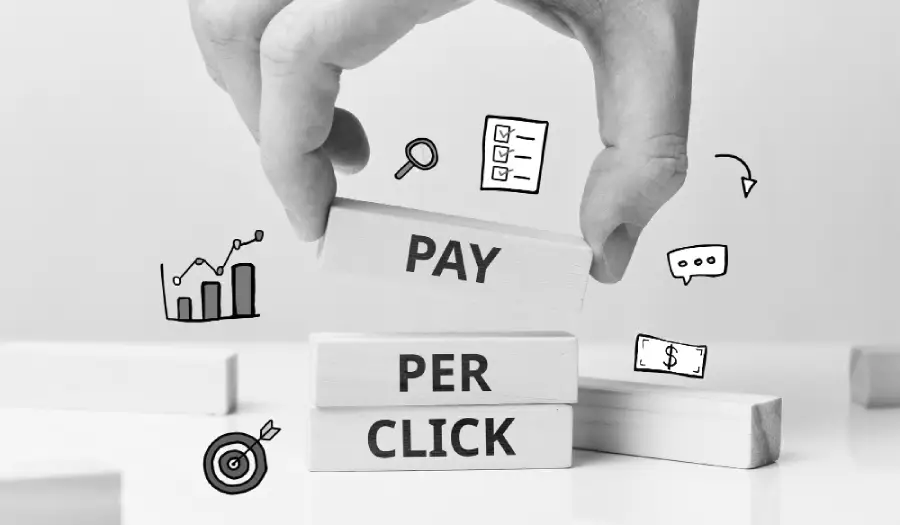
Before combining the two, it’s essential to understand what they are. SEO (Search Engine Optimisation) is the process of improving your website’s performance and content to rank organically on search engines. PPC (Pay-Per-Click), on the other hand, refers to paid advertising that appears on the SERPs, often above or beside the organic results. Both aim to increase visibility—but they work in very different ways.
- SEO builds long-term organic traffic through optimised content, site structure, and technical performance.
- PPC delivers instant results by placing your ads in front of targeted users via Google Ads and similar platforms.
- SEO traffic is free per click, while PPC involves paying for each visitor who clicks your ad.
- Used together, they provide both quick wins and long-term growth, filling in each other’s gaps.
Why Use Both Together?
Many businesses treat SEO and PPC as separate strategies, but combining them can unlock superior results. SEO offers sustainable growth, while PPC offers speed and precision. Together, they can enhance performance across all digital channels, enabling you to capture more visibility, traffic, and data insights.
- Cover more SERP space by appearing in both paid and organic listings, increasing your chances of getting clicked.
- Balance short and long-term goals—use PPC for immediate traffic while your SEO efforts build up.
- Share insights between channels to improve targeting, keyword use, and landing page quality.
- Outperform competitors who are only investing in one channel, making your brand more dominant and consistent.
Increased Visibility and Lead Conversion
One of the biggest advantages of combining SEO and PPC is maximising your visibility on high-intent searches. When your site appears in both the paid and organic sections of the SERP, users are more likely to trust and engage with your brand. This dual presence leads to more clicks, higher conversions, and better overall performance.
- Reinforce trust by appearing in multiple positions on the page, showing users your brand is established and credible.
- Capture more clicks by owning the real estate in both the ad space and the organic listings.
- Support different user behaviours—some people skip ads, others trust them. With both, you’re covered either way.
- Improve lead quality by tailoring landing pages and content to match user intent across both channels.
Enhanced Keyword and Conversion Data
Running SEO and PPC together gives you access to a deeper pool of performance data. PPC campaigns reveal which keywords convert best and which ad copy resonates most. SEO can then be adjusted to target these winning keywords and topics for long-term gain, making both channels smarter over time.
- Use PPC to test keyword performance, then apply those insights to your SEO content strategy.
- Optimise meta descriptions and page titles using the most effective PPC ad copy to improve organic CTR.
- Identify high-converting queries and target them in both SEO and PPC to double down on performance.
- Uncover negative keywords and content gaps to avoid wasted spend and better tailor SEO pages.
Better Brand Awareness
SEO and PPC aren’t just for clicks—they’re also powerful tools for building brand visibility. Appearing in both the ad and organic results ensures your brand is seen multiple times, making it more familiar and trustworthy. This repeated exposure supports brand recall, especially in competitive sectors.
- Show up multiple times on a single results page to increase brand recognition and perceived authority.
- Use branded PPC ads to protect your name and direct clicks to the right landing pages.
- Align brand messaging across SEO and PPC to create a consistent, memorable user experience.
- Boost retargeting efforts by feeding both channels into broader remarketing campaigns.
SERP Domination
Appearing in both paid and organic listings allows you to dominate the SERPs and push competitors further down the page. This full-spectrum visibility makes your business hard to ignore and gives you greater control over the messaging and experience users see first.
- Occupy prime real estate in search results to gain attention and suppress competitor visibility.
- Create multiple touchpoints with your brand before users even click, improving recognition and trust.
- Tailor ad and organic content to cover different user intents (e.g., informational vs transactional).
- Reduce distraction by giving users fewer reasons to click on a competitor’s result or ad.
Improved Google Ads Quality Score
Google Ads Quality Score is influenced by landing page experience, ad relevance, and expected CTR. SEO plays a vital role in this, as better-optimised pages lead to better user experiences. That means your PPC campaigns cost less and perform better—so SEO is helping behind the scenes.
- Optimise landing pages for speed, mobile use, and relevancy to improve both rankings and ad scores.
- Align on-page content with ad copy to increase ad relevance and reduce bounce rates.
- Improve your Quality Score to lower CPC and boost ad visibility without increasing budget.
- Use SEO techniques like internal linking and structured data to improve engagement and conversions.
Shared Insights and Strategic Alignment
When SEO and PPC teams collaborate, the whole marketing strategy becomes stronger. Insights from PPC campaigns can shape SEO priorities, while organic content performance can help refine paid ad targeting. Aligning both channels creates more effective campaigns across the board.
- Use A/B-tested PPC headlines to craft SEO titles that drive more organic clicks.
- Feed SEO content data into PPC campaigns to identify new keyword targets and angles.
- Share demographic and behaviour insights from PPC to tailor SEO content more precisely.
- Create unified reporting across both channels to assess their joint impact and optimise strategy.
Conclusion
In the battle for search engine dominance, SEO and PPC are better together. By combining their strengths, you create a full-funnel strategy that delivers both immediate wins and long-term growth. Whether your goal is visibility, leads, brand awareness, or revenue, using SEO and PPC in tandem gives you more control, insight, and influence over your customer journey.
Instead of thinking in terms of SEO versus PPC, the real power lies in their partnership. Together, they don’t just compete—they conquer. Make the most of this powerful duo, and you won’t just rank. You’ll rule.

Author:
Mark Ford