Are you looking for ways to get ahead of your competitors on Google? Want to rank for keywords they never even knew existed?
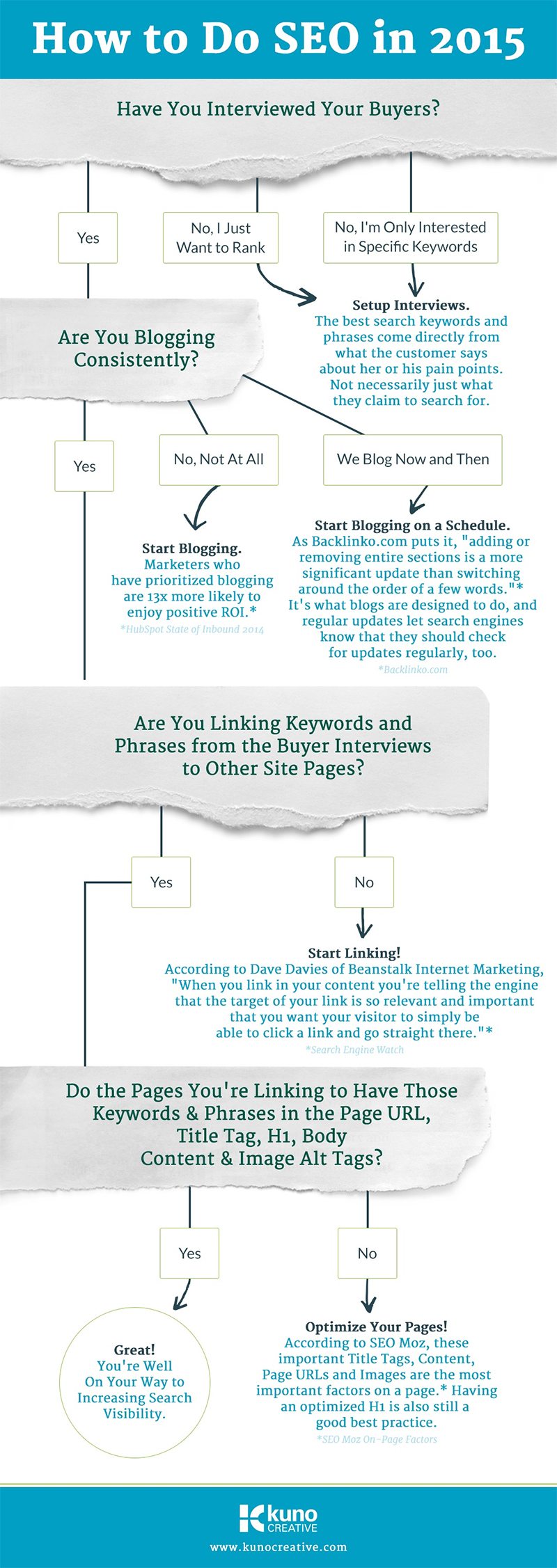
The first part of any SEO strategy is to find out what your target market are searching for on Google. There are plenty of keyword research tools available that can help with this but the method highlighted in the infographic below from Kuno Creative is even simpler, but hardly anyone does it.
The infographic also shows some of the basics of onsite optimisation but it’s always handy to have as a reminder.
In the ever-evolving world of digital marketing, one thing remains constant: the importance of Search Engine Optimization (SEO). SEO is the key to getting your website noticed by search engines like Google, and by extension, getting your business noticed by potential customers. While there are numerous SEO strategies and techniques, there’s one particular SEO trick that has the potential to catapult your business to Google stardom. In this blog post, we’ll dive deep into this powerful SEO tactic and explore how it can significantly boost your online presence and business success.
Chapter 1: Understanding the SEO Landscape
Before we delve into the SEO trick that can skyrocket your business to Google stardom, let’s take a moment to understand the current SEO landscape.
1.1 The Dominance of Google
Google is the undisputed king of search engines, commanding over 90% of the search engine market share globally. When people have questions or are in search of products and services, they often turn to Google. Therefore, ranking well on Google is paramount for businesses looking to increase their online visibility.
1.2 The Evolution of SEO
SEO has come a long way since its inception. It’s no longer just about stuffing keywords into your content or building spammy backlinks. Google’s algorithms have become increasingly sophisticated, focusing on delivering the best possible user experience. This shift has forced marketers to adopt more holistic and user-centric SEO strategies.
1.3 The Importance of SEO for Businesses
Why is SEO so crucial for businesses today? The answer lies in the behavior of modern consumers. Studies show that over 70% of consumers research products or services online before making a purchase. If your business isn’t showing up on Google’s first page of search results, you’re missing out on a significant chunk of potential customers.
Chapter 2: The Power of Long-Tail Keywords
Now that we’ve set the stage, let’s get into the SEO trick that could change the game for your business – the use of long-tail keywords.
2.1 What Are Long-Tail Keywords?
Long-tail keywords are specific, often longer, and more detailed keyword phrases that users enter into search engines. Unlike short-tail keywords, which are broad and competitive, long-tail keywords are more focused and typically have less search volume. Here’s an example to illustrate the difference:
- Short-tail keyword: “shoes”
- Long-tail keyword: “women’s running shoes with arch support
2.2 The Benefits of Long-Tail Keywords
Long-tail keywords offer several advantages over their short-tail counterparts:
2.2.1 Lower Competition
Since long-tail keywords are more specific, they tend to have lower competition. This means it’s easier for your website to rank for these keywords, especially if you have a niche business.
2.2.2 Higher Conversion Rates
Users searching for long-tail keywords usually have a clear intent and are closer to making a purchase decision. This makes them highly valuable leads with a higher conversion rate.
2.2.3 Enhanced User Experience
By targeting long-tail keywords, you can create content that directly addresses the user’s query, providing a more relevant and satisfying experience.
2.3 How to Find Long-Tail Keywords
Finding the right long-tail keywords is crucial to the success of this SEO trick. Here are some effective methods for discovering them:
2.3.1 Keyword Research Tools
Utilize keyword research tools like Google Keyword Planner, Ahrefs, or SEMrush to identify long-tail keywords related to your industry or niche.
2.3.2 Analyze User Questions
Look at frequently asked questions related to your products or services. These can often be converted into long-tail keywords.
2.3.3 Competitor Analysis
Examine the keywords that your competitors are ranking for. You might discover valuable long-tail keyword opportunities.
Chapter 3: Optimizing for Long-Tail Keywords
Now that we’ve established the significance of long-tail keywords, it’s time to discuss how to optimize your website and content for them.
3.1 On-Page SEO
On-page SEO involves optimizing individual web pages to rank higher and earn more relevant traffic. Here’s how you can do it for long-tail keywords:
3.1.1 Keyword Placement
Integrate your long-tail keywords naturally into your content, including the title, headings, and body text. Avoid keyword stuffing, as it can lead to a poor user experience and lower rankings.
3.1.2 High-Quality Content
Craft high-quality, informative content that thoroughly addresses the user’s query. Google values content that provides value and answers questions.
3.1.3 User-Friendly URLs
Create user-friendly, descriptive URLs that include your long-tail keywords. This helps both search engines and users understand the content of your page.
3.2 Technical SEO
Technical SEO focuses on optimizing the technical aspects of your website. Pay attention to the following technical elements when targeting long-tail keywords:
3.2.1 Site Speed
A fast-loading website is crucial for a positive user experience. Ensure that your site loads quickly on both desktop and mobile devices.
3.2.2 Mobile Optimization
Optimize your website for mobile devices, as Google considers mobile-friendliness a ranking factor.
3.2.3 Schema Markup
Implement schema markup to provide search engines with additional context about your content. This can improve your chances of appearing in featured snippets and rich results.
Chapter 4: Creating Compelling Content
Optimizing for long-tail keywords is only half the battle. To truly stand out and catapult your business to Google stardom, you need to create compelling content that resonates with your audience.
4.1 Address User Intent
Understand the intent behind the long-tail keyword you’re targeting. Is the user looking for information, seeking a product, or comparing options? Tailor your content to fulfill that intent.
4.2 Provide Value
Your content should provide genuine value to the user. This could mean offering in-depth information, solving a problem, or presenting a unique perspective.
4.3 Engaging Multimedia
Incorporate engaging multimedia elements like videos, infographics, and images into your content. Visual content can enhance the user experience and keep visitors on your page longer.
4.4 User-Friendly Readability
Ensure your content is easy to read and understand. Use clear headings, bullet points, and concise sentences to improve readability.
Chapter 5: Monitoring and Adaptation
SEO is an ongoing process, and monitoring your progress is essential to long-term success.
5.1 Analyze Your Performance
Regularly check your website’s performance using analytics tools like Google Analytics. Monitor your rankings, organic traffic, and conversion rates.
5.2 User Feedback
Listen to user feedback and make improvements accordingly. Address any issues users may encounter on your website to enhance their experience.
5.3 Algorithm Updates
Stay informed about Google’s algorithm updates. SEO best practices may evolve, so it’s crucial to adapt your strategy as needed.
Chapter 6: Case Studies
Let’s take a look at a couple of real-life case studies where businesses leveraged the power of long-tail keywords to achieve Google stardom.
6.1 Case Study 1: “Vegan Protein Powder for Weight Loss”
A small vegan protein powder manufacturer optimized their product page for the long-tail keyword “vegan protein powder for weight loss.” Within six months, they ranked on the first page of Google, resulting in a 120% increase in organic traffic and a significant boost in sales.
6.2 Case Study 2: “Best Hiking Backpacks for Beginners”
A hiking gear blog created a comprehensive guide targeting the long-tail keyword “best hiking backpacks for beginners.” The guide provided detailed reviews and recommendations. Within a year, the guide ranked in the featured snippet position, driving over 50,000 monthly visitors to the website and establishing the blog as an authority in the hiking niche.
Chapter 7: Conclusion
In today’s competitive digital landscape, the right SEO strategy can make all the difference in your business’s success. By harnessing the power of long-tail keywords, optimizing your website, creating compelling content, and continuously monitoring and adapting your approach, you can catapult your business to Google stardom. Long-tail keywords may be the secret ingredient your SEO strategy has been missing, unlocking new opportunities and expanding your online presence.
So, take the time to research and implement long-tail keywords effectively, and watch as your business shines brightly in the vast galaxy of Google search results. With dedication and the right strategy, you can reach for the stars and achieve Google stardom for your business.

Author:
Mark Ford