
Are you considering investing in video marketing this year? Want to know the video types that work best on each social platform?
Animoto share their social media video marketing tips in this infographic.
They break things down as follows:
- The best video types per social network
- Consumers preferred video features
- Consumers preferred video types from brands
Check out the infographic for more detail.
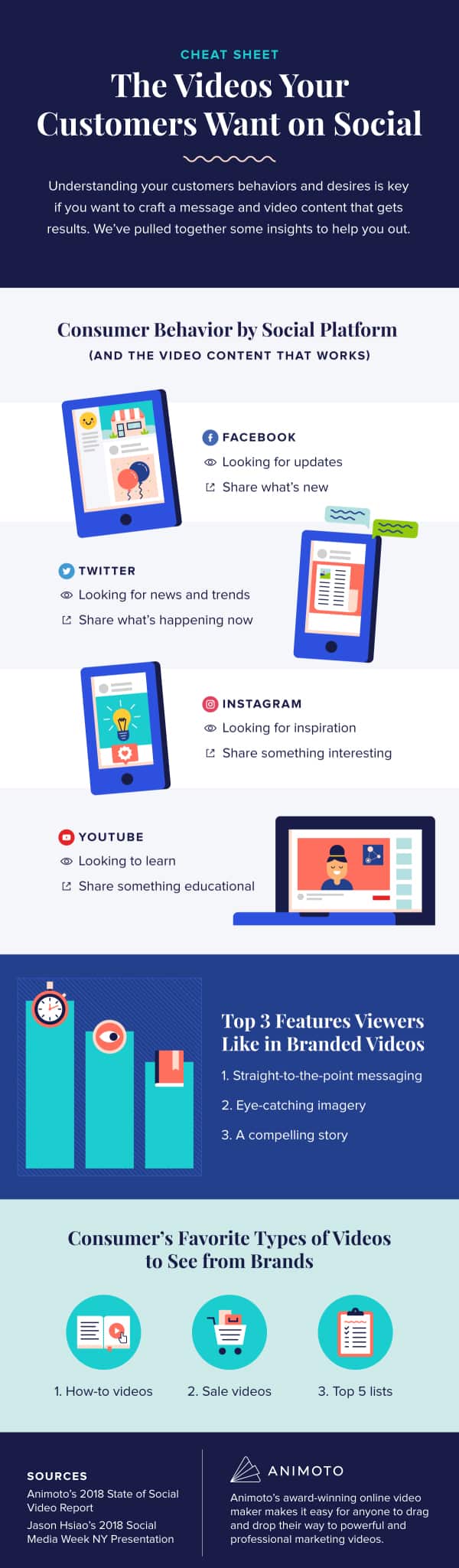
In today’s fast-paced digital landscape, video content has emerged as a dominant form of communication. As consumers increasingly gravitate toward engaging visual content, brands must tailor their video strategies to resonate with their audiences across various social networks. Each platform has its own unique characteristics, user preferences, and algorithms that favor specific types of video content. In this post, we’ll explore the different types of videos that work best on each social network, the preferred video features among consumers, and the types of videos consumers enjoy from brands.
The Best Video Types Per Social Network
Creating video content tailored to each social network is crucial for any small business looking to make a big impact in today’s digital landscape. Each platform has its own unique audience and expectations, and by understanding the best video types for each social network, small businesses can better reach their target market, maximize engagement, and increase brand visibility. This section provides in-depth tips and guidance on how small businesses can create effective videos for each social network.
- Facebook: Engage with Versatile Content
Facebook is an ideal platform for engaging a broad audience, as it supports various types of video content. From short videos to live streams, small businesses can leverage Facebook’s versatility.
Tips for Small Businesses:
- Short-Form Content for High Engagement: Facebook users have short attention spans, so videos between 15 seconds to 1 minute tend to perform best. Create bite-sized content that delivers your key message quickly and effectively. This could include teasers, quick tips, or product demonstrations.
- Use Live Streaming to Connect in Real-Time: Live video is particularly powerful on Facebook, allowing small businesses to engage with their audience in real time. Consider hosting Q&A sessions, product launches, or behind-the-scenes events. Promote your live stream in advance, interact with viewers during the broadcast, and respond to comments to foster a community around your brand.
- Leverage User-Generated Content (UGC): Facebook is an excellent platform for sharing user-generated content. Encourage your customers to post videos using your products and feature their content on your page. UGC builds authenticity and trust, making your brand more relatable.
- Optimize for Mobile Viewing: Over 90% of Facebook users access the platform via mobile, so ensure your videos are mobile-friendly. Shoot vertical videos, use subtitles, and keep your content concise to accommodate mobile viewing habits.
Types of Videos for Facebook:
- Short, engaging videos (15-60 seconds)
- Live streaming for real-time engagement
- Product tutorials and explainer videos
- User-generated content
- Instagram: Capture Attention with Visual Appeal
Instagram is a highly visual platform, making it perfect for businesses that rely on aesthetically pleasing content. With features like Stories, Reels, and IGTV, Instagram offers multiple avenues for video marketing.
Tips for Small Businesses:
- Master Instagram Reels for Virality: Instagram Reels are ideal for short, entertaining videos that align with current trends. Reels can boost discoverability since Instagram’s algorithm favors this format. Small businesses can participate in trending challenges, showcase quick product demos, or share customer success stories. Use trending music, hashtags, and creative transitions to increase your chances of going viral.
- Create Authentic Stories: Instagram Stories provide an opportunity to post casual, behind-the-scenes content that disappears after 24 hours. Small businesses can use Stories to share limited-time offers, day-to-day updates, or promote upcoming events. Use polls, quizzes, and questions to interact directly with your audience. Incorporating interactive elements boosts engagement and makes your brand more memorable.
- Leverage IGTV for Long-Form Content: If your business has a story to tell that requires more than a minute, IGTV allows you to post videos up to 60 minutes long. This format is perfect for more in-depth content like interviews, tutorials, or brand storytelling. Consistency is key on IGTV—consider creating a weekly series or recurring segments that viewers can look forward to.
- Utilize Shoppable Videos: Instagram’s shopping features allow businesses to tag products directly in videos. Create videos that highlight specific products and use product tags to make it easy for viewers to make purchases without leaving the app.
Types of Videos for Instagram:
- Instagram Reels for short, trendy videos
- Stories for ephemeral, interactive content
- IGTV for long-form, educational videos
- Shoppable videos for direct product promotion
- YouTube: Go In-Depth with Long-Form Content
YouTube is the go-to platform for long-form video content and serves as the second-largest search engine in the world. Small businesses can use YouTube to deliver value-rich content and build a loyal subscriber base.
Tips for Small Businesses:
- Create How-To and Tutorial Videos: Educational content thrives on YouTube. If your product or service requires explanation, consider creating detailed how-to videos or tutorials. These videos should solve a problem or provide value to your audience. Include detailed descriptions and relevant keywords to optimize for search engines, increasing your video’s discoverability.
- Use Vlogs to Build Personal Connection: Vlogging (video blogging) can be a powerful way for small businesses to build personal connections with their audience. You could vlog about the day-to-day operations of your business, share updates, or offer a behind-the-scenes look at your processes. Vlogs work especially well for businesses that want to showcase authenticity and build a stronger brand identity.
- Product Reviews and Unboxings for Trust Building: Consumers often turn to YouTube for product reviews before making purchasing decisions. Create product review videos, highlight key features, and show how your product solves problems. Unboxing videos also perform well, as they give viewers a real-life look at what they can expect from your product.
- Use YouTube SEO to Increase Discoverability: Since YouTube operates like a search engine, it’s critical to optimize your videos for search. Use relevant keywords in your video titles, descriptions, and tags. Additionally, adding timestamps can make longer videos easier to navigate, improving the viewer experience.
Types of Videos for YouTube:
- How-to tutorials and educational content
- Vlogs to share personal or brand stories
- Product reviews and unboxing videos
- Webinars and expert interviews
- TikTok: Focus on Short, Creative, and Engaging Content
TikTok’s explosive growth has made it one of the hottest platforms for short-form video content. With its focus on creativity and trends, TikTok is an excellent place for small businesses to experiment with fun, engaging content.
Tips for Small Businesses:
- Follow and Participate in Trends: TikTok’s algorithm heavily favors trending content. Small businesses should keep an eye on popular challenges, music, or hashtags and create their own take on these trends. Whether it’s a dance challenge, a creative transition, or a meme, aligning your content with trending themes will help you reach a wider audience.
- Show Behind-the-Scenes Content: TikTok users love authenticity, so don’t be afraid to show the less polished side of your business. Behind-the-scenes videos that show how products are made, how your team operates, or even bloopers from your shoots can build a personal connection with your audience.
- Quick Tutorials and Product Demos: Although TikTok videos are short (up to 3 minutes), you can still pack valuable information into bite-sized clips. Share quick tips, hacks, or product demos that educate viewers in an entertaining way. The short format forces you to be concise, which helps keep viewers’ attention.
- Collaborate with Influencers: TikTok is known for its influencers. Small businesses can benefit from influencer collaborations to reach new audiences. Partnering with TikTok creators who align with your brand can help amplify your message and boost your credibility.
Types of Videos for TikTok:
- Trend-based videos (challenges, dances, memes)
- Short behind-the-scenes clips
- Quick tutorials or tips
- Influencer collaborations and user-generated content
- LinkedIn: Share Professional and Thought Leadership Content
LinkedIn is the premier platform for B2B marketing, making it ideal for sharing professional and thought leadership video content. Small businesses can use LinkedIn to establish credibility, share expertise, and build relationships with a professional audience.
Tips for Small Businesses:
- Create Thought Leadership Content: LinkedIn is home to professionals seeking industry insights, tips, and trends. Videos featuring expert opinions, interviews with industry leaders, or insights into the latest industry developments can position your business as a thought leader. Create content that demonstrates your expertise and provides value to your target audience.
- Share Company Culture Videos: For businesses looking to attract top talent or foster better relationships with their audience, sharing videos that highlight company culture can be incredibly effective. Showcase your team, company events, or day-to-day operations to give your audience an inside look at what makes your business unique.
- Host Webinars and Share Educational Videos: LinkedIn’s professional environment is perfect for sharing educational content, such as webinars, panel discussions, or training sessions. These videos provide value to your audience and can drive high engagement, especially if they focus on professional development or industry knowledge.
- Share Case Studies and Success Stories: Demonstrating how your products or services have helped other businesses succeed can be highly persuasive. Create video case studies or client testimonials that highlight specific challenges and how your business provided solutions.
Types of Videos for LinkedIn:
- Thought leadership and expert interviews
- Company culture and team-related content
- Educational webinars or training videos
- Case studies and client testimonials
Conclusion
For small businesses, creating effective video content tailored to each social network is key to building a strong online presence. By understanding the nuances of each platform and leveraging the right types of videos, small businesses can engage their audience, increase brand awareness, and drive meaningful results. Whether it’s entertaining short-form videos on TikTok, educational how-tos on YouTube, or professional thought leadership on LinkedIn, crafting a strategy that aligns with each platform’s strengths will set your business up for success in the ever-evolving world of digital marketing.
Consumers’ Preferred Video Features
Understanding consumers’ preferences when it comes to video features is essential for small businesses to create impactful video content. In today’s fast-paced digital world, viewers expect high-quality, engaging, and easy-to-consume videos. While each audience may have its own unique preferences, there are several key features that resonate broadly across different demographics and platforms. By incorporating these preferred video features, small businesses can boost their video performance, increase viewer retention, and ultimately drive more engagement and conversions.
- Short and Snappy Videos
Consumers value brevity when it comes to video content. With an increasing amount of content vying for attention, viewers are less likely to watch long videos unless they are highly engaging or educational. Shorter videos can quickly convey key messages without losing the audience’s interest.
Tips for Small Businesses:
- Keep It Under 2 Minutes: Studies show that videos under two minutes long tend to have the highest engagement rates. For small businesses, this means delivering your message in a concise and focused manner. Use this format for product demos, quick tips, or promotional content.
- Get to the Point Early: Hook your audience within the first few seconds. Start with a compelling visual or statement that immediately communicates the value of watching the video. Don’t wait until the end to reveal key information.
- Tailor Content for Specific Platforms: Different social platforms cater to different video lengths. For instance, TikTok videos should be 15 to 60 seconds long, while YouTube videos can be longer. Match the video length to the platform’s best practices to maximize engagement.
- Mobile-Optimized Videos
With the majority of consumers now viewing video content on their mobile devices, optimizing videos for mobile is critical. This includes making sure that your videos are both visually and technically suited for smaller screens.
Tips for Small Businesses:
- Use Vertical or Square Video Formats: Vertical videos (9:16 ratio) are particularly important for platforms like Instagram Stories, TikTok, and Snapchat, where users primarily hold their phones upright. Square videos (1:1 ratio) work well for platforms like Facebook and Instagram feeds. Both formats take up more screen space, capturing more attention.
- Ensure Text Is Legible: Small text can be difficult to read on mobile devices. Use larger fonts and ensure there is sufficient contrast between text and background. Also, place any text in the center of the screen to avoid cropping issues on mobile devices.
- Subtitles and Captions Are a Must: Many users watch videos with the sound off, especially on social media platforms like Facebook and Instagram. Adding subtitles or closed captions ensures your message is still conveyed even if the viewer isn’t listening. This also makes your content accessible to a wider audience, including those with hearing impairments.
- High-Quality Visuals and Production
Visual quality is a key driver of viewer engagement. Consumers expect professional-looking videos, even from small businesses. A video with poor lighting, shaky camera work, or low resolution can quickly turn viewers away.
Tips for Small Businesses:
- Invest in Good Lighting: Proper lighting can make a significant difference in the quality of your video. Natural light is a great option if available, but if you’re shooting indoors, consider investing in affordable lighting kits that provide consistent, professional lighting. Avoid harsh shadows and ensure the subject is well-lit.
- Use a Tripod or Stabilizer: Shaky video footage can distract viewers. Using a tripod or stabilizer will ensure smooth and steady shots, creating a more professional-looking video. This is especially important for product demos or tutorial videos where clarity is essential.
- Shoot in HD or 4K: Modern consumers expect high-definition video. While HD (1080p) is the standard for most platforms, 4K video is becoming increasingly popular. If your budget allows, invest in equipment that can shoot in 4K resolution, as this ensures your videos look crisp and professional on any screen.
- Storytelling and Authenticity
Consumers are drawn to authentic, relatable content, and videos that tell a story often perform better than purely promotional material. Rather than focusing solely on selling, small businesses should aim to connect emotionally with their audience.
Tips for Small Businesses:
- Incorporate Storytelling Elements: Frame your video content around a story that resonates with your audience. This could be a customer success story, the journey of how your product is made, or a behind-the-scenes look at your business. Storytelling helps build a deeper connection with viewers, making them more likely to engage with your brand.
- Showcase Authentic Moments: Consumers appreciate authenticity over polished, overly-scripted videos. Share real moments from your business, such as behind-the-scenes footage, interviews with employees or customers, or day-to-day operations. This humanizes your brand and builds trust.
- Use User-Generated Content: Encourage customers to create and share videos featuring your products or services. User-generated content (UGC) adds a layer of authenticity to your marketing efforts and acts as social proof, showing that real people love your product.
- Clear and Engaging Call-to-Actions (CTAs)
A video without a clear call-to-action (CTA) is a missed opportunity. Consumers prefer videos that guide them on what to do next, whether it’s visiting a website, signing up for a newsletter, or making a purchase.
Tips for Small Businesses:
- Incorporate CTAs Throughout the Video: While it’s common to place a CTA at the end of a video, consider incorporating them at strategic points throughout. For instance, you could include a CTA after introducing your product or service to capture the audience’s attention when engagement is at its peak.
- Use On-Screen Text or Graphics for CTAs: To make your CTA more prominent, use text or visual graphics that clearly state what action you want viewers to take. For example, “Shop Now,” “Learn More,” or “Subscribe for Updates” can be added as clickable overlays or text at the bottom of the video.
- Create a Sense of Urgency: Consumers are more likely to act when there’s a sense of urgency. Incorporate phrases like “limited-time offer” or “only a few spots left” to motivate viewers to take action immediately.
- Personalization and Targeted Content
Consumers are more likely to engage with content that feels personalized and relevant to their interests. Small businesses can leverage personalization to create videos that speak directly to different segments of their audience.
Tips for Small Businesses:
- Segment Your Audience: Use data and insights from your customer base to create tailored video content for different segments. For example, if you own a fitness business, you might create one video targeting beginners and another for advanced athletes. This ensures that each viewer receives content that’s relevant to their needs.
- Use Retargeting to Personalize Video Ads: Platforms like Facebook and YouTube offer retargeting options that allow you to show personalized video ads to users who have interacted with your business in the past. For instance, you could retarget users who have visited your website but didn’t make a purchase, showing them a video that highlights the benefits of your product.
- Address Specific Pain Points: When creating video content, focus on addressing the specific pain points or challenges that your target audience faces. Videos that offer solutions to common problems or showcase how your product can improve their lives are more likely to resonate with viewers.
- Engaging Thumbnails and Titles
The thumbnail and title are the first things consumers see before clicking on a video. A well-designed thumbnail and compelling title can make all the difference in whether someone decides to watch your video or scroll past it.
Tips for Small Businesses:
- Use Eye-Catching Thumbnails: Create custom thumbnails that stand out and accurately represent the content of your video. Thumbnails with clear images, bold text, and vibrant colors tend to perform better. Make sure the subject of your video is clearly visible in the thumbnail to avoid confusion.
- Write Compelling, Click-Worthy Titles: Your title should be both descriptive and intriguing. It should tell viewers what to expect while piquing their curiosity. Incorporate relevant keywords to make your video easier to find through search, but avoid clickbait titles that might mislead viewers, as this can lead to high drop-off rates.
- Include Branding in Your Thumbnails: To build brand recognition, consider including your logo or brand colors in your thumbnails. This subtle branding helps create a cohesive visual identity for your video content across different platforms.
- Interactive Elements and Polls
Consumers love videos that allow them to engage directly with the content. Interactive videos with features like polls, quizzes, or clickable elements keep viewers actively engaged, making the content more memorable.
Tips for Small Businesses:
- Use Polls and Questions on Stories: Platforms like Instagram and Facebook allow users to add interactive elements such as polls, questions, and quizzes to Stories. These features are perfect for engaging your audience in real-time and collecting valuable feedback. For example, you could create a poll asking viewers which product they like best or ask for input on future content ideas.
- Incorporate Clickable Elements in Ads: If you’re running video ads, platforms like YouTube and Facebook allow you to add clickable elements such as “Shop Now” or “Learn More” buttons. These interactive elements make it easy for viewers to take immediate action without leaving the video.
- Host Live Q&A Sessions: Live videos, particularly on Facebook and Instagram, offer an opportunity for real-time interaction with your audience. Hosting live Q&A sessions allows viewers to ask questions and receive answers immediately, creating a more engaging and personalized experience.
By implementing these consumer-preferred video features, small businesses can create engaging, high-quality videos that resonate with their target audience.
Consumers’ Preferred Video Types from Brands
When it comes to video content from brands, consumers have clear preferences regarding the types of videos they want to see. As a small business, understanding these preferences can help you craft video content that not only engages your audience but also builds trust, drives conversions, and enhances brand loyalty. In this section, we’ll explore the most popular video types that consumers prefer to see from brands and provide in-depth tips and guidance on how small businesses can effectively leverage these formats.
- Product Demonstration and Tutorial Videos
Consumers love videos that showcase how a product works or how it can be used in their daily lives. Product demonstration and tutorial videos are highly effective at providing detailed, visual explanations that can be more engaging and informative than text-based content. This type of video is especially useful for small businesses with complex or unique products that require some level of education.
Tips for Small Businesses:
- Highlight Key Features and Benefits: When creating a product demo video, focus on the key features and benefits that set your product apart from competitors. Break down the core functionalities, but keep the explanations clear and concise.
- Use a Problem-Solution Format: Frame your tutorial or demo video around a problem that your product solves. Show the audience how your product can make their life easier, solve a specific pain point, or fulfill a need.
- Incorporate Real-World Use Cases: Consumers want to see how the product performs in real life. If possible, include real-world use cases or customer testimonials in your demonstration video. For example, if you sell fitness equipment, show how the equipment is used in a home gym setup or highlight a success story from a satisfied customer.
- Provide a Call-to-Action: At the end of the video, guide your audience toward the next step, whether it’s visiting your website, purchasing the product, or signing up for a newsletter. Use strong, action-oriented CTAs to encourage viewers to take action after watching.
- Behind-the-Scenes (BTS) and Company Culture Videos
Consumers appreciate transparency and authenticity from brands, and behind-the-scenes (BTS) videos give them a glimpse into how your business operates. These videos help humanize your brand by showcasing the people, processes, and culture behind your products or services. They also provide a level of authenticity that is highly valued by modern consumers.
Tips for Small Businesses:
- Show Your Team in Action: Highlight the faces behind your brand by showcasing your employees at work. This could be in the form of a day-in-the-life video, a team meeting, or footage of employees creating or packing products. This type of content helps build a personal connection with your audience.
- Feature Company Events or Milestones: If your small business hosts events, launches new products, or celebrates milestones, create a video around these moments. Sharing these highlights with your audience can help build excitement and engagement while reinforcing your brand’s values and mission.
- Keep It Authentic: Don’t overproduce behind-the-scenes videos. Consumers value authenticity, so it’s okay to show the raw, real moments of your business. Imperfections can make your business appear more relatable and approachable.
- Highlight Your Brand’s Story: Use behind-the-scenes videos as an opportunity to tell the story of your business. Share your journey, your vision, and your mission with your audience. Customers are more likely to support brands they feel connected to on a personal level.
- User-Generated Content (UGC) and Customer Testimonial Videos
Consumers trust other consumers more than they trust branded messages, which is why user-generated content (UGC) and testimonial videos are among the most powerful video types for building trust. When customers see real people using and recommending your products, it adds credibility to your brand and can significantly influence purchasing decisions.
Tips for Small Businesses:
- Encourage Customers to Share Their Stories: Encourage satisfied customers to share videos of them using your products or services. You can run social media contests, offer incentives, or create a branded hashtag to make it easy for customers to participate. Feature the best submissions on your social media platforms or website to show real-world satisfaction.
- Use Testimonials to Build Credibility: Testimonial videos should feature real customers sharing their honest experiences with your product or service. Make sure the testimonials highlight specific benefits or results that the customer has experienced. These videos act as social proof and can be particularly persuasive for potential buyers who are on the fence.
- Showcase UGC in Ads: User-generated content doesn’t have to stay confined to social media. Consider incorporating UGC into paid advertising campaigns on platforms like Facebook and Instagram. These authentic, customer-driven videos can perform well because they feel less like traditional ads and more like personal recommendations.
- Keep It Relatable: Ensure that the customers featured in your testimonial videos reflect your target audience. Viewers are more likely to connect with testimonials that feel relatable and genuine.
- Explainer and Educational Videos
Consumers appreciate brands that provide value beyond just promoting their products, and explainer or educational videos are a great way to do this. These videos aim to educate the audience on a specific topic related to your industry, product, or service. Educational content positions your brand as an authority and builds long-term trust with your audience.
Tips for Small Businesses:
- Teach Something Valuable: Create videos that address common questions, challenges, or misconceptions related to your industry or product. For example, if you run a skincare brand, you could create an explainer video on how to build a skincare routine or the benefits of using specific ingredients in your products.
- Use Animation to Simplify Complex Concepts: For businesses with more complex offerings, such as SaaS products or technical services, animated explainer videos can help break down complicated concepts in an easy-to-understand format. Use clear visuals, icons, and diagrams to simplify your message.
- Create a Series of Educational Content: Rather than creating one-off videos, consider developing a series of educational content that covers various topics within your industry. This can help establish your brand as a thought leader and keep your audience coming back for more valuable information.
- Keep It Engaging: Educational videos don’t have to be dry or overly technical. Use storytelling, humor, and engaging visuals to keep your audience interested while still delivering valuable information.
- Live Videos and Interactive Content
Live videos have become increasingly popular across social media platforms like Facebook, Instagram, and YouTube. They offer a unique opportunity for real-time interaction with your audience, creating a sense of immediacy and authenticity. Live videos can be used for various purposes, such as product launches, Q&A sessions, or virtual events.
Tips for Small Businesses:
- Host Q&A Sessions: Live Q&A sessions are a great way to engage with your audience in real time. Allow customers to ask questions about your products, services, or industry, and provide direct responses. This not only builds trust but also creates a more personalized connection with your audience.
- Offer Live Product Demos: If you’re launching a new product, consider hosting a live demonstration where viewers can see the product in action and ask questions about its features. Offering exclusive deals or discounts during the live stream can also encourage viewers to take immediate action.
- Promote Your Live Videos in Advance: To maximize viewership, promote your live videos ahead of time on your social media channels, email newsletters, and website. Let your audience know when and where to tune in, and provide a brief overview of what to expect during the live session.
- Engage with Your Audience in Real-Time: During your live video, engage with viewers by responding to their comments and questions. This creates a more interactive experience and encourages higher engagement rates.
- Announcement and Launch Videos
Consumers love staying up-to-date with the latest products, services, and updates from their favorite brands. Announcement and launch videos allow you to generate excitement and buzz around your brand’s new offerings. These videos are ideal for introducing new products, services, or events.
Tips for Small Businesses:
- Build Anticipation with Teasers: Before launching a new product or service, create teaser videos that build excitement and anticipation. Use short clips that offer a sneak peek without revealing too much, creating curiosity among your audience.
- Highlight Key Features in Launch Videos: When creating a product launch video, focus on showcasing the most exciting and innovative features of your product. Highlight what makes it unique and how it can benefit your customers. Keep the tone energetic and upbeat to maintain excitement.
- Include a Strong Call-to-Action: Make sure your announcement or launch video includes a clear call-to-action that directs viewers to take the next step. Whether it’s pre-ordering the product, signing up for a newsletter, or attending a launch event, guide your audience toward the desired action.
- Leverage Multiple Platforms: Distribute your announcement videos across multiple channels, including social media, email, and your website, to maximize reach. Make sure the video is optimized for the platform you’re using, whether it’s a short teaser on Instagram or a longer launch video on YouTube.
- Entertaining and Inspirational Videos
While educational and promotional content is important, consumers also enjoy videos that entertain or inspire. Entertaining videos are particularly popular on platforms like TikTok, Instagram, and YouTube, where humor, creativity, and relatability are key drivers of engagement.
Tips for Small Businesses:
- Incorporate Humor and Creativity: Don’t be afraid to inject humor and creativity into your video content. Entertaining videos often go viral, and they can help humanize your brand and create a positive association with your products or services.
- Share Inspirational Stories: Inspirational content that resonates with your audience’s values can help create an emotional connection with your brand. Share stories of customer success, community involvement, or your brand’s journey to inspire and uplift your audience.
- Stay on Trend: Keep an eye on trending topics, challenges, and formats on platforms like TikTok and Instagram. Participating in trends while adding your brand’s unique spin can help your content reach a wider audience and show that your brand is in touch with current conversations.
- Balance Entertainment with Brand Messaging: While it’s important to entertain, don’t lose sight of your brand message. Make sure that the video still aligns with your brand values and goals, and subtly weave in your product or service if relevant.
By understanding consumers’ preferred video types, small businesses can create a diverse and effective video marketing strategy that resonates with their audience. Whether it’s product demos, behind-the-scenes content, or inspirational stories, aligning your video content with these preferences will help strengthen your brand and drive engagement.
Conclusion
As video continues to dominate digital marketing, brands must adapt their strategies to meet the unique preferences of consumers on different social networks. By understanding the best video types for each platform, the features that engage audiences, and the content that resonates with consumers, brands can create effective video marketing campaigns that drive engagement and foster brand loyalty. In an ever-evolving landscape, staying attuned to audience preferences and trends will ensure that brands remain relevant and successful in their video marketing efforts.

Author:
Mark Ford