Social media has become an integral part of our lives, shaping the way we communicate, share information, and connect with others.
With the ever-growing number of platforms and users, it’s essential to navigate this digital landscape wisely. Not all social media accounts are created equal, and some can have a significant impact on our lives, whether positively or negatively.
In this blog post, we’ll explore the importance of choosing who to follow and who to avoid on social media, offering valuable insights into creating a healthier online experience.
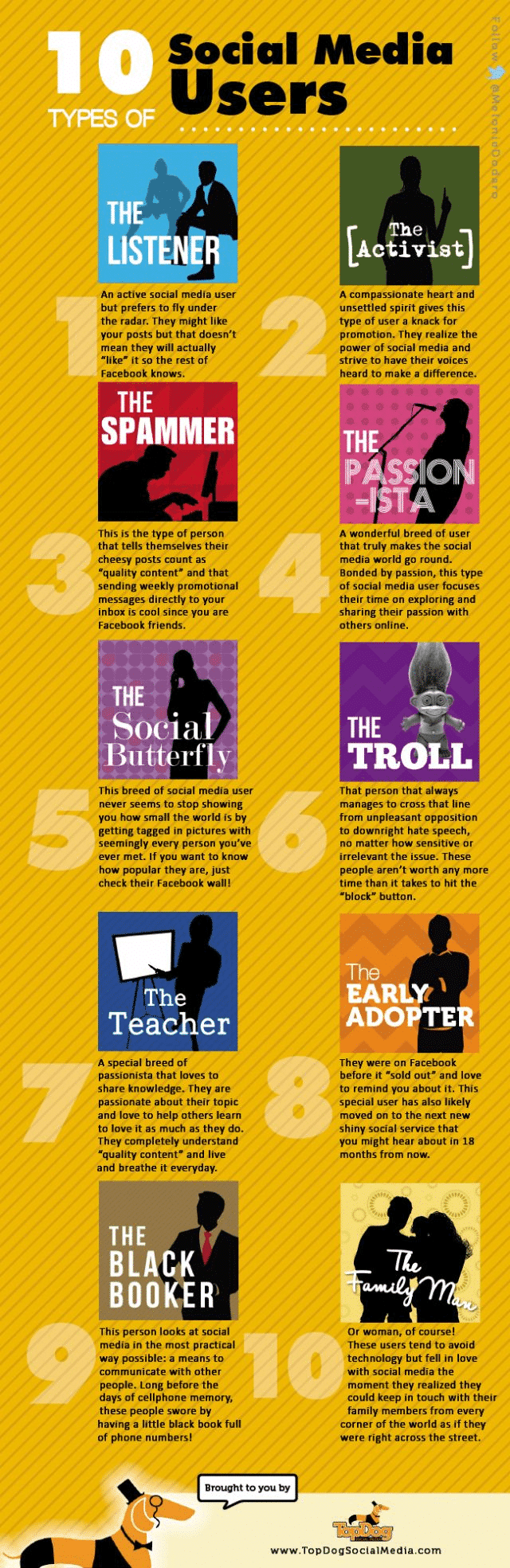
Infographic by Top Dog Social Media.
Section 1: The Power of Social Media
Social media platforms have revolutionized the way we interact with the world. They provide a platform for self-expression, information dissemination, and community building. However, this power comes with both benefits and risks.
1.1. Positive Aspects of Social Media
a) Connection and Networking: Social media allows individuals to connect with friends, family, colleagues, and people with similar interests, irrespective of geographical boundaries. It fosters a sense of belonging and facilitates the exchange of ideas.
b) Information Sharing: Social media serves as a valuable source of information, news, and updates on various topics. It helps in staying informed about current events and trends.
c) Business and Brand Promotion: Many businesses and individuals leverage social media for marketing and brand promotion. It provides a cost-effective way to reach a global audience.
1.2. Negative Aspects of Social Media
a) Digital Addiction: The constant availability of social media can lead to addiction, impacting one’s productivity and mental well-being.
b) Cyberbullying: Social media can be a breeding ground for cyberbullying, causing emotional distress and harm to individuals, particularly teenagers.
c) Spread of Misinformation: False information can spread rapidly on social media, leading to confusion and public harm.
d) Privacy Concerns: Users’ personal data can be misused or exploited by malicious actors, raising significant privacy concerns.
Section 2: Who to Follow – Choosing Wisely
2.1. Friends and Family
When it comes to choosing who to follow on social media, your friends and family are a natural starting point. These connections often share common interests, and following them can help you stay connected and updated on their lives.
2.2. Experts and Thought Leaders
Follow individuals who are experts in their field or thought leaders in areas of interest to you. Their posts can provide valuable insights, knowledge, and perspectives that enrich your understanding of specific topics.
2.3. Positive Role Models
Look for individuals who inspire and motivate you. These could be athletes, artists, entrepreneurs, or activists who share their journeys, challenges, and successes. Following positive role models can uplift your spirit and drive you towards personal growth.
2.4. Educational and Inspirational Accounts
Follow accounts dedicated to education and inspiration. These accounts often share informative content, quotes, and stories that can improve your knowledge and mindset.
2.5. Organizations and NGOs
Many organizations and non-governmental organizations (NGOs) use social media to raise awareness about important causes. Following these accounts can keep you informed about social issues and opportunities for involvement.
Section 3: Who to Avoid – Identifying Red Flags
While there are many positive and inspiring accounts on social media, there are also those that can be harmful or misleading. It’s crucial to be discerning and identify red flags when deciding who to avoid.
3.1. Trolls and Bullies
Avoid accounts that engage in trolling, harassment, or cyberbullying. These individuals can create a toxic online environment and harm your mental well-being.
3.2. Spreaders of False Information
Be cautious of accounts that consistently share unverified or false information. Misinformation can be harmful and lead to misguided beliefs and actions.
3.3. Excessive Self-Promotion
Some accounts may focus excessively on self-promotion, pushing products, services, or personal achievements without providing value to their followers. These accounts may not offer a genuine and meaningful connection.
3.4. Overly Negative or Toxic Content
Accounts that consistently post negative or toxic content can be draining and detrimental to your mental health. It’s essential to prioritize your well-being and avoid such accounts.
3.5. Lack of Privacy
Avoid accounts that do not prioritize privacy and share sensitive personal information or engage in risky behavior. Protecting your personal information and safety should always be a priority.
Section 4: Maintaining a Healthy Online Experience
4.1. Regularly Review and Unfollow
Periodically review the accounts you follow and unfollow those that no longer align with your interests or values. It’s okay to curate your online experience to ensure it remains positive and enriching.
4.2. Use Privacy Settings
Take advantage of privacy settings on social media platforms to control who can see your posts and interact with you. Protecting your personal information and safety is paramount.
4.3. Engage Mindfully
Practice mindful engagement on social media. Avoid engaging in heated arguments or unnecessary conflicts. Instead, focus on constructive conversations and positive interactions.
4.4. Fact-Check Information
Before sharing or acting on information you find on social media, take the time to fact-check and verify its accuracy. Help combat the spread of misinformation by being a responsible user.
4.5. Set Time Limits
To prevent digital addiction, set time limits for your social media use. Allocate specific times during the day for checking your feeds, and stick to them.
Conclusion
Social media can be a powerful tool for connection, information sharing, and personal growth. However, it’s essential to choose wisely when deciding who to follow and who to avoid. By curating your online experience, you can create a healthier and more positive digital environment. Remember that your well-being should always be a priority, and taking steps to protect it on social media is a sign of responsible and mindful usage.

Author:
Mark Ford