In the vast and competitive landscape of the internet, getting your website noticed can be a daunting task.
Search Engine Optimization (SEO) plays a pivotal role in making your website visible to potential visitors. However, merely optimizing your content for search engines is no longer sufficient.
To truly succeed in the digital realm, you need to create SEO content that not only ranks well but also captivates and resonates with your audience.
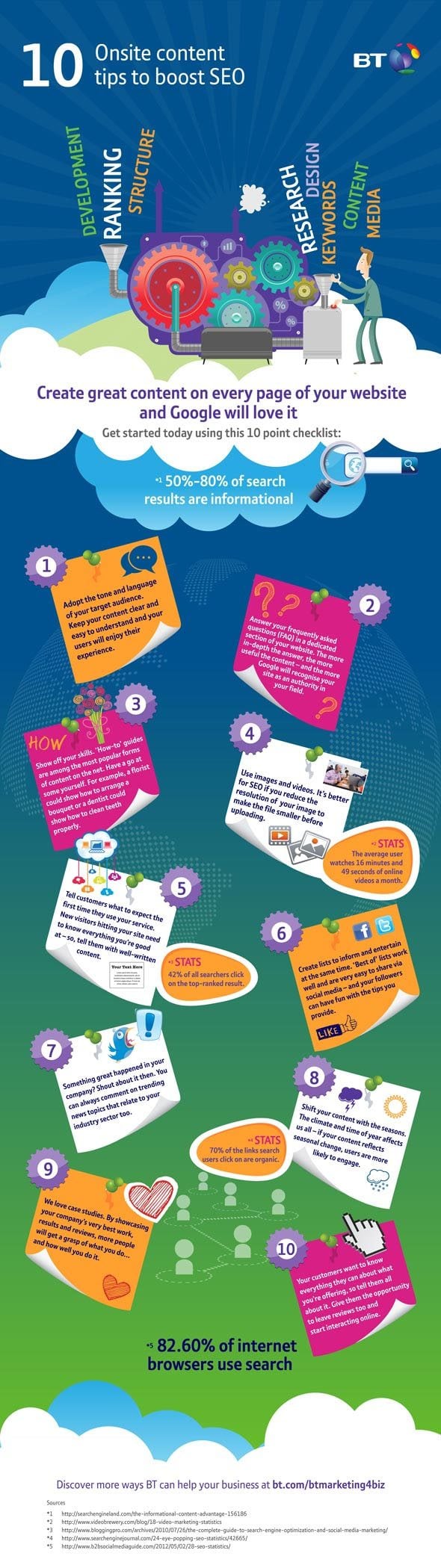
In this blog post, we’ll delve into ten essential tips to help you create SEO content that your website visitors will love.
1. Understand Your Audience
Before you start crafting SEO content, you need to have a deep understanding of your target audience. Who are they? What are their needs, preferences, and pain points? Conduct thorough research, create buyer personas, and utilize analytics tools to gain insights into your audience’s behavior. By knowing your audience inside and out, you can tailor your content to meet their specific interests and needs.
2. Keyword Research
Keywords are the building blocks of SEO content. Start by identifying relevant keywords and phrases that are not only popular but also align with your content and business goals. Use keyword research tools like Google Keyword Planner, SEMrush, or Ahrefs to find keywords with a good balance of search volume and competition. Incorporate these keywords naturally into your content to improve its search engine ranking.
3. High-Quality Content is Key
While keywords are important, they should not compromise the quality of your content. Google’s algorithms have become increasingly sophisticated at identifying and rewarding high-quality content. Focus on creating content that provides value, answers questions, and solves problems for your audience. Engage your readers with well-researched, informative, and well-structured content that keeps them coming back for more.
4. Create Engaging Headlines
Your headline is the first thing users see in search results and on your website. A compelling headline can make a significant difference in click-through rates. Craft headlines that are not only optimized for your target keywords but also grab attention and generate curiosity. Consider using power words, numbers, and emotional triggers to make your headlines more enticing.
5. Optimize Meta Tags
Meta tags, including the title and meta description, play a crucial role in SEO. The title tag should contain your primary keyword and provide a clear, concise description of the content. The meta description should entice users to click through to your website by summarizing the value of the page. Keep both tags within the recommended character limits for optimal display in search results.
6. Mobile-Friendly Design
With the majority of internet traffic coming from mobile devices, having a mobile-friendly website is non-negotiable. Ensure that your website is responsive and loads quickly on all devices. Google’s mobile-first indexing prioritizes mobile-friendly websites, so if your site isn’t mobile-responsive, it may suffer in search rankings.
7. Use Structured Data
Structured data, often referred to as schema markup, can enhance your search engine visibility and improve click-through rates. It provides search engines with additional context about your content. By implementing structured data, you can enable rich snippets, which can include information like star ratings, pricing, and event details directly in search results. This not only attracts more clicks but also provides users with valuable information upfront.
8. Internal and External Linking
Incorporate internal links within your content to guide users to related pages on your website. This not only improves user experience but also helps search engines understand the structure of your site. Additionally, include authoritative external links to reputable sources when relevant. This demonstrates your content’s credibility and authority, which can positively impact your SEO.
9. Regularly Update and Refresh Content
SEO is an ongoing process, and fresh, up-to-date content is favored by search engines. Regularly revisit and update your existing content to ensure its accuracy and relevance. If you come across outdated information or broken links, fix them promptly. Consistently publishing new, informative content also signals to search engines that your website is active and reliable.
10. Monitor and Analyze Performance
Finally, to create SEO content that your website visitors will love, you need to continually monitor and analyze its performance. Use analytics tools like Google Analytics and Google Search Console to track your content’s rankings, click-through rates, bounce rates, and other key metrics. Pay attention to user feedback and comments to understand what resonates with your audience and what needs improvement. With this data-driven approach, you can refine your content strategy over time and ensure that it consistently meets your audience’s expectations.
In conclusion, creating SEO content that both ranks well and resonates with your website visitors requires a strategic and user-centric approach. Start by understanding your audience, conducting thorough keyword research, and focusing on high-quality content. Craft engaging headlines and optimize meta tags to improve click-through rates. Ensure your website is mobile-friendly and leverage structured data to enhance search engine visibility. Use internal and external linking to improve user experience and credibility. Regularly update and refresh your content to stay relevant, and monitor performance to make data-driven improvements. By following these ten tips, you’ll be well on your way to creating SEO content that your website visitors will love, ultimately driving more traffic and achieving your online goals.

Author:
Mark Ford