Are you looking for ways to convert more website visitors into email subscribers? Want to know the dos and don’ts of creating forms to capture information?
If you blog frequently or run special offers growing your email list should be a priority. Make sure when visitors land on your site you have a clear call to action and a form with the fewest possible fields for them to complete.
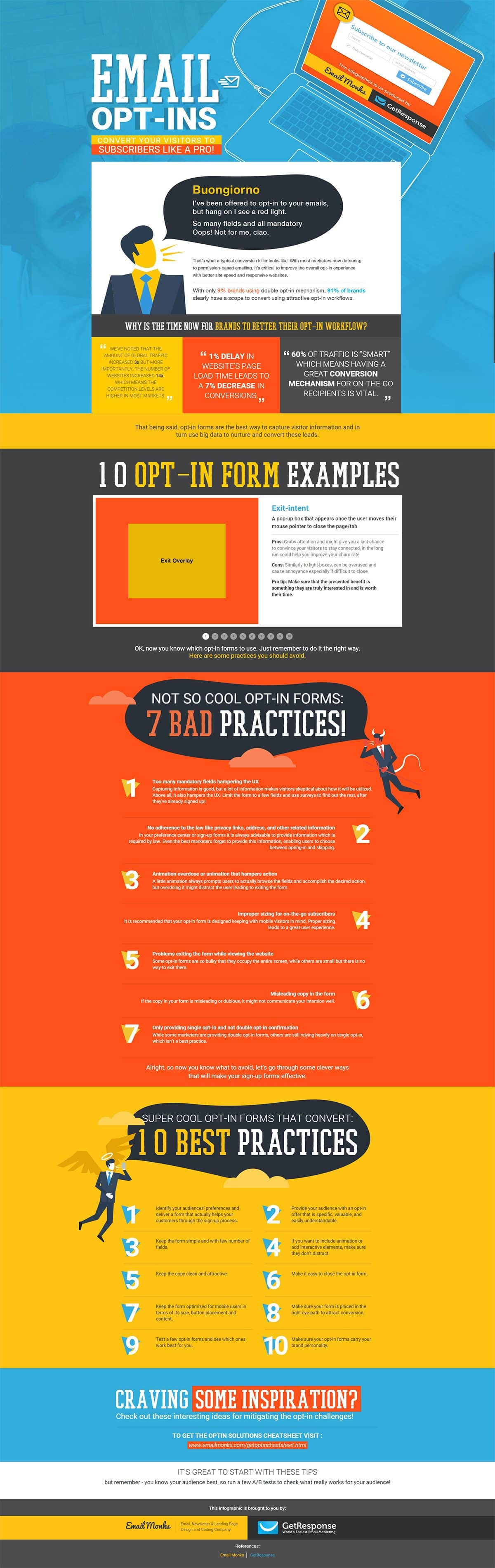
For some guidance take a look at the infographic below by EmailMonks and Get Response, you may want to click to enlarge it as some of the text is quite small.
In the ever-evolving digital landscape, email marketing remains a powerful tool for businesses to connect with their audience. However, to harness its full potential, you need a substantial email list. Building a substantial list of engaged subscribers can be a challenging task, but it’s a critical element of any successful online marketing strategy.
In this blog post, we’ll explore 17 dos and don’ts to help you get website visitors to subscribe to your email list. These strategies will not only increase the number of subscribers but also enhance the quality of your email list, resulting in better engagement and higher conversions.
Dos
- Create Valuable Content: The foundation of a successful email marketing strategy is providing value to your subscribers. Create high-quality content that addresses your audience’s pain points and interests. When visitors find your content valuable, they are more likely to subscribe to receive more.
- Clear and Compelling Call to Action (CTA): Place clear and persuasive CTAs on your website. Use action-oriented language that tells visitors what they’ll gain from subscribing. Make sure CTAs are prominently displayed on key pages like the homepage, blog posts, and landing pages.
- Offer an Irresistible Lead Magnet: A lead magnet is a valuable resource or incentive offered in exchange for an email address. It could be an ebook, checklist, webinar, or any resource relevant to your audience. Make sure your lead magnet is compelling enough to entice visitors to subscribe.
- Use Pop-Up Opt-in Forms Wisely: Pop-up forms can be effective, but use them sparingly and strategically. Timing matters; show pop-ups when visitors are most engaged or about to exit your site. Offer a clear way to dismiss the pop-up without frustration.
- Optimize for Mobile: Ensure your website and subscription forms are mobile-friendly. With the increasing use of smartphones, a mobile-responsive design is crucial to capture subscribers who visit your site from mobile devices.
- Social Proof and Trust Signals: Display trust signals like testimonials, certifications, and social proof to reassure visitors that their email addresses will be handled responsibly. People are more likely to subscribe when they trust your brand.
- A/B Test Your Subscription Forms: Test different elements of your subscription forms such as colors, copy, and CTA buttons. A/B testing helps you identify what works best to increase conversion rates continually.
- Segment Your Email List: As your list grows, segment your subscribers based on their interests, behavior, or demographics. This allows you to send targeted and relevant content, which increases engagement and reduces unsubscribes.
- Personalize Email Content: Personalization goes beyond using the subscriber’s first name in emails. Tailor content based on subscriber preferences and behavior. Send personalized recommendations, content, and offers to make subscribers feel valued.
- Showcase Benefits, Not Features: When promoting your email list, focus on the benefits subscribers will receive rather than listing features. Explain how your emails will solve their problems, provide insights, or offer exclusive deals.
- Leverage Social Media: Promote your email list on social media platforms. Share snippets of your valuable content and let your audience know they can get more by subscribing to your email list. Use relevant hashtags and engage with your followers.
Don’ts
- Don’t Buy Email Lists: Avoid the temptation to buy email lists. These lists often contain uninterested or low-quality leads. Building an organic list takes time, but it yields better results in the long run.
- Avoid Cluttered Subscription Forms: Keep your subscription forms clean and simple. Too many fields can be overwhelming and deter potential subscribers. Usually, a name and email address are sufficient.
- Don’t Use Misleading Tactics: Honesty is key. Don’t use misleading language or tactics to trick visitors into subscribing. It might get you a few sign-ups, but it will hurt your brand’s credibility in the long term.
- Don’t Overwhelm with Emails: Once subscribers opt in, don’t inundate their inboxes with too many emails. Respect their preferences and send a reasonable frequency of messages.
- Avoid Generic Content: Don’t send generic, one-size-fits-all emails. The more relevant your content is to the subscriber’s interests and needs, the more likely they are to stay subscribed.
- Don’t Neglect Your Existing Subscribers: While focusing on gaining new subscribers, don’t forget about your existing ones. Nurture and engage with them to reduce churn rates. Offer exclusive content or discounts to reward their loyalty.
- Don’t Ignore Analytics: Neglecting analytics is a big mistake. Monitor the performance of your email campaigns, track open rates, click-through rates, and conversion rates. Use this data to refine your email marketing strategy.
- Don’t Send Without Testing: Before sending emails to your entire list, always test them. Check for broken links, typos, and ensure the email displays correctly across different devices and email clients.
- Avoid Ignoring Unsubscribes: When someone unsubscribes, respect their decision. It’s better to have a smaller list of engaged subscribers than to have uninterested or annoyed recipients on your list.
- Don’t Ignore GDPR and CAN-SPAM Regulations: Make sure you comply with data protection regulations like GDPR (for European subscribers) and CAN-SPAM (for U.S. subscribers). Failure to do so can lead to legal consequences and damage your reputation.
Conclusion
Building and maintaining a robust email list is a critical part of any successful digital marketing strategy. By implementing these dos and avoiding the don’ts, you can attract more website visitors to subscribe to your email list and nurture them into loyal customers. Remember that email marketing is a long-term game, so focus on providing value and building relationships with your subscribers over time. With patience and dedication, your email list will become a valuable asset for your business.

Author:
Mark Ford