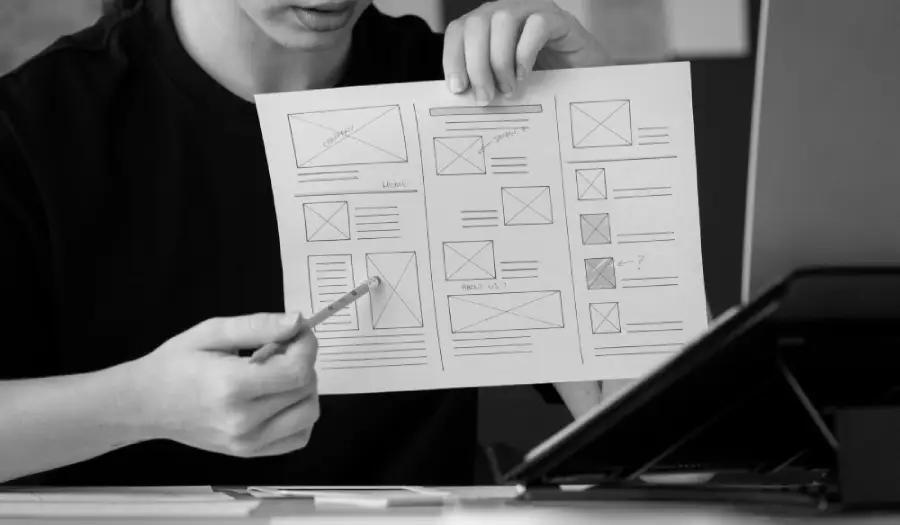
Are you looking for fresh inspiration to make your website footer stand out? Want to explore 20 creative footer design ideas that improve navigation and user experience?
You’ll find some web design basics in this infographic.
Here’s a summary of what’s covered:
- Clean Minimal Footers
- Multi-Column Footers
- Navigation-Heavy Footers
- Contact Information Footers
- Social Media Link Footers
- Newsletter Signup Footers
- Map-Based Footers
- Brand-Focused Footers
- Ecommerce Footers
- Legal Information Footers
Check out the post below for more.

Your website footer might be the last thing visitors see, but it can have a big impact on their experience. A well-designed footer helps users find what they need quickly, reinforces your brand, and can even encourage conversions.
Whether you prefer something minimal or a feature-rich design, a thoughtful footer adds polish and professionalism to your site. Here are 20 website footer design ideas to inspire your next project.
Clean Minimal Footers
Sometimes less really is more. A minimal footer keeps distractions to a minimum and makes the rest of your site feel sleek and uncluttered. This is a perfect choice for modern brands that value whitespace and want to maintain a premium aesthetic. Clean footers usually include just the essentials like copyright and one or two links.
- Focus on simple typography and plenty of whitespace.
- Include only essential links such as Home, Contact, or Privacy Policy.
- Use a single line of text or small icon set to keep it tidy.
- Make sure it blends with the overall design and doesn’t overpower the page.
Multi-Column Footers
Multi-column footers are ideal for websites with lots of pages or content categories. By grouping links into columns, you create an organised, scannable layout that helps users find what they need quickly. This is a go-to design for eCommerce and content-heavy sites.
- Group links into logical sections like Products, Support, and Company.
- Use consistent spacing and alignment for a balanced layout.
- Keep column headings clear and concise for easy navigation.
- Consider adding a subtle divider or background contrast for clarity.
Navigation-Heavy Footers
A navigation-focused footer acts as a secondary menu for your website. It’s particularly helpful for users who scroll to the bottom looking for key links or when your header menu is minimal. This design improves overall user experience and accessibility.
- Include top-level links for main pages or categories.
- Arrange items horizontally or vertically for readability.
- Match your header menu style for visual consistency.
- Ensure links are mobile-friendly and easy to tap.
Contact Information Footers
If your business relies on direct contact, a footer that highlights your contact details is essential. Including your address, phone number, and email makes it easy for users to reach you without hunting through the site. This design builds trust and credibility.
- Display phone, email, and physical address prominently.
- Include clickable links for instant calls or email launches.
- Use icons to make contact details visually scannable.
- Add office hours if relevant to manage expectations.
Social Media Link Footers
A footer is a perfect place to add social media links without cluttering the main layout. This allows visitors to connect with your brand beyond the website. When done well, it can subtly encourage ongoing engagement without being intrusive.
- Use recognisable social media icons with consistent styling.
- Open links in new tabs to keep visitors on your site.
- Choose icon placement that feels balanced within the footer.
- Keep the icon set small and simple for a clean look.
Newsletter Signup Footers
If growing your email list is a priority, adding a newsletter signup form to the footer is a smart move. Visitors can subscribe from any page without disrupting their browsing experience. This design can increase conversions without being pushy.
- Keep the signup form short—just ask for name and email.
- Include a clear call-to-action like “Subscribe for Updates.”
- Reassure users their data will be kept private.
- Style the form so it stands out but doesn’t dominate the footer.
Map-Based Footers
A map in your footer is perfect for local businesses that want to make their location obvious. It helps users quickly find where you are and can encourage visits to your physical store or office. This is a functional and visually interesting design choice.
- Use a simple embedded map rather than a full interactive one.
- Include your full address next to or below the map.
- Make sure the map is responsive on mobile devices.
- Use a subtle background colour to keep focus on the map area.
Brand-Focused Footers
A footer can be more than just functional—it can reinforce your brand identity. Featuring your logo, brand tagline, or a short about section can remind users who you are and what you stand for. This is especially effective for smaller businesses.
- Include your logo in a high-resolution, well-scaled format.
- Add a short mission statement or value proposition.
- Use your brand colours to create visual continuity.
- Keep text brief so it complements, not overwhelms, the footer.
Ecommerce Footers
For online stores, a well-structured footer can boost sales and reduce friction. It should provide easy access to account pages, shipping info, and support resources. A good ecommerce footer acts as a safety net for users who need quick help.
- Include links to account login, order tracking, and returns.
- Add trust badges or secure payment logos to build confidence.
- Feature links to popular categories or sales.
- Make customer service contact options highly visible.
Legal Information Footers
Every site needs legal links somewhere, and the footer is the natural home for them. Privacy Policy, Terms & Conditions, and Cookie Notice links are essential for compliance. This approach keeps your site professional and trustworthy.
- Include mandatory legal links in a consistent location.
- Use small, unobtrusive text but keep it readable.
- Ensure links open in a new tab so users don’t lose their place.
- Keep legal copy up-to-date with current regulations.
Blog-Focused Footers
Content-heavy sites can use the footer to drive readers to more articles. Featuring categories, recent posts, or popular tags helps extend session times and reduce bounce rates. This type of footer is perfect for publishers and blogs.
- Add links to top categories or featured posts.
- Include a short “About the Blog” blurb for context.
- Use a clean layout to avoid overwhelming readers.
- Include a search bar to help users find specific content.
Multi-Language Footers
If your site serves a global audience, language selection in the footer is a must. This ensures users can switch to their preferred language without frustration. It also shows inclusivity and attention to user experience.
- Add a dropdown or simple text links for language options.
- Clearly label the current language in use.
- Place the selector in a predictable spot for easy access.
- Ensure translations are consistent and professional.
App Download Footers
If your business has a mobile app, your footer is a great place to promote it. Featuring download buttons for iOS and Android encourages users to engage with your brand beyond the web. This is especially effective for service or retail businesses.
- Use official App Store and Google Play badges.
- Include a short line of copy explaining why to download.
- Keep buttons large enough for easy tapping.
- Ensure links open directly to the correct app page.
Call-to-Action Footers
A footer can be the perfect place for one last call-to-action. Whether you want visitors to contact you, request a quote, or sign up, a strong CTA at the bottom of the page can capture attention just before users leave.
- Write a clear, action-oriented headline.
- Use a button that stands out visually.
- Offer something valuable, like a free consultation or demo.
- Keep the copy short and persuasive.
Image or Icon-Based Footers
For brands with a strong visual identity, image-heavy footers can be very engaging. Icons, patterns, or brand illustrations can make your site memorable and unique. This style works well for creative industries like design studios or agencies.
- Use high-quality, optimised images for fast loading.
- Keep visuals subtle so they don’t compete with content.
- Incorporate your brand colours and style.
- Ensure images look good on both light and dark backgrounds.
Feature Highlight Footers
Your footer can also showcase what makes your business great. Featuring a few key selling points, awards, or customer guarantees builds trust and helps users feel confident taking the next step.
- Highlight your top three or four unique benefits.
- Use icons or badges to make features more visual.
- Keep text brief and easy to scan.
- Link to relevant pages for more detailed information.
FAQ Footers
Adding frequently asked questions to your footer can save visitors time and reduce support tickets. This is particularly useful for businesses where users often have quick, common questions.
- Include the top three to five most common questions.
- Keep answers concise but informative.
- Link to a full FAQ page for more detail.
- Use an accordion layout if space is limited.
Portfolio or Gallery Footers
Creative businesses can use footers to show off their work. Featuring a small gallery or rotating images is a subtle but powerful way to inspire potential clients and showcase quality.
- Display a handful of your best projects or images.
- Make thumbnails clickable to view larger versions.
- Use a simple slider or grid layout for a clean look.
- Keep the gallery updated with your most recent work.
Testimonial Footers
Social proof is powerful, and your footer is a great place to display it. Featuring a short testimonial or review at the bottom of every page can build trust and credibility.
- Choose one or two of your strongest testimonials.
- Keep quotes short for maximum impact.
- Include names or photos where possible to boost authenticity.
- Rotate testimonials to keep content fresh.
Interactive Footers
Finally, for brands wanting something more unique, an interactive footer can be a memorable touch. This might include animations, collapsible sections, or hover effects that make the footer feel dynamic and engaging.
- Use subtle interactions to avoid distracting from content.
- Ensure animations are smooth and not overwhelming.
- Test interactive elements on mobile devices.
- Keep performance in mind to avoid slowing down the page.
Conclusion
Your footer is more than just a place to put legal text or a copyright notice—it’s a powerful design element that can guide users, build trust, and encourage action. Whether you go for minimal elegance, a navigation hub, or a feature-packed design, the key is to make it useful and on-brand.
Experiment with these 20 footer ideas, and you’ll find a style that not only looks great but also enhances the user experience on your website.

Author:
Mark Ford