
In today’s digital age, having a strong presence on social media is essential for small businesses.
Social media platforms offer a cost-effective way to reach a wider audience, engage with customers, and promote your products or services.
Whether you’re just starting your small business or looking to revamp your online presence, here are five essential steps to get you started on social media.
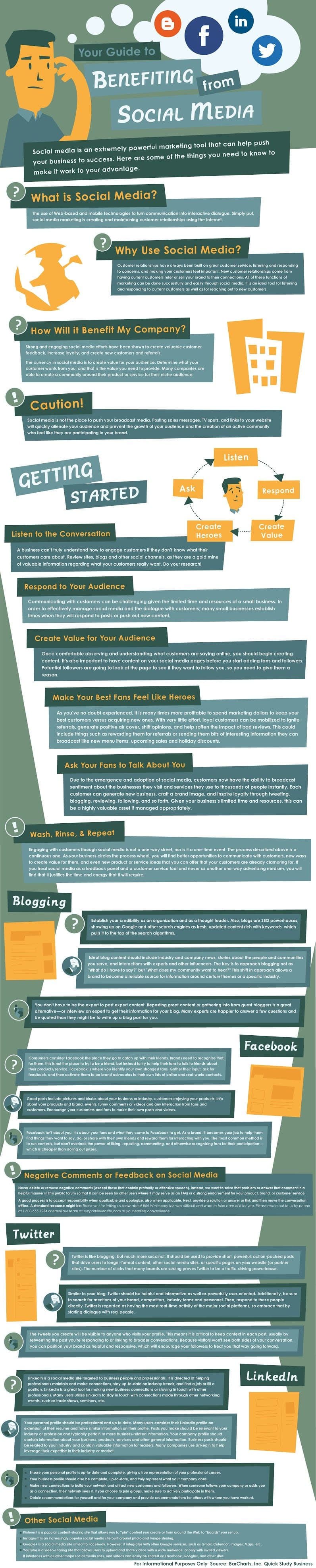
1. Define Your Goals and Audience
Before you dive into the world of social media, it’s crucial to define your goals and identify your target audience. What do you want to achieve through social media marketing? Are you looking to increase brand awareness, drive website traffic, generate leads, or boost sales?
Understanding your goals will help you tailor your social media strategy to meet specific objectives. Next, you need to define your target audience. Who are your ideal customers? What are their demographics, interests, and behaviors? Creating buyer personas can be a helpful exercise in this regard.
For example, if you’re running a local bakery, your target audience might include individuals in your community who enjoy baked goods and have a preference for homemade treats. Once you have a clear understanding of your goals and audience, you can move on to selecting the right social media platforms.
2. Choose the Right Social Media Platforms
Not all social media platforms are created equal, and not every platform will be suitable for your business. It’s essential to choose the platforms that align with your goals and where your target audience spends their time. Here’s a brief overview of some popular social media platforms and their uses:
- Facebook: Ideal for building a community, sharing updates, and running targeted ads.
- Instagram: Great for visual content, such as photos and videos, and appealing to a younger demographic.
- Twitter: Suitable for real-time updates, engaging with customers, and sharing bite-sized information.
- LinkedIn: Perfect for B2B businesses, networking, and sharing industry-related content.
- Pinterest: Useful for businesses with visually appealing products or services, such as fashion, home decor, or recipes.
Remember that it’s better to excel on one or two platforms rather than spreading yourself too thin across all of them. Focus your efforts on the platforms that are most likely to yield results for your specific business.
3. Create Compelling and Consistent Content
Once you’ve selected the right social media platforms, it’s time to start creating content. Consistency is key in social media marketing. Your audience should know what to expect from your brand. Develop a content calendar to plan and schedule your posts in advance. This ensures that you maintain a regular presence and have a steady flow of content.
Here are some content ideas to get you started:
- Product or Service Showcase: Share high-quality images and descriptions of your products or services. Highlight their unique features and benefits.
- Behind-the-Scenes Content: Give your audience a glimpse into the daily operations of your business. Share photos and stories about your team, workspace, or production process.
- Customer Testimonials and Reviews: Showcase positive feedback from satisfied customers. Testimonials build trust and credibility.
- Educational Content: Share informative posts, tutorials, or how-to guides related to your industry. Position your business as an expert in your field.
- User-Generated Content: Encourage customers to create content related to your products or services and share it on their profiles. Repost and give credit to them.
- Promotions and Special Offers: Announce discounts, promotions, or exclusive deals to incentivize followers to make a purchase.
- Engagement Posts: Post questions, polls, or challenges to encourage interaction and engagement with your audience.
Remember to use high-quality visuals, such as images and videos, as they tend to perform better on social media. Use relevant hashtags to increase the discoverability of your posts, but don’t overdo it. Each platform has its own best practices, so research and tailor your content accordingly.
4. Engage with Your Audience
Social media is a two-way street. It’s not just about broadcasting your message; it’s also about engaging with your audience. Respond promptly to comments, messages, and mentions. Show appreciation for positive feedback and address any concerns or questions.
Engagement goes beyond just responding to direct interactions. It also involves actively participating in discussions related to your industry or niche. Join relevant groups or communities, share your expertise, and connect with influencers and potential partners.
Hosting contests or giveaways can also be an effective way to boost engagement and grow your follower base. Just make sure that the rules and guidelines comply with the platform’s policies.
5. Analyze and Adjust Your Strategy
The final step in getting your small business started on social media is continuous improvement. Regularly analyze the performance of your social media efforts to see what’s working and what’s not. Most social media platforms offer built-in analytics tools that provide valuable insights into your audience’s behavior and your content’s performance.
Key metrics to monitor include:
- Follower Growth: Are you gaining new followers consistently?
- Engagement Rate: How often are people interacting with your content through likes, comments, and shares?
- Click-Through Rate (CTR): Are your posts driving traffic to your website or landing pages?
- Conversion Rate: How many social media leads are converting into customers?
- Reach and Impressions: How many people are seeing your content?
Use these insights to adjust your strategy as needed. If certain types of content are performing well, create more of it. If a particular platform is not delivering results, consider reallocating your resources or trying a different approach.
In conclusion, getting your small business started on social media requires careful planning, consistent effort, and a willingness to adapt. Define your goals and audience, choose the right platforms, create compelling content, engage with your audience, and analyze your results. With dedication and persistence, your small business can harness the power of social media to grow and succeed in the digital age.

Author:
Mark Ford