How good is your SEO? Can you be found on Google for your target keywords?
If not it may be time out find out why. It could be a lack of optimisation, a penalty from previous black hat SEO tactics, or the platform your site is designed on could just be rubbish and completely Google unfriendly.
To find out if it’s the latter take a look at the website stress test infographic below.
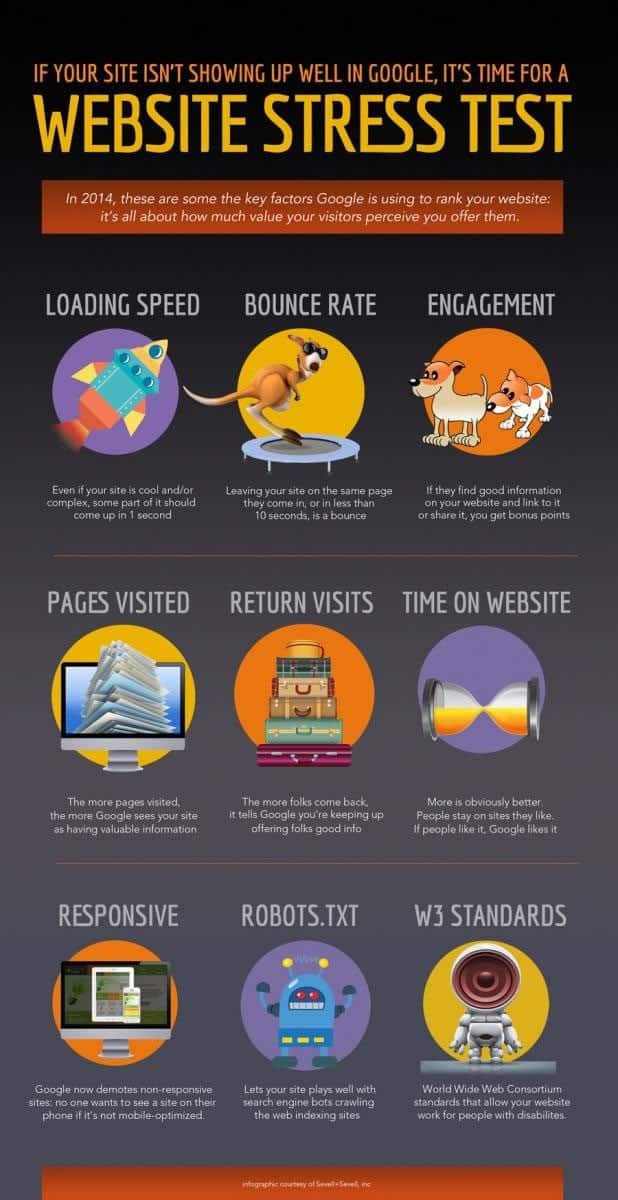
In the digital age, where online presence is everything, showing up on Google’s search results is the holy grail for businesses and website owners. It’s no secret that Google is the go-to search engine for most people, with over 90% of global search engine market share. If your website isn’t ranking well on Google, your online visibility is at stake. So, if you’ve been wondering why your SEO efforts aren’t bearing fruit, keep reading. In this comprehensive guide, we’ll delve into nine common reasons why your SEO might suck and what you can do to fix it.
1. Neglecting Proper Keyword Research
Keywords are the foundation of SEO. Neglecting to perform thorough keyword research can be a fatal mistake. If you’re targeting the wrong keywords or using outdated ones, it’s no wonder your SEO efforts aren’t working.
Solution: Invest time in researching relevant keywords using tools like Google’s Keyword Planner, Ahrefs, or SEMrush. Choose keywords with high search volumes and low competition. Also, don’t forget to incorporate long-tail keywords that cater to specific user intent.
2. Poor On-Page Optimization
On-page SEO involves optimizing individual web pages to rank higher and earn more relevant traffic. It includes elements like title tags, meta descriptions, headers, and content optimization. Neglecting these aspects can hinder your SEO efforts significantly.
Solution: Audit your website for on-page SEO issues. Make sure your title tags and meta descriptions are concise and contain relevant keywords. Use header tags (H1, H2, H3) to structure your content and optimize your images with descriptive alt tags.
3. Neglecting Mobile Optimization
With the majority of internet traffic coming from mobile devices, Google gives preference to mobile-friendly websites. If your site isn’t optimized for mobile users, it’s a big red flag for search engines.
Solution: Ensure your website is responsive and provides a seamless user experience on both desktop and mobile devices. Test your site’s mobile-friendliness using Google’s Mobile-Friendly Test tool.
4. Slow Page Loading Speed
Slow-loading pages can frustrate users and lead to a higher bounce rate, which can negatively impact your search engine rankings. Google values websites that offer a speedy experience.
Solution: Use tools like Google PageSpeed Insights to identify and fix issues that slow down your site. Compress images, leverage browser caching, and consider using Content Delivery Networks (CDNs) to improve loading times.
5. Thin or Duplicate Content
Content is king in the world of SEO. If your website features thin, low-quality, or duplicate content, search engines are likely to penalize you.
Solution: Invest in creating high-quality, original, and informative content that adds value to your audience. Remove duplicate content and regularly update your website with fresh, relevant material.
6. Ignoring User Experience (UX)
User experience is not only crucial for retaining visitors but also for SEO. If users have a poor experience on your site, they’re more likely to bounce, which can harm your rankings.
Solution: Prioritize user experience by improving site navigation, enhancing readability, and making sure your website is easy to navigate. Use clear calls to action (CTAs) to guide users through your site.
7. Skipping the Importance of Backlinks
Backlinks, or links from other websites to yours, are a critical ranking factor for Google. If your website lacks high-quality backlinks, it’s challenging to establish authority and credibility.
Solution: Develop a backlink strategy by creating shareable content and reaching out to reputable websites in your niche for guest posting opportunities. Monitor your backlink profile using tools like Ahrefs or Moz to identify and disavow toxic backlinks.
8. Neglecting Local SEO
If your business serves a local audience, ignoring local SEO can be detrimental. Local search optimization helps you show up in Google’s “Local Pack” and map results.
Solution: Optimize your Google My Business listing, solicit customer reviews, and ensure that your business information (name, address, phone number) is consistent across all online directories. Local keywords and location-specific content should also be part of your strategy.
9. Failing to Monitor and Adapt
SEO is an ongoing process that evolves with search engine algorithms and user behavior. If you set and forget your SEO strategy, you’ll likely fall behind.
Solution: Regularly monitor your website’s performance using tools like Google Analytics and Google Search Console. Stay updated with the latest SEO trends and algorithm changes. Be prepared to adapt and tweak your strategy accordingly.
In conclusion, if your SEO sucks and you’re not showing up on Google, it’s essential to identify the root causes and take corrective actions. Start with comprehensive keyword research, ensure on-page optimization, and prioritize mobile-friendliness and site speed. Invest in high-quality, original content, focus on user experience, and build a strong backlink profile. Don’t forget about local SEO if you serve a specific geographic area. Lastly, stay vigilant and adapt to the ever-changing landscape of search engine optimization.
Remember, SEO is a long-term game, and results may not be immediate. But with consistent effort and a commitment to best practices, you can improve your website’s visibility on Google and reap the benefits of increased organic traffic and online success. So, go ahead and audit your SEO strategy today—your online presence and business growth depend on it.

Author:
Mark Ford