If you’re a small business owner, startup founder or local tradesperson trying to make sense of online advertising, you’ve probably heard the term “Google Ads” thrown around more times than you can count. But what is it, really? And how does it actually work to bring paying customers to your website?
This blog post is your no-fluff guide to understanding how Google Ads operates, how the pay-per-click (PPC) model works, and how you can use it to grow your business. Whether you’re running a local plumbing service or an online shop, getting your head around Google Ads could be the key to unlocking serious leads and sales.
What Is Google Ads and How Does It Work?
Google Ads is Google’s paid advertising platform that allows your business to appear at the top of Google’s search results, on YouTube, in Gmail, and across millions of partner websites. You choose where and how your ads appear, targeting specific searches, audiences, and locations with precision.
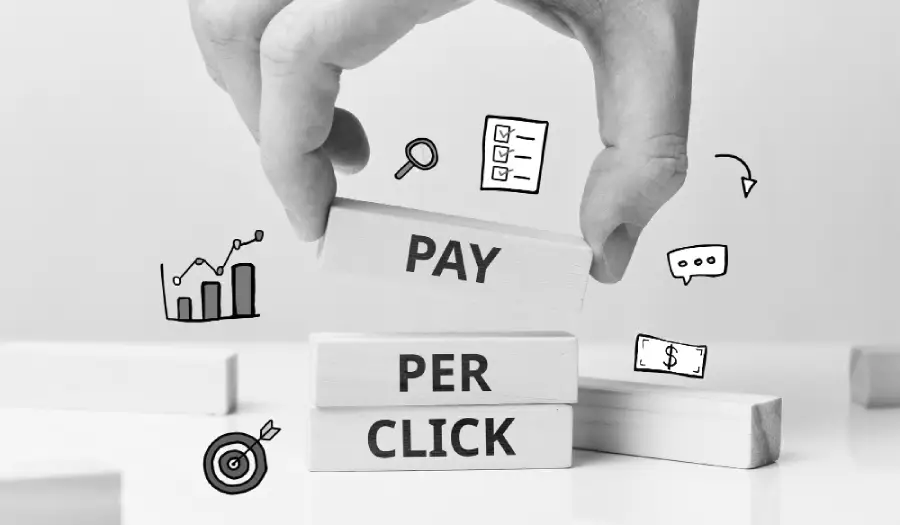
The platform operates on a pay-per-click basis, meaning you only get charged when someone actually clicks on your ad. You set your budget, choose your keywords, and Google’s auction system determines when and where your ad is shown. It’s fast, scalable, and measurable.
- You Only Pay for Results: Google Ads runs on a cost-per-click model, so your budget only gets used when someone takes action.
- Keyword Targeting: You select keywords relevant to your product or service so your ads appear to people actively searching for what you offer.
- Automated Auctions: Google runs a real-time auction every time a user performs a search, deciding which ads to show and in what order.
- Customisable Budgets: You can set daily or monthly limits and pause or adjust your campaign at any time.
The Google Ads Auction: How It Decides Who Wins
When a user performs a search, Google runs a lightning-fast auction behind the scenes. Your ad competes with others based on the keywords you’ve selected, your bid amount, and the quality of your ad and landing page. The higher your score, the better your ad’s position.
This isn’t just about who pays the most. Google uses a metric called Ad Rank, which combines your bid with your Quality Score—a measure of how relevant and useful your ad is to the user. That means better ads can beat bigger budgets.
- Ad Rank Formula: Google multiplies your bid with your Quality Score to calculate your Ad Rank, which decides ad position.
- Quality Score Matters: A high score (based on ad relevance, landing page experience, and click-through rate) can lower your cost per click.
- It’s Not Just About Budget: Even small businesses can outrank big competitors by crafting well-targeted, relevant ads.
- Every Search Triggers an Auction: Your ad’s visibility depends on the specific search, the competition, and how well your ad matches the intent.
Understanding Keywords and Match Types
Keywords are the backbone of any Google Ads campaign. They tell Google when to show your ad based on what people are typing into the search bar. But not all keyword types behave the same way—Google offers different match types to help you control who sees your ads.
Broad match keywords cast the widest net, showing your ad for related searches. Phrase match narrows it down to exact phrases, and exact match gives you the tightest control. Choosing the right mix helps balance reach with relevance—and manage your budget effectively.
- Broad Match: Shows your ad for related terms, synonyms, and variations—great for reach but can be less targeted.
- Phrase Match: Your ad shows only when the search includes your phrase in order—ideal for moderate targeting.
- Exact Match: The most specific, this only triggers your ad when the search is nearly identical to your keyword.
- Negative Keywords: Use these to exclude irrelevant searches, reduce wasted clicks, and keep your traffic focused.
How the Bidding System Works
You don’t have to outspend everyone to succeed with Google Ads—but you do need to understand how bidding works. You set a maximum bid for what you’re willing to pay per click. Then Google considers that bid along with other factors to determine ad placement.
You can choose automated bidding strategies, where Google adjusts your bids to meet certain goals, or manual bidding for more control. The key is to focus on value—what’s a click worth to your business, and how do you get the most out of each one?
- Manual vs Automated: Manual bidding gives you full control; automated bidding uses Google’s machine learning to optimise for results.
- Cost-Per-Click (CPC): You choose how much you’re willing to pay for each click, but you’ll often pay less than your max bid.
- Bidding Strategies: Choose strategies based on your goals—e.g. maximise clicks, conversions, or impression share.
- Value-Based Thinking: Focus on how much a lead or sale is worth, not just how much each click costs.
What Is Quality Score and Why Does It Matter?
Quality Score is Google’s way of measuring how relevant and useful your ad is. It’s a score out of 10 that considers your ad’s click-through rate, landing page experience, and the relevance of your keywords and copy. Higher scores can reduce your costs and improve your ad’s position.
Think of it as Google rewarding advertisers who provide a better user experience. If your ads are useful, your website is relevant, and people are clicking through, Google is more likely to give you prime ad space—at a discount.
- Higher Score = Lower Costs: A good Quality Score can reduce your CPC and increase your ad visibility without raising your bid.
- CTR is Key: If people regularly click your ads, it tells Google your ad is useful—boosting your score.
- Landing Page Matters: Your site needs to match the promise of your ad and offer a good experience on both mobile and desktop.
- Keyword Relevance: Make sure your keywords are tightly matched to your ad copy and landing page content.
Tracking and Measuring Your Results
Google Ads isn’t guesswork—it’s data-driven. You can track exactly how many people clicked your ads, what they did on your site, and whether they converted. This gives you the power to refine your strategy, stop wasting money, and double down on what works.
By linking your Ads account to Google Analytics, you can see how your paid traffic performs compared to other channels. Conversion tracking also allows you to measure return on investment—so you’re not flying blind with your marketing budget.
- Click Data: Know exactly how many people saw and clicked your ads, including which keywords and ads performed best.
- Conversion Tracking: Set up goals (like purchases, phone calls, or form submissions) to measure what your clicks are worth.
- Google Analytics Integration: See how your ad traffic compares to organic or social traffic, and dig deeper into user behaviour.
- A/B Testing: Run split tests on different ads or landing pages to continually improve results and lower your cost per acquisition.
Common Google Ads Mistakes (and How to Avoid Them)
It’s easy to waste money on Google Ads if you don’t know what you’re doing. Many businesses fall into common traps—like bidding on the wrong keywords, ignoring mobile users, or sending traffic to poor landing pages. These mistakes hurt your ROI.
The good news? Most are fixable. By focusing on relevance, testing regularly, and understanding your customer’s intent, you can turn a leaky campaign into a lead-generating machine. Google Ads works—but only if you do it right.
- Poor Keyword Selection: Don’t just guess. Use tools like Keyword Planner to find terms your ideal customers are actually searching.
- Weak Landing Pages: Your landing page should match the ad, load quickly, and guide the visitor to take action.
- No Negative Keywords: Failing to exclude irrelevant searches means wasting money on clicks that will never convert.
- Set-and-Forget Mindset: Google Ads needs regular attention—test, tweak, and optimise to keep performance strong.
Why Google Ads Is Worth It for Small Businesses
If you’ve been relying solely on word of mouth or organic SEO, Google Ads can give your visibility a powerful boost. It puts you in front of people who are actively searching for your products or services—at the exact moment they’re ready to buy.
Best of all, it’s scalable. Whether you’ve got a budget of £5 a day or £500, Google Ads can be tailored to fit your goals, reach, and industry. For local trades, ecommerce brands, and ambitious startups, it’s a shortcut to serious exposure and measurable growth.
- Immediate Visibility: Unlike SEO, which takes time, Google Ads can get you seen at the top of search results today.
- Highly Targeted: Reach customers by location, device, time of day, demographics, and even their past behaviour.
- Flexible Budgets: Start small and scale up—pause, adjust, or refine your campaigns at any time.
- Clear ROI Tracking: Know what’s working and what’s not with real-time analytics and performance data.
Conclusion: Ready to Get Started with Google Ads?
Google Ads isn’t a magic bullet—but it is one of the most powerful tools in your digital marketing toolkit. When set up correctly, it brings targeted traffic to your site, generates leads on autopilot, and helps grow your business predictably and profitably.
If you’re ready to get more visibility, more leads, and more sales, we can help. At Red Website Design, we build and manage Google Ads campaigns that deliver real results—no fluff, no jargon. Get in touch today and let’s make your ad budget work harder.

Author:
Mark Ford