
Are you looking for ways to improve your reputation with Google? Want to improve your SEO and generate more targeted website traffic?
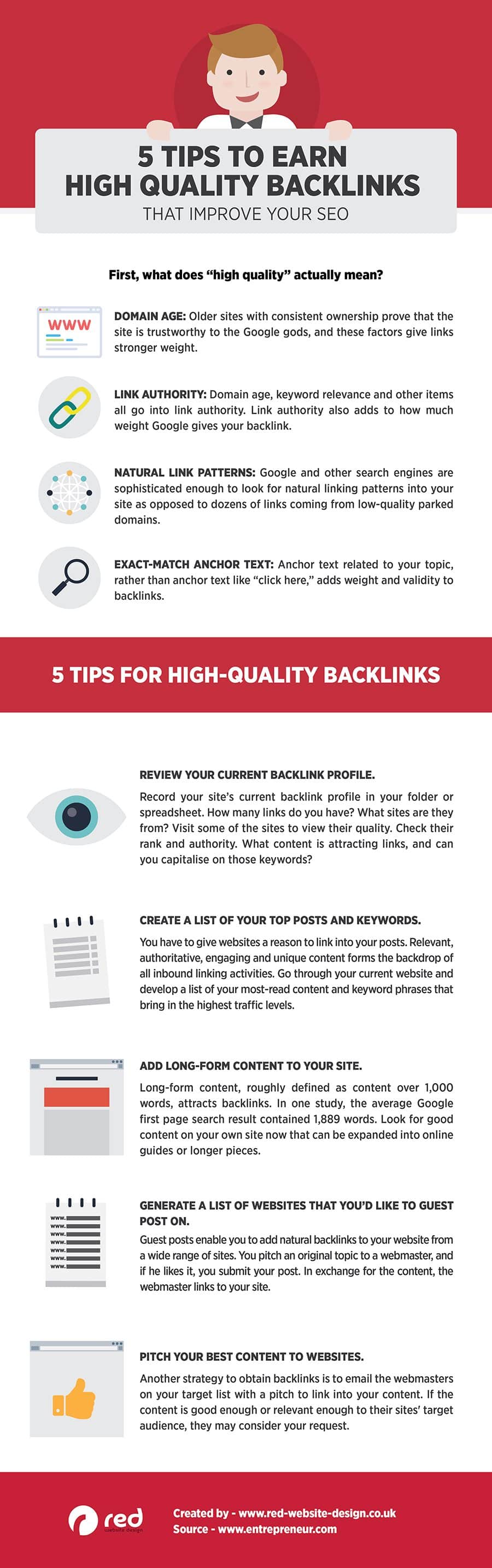
We share our guide to improving your online reputation in this infographic.
Whilst SEO and the success of your website is a combination of hundreds of factors, there is one ranking factor that reigns supreme – backlinks.
These are links from other websites to your own.
Generally speaking, the more you have from relevant and reputable sources, the better your reputation with Google.
And that’s what this infographic concentrates on.
Here’s a quick summary of what you’ll learn:
- Review your current backlink profile.
- Create a list of your top posts and keywords.
- Add long-form content to your site.
- Generate a list of websites that you’d like to link into your site to start a guest posting effort.
- Pitch your best content to websites.
Check out the infographic for more detail.
Search Engine Optimization (SEO) is the process of enhancing a website to improve its visibility on search engine results pages (SERPs).
A well-optimized site attracts more traffic, increases brand awareness, and ultimately boosts revenue. For beginners, SEO can seem overwhelming, but by focusing on a few key areas, you can significantly improve your website’s reputation with Google.
This guide will walk you through five essential steps to get started.
Review Your Current Backlink Profile
For small businesses, understanding and optimizing your backlink profile is a crucial aspect of SEO that can significantly impact your website’s search engine rankings. A well-maintained backlink profile not only helps in improving your site’s visibility but also enhances its credibility and authority in your industry.
Here’s a detailed guide to help small businesses review and optimize their backlink profile effectively.
Understanding the Importance of Backlinks
Backlinks are akin to votes of confidence from other websites. When a reputable site links to your content, it signals to search engines like Google that your website is a credible and valuable resource.
However, not all backlinks carry the same weight. The quality, relevance, and context of the linking site are vital factors that influence how beneficial a backlink is for your SEO.
Steps to Review Your Backlink Profile
Utilize SEO Tools
To start, leverage reliable SEO tools that provide comprehensive insights into your backlink profile. Some popular options include:
- Ahrefs: Offers detailed reports on your backlinks, including referring domains, link quality, anchor text, and more.
- Moz Link Explorer: Provides metrics such as Domain Authority (DA), Page Authority (PA), and spam score to evaluate your backlinks.
- SEMrush: Features a robust backlink audit tool that identifies toxic links and provides recommendations for improvement.
Conduct a Comprehensive Backlink Audit
A thorough audit of your backlink profile involves several key steps:
- Identify All Backlinks: Use your chosen SEO tool to generate a list of all backlinks pointing to your website. Export this data to a spreadsheet for easy analysis.
- Analyze Referring Domains: Evaluate the domains linking to your site. Look for high DA sites as these provide more SEO value. Ensure the referring domains are relevant to your industry.
- Assess Link Quality: Not all links are beneficial. Look for indicators of quality such as the relevance of the content linking to you, the context in which the link appears, and whether it is a do-follow or no-follow link.
Spotting Low-Quality and Toxic Backlinks
Low-quality or toxic backlinks can harm your SEO efforts. These typically come from:
- Spammy or Irrelevant Sites: Websites that are not related to your industry or have a poor reputation.
- Link Farms: Sites created solely for the purpose of linking out to other websites.
- Excessive Anchor Text: Links with anchor text that appears spammy or overly optimized.
- Low DA Sites: Sites with low domain authority can have little to no positive impact and may even harm your site.
Steps to Handle Low-Quality Backlinks
Reach Out for Removal
If you identify low-quality or toxic backlinks, the first step is to contact the webmaster of the linking site and request removal. Be polite and clear in your communication, explaining why you need the link removed.
Use the Disavow Tool
If reaching out doesn’t work, you can use Google’s Disavow Tool to inform Google that you do not want certain links to be considered in your site’s ranking. Here’s how:
- Compile a List: Create a text file listing all the URLs and domains you want to disavow.
- Upload the File: Go to the Google Disavow Tool, select your website, and upload the text file.
Tips for Building a Healthy Backlink Profile
Focus on Quality Over Quantity
Having a few high-quality backlinks is more beneficial than having many low-quality ones. Prioritize links from authoritative, relevant sites.
Create Valuable Content
Content is king in SEO. By consistently producing high-quality, valuable content, you increase the likelihood of earning natural backlinks. Focus on creating content that:
- Answers Questions: Provide in-depth answers to common questions in your industry.
- Offers Unique Insights: Share original research, case studies, or unique perspectives.
- Is Shareable: Infographics, videos, and comprehensive guides are often shared widely, increasing your chances of earning backlinks.
Build Relationships
Networking and building relationships with other websites in your industry can open doors for backlink opportunities. Engage in:
- Guest Blogging: Write high-quality guest posts for reputable sites in your niche.
- Collaborations: Partner with other businesses or influencers for co-branded content.
- Social Media Engagement: Share your content on social media platforms to increase its visibility and attract backlinks.
Monitor Your Backlink Profile Regularly
Regular monitoring allows you to quickly identify and address any issues with your backlinks. Set up alerts with your SEO tools to notify you of new backlinks, and periodically review your backlink profile for any low-quality links that may have appeared.
Common Mistakes to Avoid
- Buying Backlinks: Purchasing backlinks is against Google’s guidelines and can result in severe penalties. Focus on earning links naturally through high-quality content and ethical link-building practices.
- Ignoring No-Follow Links: While no-follow links don’t pass SEO value directly, they can still drive traffic to your site and increase brand exposure. Don’t discount them entirely.
- Over-Optimizing Anchor Text: Using keyword-rich anchor text excessively can appear spammy and lead to penalties. Aim for a natural mix of branded, generic, and keyword-rich anchor text.
Tools and Resources
- Ahrefs: Ahrefs offers a comprehensive backlink analysis tool that helps you understand your backlink profile, identify toxic links, and find opportunities for new backlinks.
- Moz Link Explorer: Moz’s tool provides valuable metrics like DA and PA, helping you assess the quality of your backlinks. It also offers insights into potential link-building opportunities.
- SEMrush: SEMrush features a robust backlink audit tool that identifies toxic backlinks and offers recommendations for improving your backlink profile.
Reviewing and optimizing your backlink profile is a critical step in improving your website’s reputation with Google. By focusing on quality backlinks, removing harmful ones, and consistently monitoring your profile, you can enhance your SEO efforts and achieve better search engine rankings.
For small businesses, this proactive approach to managing backlinks can lead to increased visibility, more traffic, and ultimately, greater success online. Remember, SEO is an ongoing process, so make regular backlink profile reviews a part of your routine to maintain and grow your online presence effectively.
Create a List of Your Top Posts and Keywords
Creating a list of your top posts and keywords is a fundamental step in enhancing your website’s SEO. For small businesses, this process helps in identifying the content that resonates most with your audience and understanding the keywords that drive traffic to your site.
Here’s a detailed guide on how to effectively create and utilize this list to boost your SEO efforts.
Importance of Identifying Top Posts and Keywords
Identifying your top-performing posts and the keywords they rank for provides several benefits:
- Understanding Audience Preferences: Learn what content your audience finds most valuable.
- Focusing Efforts: Allocate resources to areas with proven success.
- Improving Content Strategy: Identify gaps and opportunities for new content.
- Optimizing for SEO: Enhance your existing content and create new content around high-performing keywords.
Steps to Identify Top Posts and Keywords
Analyze Traffic Data
The first step is to analyze the traffic data of your website to determine which posts are performing best.
Using Google Analytics:
- Access Google Analytics: Log in to your Google Analytics account.
- Navigate to Behavior: Go to Behavior > Site Content > All Pages.
- Identify Top Pages: Look at metrics such as Pageviews, Unique Pageviews, Average Time on Page, and Bounce Rate to identify your top-performing pages.
Key Metrics to Consider:
- Pageviews: Indicates the total number of views a page has received.
- Unique Pageviews: Shows the number of sessions during which the page was viewed at least once.
- Average Time on Page: Helps determine how engaging the content is.
- Bounce Rate: A lower bounce rate indicates that visitors are finding the content relevant and engaging.
Identify Top Keywords
Once you have identified your top-performing posts, the next step is to determine which keywords are driving traffic to these posts.
Using Google Search Console:
- Access Search Console: Log in to your Google Search Console account.
- Navigate to Performance: Go to the Performance report.
- Filter by Page: Click on “Pages” and select a top-performing page.
- View Queries: Switch to the “Queries” tab to see the keywords that are driving traffic to that page.
Key Metrics to Consider:
- Impressions: The number of times your page appeared in search results.
- Clicks: The number of times users clicked on your page from search results.
- Average Position: The average ranking position of your page for a particular keyword.
- Click-Through Rate (CTR): The ratio of clicks to impressions.
Compiling Your List
After identifying your top posts and keywords, compile this information into a structured list. This list will serve as a valuable resource for planning your content and SEO strategies.
Create a Spreadsheet
Use a spreadsheet to organize your data. Include the following columns:
- Page URL: The URL of the top-performing post.
- Page Title: The title of the post.
- Pageviews: Total pageviews.
- Average Time on Page: Time users spend on the page.
- Bounce Rate: Bounce rate of the page.
- Top Keywords: List of top keywords driving traffic to the page.
- Impressions: Number of impressions for each keyword.
- Clicks: Number of clicks for each keyword.
- Average Position: Average ranking position for each keyword.
- CTR: Click-through rate for each keyword.
Analyze and Interpret the Data
With your list compiled, analyze the data to gain insights into your content’s performance and keyword effectiveness.
Look for Patterns:
- Content Types: Identify which types of content (e.g., blog posts, guides, product pages) perform best.
- Topics: Determine which topics are most popular among your audience.
- Keyword Trends: Identify trends in the keywords that drive traffic to your site.
Identify Opportunities:
- Content Gaps: Look for topics that are related to your top-performing posts but have not yet been covered in detail.
- Keyword Variations: Find variations of your top keywords that you can target in new content.
- Optimization Needs: Identify high-impression but low-click keywords where improved content or meta descriptions could boost CTR.
Tips for Small Businesses
Focus on Evergreen Content
Evergreen content, which remains relevant and valuable over time, tends to perform better in search rankings. Identify your evergreen posts and consider ways to update and enhance them to maintain their performance.
Optimize Existing Content
Use the insights from your top posts and keywords to optimize your existing content:
- Update Information: Ensure that the content is current and accurate.
- Enhance Keywords: Incorporate additional relevant keywords naturally into the content.
- Improve User Experience: Add multimedia elements like images, videos, and infographics to make the content more engaging.
- Internal Linking: Add internal links to other relevant content on your site to improve SEO and user navigation.
Expand on High-Performing Topics
Create new content that expands on the topics of your high-performing posts. This could include:
- Detailed Guides: Write comprehensive guides that delve deeper into the subject matter.
- Related Articles: Create articles that explore different aspects or angles of the topic.
- Series Posts: Develop a series of posts that build on each other to provide a thorough exploration of the topic.
Target Long-Tail Keywords
Long-tail keywords are longer, more specific phrases that often have lower search volume but higher intent. They are typically less competitive and can be easier to rank for. Identify long-tail keywords related to your top-performing keywords and create content targeting these terms.
Use Competitor Analysis
Analyze your competitors’ top posts and keywords to identify opportunities for your own content strategy. Tools like Ahrefs and SEMrush can help you uncover what keywords your competitors are ranking for and what content is driving their traffic.
Tools and Resources
- Google Analytics: Google Analytics is a powerful tool for tracking website traffic and user behavior. Use it to identify your top-performing posts and understand how visitors interact with your site.
- Google Search Console: Google Search Console provides valuable data on your website’s performance in search results. Use it to identify the keywords that drive traffic to your top posts and monitor your site’s search visibility.
- SEO Tools (Ahrefs, SEMrush, Moz): SEO tools like Ahrefs, SEMrush, and Moz offer comprehensive insights into your website’s SEO performance. Use these tools to analyze your backlink profile, conduct keyword research, and identify content opportunities.
Creating a list of your top posts and keywords is a strategic process that provides invaluable insights for improving your website’s SEO. For small businesses, this approach helps in understanding audience preferences, optimizing existing content, and identifying new content opportunities.
By leveraging tools like Google Analytics and Google Search Console, and focusing on high-quality, evergreen content, you can enhance your SEO efforts and drive more traffic to your site. Regular analysis and updates to your list will ensure that your content strategy remains effective and aligned with your business goals.
Add Long-Form Content to Your Site
Long-form content, typically defined as articles or blog posts exceeding 1,500 words, can significantly boost your website’s SEO performance. For small businesses, creating long-form content offers a way to stand out in competitive markets by providing detailed, valuable information that attracts and retains readers.
Here’s an in-depth guide on how to effectively add long-form content to your site and reap the SEO benefits.
Importance of Long-Form Content
- Enhanced SEO Performance: Long-form content is favored by search engines because it tends to be more comprehensive, covering topics in greater detail. This increases the likelihood of ranking for multiple keywords and phrases, enhancing your overall search visibility.
- Increased User Engagement: Long-form articles keep readers engaged for longer periods, reducing bounce rates and increasing the average time spent on your site. Engaged visitors are more likely to convert into customers or subscribers.
- Authority and Trust: In-depth content establishes your brand as an authority in your industry. Providing valuable, well-researched information builds trust with your audience, encouraging repeat visits and social shares.
- More Backlink Opportunities: Comprehensive, high-quality content is more likely to be referenced by other websites, increasing your chances of earning valuable backlinks that boost your SEO.
Steps to Create Long-Form Content
Identify Topics with Depth
Choose topics that allow for detailed exploration and provide significant value to your audience. Topics should be relevant to your industry and have the potential to address multiple aspects or subtopics.
Research Ideas:
- Audience Questions: Address common questions or pain points of your target audience.
- Industry Trends: Write about current trends or emerging issues in your industry.
- In-Depth Guides: Create comprehensive guides or tutorials on complex subjects.
- Case Studies: Share detailed case studies that highlight your expertise and successes.
Conduct Thorough Research
High-quality long-form content requires extensive research. Use reputable sources to gather data, statistics, and examples that support your content.
Research Tips:
- Use Multiple Sources: Gather information from various credible sources to ensure accuracy and comprehensiveness.
- Include Data and Statistics: Use relevant data and statistics to back up your claims and add credibility.
- Cite Sources: Properly cite all sources to give credit and enhance the trustworthiness of your content.
Plan Your Structure
A clear, organized structure is crucial for readability and SEO. Break down your content into manageable sections with headings and subheadings.
Structure Tips:
- Introduction: Start with an engaging introduction that outlines what the article will cover and why it’s important.
- Headings and Subheadings: Use H2 and H3 tags to organize your content into sections. This helps both readers and search engines navigate your content.
- Bullet Points and Lists: Use bullet points and numbered lists to make key points easy to digest.
- Conclusion: Summarize the main points and provide a clear call-to-action (CTA).
Write Engaging and High-Quality Content
Focus on creating content that is not only informative but also engaging. Write in a clear, conversational tone and avoid jargon that might confuse readers.
Writing Tips:
- Be Clear and Concise: While long-form content is detailed, ensure that it is concise and to the point. Avoid unnecessary fluff.
- Use Visuals: Incorporate images, infographics, and videos to break up text and illustrate key points.
- Tell Stories: Use storytelling to make your content more engaging and relatable.
- Edit and Proofread: Ensure your content is free from grammatical errors and typos. High-quality writing reflects well on your brand.
Optimize for SEO
Optimize your long-form content to improve its visibility on search engines. This includes on-page SEO elements and strategic keyword placement.
SEO Tips:
- Keyword Research: Identify relevant keywords and incorporate them naturally throughout the content, including in headings and subheadings.
- Meta Descriptions: Write compelling meta descriptions that include target keywords and encourage clicks.
- Internal Linking: Link to other relevant pages on your site to improve navigation and SEO.
- External Linking: Link to reputable external sources to provide additional context and value.
- Alt Text for Images: Use descriptive alt text for all images to improve accessibility and SEO.
Tips for Small Businesses
- Focus on Evergreen Content: Evergreen content remains relevant and valuable over time, driving consistent traffic long after it’s published. Choose topics that have long-term relevance and update them periodically to keep them current.
- Balance Quality and Quantity: While it’s important to publish regularly, prioritize quality over quantity. One well-researched, high-quality long-form article is more valuable than multiple shorter, less-detailed posts.
- Leverage User-Generated Content: Encourage your audience to contribute content, such as testimonials, reviews, or user stories. This can add depth and variety to your long-form content while fostering community engagement.
- Promote Your Content: Once your long-form content is published, promote it across various channels to maximize its reach.
Promotion Tips:
- Social Media: Share your content on social media platforms to drive traffic and engagement.
- Email Marketing: Include links to your content in newsletters or email campaigns.
- Guest Posting: Write guest posts on reputable sites in your industry and link back to your long-form content.
- Influencer Outreach: Collaborate with influencers to share your content with a broader audience.
Analyze and Improve
Regularly analyze the performance of your long-form content to understand what works and what doesn’t. Use tools like Google Analytics to track key metrics such as pageviews, time on page, and conversion rates.
Analysis Tips:
- Monitor Engagement: Look at how readers interact with your content, including comments, shares, and likes.
- Track Keywords: Use SEO tools to track the ranking of your target keywords over time.
- Gather Feedback: Solicit feedback from your audience to identify areas for improvement.
Tools and Resources
- Content Research Tools: Tools like BuzzSumo and AnswerThePublic help identify popular topics and questions in your industry, providing inspiration for long-form content.
- Writing and Editing Tools: Use tools like Grammarly and Hemingway Editor to improve the clarity and readability of your writing.
- SEO Tools: SEO tools like Ahrefs, SEMrush, and Moz provide insights into keyword performance, backlinks, and other SEO metrics that can guide your content strategy.
Adding long-form content to your site is a powerful strategy for improving SEO, increasing user engagement, and establishing your brand as an authority in your industry. For small businesses, the focus should be on creating high-quality, detailed content that provides significant value to your audience.
By following the steps outlined above and leveraging the right tools and resources, you can effectively integrate long-form content into your SEO strategy and achieve lasting benefits for your online presence.
Regularly analyzing and updating your content will ensure it remains relevant and continues to drive traffic and engagement over time.
Generate a List of Websites That You’d Like to Link into Your Site to Start a Guest Posting Effort
Guest posting is a strategic approach that small businesses can use to build high-quality backlinks, increase brand visibility, and drive traffic to their websites. To start an effective guest posting campaign, it’s essential to identify and generate a list of target websites where your content would be valuable and well-received.
Here’s a comprehensive guide to help small businesses create and refine this list.
Why Guest Posting Matters
Guest posting offers several benefits:
- High-Quality Backlinks: Earn authoritative backlinks that boost your site’s SEO.
- Brand Exposure: Reach new audiences and establish your brand as an industry authority.
- Networking: Build relationships with other industry professionals and influencers.
- Traffic Generation: Drive referral traffic from high-traffic websites to your own.
Steps to Generate a List of Target Websites
Identify Relevant Niches
Begin by identifying niches and industries related to your business. These niches should align with your products, services, or the interests of your target audience.
Tips:
- Think Broadly: Don’t limit yourself to your exact industry. Consider related fields where your insights could be valuable.
- Audience Overlap: Look for niches that share a similar audience demographic to yours.
Use SEO Tools for Discovery
SEO tools like Ahrefs, SEMrush, and Moz can help you find websites that accept guest posts and have a strong online presence.
Using Ahrefs:
- Content Explorer: Use Ahrefs’ Content Explorer to search for top-performing articles in your niche. This helps identify influential sites.
- Backlink Checker: Analyze the backlink profiles of your competitors to find sites that link to them, which might also accept guest posts.
Using SEMrush:
- Domain Overview: Use the Domain Overview tool to research potential target sites, focusing on their authority and traffic.
- Keyword Magic Tool: Identify popular keywords in your niche and see which sites rank highly for them.
Analyze Domain Authority and Traffic
Once you have a list of potential sites, evaluate their domain authority (DA) and traffic to ensure they will provide valuable backlinks and exposure.
Tips:
- Domain Authority: Use tools like Moz’s Link Explorer to check the DA of each site. Aim for sites with a DA higher than your own.
- Traffic Metrics: Use SimilarWeb or Alexa to estimate the monthly traffic of the target sites. Higher traffic means more exposure for your guest posts.
Assess Content Quality and Relevance
Visit the websites on your list and review their content to ensure it matches the quality and relevance you’re aiming for. Look for sites that:
- Publish High-Quality Content: Ensure the articles are well-written, informative, and free of errors.
- Engage Their Audience: Check for active comments sections, social shares, and other signs of audience engagement.
- Align with Your Brand: The site’s tone, style, and topics should align with your brand’s voice and mission.
Compile Contact Information
Gather contact information for the editors or content managers responsible for handling guest post submissions. Look for email addresses, contact forms, or LinkedIn profiles.
Tips:
- Author Bios: Often, guest post guidelines or author bios on target sites will include contact details.
- LinkedIn: Use LinkedIn to connect with editors and content managers. Personal connections can improve your chances of acceptance.
- Email Lookup Tools: Tools like Hunter.io can help find email addresses associated with specific domains.
Creating a Target List Spreadsheet
Organize your findings in a spreadsheet for easy reference and management. Include the following columns:
- Website Name
- URL
- Domain Authority
- Monthly Traffic
- Contact Person
- Contact Email/LinkedIn
- Guest Post Guidelines URL
- Notes
Refining Your Target List
- Prioritize High-Impact Sites: Not all sites on your list will have the same value. Prioritize sites with higher domain authority and traffic, as they will have a more significant impact on your SEO and brand exposure.
- Look for Engagement Opportunities: Engagement metrics, such as social shares and comments, indicate a site’s active and involved audience. Prioritize sites with high engagement for better exposure and interaction.
- Consider Site Reputation: Ensure that the sites you target have good reputations and align with your brand values. Avoid sites with spammy content or questionable practices, as these can harm your SEO.
Approaching Target Websites
Once you have a refined list of target websites, it’s time to start your outreach. Here’s how to approach potential guest posting opportunities effectively.
Personalize Your Outreach
Personalized outreach increases your chances of acceptance. Tailor each email to the specific site and editor.
Tips:
- Address by Name: Use the recipient’s name to make your email more personal.
- Mention Their Work: Reference specific articles or aspects of their site that you admire.
- Explain Why You’re a Good Fit: Clearly articulate why your content would be valuable to their audience.
Pitch Relevant Content Ideas
Propose specific, relevant content ideas that align with the target site’s themes and audience interests.
Follow Up
If you don’t receive a response, follow up politely after a week or two. Persistence can pay off, but ensure your follow-ups are courteous and respectful of their time.
Tools and Resources for Guest Posting
- Guest Post Platforms: Platforms like MyBlogGuest and Blogger LinkUp connect guest bloggers with sites looking for content.
- Outreach Tools: Tools like BuzzStream and Pitchbox help manage outreach campaigns, track responses, and automate follow-ups.
- SEO Analysis Tools: Use SEO tools like Ahrefs, SEMrush, and Moz to analyze target sites and track the performance of your guest posts.
Generating a list of websites for guest posting is a critical step in building a successful SEO strategy for small businesses. By carefully selecting high-quality, relevant sites and crafting personalized, compelling pitches, you can secure valuable guest posting opportunities that enhance your brand’s visibility, authority, and SEO performance.
Regularly update and refine your target list, and leverage the right tools to manage your outreach efforts effectively. With a strategic approach and consistent effort, guest posting can become a powerful component of your overall digital marketing strategy.
Pitch Your Best Content to Websites
Pitching your content to other websites for guest posting can be a powerful way to build high-quality backlinks, enhance your online presence, and establish your authority in your industry.
However, to successfully pitch your content, you need a strategic approach that involves researching potential sites, crafting compelling pitches, and following up effectively.
Here’s a detailed guide to help small businesses navigate the process of pitching their best content to websites.
Importance of Effective Content Pitching
Effective content pitching ensures that your guest post proposals stand out in the inboxes of editors and content managers. A well-crafted pitch demonstrates your expertise, highlights the value you can bring to their audience, and increases your chances of acceptance.
Here are the key steps and tips for successful content pitching.
Steps to Pitching Your Content
Research Target Websites
Before you start pitching, thoroughly research the websites you want to target. Ensure they align with your industry, audience, and content quality standards.
Tips:
- Understand Their Audience: Read several of their articles to understand the type of content they publish and the audience they cater to.
- Check for Guest Post Guidelines: Many websites have specific guidelines for guest posts. Look for these guidelines to ensure your pitch aligns with their requirements.
- Analyze Engagement: Look at the engagement levels on their posts (comments, shares, likes) to gauge how active and responsive their audience is.
Personalize Your Outreach
Generic pitches are often ignored. Personalizing your outreach shows that you’ve done your homework and are genuinely interested in contributing to their site.
Tips:
- Use the Recipient’s Name: Address the email to the specific editor or content manager by name.
- Reference Their Content: Mention specific articles or topics you enjoyed on their site and explain why your proposed content would be a good fit.
- Explain the Value: Clearly articulate what value your guest post will bring to their audience. Highlight how it complements their existing content.
Craft a Compelling Subject Line
The subject line is your first impression. It should be attention-grabbing yet professional, giving the recipient a clear idea of what your email is about.
Tips:
- Be Clear and Concise: Avoid vague or overly complex subject lines. Clearly state the purpose of your email.
- Highlight Value: Incorporate a hint of the value your content offers. For example, “Guest Post Proposal: 5 Innovative Marketing Strategies for [Website Name]”.
Write a Strong Introduction
Your introduction should be concise and engaging, providing a brief overview of who you are and why you’re reaching out.
Tips:
- Introduce Yourself: Briefly state who you are, your position, and your company.
- Mention Your Expertise: Highlight your expertise in the field and any relevant achievements or publications.
- State Your Intent: Clearly state that you’re interested in contributing a guest post to their website.
Propose Specific Content Ideas
Offer a few specific content ideas that are relevant to their audience and align with their content strategy. Provide brief descriptions for each idea.
Tips:
- Offer Multiple Options: Provide 2-3 content ideas to give the recipient options to choose from.
- Be Specific: Include a working title and a brief summary of each proposed article.
- Show Relevance: Explain why each topic would be valuable to their audience.
Include Writing Samples
Provide links to a few of your best writing samples to demonstrate the quality of your work. This helps establish your credibility and showcases your writing style.
Tips:
- Choose Relevant Samples: Select writing samples that are similar in style and content to what you’re proposing.
- Highlight Previous Guest Posts: If you’ve written guest posts for other reputable sites, include those as well.
End with a Call to Action
Conclude your pitch with a clear call to action, inviting the recipient to discuss your ideas further or to let you know if they are interested.
Tips:
- Be Polite and Professional: Maintain a professional tone and express your enthusiasm for the opportunity.
- Encourage a Response: Ask if they have any questions or if they would like to see a full draft of any of the proposed articles.
Follow-Up Strategy
If you don’t receive a response, follow up politely after a week or two. Persistence can be effective, but it’s important to remain courteous and respectful.
Tips:
- Send a Brief Follow-Up: Keep your follow-up email short and to the point, reminding them of your initial pitch.
- Express Continued Interest: Reiterate your interest in contributing to their site and your willingness to discuss your ideas further.
- Provide Additional Value: If applicable, offer an additional content idea or a new angle to demonstrate your commitment.
Tools for Managing Your Outreach
- BuzzStream: BuzzStream helps you manage your outreach campaigns, track responses, and follow up efficiently. It also assists in finding contact information and organizing your communication.
- Pitchbox: Pitchbox automates outreach and follow-up processes, making it easier to manage large-scale guest posting campaigns. It also provides templates and analytics to improve your pitches.
- io: Hunter.io helps you find email addresses associated with specific domains, ensuring you can reach the right contact person for your pitch.
Measuring the Success of Your Guest Posts
Once your guest posts are published, it’s important to measure their impact on your SEO and overall business goals.
Metrics to Track:
- Referral Traffic: Use Google Analytics to track traffic coming from the guest post.
- Backlink Quality: Monitor the quality and authority of the backlinks gained from the guest post.
- Engagement Metrics: Look at social shares, comments, and other engagement metrics to gauge how well the post resonated with the audience.
- SEO Performance: Track the rankings of your target keywords to see if there’s an improvement following the guest post.
Conclusion
Pitching your best content to websites requires a strategic approach, from identifying the right targets to crafting personalized, compelling pitches. For small businesses, this process can significantly enhance your SEO, increase brand visibility, and establish authority in your industry.
By following the detailed steps outlined above and leveraging the right tools, you can effectively pitch your content, secure valuable guest posting opportunities, and achieve lasting benefits for your business. Regularly refining your approach based on feedback and results will ensure continued success in your guest posting efforts.

Author:
Mark Ford