Are you in the process of starting a new business? Want to create a lasting impression on your potential customers?
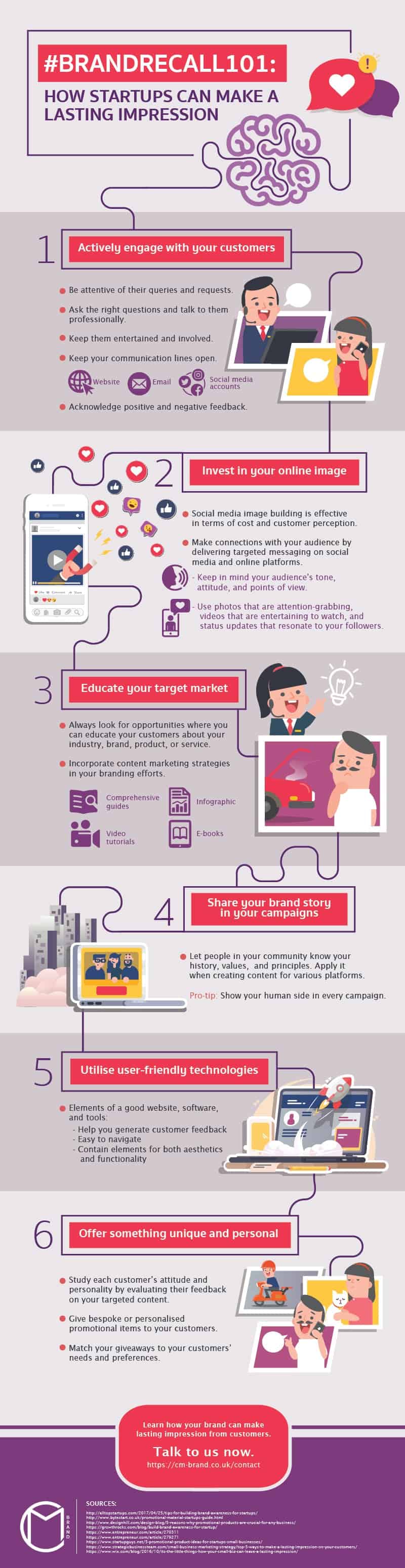
CM Brand share their brand building tips in this infographic.
Here’s a quick summary:
- Actively engage with your customers
- Invest in your online image
- Educate your target market
- Share your brand story in your campaigns
- Utilise user friendly technologies
- Offer something unique and personal
Check out the infographic for more detail.
In today’s competitive market, building a brand that stands out and makes a lasting impression on customers is more crucial than ever. A strong brand not only attracts new customers but also retains existing ones, fostering loyalty and advocacy. Here are six effective strategies to help you build a memorable and impactful brand.
Actively Engage with Your Customers
Engaging with customers is fundamental for any business, especially small businesses that rely heavily on building strong relationships and fostering customer loyalty. Here’s a more in-depth look at how small businesses can actively engage with their customers, including actionable tips and guidance.
Listen and Respond
- Monitor Social Media Channels:
- Set Up Alerts and Monitoring Tools: Use tools like Hootsuite, Mention, or Google Alerts to keep track of mentions of your brand, products, or relevant industry terms.
- Respond Promptly: Aim to respond to customer inquiries or comments within a few hours. Timely responses show that you value your customers and are attentive to their needs.
- Engage in Conversations: Don’t just respond to direct queries. Participate in discussions where your expertise can add value, helping to position your brand as an industry thought leader.
- Use Surveys and Feedback Forms:
- Regular Surveys: Conduct regular surveys to gather feedback on customer satisfaction, product preferences, and areas for improvement. Tools like SurveyMonkey or Google Forms are great for this.
- Post-Purchase Feedback: Send out automated emails after a purchase asking for feedback. This can help you understand customer experiences and identify potential areas for improvement.
- Customer Service Channels:
- Multiple Channels: Provide various customer service channels, such as phone, email, live chat, and social media support, to cater to different customer preferences.
- Training and Empowering Staff: Ensure your customer service team is well-trained and empowered to resolve issues effectively. Happy and well-equipped staff can significantly enhance customer satisfaction.
Personalize Interactions
- Segment Your Audience:
- Customer Segmentation: Divide your customer base into segments based on demographics, purchase behavior, or engagement levels. This allows for more targeted and personalized marketing efforts.
- Tailored Communications: Use segmentation to send personalized emails, promotions, and recommendations. For example, a returning customer might receive a loyalty discount, while a first-time buyer gets a welcome offer.
- Personalized Marketing:
- Dynamic Content: Utilize email marketing platforms that offer dynamic content features, allowing you to customize messages based on user data.
- Birthday and Anniversary Offers: Send personalized messages and special offers on customers’ birthdays or the anniversary of their first purchase with your brand.
- Human Touch:
- Handwritten Notes: A handwritten thank you note with a purchase can make a big impact. It shows a personal touch and appreciation.
- Follow-Up Calls: For high-value customers, consider follow-up calls to ensure they are satisfied with their purchase and to gather direct feedback.
Foster Community
- Create a Brand Community:
- Online Groups: Create Facebook Groups, LinkedIn Groups, or online forums where your customers can interact with each other and your brand. These communities can be a source of valuable feedback and ideas.
- Exclusive Content: Provide exclusive content, such as behind-the-scenes looks, early access to new products, or special discounts to community members.
- Host Events and Webinars:
- Live Events: Host live events, workshops, or meetups (virtual or in-person) to engage with your customers directly. These events can help build a stronger connection and provide a platform for feedback and ideas.
- Webinars: Offer webinars on topics that interest your audience. This not only engages your customers but also positions your brand as an authority in your field.
- Encourage User-Generated Content:
- Contests and Challenges: Run social media contests or challenges that encourage customers to share their experiences with your products. Offer prizes or incentives for participation.
- Customer Spotlights: Feature customer stories, testimonials, or reviews on your website and social media channels. This not only engages those customers but also builds trust with potential customers.
Additional Tips for Effective Customer Engagement
- Leverage Technology:
- CRM Systems: Implement a Customer Relationship Management (CRM) system to track customer interactions and preferences. This allows for more personalized and effective engagement.
- Chatbots: Use chatbots on your website to provide instant responses to customer inquiries. While this can’t replace human interaction, it can enhance customer service efficiency.
- Regular Communication:
- Email Newsletters: Send regular email newsletters with updates, offers, and valuable content. Make sure the content is relevant and engaging to keep customers interested.
- Social Media Updates: Maintain an active presence on social media by regularly posting updates, engaging with followers, and sharing valuable content.
- Provide Value:
- Content Marketing: Create and share valuable content that addresses your customers’ needs and interests. This could include blog posts, how-to guides, videos, or infographics.
- Exclusive Offers: Reward your loyal customers with exclusive offers, discounts, or early access to new products. This can help retain existing customers and encourage repeat business.
- Transparency and Honesty:
- Admit Mistakes: If something goes wrong, admit it, apologize, and take corrective action. Transparency builds trust and shows customers that you value their experience.
- Customer Stories: Share honest customer stories and testimonials, both positive and negative, to show that you are listening and continuously improving.
- Continuous Improvement:
- Regular Training: Continuously train your customer service team on best practices, new products, and effective communication skills.
- Feedback Loop: Establish a feedback loop where customer insights are regularly reviewed and used to make improvements in your products and services.
Conclusion
Actively engaging with your customers is essential for building a lasting and meaningful relationship. By listening and responding to their needs, personalizing interactions, fostering a sense of community, and leveraging technology, small businesses can create a customer-centric approach that drives loyalty and growth. Remember, every interaction is an opportunity to make a positive impression and build a stronger connection with your customers.
Invest in Your Online Image
Investing in your online image is crucial for establishing credibility, attracting customers, and differentiating your brand in a competitive market. For small businesses, a robust and polished online presence can be a significant growth driver. Here’s an in-depth look at how small businesses can effectively invest in their online image, with actionable tips and guidance.
Design and User Experience
- Professional Website Design:
- Hire a Professional Designer: If budget allows, hire a professional web designer or a reputable design agency. A well-designed website not only looks good but also functions smoothly.
- Clear Navigation: Ensure your website’s navigation is intuitive. Customers should be able to find what they’re looking for within a few clicks. Use clear, descriptive labels for your menu items.
- Responsive Design: Make sure your website is mobile-friendly. A significant portion of web traffic comes from mobile devices, so a responsive design is essential for a positive user experience.
- Fast Load Times:
- Optimize Images: Compress images without losing quality to reduce load times. Tools like TinyPNG or ImageOptim can help with this.
- Leverage Browser Caching: Implement browser caching so that repeat visitors experience faster load times.
- Use a Content Delivery Network (CDN): CDNs can distribute your website’s content across multiple servers worldwide, improving load times for visitors from various geographical locations.
- User-Friendly Interface:
- Simplify Design Elements: Avoid cluttered designs. Use ample white space to make content stand out and enhance readability.
- Call-to-Action (CTA) Buttons: Use clear and compelling CTAs that guide users towards desired actions, such as signing up for a newsletter or making a purchase.
- Accessibility: Ensure your website is accessible to all users, including those with disabilities. Follow the Web Content Accessibility Guidelines (WCAG) to make your site inclusive.
Consistent Branding
- Visual Consistency:
- Logo and Colors: Use a consistent logo and color scheme across your website, social media profiles, and other digital platforms. This helps in brand recognition.
- Typography: Stick to a set of brand fonts for your website and other online materials. Consistent typography creates a cohesive visual identity.
- Brand Voice:
- Develop a Brand Voice Guide: Define your brand’s tone of voice and ensure it’s consistently used across all communications, from website copy to social media posts and email marketing.
- Content Style: Maintain a consistent style in your written and visual content. This includes the way you structure your blog posts, the type of imagery you use, and the overall messaging.
- Unified Messaging:
- Consistent Messaging: Ensure that your core messages and value propositions are consistently communicated across all channels. This helps reinforce your brand’s key benefits and values.
- Regular Updates: Keep your content up-to-date. Regularly update your website, blog, and social media profiles with fresh, relevant content that aligns with your brand message.
Social Media Presence
- Choose the Right Platforms:
- Know Your Audience: Identify where your target audience spends their time online and focus your efforts on those platforms. For example, Instagram and Pinterest are great for visually-driven brands, while LinkedIn is better for B2B companies.
- Platform Optimization: Optimize your profiles for each platform. This includes using high-quality images, writing compelling bios, and including links to your website.
- Content Strategy:
- Content Calendar: Develop a content calendar to plan and schedule your posts. Consistency is key, so aim to post regularly without overwhelming your audience.
- Engaging Content: Create a mix of content types, such as articles, videos, infographics, and user-generated content. Ensure the content is engaging, informative, and aligned with your brand values.
- Storytelling: Use storytelling to make your posts more relatable and memorable. Share behind-the-scenes looks, customer stories, and company milestones.
- Community Engagement:
- Interact with Followers: Respond to comments, messages, and mentions. Show appreciation for positive feedback and address negative feedback constructively.
- Run Contests and Campaigns: Engage your audience with social media contests, giveaways, and interactive campaigns. This can increase your reach and foster a sense of community.
- Collaborate with Influencers: Partner with influencers who align with your brand values and have a strong following within your target audience. Influencer marketing can significantly boost your brand’s visibility.
Search Engine Optimization (SEO)
- Keyword Research:
- Identify Keywords: Use tools like Google Keyword Planner, SEMrush, or Ahrefs to identify relevant keywords for your industry. Focus on both high-volume keywords and long-tail keywords that are less competitive.
- Incorporate Keywords: Integrate these keywords naturally into your website content, blog posts, meta descriptions, and alt text for images.
- Quality Content:
- Create Valuable Content: Focus on creating high-quality, valuable content that addresses the needs and interests of your audience. This can include blog posts, how-to guides, tutorials, and industry news.
- Update Regularly: Regularly update your content to keep it fresh and relevant. Search engines favor websites that consistently provide new and updated content.
- Technical SEO:
- Optimize Page Speed: Ensure your website loads quickly. Use tools like Google PageSpeed Insights to identify and fix any speed issues.
- Mobile Optimization: Make sure your website is mobile-friendly, as search engines prioritize mobile-optimized sites.
- Secure Your Site: Implement HTTPS to secure your website. Search engines prioritize secure sites, and it also builds trust with your visitors.
Online Reputation Management
- Monitor Reviews:
- Review Sites: Keep an eye on review sites like Google My Business, Yelp, and industry-specific review platforms. Regularly check for new reviews and respond promptly.
- Social Media Monitoring: Monitor mentions of your brand on social media platforms to quickly address any issues or negative feedback.
- Respond to Feedback:
- Positive Reviews: Show appreciation for positive reviews by thanking customers. This encourages more positive feedback and builds customer loyalty.
- Negative Reviews: Address negative reviews professionally and constructively. Apologize for any issues and offer solutions to resolve the problem. This demonstrates your commitment to customer satisfaction.
- Encourage Positive Reviews:
- Ask for Reviews: Encourage satisfied customers to leave reviews. You can do this through follow-up emails, on your website, or through social media.
- Make It Easy: Provide direct links to your review profiles to make it easy for customers to leave feedback.
Email Marketing
- Build a Strong Email List:
- Opt-In Forms: Use opt-in forms on your website and social media profiles to capture email addresses. Offer incentives like discounts or free resources to encourage sign-ups.
- Segmentation: Segment your email list based on customer behavior, preferences, and demographics to send more targeted and personalized emails.
- Craft Engaging Emails:
- Compelling Subject Lines: Write compelling subject lines that grab attention and encourage opens.
- Valuable Content: Provide valuable content in your emails, such as tips, insights, and exclusive offers. Avoid overly promotional content that may turn off subscribers.
- Mobile Optimization: Ensure your emails are mobile-friendly, as a significant portion of email opens occur on mobile devices.
- Analyze and Optimize:
- Track Metrics: Monitor key email metrics like open rates, click-through rates, and conversion rates. Use these insights to optimize future campaigns.
- A/B Testing: Conduct A/B testing on different email elements, such as subject lines, content, and CTAs, to determine what works best for your audience.
Conclusion
Investing in your online image is a critical aspect of building a successful small business. By focusing on professional website design, consistent branding, a robust social media presence, effective SEO practices, online reputation management, and strategic email marketing, you can create a strong and credible online presence. These efforts will not only attract new customers but also build trust and loyalty among your existing customer base. Remember, your online image is often the first impression potential customers have of your brand, so make it count.
Educate Your Target Market
Educating your target market is a powerful strategy for establishing your brand as an authority in your industry, building trust with your audience, and driving customer engagement. By providing valuable information and insights, you help your customers make informed decisions, which can lead to increased loyalty and conversions. Here’s an in-depth look at how small businesses can effectively educate their target market, with actionable tips and guidance.
Content Marketing
- Blog Posts:
- Regular Updates: Maintain a blog on your website and update it regularly with high-quality, informative content. Address common questions, industry trends, and tips that are relevant to your audience.
- SEO Optimization: Optimize your blog posts for search engines by incorporating relevant keywords, using engaging headlines, and including meta descriptions. This will help attract organic traffic to your site.
- Engaging Formats: Use a mix of formats, such as how-to guides, listicles, case studies, and opinion pieces to keep your content engaging and varied.
- Videos:
- Tutorials and Demonstrations: Create tutorial videos that show how to use your products or services. Demonstrations can help potential customers understand the value and functionality of what you offer.
- Educational Series: Develop a series of educational videos on topics related to your industry. Break down complex topics into short, digestible episodes.
- Live Streaming: Host live video sessions where you can answer questions, provide updates, or discuss industry news. Platforms like YouTube Live, Instagram Live, or Facebook Live are excellent for this.
- Infographics:
- Visual Storytelling: Use infographics to present data and information in a visually appealing way. Infographics are great for explaining complex concepts quickly and clearly.
- Shareability: Design your infographics to be easily shareable on social media and other platforms. This can increase your reach and attract new audiences.
- Podcasts:
- Industry Insights: Start a podcast where you discuss industry trends, interview experts, and provide valuable insights. Podcasts are a great way to reach busy professionals who prefer listening over reading.
- Guest Speakers: Invite industry experts and influencers to speak on your podcast. This can provide fresh perspectives and attract their followers to your brand.
Webinars and Workshops
- Interactive Webinars:
- Educational Topics: Choose topics that are highly relevant to your audience and offer actionable insights. This could include industry trends, best practices, or problem-solving strategies.
- Engagement Tools: Use tools like polls, Q&A sessions, and chat functions to engage participants during the webinar. Interaction helps keep the audience engaged and allows for real-time feedback.
- Follow-Up: Send follow-up emails with a recording of the webinar, additional resources, and a survey to gather feedback. This keeps the engagement going and provides valuable insights for future events.
- Hands-On Workshops:
- Practical Learning: Offer workshops that provide hands-on learning experiences. These can be in-person or virtual and should focus on practical skills that your audience can apply immediately.
- Workbooks and Materials: Provide participants with workbooks, templates, or other materials to enhance their learning experience. This also serves as a takeaway that keeps your brand top-of-mind.
- Certificates of Completion: Offer certificates of completion for workshops. This adds value to the participant’s experience and can be an incentive for attendance.
Educational Resources
- eBooks and Whitepapers:
- In-Depth Analysis: Create eBooks and whitepapers that provide in-depth analysis of industry topics, trends, or research findings. These resources can position your brand as an authority.
- Lead Generation: Use these resources as lead magnets by offering them in exchange for contact information. This can help build your email list and generate leads.
- Professional Design: Ensure that your eBooks and whitepapers are professionally designed and easy to read. High-quality design reflects well on your brand.
- Guides and Tutorials:
- Step-by-Step Guides: Develop comprehensive guides that walk your audience through specific processes or tasks related to your industry. Break down the steps clearly and include visuals where necessary.
- Printable Resources: Offer printable checklists, templates, and cheat sheets that your audience can download and use. These resources add practical value and can drive repeat visits to your site.
- Resource Library:
- Central Hub: Create a resource library on your website where visitors can access all your educational content in one place. This makes it easy for users to find and utilize your resources.
- Categorization: Organize your resources into categories to help users quickly find what they need. Use tags and filters to enhance the user experience.
- Regular Updates: Keep your resource library updated with new content regularly. Promote new additions through your email newsletter and social media channels.
Email Newsletters
- Valuable Content:
- Regular Updates: Send regular email newsletters to keep your audience informed about new content, upcoming events, and industry news. Aim to provide value with each email, rather than just promotional messages.
- Educational Segments: Include educational segments in your newsletters, such as tips, mini-guides, or links to relevant blog posts and resources.
- Personalization: Personalize your emails based on the recipient’s interests and behavior. Use segmentation to tailor the content to different audience groups.
- Drip Campaigns:
- Automated Series: Set up automated email series (drip campaigns) that guide subscribers through a learning journey. This could be a series of emails that cover different aspects of a topic in-depth.
- Engagement Metrics: Monitor engagement metrics such as open rates, click-through rates, and conversions to measure the effectiveness of your campaigns and make adjustments as needed.
Social Media Education
- Informative Posts:
- Quick Tips: Share quick tips and insights on your social media platforms. These can be short posts, graphics, or short videos that provide immediate value.
- Long-Form Content: Use platforms like LinkedIn to publish long-form articles that delve deeper into industry topics. This can position you as a thought leader in your field.
- Interactive Content: Create interactive content such as polls, quizzes, and Q&A sessions to engage your audience and gather insights on their preferences and needs.
- Live Sessions:
- Live Q&A: Host live Q&A sessions where you answer questions from your audience in real-time. This can help address their immediate concerns and showcase your expertise.
- Webinar Teasers: Use live sessions to promote upcoming webinars or events. Provide a sneak peek of what attendees can expect and encourage sign-ups.
Collaboration and Partnerships
- Guest Contributions:
- Guest Blogging: Invite industry experts to contribute guest posts to your blog. This provides fresh perspectives and can attract their followers to your site.
- Collaborative Content: Partner with other businesses or influencers to create collaborative content, such as joint webinars, co-authored eBooks, or interview series. This can expand your reach and add credibility.
- Cross-Promotion:
- Mutual Promotion: Work with complementary businesses to promote each other’s educational content. This can be through social media shoutouts, email exchanges, or shared resources.
- Affiliate Programs: Set up affiliate programs where partners can earn a commission for promoting your educational resources. This incentivizes them to share your content with their audience.
Conclusion
Educating your target market is an essential strategy for building a strong and credible brand. By providing valuable content through various channels such as blog posts, videos, webinars, educational resources, and email newsletters, you can position your brand as an industry authority and foster trust with your audience. Additionally, leveraging social media for educational purposes and collaborating with industry experts can further enhance your reach and impact. Remember, the goal is to provide real value and help your audience make informed decisions, which in turn, will drive engagement, loyalty, and growth for your small business.
Share Your Brand Story in Your Campaigns
Your brand story is a powerful tool that can differentiate your business from competitors and create an emotional connection with your audience. For small businesses, effectively sharing your brand story can foster loyalty, enhance customer engagement, and drive long-term success. Here’s an in-depth look at how small businesses can craft and share their brand story in marketing campaigns, along with actionable tips and guidance.
Authenticity and Transparency
- Be Genuine:
- Honest Narrative: Your brand story should be authentic and truthful. Avoid embellishments or exaggerations that can come across as insincere. Customers value honesty and are more likely to connect with a brand that is genuine.
- Core Values: Highlight the core values that drive your business. Whether it’s sustainability, innovation, or community focus, make sure these values are evident in your story.
- Share Your Journey:
- Founding Story: Share the story of how your business was founded. Discuss the challenges you faced, the solutions you sought, and the milestones you achieved. This helps humanize your brand and makes it more relatable.
- Behind-the-Scenes: Give your audience a glimpse behind the scenes of your business. Share stories about your team, the work environment, and the day-to-day operations. This transparency builds trust and fosters a deeper connection.
- Customer Stories:
- Testimonials: Feature customer testimonials and success stories. Showcasing real experiences from satisfied customers adds credibility to your brand story and demonstrates the impact of your products or services.
- Case Studies: Develop detailed case studies that highlight how your business has helped customers overcome challenges or achieve their goals. These stories can be powerful tools for building trust and demonstrating value.
Emotional Appeal
- Evoke Emotions:
- Personal Stories: Share personal anecdotes from the founders or key team members. Discuss the passion and motivation behind starting the business and how it has evolved over time. Personal stories resonate deeply with audiences and create emotional connections.
- Visual Storytelling: Use visuals to enhance your storytelling. Photos, videos, and graphics can evoke emotions and make your story more engaging. A well-produced video that narrates your brand story can be particularly impactful.
- Connect with Values:
- Common Values: Identify the values that your audience cares about and weave them into your brand story. Whether it’s environmental sustainability, social responsibility, or innovation, connecting with shared values strengthens the emotional bond.
- Community Impact: Highlight the positive impact your business has on the community. Whether it’s supporting local charities, participating in community events, or implementing eco-friendly practices, showcasing your community involvement can evoke positive emotions.
- Consistent Messaging:
- Unified Voice: Ensure your brand story is consistently reflected across all marketing channels. From your website and social media to email campaigns and product packaging, maintain a unified voice and message.
- Reinforce Themes: Regularly reinforce the key themes of your brand story in your communications. This helps build a strong brand identity and keeps your story top-of-mind for your audience.
Visual Storytelling
- High-Quality Visuals:
- Professional Photography: Invest in professional photography to capture high-quality images of your products, team, and business environment. High-quality visuals can significantly enhance the impact of your brand story.
- Video Content: Create engaging video content that tells your brand story. This can include a company overview, customer testimonials, behind-the-scenes footage, and founder interviews. Videos are highly shareable and can reach a broad audience.
- Consistent Aesthetics:
- Brand Style Guide: Develop a brand style guide that outlines the visual elements of your brand, including color schemes, fonts, and imagery styles. Consistency in aesthetics helps create a cohesive and recognizable brand identity.
- Infographics and Graphics: Use infographics and graphics to visually represent key aspects of your brand story. These can be shared on social media, in blog posts, and in marketing materials to make your story more engaging and digestible.
- Interactive Elements:
- Interactive Storytelling: Incorporate interactive elements into your storytelling, such as clickable timelines, interactive videos, or immersive web experiences. Interactive storytelling can engage users more deeply and make your brand story more memorable.
- User-Generated Content: Encourage customers to share their own stories and experiences with your brand. Feature user-generated content on your website and social media channels to add authenticity and diverse perspectives to your brand story.
Consistent Messaging
- Unified Brand Voice:
- Brand Voice Guidelines: Develop guidelines for your brand voice and ensure all team members and external partners are aligned with these guidelines. A consistent brand voice helps build recognition and trust.
- Adaptation Across Channels: While maintaining a unified voice, adapt your messaging to fit different channels. The tone and style of your message may vary between platforms like LinkedIn and Instagram, but the core story should remain consistent.
- Content Calendar:
- Strategic Planning: Use a content calendar to plan and schedule your storytelling efforts. This ensures that your brand story is consistently communicated over time and across different channels.
- Regular Updates: Regularly update your audience with new chapters of your brand story. Share updates about new products, company milestones, and community initiatives to keep your story dynamic and engaging.
- Multi-Channel Approach:
- Website: Dedicate a section of your website to your brand story. This could be an “About Us” page that provides a detailed narrative of your business journey, values, and mission.
- Social Media: Share snippets of your brand story on social media platforms. Use posts, stories, reels, and live sessions to highlight different aspects of your story.
- Email Campaigns: Incorporate elements of your brand story into your email marketing campaigns. Share updates, behind-the-scenes content, and customer stories to keep your subscribers engaged.
Campaign Integration
- Thematic Campaigns:
- Story-Driven Campaigns: Develop marketing campaigns that are centered around your brand story. Create thematic campaigns that highlight key aspects of your story, such as your founding journey, mission, or community impact.
- Seasonal Stories: Tie your brand story into seasonal campaigns. For example, share stories of how your business gives back during the holiday season or how your products can enhance specific times of the year.
- Customer-Centric Campaigns:
- Customer Spotlight: Create campaigns that spotlight your customers. Share their stories, experiences, and testimonials to show the real-life impact of your products or services.
- User-Generated Content: Encourage customers to share their own stories and experiences with your brand. Feature this content in your campaigns to add authenticity and build a sense of community.
- Cross-Promotions:
- Partnership Stories: Collaborate with other businesses or influencers to share joint stories. Cross-promotions can help you reach new audiences and add depth to your brand narrative.
- Event-Based Stories: Use events, both online and offline, as opportunities to share your brand story. Whether it’s a product launch, a webinar, or a community event, tie these occasions back to your overarching brand narrative.
Conclusion
Sharing your brand story in your campaigns is a powerful way to connect with your audience on a deeper level. By being authentic and transparent, evoking emotions, utilizing visual storytelling, maintaining consistent messaging, and integrating your story into your marketing campaigns, you can create a compelling narrative that resonates with your customers. For small businesses, an effective brand story can differentiate you from competitors, build trust, and foster long-term customer loyalty. Remember, your brand story is unique to you – share it proudly and consistently to make a lasting impact.
Utilize User-Friendly Technologies
Adopting user-friendly technologies is essential for small businesses looking to improve efficiency, enhance customer experience, and stay competitive in today’s digital landscape. By leveraging the right technologies, small businesses can streamline operations, offer better customer service, and ultimately drive growth. Here’s an in-depth look at how small businesses can effectively utilize user-friendly technologies, along with actionable tips and guidance.
Website and Mobile App
- Responsive Web Design:
- Mobile Optimization: Ensure your website is mobile-friendly. With a significant portion of web traffic coming from mobile devices, a responsive design is crucial. Use tools like Google’s Mobile-Friendly Test to check and improve your site’s mobile compatibility.
- User Experience (UX): Focus on creating an intuitive and seamless user experience. Use clear navigation, fast load times, and engaging visuals to keep visitors on your site longer and reduce bounce rates.
- Mobile App Development:
- Custom App Features: If your business model benefits from it, consider developing a mobile app. Features like easy shopping, appointment scheduling, loyalty programs, and push notifications can enhance customer engagement.
- User Interface (UI): Prioritize a clean and intuitive UI for your app. The easier it is for customers to use, the more likely they are to engage with it regularly.
- Website Functionality:
- E-commerce Integration: For businesses selling products online, integrate a reliable e-commerce platform like Shopify, WooCommerce, or BigCommerce. Ensure the checkout process is simple and secure.
- Content Management System (CMS): Use a user-friendly CMS like WordPress or Squarespace. These platforms offer flexibility and ease of use, allowing you to update content, manage blogs, and optimize SEO without needing advanced technical skills.
Customer Relationship Management (CRM) Systems
- Choosing the Right CRM:
- Assess Needs: Identify your business needs and choose a CRM system that aligns with them. Popular options for small businesses include Salesforce, HubSpot, and Zoho CRM.
- Scalability: Ensure the CRM system can scale with your business as it grows. This helps avoid the hassle of switching systems as your customer base expands.
- CRM Features:
- Contact Management: Use the CRM to keep detailed records of customer interactions, preferences, and history. This allows for personalized communication and better relationship management.
- Automation: Leverage automation features for tasks like email marketing, follow-up reminders, and sales pipeline management. This saves time and ensures consistency in customer interactions.
- Analytics and Reporting: Utilize the CRM’s analytics tools to gain insights into customer behavior, sales performance, and marketing effectiveness. Use this data to make informed business decisions.
Chatbots and AI
- Implementing Chatbots:
- Customer Support: Deploy chatbots on your website and social media platforms to provide instant responses to customer queries. This can significantly improve response times and customer satisfaction.
- 24/7 Availability: Chatbots can offer round-the-clock support, ensuring customers get assistance even outside of business hours. This is particularly beneficial for small businesses with limited staffing.
- AI-Powered Tools:
- Personalization: Use AI to analyze customer data and provide personalized recommendations. For example, e-commerce sites can suggest products based on browsing history and previous purchases.
- Automation: Automate routine tasks such as data entry, scheduling, and email responses with AI-powered tools. This frees up time for your team to focus on more strategic activities.
Payment Solutions
- Online Payment Systems:
- Payment Gateways: Integrate reliable payment gateways like PayPal, Stripe, or Square on your website. Ensure the checkout process is secure and straightforward to enhance customer trust and reduce cart abandonment.
- Multiple Payment Options: Offer various payment methods, including credit/debit cards, digital wallets, and bank transfers. This accommodates different customer preferences and increases the likelihood of completing a sale.
- Point of Sale (POS) Systems:
- Modern POS Systems: Invest in a modern POS system that integrates with your inventory management and CRM systems. Options like Square POS, Shopify POS, and Lightspeed Retail can streamline in-store transactions and record keeping.
- Mobile POS: For businesses that operate at events or pop-up shops, a mobile POS system can provide flexibility and convenience, allowing you to process payments anywhere.
Project Management and Collaboration Tools
- Task Management:
- Project Management Software: Use tools like Trello, Asana, or Monday.com to manage projects and tasks. These platforms allow you to create task lists, assign responsibilities, set deadlines, and track progress.
- Kanban Boards: Implement Kanban boards to visualize workflows and manage tasks efficiently. This helps keep projects organized and ensures that team members are on the same page.
- Collaboration Tools:
- Communication Platforms: Utilize communication tools like Slack, Microsoft Teams, or Zoom for team collaboration. These platforms facilitate real-time communication, file sharing, and virtual meetings.
- Document Sharing: Use cloud storage solutions like Google Drive, Dropbox, or OneDrive for easy document sharing and collaboration. Ensure that all team members have access to necessary files and can collaborate on documents in real-time.
Marketing Automation
- Email Marketing Automation:
- Automated Campaigns: Use email marketing platforms like Mailchimp, Constant Contact, or HubSpot to set up automated email campaigns. This can include welcome emails, follow-up sequences, and personalized offers based on customer behavior.
- Segmentation: Segment your email list based on customer demographics, purchase history, and engagement levels. This allows for more targeted and effective email campaigns.
- Social Media Scheduling:
- Scheduling Tools: Use social media management tools like Hootsuite, Buffer, or Sprout Social to schedule posts in advance. This ensures consistent posting and allows you to plan your social media strategy effectively.
- Analytics: Monitor the performance of your social media campaigns using built-in analytics tools. Track metrics such as engagement, reach, and conversions to refine your strategy.
Cybersecurity
- Secure Your Website:
- SSL Certificates: Ensure your website has an SSL certificate to encrypt data and provide a secure connection. This is crucial for protecting sensitive information and building customer trust.
- Regular Updates: Keep your website’s software, plugins, and security features up-to-date to protect against vulnerabilities and cyberattacks.
- Data Protection:
- Backup Solutions: Implement regular data backup solutions to protect against data loss. Cloud-based backup services like Backblaze or Carbonite can provide automatic backups and easy recovery options.
- Access Control: Use strong passwords and two-factor authentication (2FA) to protect sensitive information. Limit access to critical systems and data to only those who need it.
Customer Support Technologies
- Help Desk Software:
- Ticketing Systems: Use help desk software like Zendesk, Freshdesk, or Help Scout to manage customer inquiries. These systems allow you to track and resolve issues efficiently.
- Knowledge Base: Create a knowledge base or FAQ section on your website to provide self-service support. This can reduce the volume of support tickets and help customers find answers quickly.
- Live Chat:
- Instant Support: Implement live chat on your website to provide real-time support to visitors. This can improve customer satisfaction and increase the chances of converting visitors into customers.
- Proactive Chat: Use proactive chat features to initiate conversations with visitors who seem to need assistance. For example, if a visitor spends a long time on a product page, a proactive chat can offer help or suggest related products.
Conclusion
Utilizing user-friendly technologies is a key strategy for small businesses to enhance efficiency, improve customer experience, and stay competitive. By focusing on responsive web design, mobile app development, CRM systems, chatbots, AI, payment solutions, project management tools, marketing automation, cybersecurity, and customer support technologies, small businesses can streamline operations and provide a better overall experience for their customers. Embracing these technologies not only helps in optimizing business processes but also plays a significant role in building a strong, modern, and customer-centric brand.
Offer Something Unique and Personal
In a crowded market, offering something unique and personal can set your business apart from competitors and create a memorable experience for your customers. By focusing on personalization and uniqueness, small businesses can foster customer loyalty, enhance engagement, and drive word-of-mouth referrals. Here’s an in-depth look at how small businesses can effectively offer unique and personal experiences, along with actionable tips and guidance.
Unique Value Proposition (UVP)
- Identify Your UVP:
- Analyze Competitors: Conduct a competitive analysis to understand what other businesses in your industry are offering. Identify gaps and opportunities where you can differentiate your brand.
- Customer Feedback: Gather feedback from your customers to understand what they value most about your products or services. Use surveys, interviews, and reviews to gain insights.
- Highlight Strengths: Focus on what makes your business special. This could be superior product quality, exceptional customer service, innovative features, or a unique brand story. Clearly communicate this UVP in all your marketing efforts.
- Communicate Your UVP:
- Consistent Messaging: Ensure that your UVP is consistently communicated across all channels, including your website, social media, email campaigns, and in-store displays. This reinforces your brand’s unique benefits and helps customers remember why they should choose you.
- Elevator Pitch: Develop a concise and compelling elevator pitch that summarizes your UVP. Train your team to use this pitch when interacting with customers, whether online or in-person.
Personalized Products and Services
- Customization Options:
- Product Personalization: Offer customization options that allow customers to personalize products to their preferences. This could include choosing colors, adding monograms, selecting materials, or designing custom features. Brands like Nike with their customizable shoes or Build-A-Bear with personalized stuffed animals are great examples.
- Service Customization: Tailor your services to meet individual customer needs. This could involve personalized consultations, bespoke packages, or custom-built solutions. For instance, a hair salon could offer personalized hair care plans based on individual hair types and goals.
- Personalized Recommendations:
- Customer Data: Use customer data to provide personalized product or service recommendations. Leverage CRM systems and analytics tools to track customer preferences, purchase history, and browsing behavior.
- AI and Machine Learning: Implement AI-powered recommendation engines on your website to suggest products or services based on customer behavior. For example, e-commerce sites can use machine learning algorithms to recommend items that complement previous purchases.
- Tailored Marketing:
- Segmented Email Campaigns: Segment your email list based on customer demographics, purchase behavior, and engagement levels. Send personalized email campaigns that offer relevant products, services, or content.
- Dynamic Content: Use dynamic content in your marketing materials that changes based on the recipient’s preferences or behavior. For example, personalized landing pages or targeted social media ads that cater to specific customer segments.
Exclusive Offers and Loyalty Programs
- Loyalty Programs:
- Reward Systems: Create a loyalty program that rewards customers for repeat purchases and engagement. Offer points for every purchase, which can be redeemed for discounts, free products, or exclusive experiences.
- Tiered Benefits: Implement a tiered loyalty program where customers can unlock additional benefits as they reach higher tiers. This incentivizes more spending and enhances customer loyalty. For example, offer free shipping or early access to new products for higher-tier members.
- Exclusive Offers:
- Member-Only Discounts: Provide exclusive discounts and promotions to your loyalty program members. This makes them feel valued and encourages repeat business.
- Special Access: Offer early access to new products, services, or events to your loyal customers. This can create a sense of exclusivity and build anticipation.
- Personalized Rewards:
- Birthday and Anniversary Offers: Send personalized offers to customers on their birthdays or anniversaries of their first purchase with your business. This small gesture can make customers feel special and appreciated.
- Custom Rewards: Tailor rewards based on customer preferences and behavior. For example, if a customer frequently purchases skincare products, offer them a free sample of a new skincare line.
Exceptional Customer Service
- Personal Touch:
- Customer Interaction: Train your team to provide a personal touch in every customer interaction. Use customers’ names, remember their preferences, and follow up on previous interactions to show that you value their business.
- Handwritten Notes: Include handwritten thank-you notes with purchases or follow-up emails after a service. This small, personal gesture can leave a lasting impression on customers.
- Customer Feedback:
- Active Listening: Actively listen to customer feedback and use it to improve your products, services, and customer experience. Show customers that their opinions matter by implementing their suggestions and communicating the changes.
- Follow-Up: After resolving an issue or completing a purchase, follow up with customers to ensure they are satisfied. This demonstrates your commitment to their satisfaction and can build long-term loyalty.
- Exceptional Support:
- 24/7 Support: Provide round-the-clock customer support through various channels, such as live chat, email, and phone. Quick and efficient support can significantly enhance customer satisfaction.
- Knowledge Base: Create a comprehensive knowledge base on your website with FAQs, tutorials, and troubleshooting guides. This empowers customers to find answers independently and enhances their experience.
Unique Experiences
- Experiential Marketing:
- Pop-Up Shops: Create pop-up shops or events that offer unique experiences related to your brand. This can attract new customers and provide a memorable experience that encourages repeat visits.
- Workshops and Classes: Offer workshops, classes, or webinars that provide value to your customers. For example, a bakery could host baking classes, or a fitness brand could offer virtual workout sessions.
- Community Engagement:
- Local Events: Participate in or sponsor local events, fairs, and festivals. This increases brand visibility and shows your commitment to the community.
- Social Responsibility: Engage in social responsibility initiatives that align with your brand values. Partner with local charities, run fundraising campaigns, or implement sustainable practices. Share these efforts with your customers to build a positive brand image.
- Personalized Experiences:
- VIP Experiences: Offer VIP experiences to your most loyal customers. This could include exclusive events, private shopping sessions, or behind-the-scenes tours.
- Customer Appreciation Events: Host customer appreciation events to thank your loyal customers. Offer special discounts, free samples, and exclusive previews of new products.
Conclusion
Offering something unique and personal is a powerful strategy for small businesses to stand out in a competitive market. By identifying and communicating your unique value proposition, providing personalized products and services, creating exclusive offers and loyalty programs, delivering exceptional customer service, and offering unique experiences, you can build strong relationships with your customers and foster long-term loyalty. Embracing these strategies not only enhances customer satisfaction but also helps differentiate your brand, making it more memorable and impactful in the eyes of your audience.
Conclusion
In conclusion, building a lasting brand requires a strategic approach that focuses on engaging with customers, investing in your online image, educating your target market, sharing your brand story, utilizing user-friendly technologies, and offering unique and personalized experiences. By implementing these strategies, you can create a strong and memorable brand that resonates with customers and stands the test of time.

Author:
Mark Ford

From Confusion to Clarity: How to Steer Your Marketing Away from These Frequent Errors
Are you struggling to make sense of your marketing strategy and wondering why your results aren’t matching your effort? Want to learn how to avoid the most common marketing mistakes and create a clear, focused plan that actually delivers results? […]

85 Game-Changing Tools for Creators, Marketers, and Entrepreneurs
Are you searching for powerful yet free tools to help you grow your brand, streamline your workflow, and boost your online presence? Want to discover game-changing platforms that every creator, marketer, and entrepreneur should be using right now? […]