Search Engine Optimization (SEO) has come a long way since its inception.
The strategies that worked in the past are no longer as effective, and the landscape is constantly evolving.
In this blog post, we will delve into the differences between old SEO and new SEO, highlighting what you should stop doing and what you should do instead to stay ahead in the game.
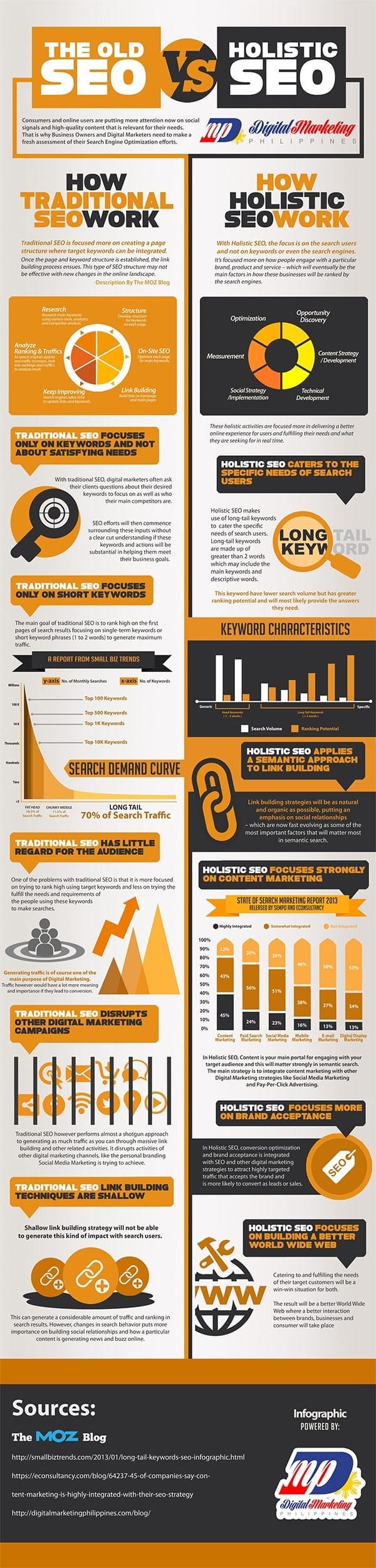
Infographic from Digital Marketing Phillipines.
Part 1: The Evolution of SEO
The Old SEO Landscape
In the early days of SEO, ranking on search engines was a relatively straightforward process. Keyword stuffing, spammy backlinks, and low-quality content were common tactics that helped websites secure top positions on search engine results pages (SERPs). The focus was primarily on manipulating search algorithms rather than providing value to users.
What to Stop Doing
- Keyword Stuffing: Overloading your content with keywords is a relic of old SEO. It not only makes your content unreadable but also invites penalties from search engines. Instead, focus on using keywords naturally and in context.
- Low-Quality Content: Thin, shallow, and poorly-written content won’t cut it in the new SEO landscape. Users are looking for valuable, informative, and engaging content. Invest in creating high-quality, relevant content that addresses the needs and questions of your audience.
- Spammy Backlinks: Building a myriad of low-quality backlinks can harm your website’s reputation. Instead, focus on earning high-quality, relevant backlinks from authoritative sources.
The New SEO Paradigm
As search engines like Google became more sophisticated, they started prioritizing user experience and relevance. This shift gave rise to the new SEO paradigm, which emphasizes creating a user-centric and high-quality online presence.
What to Do Instead
- User-Centric Approach: Understand your target audience, their needs, and preferences. Create content that serves their interests and solves their problems. User experience matters, so ensure your website is user-friendly and mobile-responsive.
- High-Quality Content: Consistently produce well-researched, informative, and engaging content that adds value to your readers. Focus on comprehensive and in-depth articles that establish your authority in your niche.
- Natural Link Building: Rather than pursuing spammy backlinks, work on building genuine relationships with influencers, bloggers, and industry peers. Quality backlinks earned through collaboration and trust are more valuable.
Part 2: Keyword Research and Optimization
Old Keyword Research Methods
In the old days of SEO, keyword research often involved selecting high-volume keywords and sprinkling them throughout the content. Long-tail keywords were often overlooked, and the focus was on generic, competitive terms.
What to Stop Doing
- Keyword Stuffing: Repeating the same keywords excessively within your content is a bad practice. Instead, use a mix of relevant keywords and synonyms naturally.
- Ignoring Long-Tail Keywords: Neglecting long-tail keywords means missing out on opportunities to capture specific search intent. Incorporate long-tail keywords that align with user queries.
Modern Keyword Research Techniques
Today’s SEO landscape demands a more nuanced approach to keyword research and optimization.
What to Do Instead
- Semantic SEO: Search engines have become better at understanding context and user intent. Optimize your content for semantic SEO by using related terms, synonyms, and natural language.
- Long-Tail Keywords: Embrace long-tail keywords that reflect user queries and intent. These keywords often have lower competition and can drive highly targeted traffic.
- User Intent Analysis: Prioritize understanding user intent behind specific keywords. Create content that directly addresses the user’s query, whether it’s informational, transactional, or navigational.
Part 3: On-Page SEO
Old On-Page SEO Techniques
In the past, on-page SEO primarily focused on keyword placement and meta tags. It often resulted in a cluttered and unnatural reading experience.
What to Stop Doing
- Keyword Stuffing: We can’t emphasize this enough – stop stuffing keywords unnaturally into your content. It’s distracting and detrimental to user experience.
- Over-Optimized Meta Tags: Avoid stuffing meta titles and descriptions with keywords. Craft compelling, descriptive meta tags that entice users to click.
Effective On-Page SEO in the New Era
On-page SEO has evolved to become more user-friendly and holistic.
What to Do Instead
- User-Friendly Content: Prioritize readability and user experience. Format your content with headings, bullet points, and a logical structure. Use keywords naturally where they fit.
- Mobile Optimization: With the increasing use of mobile devices, ensure your website is responsive and provides an excellent mobile experience. Google considers mobile-friendliness when ranking sites.
- Schema Markup: Implement structured data markup (schema markup) to provide search engines with additional context about your content. This can enhance your search results with rich snippets.
Part 4: Backlink Building
Old Backlink Building Strategies
In the old SEO world, backlink building often involved buying links, participating in link farms, and using automated tools to generate a high volume of low-quality links.
What to Stop Doing
- Buying Backlinks: Purchasing backlinks is against Google’s guidelines and can result in severe penalties. Avoid this practice entirely.
- Low-Quality Directory Submissions: Submitting your website to low-quality directories for the sake of getting backlinks is a waste of time. Focus on quality over quantity.
Modern Backlink Building Techniques
Backlink building has become more about quality and relevance.
What to Do Instead
- Earn High-Quality Backlinks: Create outstanding content that naturally attracts backlinks from reputable sources. Outreach to industry influencers and bloggers who can genuinely benefit from your content.
- Guest Posting: Write high-quality guest posts for authoritative websites in your niche. This not only helps you build backlinks but also establishes you as an industry expert.
- Monitor Your Backlink Profile: Regularly audit your backlinks to identify and disavow any toxic or spammy links that could harm your website’s reputation.
Part 5: Technical SEO
Old Technical SEO Practices
In the past, technical SEO often focused on manipulating search engine crawlers through tactics like keyword stuffing in meta tags and using doorway pages.
What to Stop Doing
- Keyword Stuffing in Meta Tags: As mentioned earlier, keyword stuffing is a big no-no, especially in meta tags. Craft meta tags for users, not search engines.
- Cloaking and Doorway Pages: These tactics involve showing different content to users and search engines, which is deceptive and against search engine guidelines.
Effective Technical SEO in the Modern Era
Technical SEO now focuses on ensuring your website is accessible, indexable, and performs well.
What to Do Instead
- Site Speed Optimization: A fast-loading website is crucial for both user experience and SEO. Compress images, minimize HTTP requests, and use content delivery networks (CDNs) to improve speed.
- Mobile-Friendly Design: Ensure your website is responsive and mobile-friendly to cater to the growing number of mobile users.
- XML Sitemap and Robots.txt: Create and submit XML sitemaps to help search engines crawl and index your site effectively. Use a robots.txt file to guide crawlers.
- Secure Website (HTTPS): Google gives preference to secure websites. Install an SSL certificate to enable HTTPS on your site.
Part 6: Content Marketing and Social Media
Old Content Marketing and Social Media Practices
In the past, content marketing often meant churning out low-quality articles for the sole purpose of including keywords and attracting search engine traffic. Social media was often used solely for self-promotion.
What to Stop Doing
- Low-Quality Content for SEO: Don’t create content solely for search engines. Focus on creating valuable, shareable content that resonates with your audience.
- Social Media Spam: Avoid spammy practices on social media, such as excessive self-promotion and buying followers. Authenticity and engagement are key.
Effective Content Marketing and Social Media in the New Era
Content marketing and social media have become essential components of a holistic SEO strategy.
What to Do Instead
- Content for Users and SEO: Create content that satisfies both user needs and SEO requirements. Use keyword research to inform your content, but ensure it’s genuinely valuable.
- Social Media Engagement: Engage with your audience on social media platforms. Build a community, share valuable content, and interact authentically.
- Content Promotion: Promote your content through various channels, including social media, email marketing, and influencer outreach.
Conclusion
The evolution of SEO from its old practices to the modern era is a testament to the ever-changing nature of the digital landscape. To succeed in today’s SEO world, you must embrace a user-centric approach, prioritize high-quality content, and stay up-to-date with the latest best practices. By abandoning outdated techniques and adopting the strategies outlined in this post, you’ll be well-equipped to navigate the complex world of SEO and secure long-term success for your website. Remember, the key to SEO success in the new era is to focus on providing value to your audience rather than trying to outsmart search engines.

Author:
Mark Ford