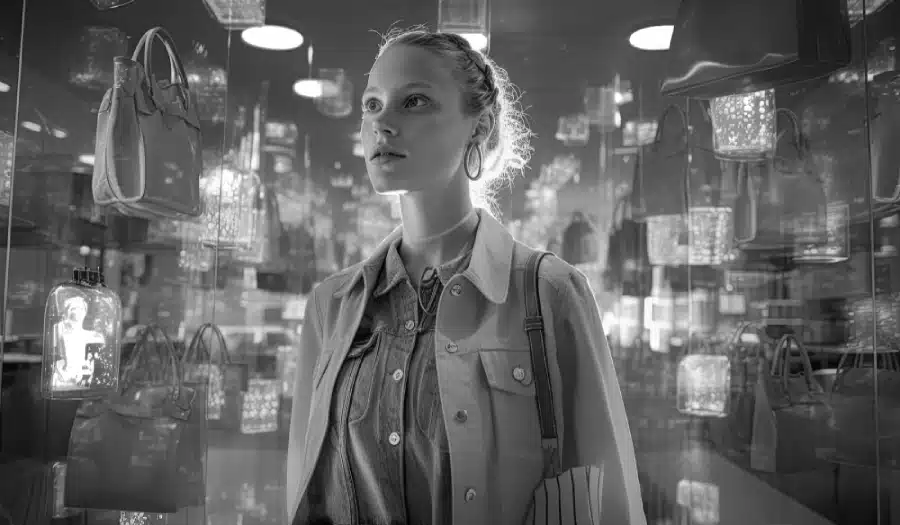
So you run a retail outlet to sell your products, but have you been neglecting your online presence and watching as your competitors take full advantage?
The retail landscape has undergone a significant transformation in recent years, driven by the rapid growth of e-commerce and shifting consumer preferences. With the convenience of online shopping, traditional brick-and-mortar retailers have had to adapt to stay relevant in a digital age.
In response to this changing landscape, many retailers have started to recognize the importance of creating a blended online and in-store shopping journey. This approach combines the best of both worlds, offering customers a seamless and personalized shopping experience that bridges the gap between physical and digital retail.
In this blog post, we will explore why retailers must embrace this blended approach and how it can benefit both consumers and businesses.
Cube explain why a blended online and in-store strategy is a must in this infographic.
![Why Retailers Must Create a Blended Online and In-Store Shopping Journey [Infographic]](https://red-website-design.co.uk/wp-content/uploads/Why-Retailers-Must-Create-a-Blended-Online-and-In-Store-Shopping-Journey.jpg)
Meeting Customer Expectations
In today’s fast-paced world, consumers expect convenience and flexibility when it comes to shopping. The rise of online shopping platforms like Amazon and e-commerce giants has set a high standard for retailers. Customers now expect a frictionless shopping experience that seamlessly integrates online and in-store channels.
By creating a blended shopping journey, retailers can meet these expectations head-on. Customers can browse products online, read reviews, and compare prices before making a purchase decision. They can then choose whether to complete their purchase online or visit a physical store to see the product in person or get immediate assistance. This flexibility caters to the diverse needs and preferences of modern shoppers.
Enhancing Customer Engagement
Engaging with customers is vital for any retail business’s success. The blended shopping journey provides opportunities for retailers to interact with their customers across various touchpoints. Here’s how:
- a. Personalization: Online shopping platforms gather data on customer preferences and behaviors, allowing retailers to offer personalized recommendations. When customers visit a physical store, employees can leverage this data to provide tailored assistance and product suggestions, enhancing the overall shopping experience.
- b. Omnichannel Marketing: Retailers can use omnichannel marketing strategies to create consistent messaging across online and in-store channels. This ensures that customers receive cohesive brand experiences, regardless of how they choose to shop.
- c. Loyalty Programs: Loyalty programs can bridge the gap between online and in-store shopping. Customers can earn rewards and discounts for purchases made through both channels, incentivizing them to engage with the brand across all touchpoints.
Showcasing Products
One of the challenges of online shopping is the inability to physically interact with products. Shoppers often have concerns about the quality, size, or appearance of items they intend to purchase. Physical stores excel in this regard, as they allow customers to touch, feel, and try products before buying them.
Blending online and in-store shopping addresses this issue by providing customers with the opportunity to explore products online and then see them in person at a nearby store. This approach enables customers to make informed decisions while benefiting from the convenience of online research.
Additionally, retailers can use augmented reality (AR) and virtual reality (VR) technologies to enhance the online shopping experience. Customers can virtually try on clothing, visualize furniture in their homes, or see how appliances fit in their kitchens, all from the comfort of their homes.
Reducing Operational Costs
While creating a blended shopping journey may require initial investments in technology and infrastructure, it can lead to long-term cost savings. Here’s how:
- a. Inventory Management: Online and offline channels can be integrated into a single inventory management system, reducing the risk of overstocking or understocking products. This streamlines operations and minimizes the need for costly inventory adjustments.
- b. Smaller Physical Footprints: With the rise of e-commerce, some retailers have downsized their physical stores. Smaller stores require less space, reducing rent and operational costs.
- c. Efficient Staff Allocation: Retailers can optimize staff allocation by tracking online and in-store customer traffic. This ensures that employees are deployed where they are needed most, improving operational efficiency and reducing labor costs.
Harnessing Data for Insights
The blended shopping journey generates valuable data that retailers can leverage to gain insights into customer behavior and preferences. By collecting and analyzing this data, retailers can make data-driven decisions to enhance their strategies. Here are some key ways data can benefit retailers:
- a. Customer Profiling: Retailers can create detailed customer profiles based on online and offline interactions. This information helps in tailoring marketing campaigns and product offerings to specific customer segments.
- b. Inventory Management: Data analytics can help predict demand and optimize inventory levels. Retailers can avoid overstocking or stockouts, reducing carrying costs and lost sales.
- c. Marketing Effectiveness: Retailers can measure the effectiveness of their marketing efforts by tracking how online campaigns impact in-store foot traffic and vice versa. This allows for better allocation of marketing budgets.
Building Brand Loyalty
Brand loyalty is a crucial factor for long-term success in the retail industry. A blended shopping journey can help build and strengthen brand loyalty in several ways:
- a. Consistent Brand Experience: When customers receive a consistent brand experience across online and in-store channels, they are more likely to trust and connect with the brand.
- b. Convenience and Choice: By offering customers the choice to shop online or in-store, retailers demonstrate a commitment to meeting customer preferences, which can foster loyalty.
- c. Personalization: Personalized recommendations and exclusive offers based on customer data can make customers feel valued and appreciated, increasing their loyalty to the brand.
Staying Competitive
Retail is a highly competitive industry, and staying ahead of the competition is crucial for survival. Retailers that embrace a blended shopping journey can gain a competitive edge by:
- a. Offering Unique Experiences: Innovative technologies such as AR, VR, and AI can create unique and immersive shopping experiences that set retailers apart from their competitors.
- b. Faster Adaptation to Trends: E-commerce trends evolve rapidly. Retailers who can quickly adapt to new technologies and consumer behaviors are more likely to thrive in the ever-changing retail landscape.
- c. Customer-Centric Approach: A customer-centric approach, where retailers prioritize meeting customer needs and preferences, can help them gain a competitive advantage in the market.
Conclusion
The retail industry is undergoing a significant transformation, driven by the convergence of online and offline shopping. Retailers must adapt to this changing landscape by creating a blended online and in-store shopping journey. This approach not only meets customer expectations but also enhances engagement, reduces operational costs, harnesses data for insights, builds brand loyalty, and helps retailers stay competitive.
To thrive in the modern retail landscape, retailers must embrace technology, prioritize customer needs, and provide a seamless shopping experience that seamlessly integrates physical and digital channels. By doing so, they can position themselves for success in an ever-evolving industry.

Author:
Mark Ford