Search Engine Optimization (SEO) is a critical component of any successful online marketing strategy.
One of the key elements of SEO is link building, which involves getting other websites to link to your site.
While link building can greatly improve your website’s search engine rankings, not all link-building techniques are created equal. In fact, some techniques that were once popular can now harm your site’s SEO efforts.
In this blog post, we will explore four link-building techniques that Google hates and provide you with alternative strategies to boost your website’s search engine ranking effectively.
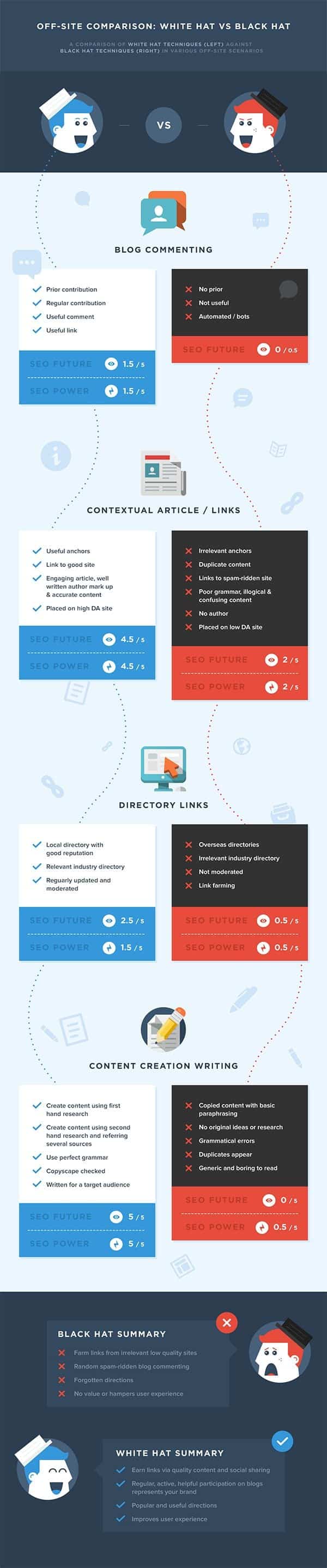
Understanding the Importance of Quality Backlinks
Before we dive into the link-building techniques Google frowns upon, let’s first understand why backlinks are so important for SEO. Backlinks are like votes of confidence from other websites. When reputable websites link to your content, search engines view your website as a valuable and authoritative source. Consequently, this can lead to higher search engine rankings and increased organic traffic.
However, not all backlinks are created equal. Google has become increasingly sophisticated in assessing the quality of backlinks. It now penalizes websites that engage in manipulative or spammy link-building tactics. To stay on Google’s good side and achieve long-term SEO success, it’s crucial to focus on quality over quantity when building backlinks.
Now, let’s explore four link-building techniques Google hates and what you should do instead:
1. Paid Link Schemes
Paid link schemes involve paying other websites to link to your site. While this may seem like a quick way to acquire backlinks, it’s a tactic that Google strongly discourages. Google’s guidelines explicitly state that buying or selling links can result in severe penalties, including a drop in search rankings or even complete removal from search results.
What to Do Instead:
Earn Natural Backlinks Through High-Quality Content: Instead of buying links, focus on creating valuable, informative, and engaging content that naturally attracts backlinks. When your content is genuinely useful and relevant to your target audience, other websites are more likely to link to it organically.
Guest Posting: Consider guest posting on reputable websites in your niche. Guest posting allows you to showcase your expertise and reach a broader audience while earning backlinks legitimately. Ensure that your guest posts provide valuable information to readers.
Outreach and Relationship Building: Reach out to other website owners and bloggers in your industry. Building relationships with them can lead to opportunities for guest posting or collaborations that naturally result in backlinks.
2. Private Blog Networks (PBNs)
Private Blog Networks (PBNs) are networks of websites that are often owned by the same person or entity. These websites exist solely to link to each other and manipulate search engine rankings. PBNs are a clear violation of Google’s guidelines, and Google actively penalizes websites associated with them.
What to Do Instead:
Focus on a Single, High-Quality Website: Instead of managing multiple low-quality websites within a PBN, concentrate your efforts on building a single authoritative website. Investing in one reputable site is a more sustainable and ethical approach to SEO.
Natural Link Building: As mentioned earlier, prioritize natural link building through the creation of valuable content and genuine outreach efforts. Building a strong online presence with a single website is more effective in the long run.
3. Link Exchanges
Link exchanges involve trading links with other websites, often in unrelated niches. While this technique was once popular, it is now considered a risky strategy by Google. Excessive link exchanges can be interpreted as an attempt to manipulate search rankings.
What to Do Instead:
Selective and Relevant Link Partnerships: Instead of indiscriminate link exchanges, focus on building selective and relevant partnerships with other websites. Seek out websites that share a similar audience or topic and collaborate on content or projects that benefit both parties.
Content Syndication: Consider syndicating your content on reputable platforms that allow you to reach a wider audience. When other websites republish your content with proper attribution, it can lead to legitimate backlinks.
4. Low-Quality Directory Submissions
Submitting your website to low-quality or spammy web directories was a common link-building tactic in the past. However, Google now views many of these directories as sources of spammy or low-quality links. Engaging in mass directory submissions can harm your site’s SEO.
What to Do Instead:
Submit to High-Quality Directories: Instead of submitting your site to every directory you come across, focus on high-quality, authoritative directories that are relevant to your niche. These directories often have strict editorial standards and can provide valuable backlinks.
Local SEO Citations: For local businesses, focus on building citations in reputable local directories and business listings. These citations can help improve your local search visibility and attract potential customers.
Conclusion
Effective link building is an essential aspect of SEO, but it’s crucial to avoid techniques that can harm your website’s reputation and rankings. Google continually updates its algorithms to detect and penalize manipulative link-building practices. Instead of resorting to tactics like paid links, PBNs, link exchanges, or low-quality directory submissions, focus on ethical and sustainable strategies.
Building high-quality backlinks takes time and effort, but the long-term benefits are worth it. Create valuable content that naturally attracts links, collaborate with others in your industry, and prioritize quality over quantity. By following these best practices, you’ll not only improve your website’s search engine rankings but also establish your website as a trusted and authoritative source in your niche. Remember, in the world of SEO, it’s always better to play by Google’s rules for lasting success.

Author:
Mark Ford