Search Engine Optimization (SEO) is an ever-evolving field, and what worked yesterday may not work tomorrow.
In the constantly changing landscape of digital marketing, it’s crucial to keep up with the latest trends and updates from search engines.
There’s one SEO technique that has been losing its effectiveness over the years and can even harm your website’s rankings: keyword stuffing.
In this blog post, we’ll dive deep into why keyword stuffing is a practice you must stop using and provide you with alternative strategies to improve your SEO efforts.
Infographic by Media Whiz SEO.
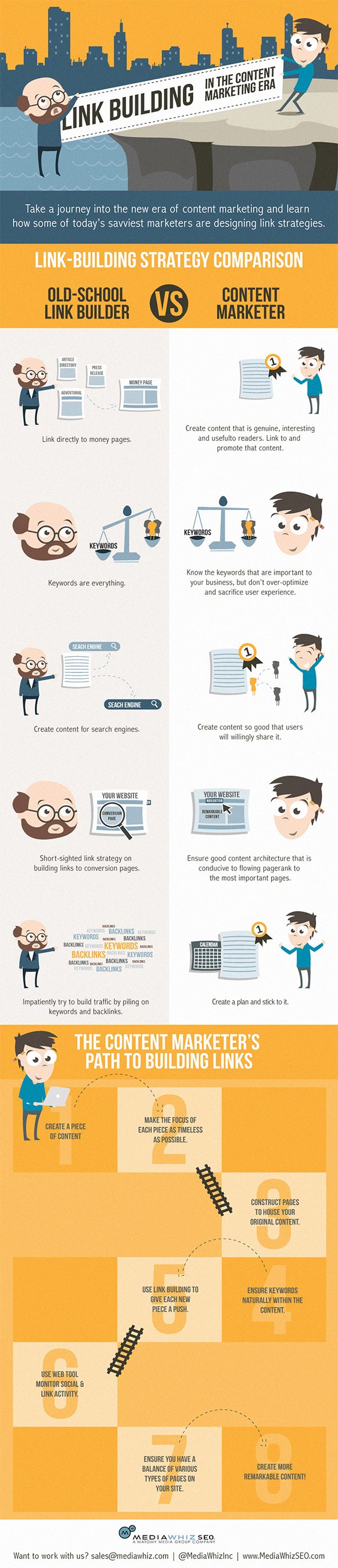
The Rise and Fall of Keyword Stuffing
Keyword stuffing was once a popular and effective SEO technique. Website owners and marketers would load their web pages with as many keywords as possible, thinking that it would boost their rankings in search engine results pages (SERPs). This practice often resulted in poorly written, spammy content that didn’t provide any real value to users. However, it seemed to work because search engines like Google relied heavily on keyword density as a ranking factor in the early days of SEO.
As search engines evolved, their algorithms became more sophisticated and began to focus on user experience and content quality. Google, in particular, made significant updates to its algorithms, such as Panda and Hummingbird, which penalized websites engaged in keyword stuffing and rewarded those that provided valuable, user-friendly content.
Today, keyword stuffing is not only ineffective but can also lead to severe penalties from search engines, including a drop in rankings or even removal from the index altogether. Search engines are now capable of understanding context, semantics, and user intent, which means they can identify and penalize websites that engage in keyword stuffing.
Why Keyword Stuffing is Harmful
- Poor User Experience: Keyword-stuffed content is often difficult to read and lacks coherence. When users visit a web page and find poorly written content that is stuffed with keywords, they are likely to bounce away quickly, leading to high bounce rates and a negative impact on your site’s engagement metrics.
- Loss of Credibility: Keyword stuffing can make your website appear untrustworthy and unprofessional. Users are less likely to trust a website that doesn’t provide valuable and readable content.
- Penalties from Search Engines: As mentioned earlier, search engines like Google have become adept at identifying keyword stuffing. When they detect this practice, they may penalize your website by lowering its rankings or removing it from the search results entirely.
- Competitive Disadvantage: Websites that engage in keyword stuffing are at a disadvantage when competing with others that focus on high-quality content. You’ll lose out to competitors who offer valuable and relevant information to users.
- Negative SEO Impact: Keyword stuffing doesn’t just harm your content; it can also impact your entire website’s SEO performance. If Google identifies your site as engaging in manipulative SEO tactics, it may affect your overall domain authority and trustworthiness.
What to Do Instead: Modern SEO Best Practices
Now that we’ve established why keyword stuffing is a harmful SEO practice, let’s explore what you should do instead to improve your website’s search engine visibility and rankings. Here are some modern SEO best practices to follow:
1. Focus on High-Quality Content
The foundation of effective SEO today is high-quality, relevant content. Create content that provides value to your target audience, answers their questions, and solves their problems. Prioritize user intent and user experience when crafting your content.
2. Conduct Keyword Research
Keyword research is still essential, but it should be used differently than in the past. Instead of stuffing keywords into your content, use keyword research to understand the language and phrases your target audience uses when searching for information related to your niche. Incorporate these keywords naturally into your content to enhance its relevance.
3. Optimize On-Page SEO Elements
While keyword stuffing is a no-go, it’s crucial to optimize your on-page SEO elements correctly. This includes optimizing your titles, meta descriptions, headers, and image alt tags. Use keywords where they make sense and improve the overall user experience.
4. Create High-Quality Backlinks
Backlinks, or inbound links from other reputable websites to yours, remain a crucial factor in SEO. Focus on earning high-quality backlinks from authoritative sources in your industry. Avoid spammy link-building tactics that can harm your site’s reputation.
5. Mobile-Friendly and Fast Website
A mobile-friendly website with fast loading times is vital for SEO. Search engines prioritize websites that provide a seamless experience on both desktop and mobile devices. Optimize your website’s performance to improve user satisfaction and SEO rankings.
6. Schema Markup
Implementing schema markup can help search engines better understand the content on your web pages. This can lead to enhanced rich snippets in the search results, improving your click-through rates.
7. Content Promotion and Social Signals
Promote your content through social media and other digital marketing channels to generate social signals. While social signals themselves may not be direct ranking factors, they can indirectly impact your SEO by increasing visibility and driving traffic to your website.
8. User Experience and Site Structure
Ensure that your website provides an excellent user experience and is easy to navigate. A well-structured site with clear navigation menus and internal linking can help both users and search engines find and understand your content.
9. Regularly Update and Refresh Content
Search engines love fresh content. Regularly update and refresh your existing content to keep it relevant and valuable. This can help improve your rankings and maintain your site’s authority.
10. Monitor and Analyze Performance
Use SEO tools and analytics to monitor your website’s performance regularly. Track keyword rankings, traffic sources, and user behavior to identify areas for improvement and adjust your SEO strategy accordingly.
Conclusion
In the ever-evolving world of SEO, keyword stuffing is an outdated and harmful practice that can do more harm than good to your website’s rankings and reputation. Instead of trying to manipulate search engines with keyword stuffing, focus on providing valuable, user-friendly content that addresses the needs and questions of your target audience.
Modern SEO is all about creating high-quality content, optimizing on-page elements, building high-quality backlinks, and providing an excellent user experience. By following these best practices, you can improve your website’s search engine visibility, attract more organic traffic, and ultimately achieve your SEO goals without resorting to risky and ineffective tactics like keyword stuffing. Remember, the key to success in SEO is to adapt and evolve with the changing algorithms and user expectations, always keeping the user’s experience at the forefront of your strategy.

Author:
Mark Ford