
Social media marketing has become an indispensable tool for businesses of all sizes.
Whether you’re a startup or an established brand, leveraging social media can help you reach a wider audience, engage with your customers, and ultimately boost your bottom line. However, for newcomers to the world of social media marketing, it can be overwhelming.
That’s where a comprehensive checklist can be a lifesaver.
In this blog post, we will provide you with the ultimate social media marketing checklist that every newbie must follow. This checklist will guide you through the key steps and strategies to build a successful social media presence for your business.
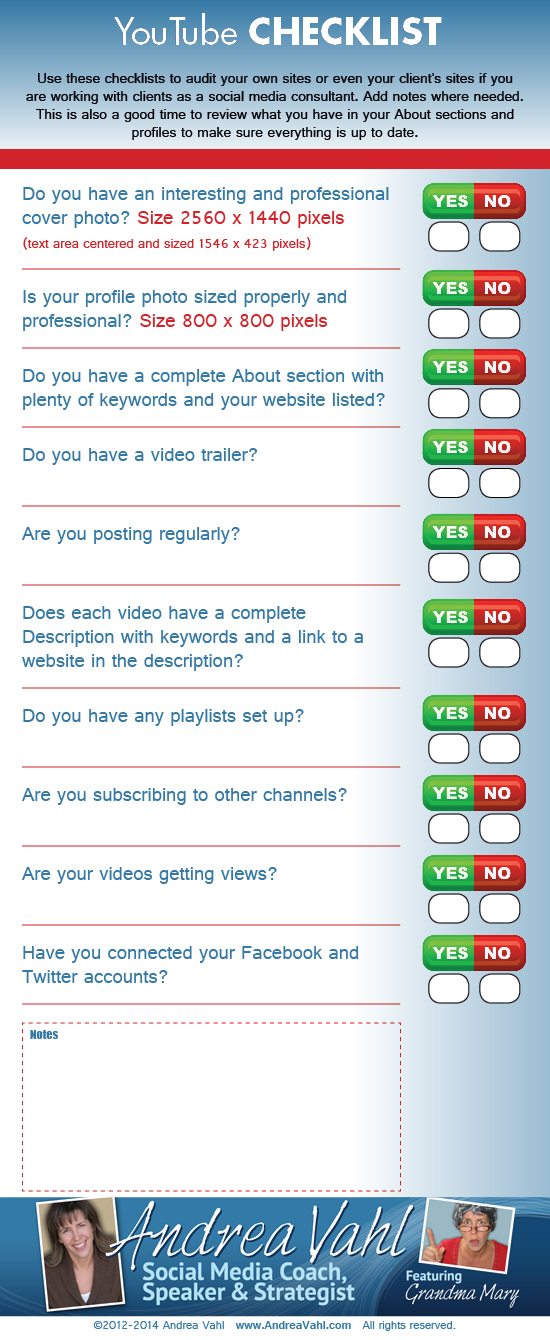
Infographic by Andrea Vahl.
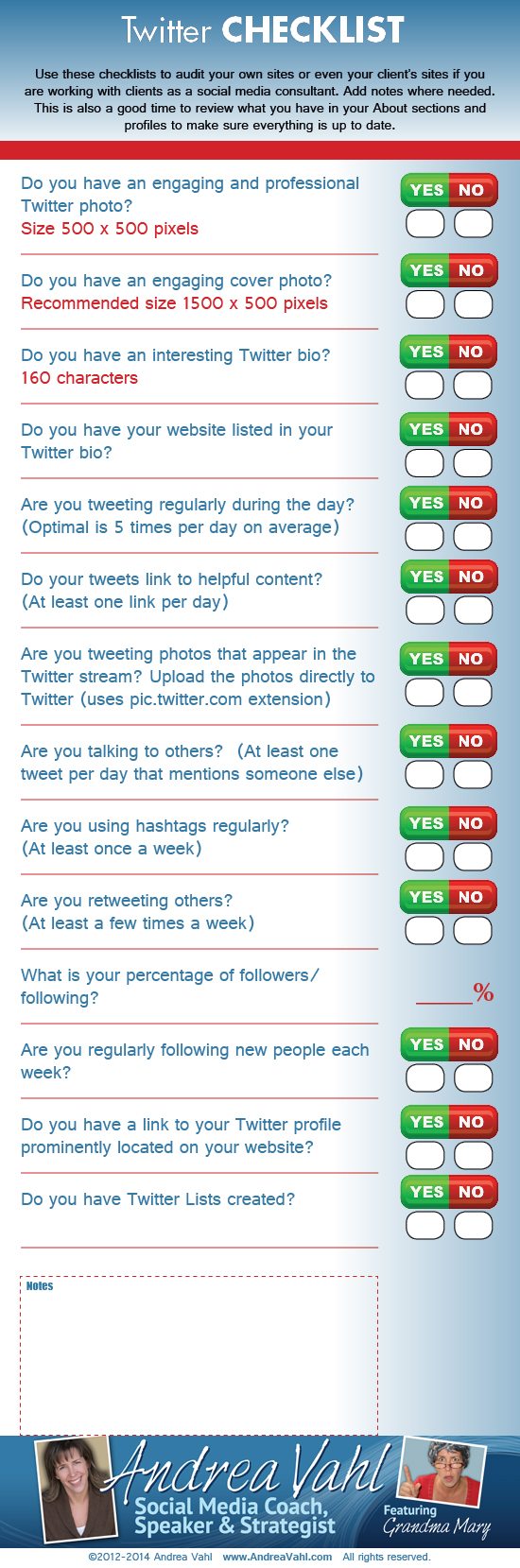
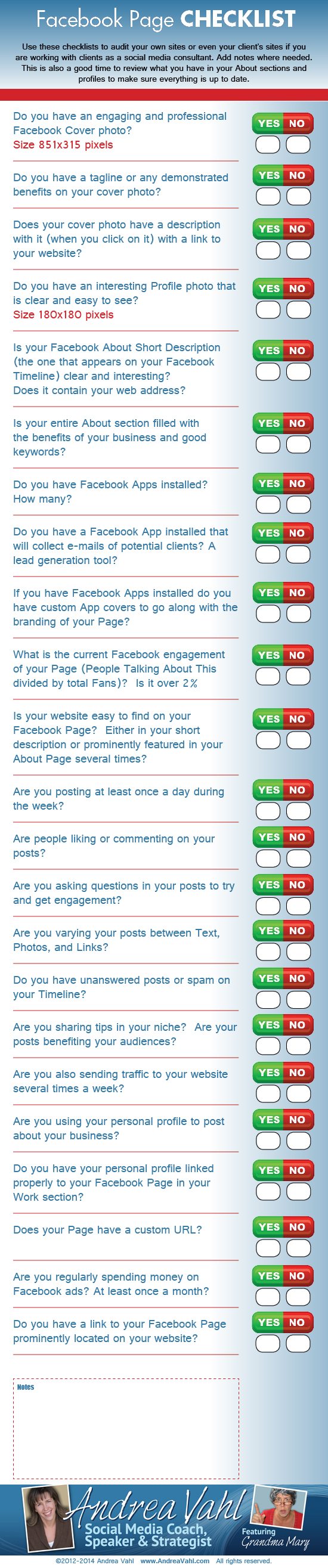
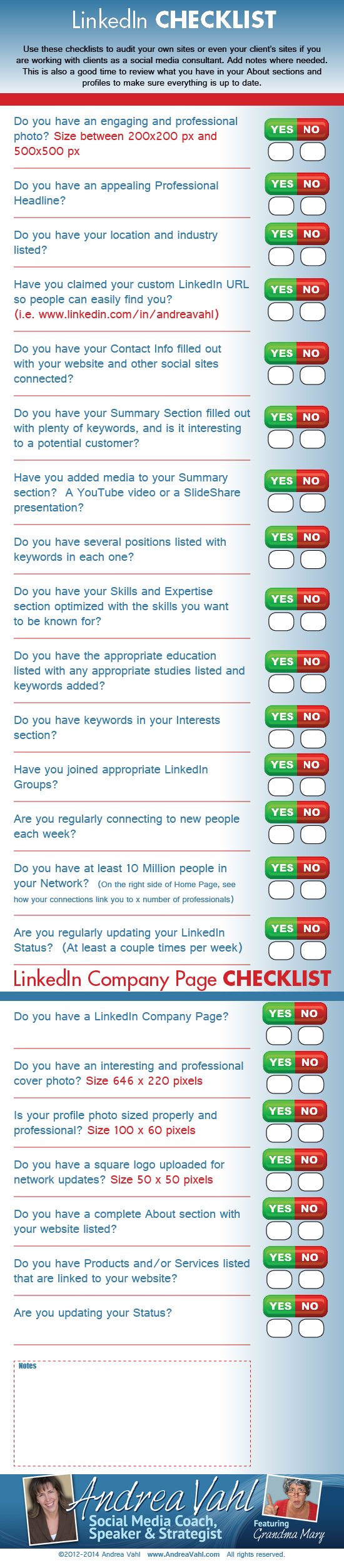
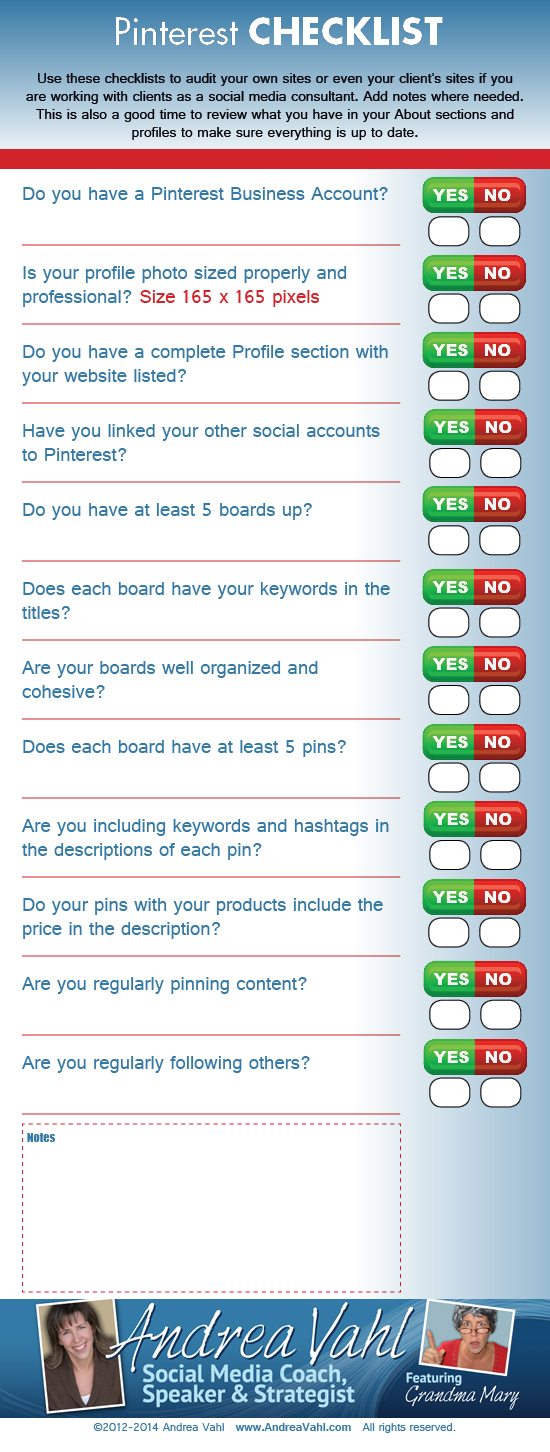
1. Set Clear Goals
Before diving into the world of social media marketing, it’s essential to define your goals. What do you want to achieve through social media? Some common goals include increasing brand awareness, driving website traffic, generating leads, or boosting sales. Having clear objectives will help you tailor your social media strategy to meet your specific needs.
2. Understand Your Target Audience
Knowing your target audience is crucial for effective social media marketing. Conduct research to identify the demographics, interests, and behaviors of your potential customers. This information will help you create content that resonates with your audience and ensures that your marketing efforts are directed towards the right people.
3. Choose the Right Platforms
Not all social media platforms are created equal. Each platform has its own unique user base and features. It’s essential to choose the platforms that align with your target audience and business goals. Here’s a quick overview of some popular social media platforms:
- Facebook: Ideal for businesses targeting a wide range of demographics.
- Instagram: Great for visual content and reaching a younger audience.
- Twitter: Suitable for real-time updates and engaging with a broad audience.
- LinkedIn: Perfect for B2B marketing and professional networking.
- Pinterest: Ideal for businesses in the fashion, home decor, or DIY niches.
4. Create Compelling Profiles
Your social media profiles are often the first impression potential customers will have of your brand. Ensure that your profiles are complete, consistent, and visually appealing. Use high-quality profile and cover photos, write compelling bios, and include essential contact information.
5. Develop a Content Strategy
A well-thought-out content strategy is the backbone of successful social media marketing. Create a content calendar that outlines what type of content you’ll post, how often you’ll post, and the themes or topics you’ll cover. Your content should be valuable, relevant, and engaging to your audience.
6. Produce High-Quality Content
Quality over quantity should be your mantra when creating social media content. Invest in creating visually appealing images and videos, write compelling captions, and make sure your content is informative or entertaining. Remember that different platforms have varying content requirements, so tailor your content accordingly.
7. Utilize Hashtags Effectively
Hashtags can increase the discoverability of your content on platforms like Instagram and Twitter. Research relevant hashtags in your niche and incorporate them into your posts strategically. Avoid overusing hashtags, as it can come across as spammy.
8. Engage with Your Audience
Social media is a two-way street. Don’t just broadcast your message; actively engage with your audience. Respond to comments and messages promptly, ask questions, run polls, and encourage discussions. Building a genuine connection with your followers can lead to brand loyalty and advocacy.
9. Monitor Your Competitors
Keep an eye on what your competitors are doing on social media. Analyze their strategies, content, and engagement tactics. This can provide valuable insights and inspiration for your own social media efforts.
10. Invest in Paid Advertising
While organic reach is essential, consider allocating a budget for paid advertising on social media. Platforms like Facebook and Instagram offer powerful targeting options that can help you reach a highly specific audience. Experiment with different ad formats to see what works best for your business.
11. Analyze Your Performance
Regularly track and analyze your social media performance using analytics tools provided by the platforms or third-party tools like Google Analytics and Hootsuite. Pay attention to metrics like engagement rate, click-through rate, and conversion rate. Use these insights to refine your strategy and make data-driven decisions.
12. Stay Consistent
Consistency is key to maintaining a strong social media presence. Stick to your content calendar, post consistently, and maintain a cohesive brand image across all platforms. Consistency builds trust with your audience and keeps them engaged.
13. Experiment and Adapt
The social media landscape is constantly evolving. What works today may not work tomorrow. Don’t be afraid to experiment with new content formats, platforms, and strategies. Stay agile and adapt to changes in algorithms and user behavior.
14. Foster User-generated Content
Encourage your followers to create content related to your brand. User-generated content can be a powerful endorsement and helps build community around your brand. Create branded hashtags and run contests or challenges to motivate your audience to contribute.
15. Educate Yourself Continuously
Social media marketing is a dynamic field. To stay competitive, invest in your knowledge. Attend webinars, read industry blogs, and consider taking courses on social media marketing. Staying updated with the latest trends and best practices is crucial.
16. Don’t Neglect Customer Service
Social media is not just a marketing tool; it’s also a customer service channel. Be responsive to customer inquiries and complaints. Address issues promptly and professionally to maintain a positive brand reputation.
17. Protect Your Brand
Online reputation management is vital. Monitor mentions of your brand on social media and respond to any negative comments or reviews tactfully. Proactively address any potential PR crises to protect your brand’s image.
18. Collaborate with Influencers
Consider partnering with influencers in your niche to expand your reach. Influencers can help you tap into their established follower base and lend credibility to your brand. Make sure to choose influencers whose values align with your brand’s.
19. Leverage Social Media Advertising Tools
Social media platforms offer a range of advertising tools and features to help you reach your goals. Explore features like Facebook Business Manager, Instagram Shopping, and LinkedIn Sponsored Content to enhance your marketing efforts.
20. Measure ROI
Ultimately, your social media marketing efforts should contribute to your business’s bottom line. Calculate the return on investment (ROI) of your social media campaigns by comparing the cost of your efforts to the revenue generated. Adjust your strategy based on what delivers the best results.
In conclusion, social media marketing can be a game-changer for your business, but it requires careful planning and execution. By following this ultimate social media marketing checklist, you’ll be well-equipped to navigate the complex world of social media and build a strong online presence for your brand. Remember, consistency, engagement, and data-driven decisions are the keys to success in this ever-evolving landscape. Good luck!

Author:
Mark Ford