
Are you looking to turn casual browsers into loyal customers who keep coming back for more? Want to understand how to guide people from first discovering your brand to proudly recommending it to others?
You’ll find the key steps to building long-term brand loyalty in this infographic.
Here’s a summary of what’s covered:
- Aware
- Appeal
- Ask
- Act
- Act again / advocate
Check out the post below for more.
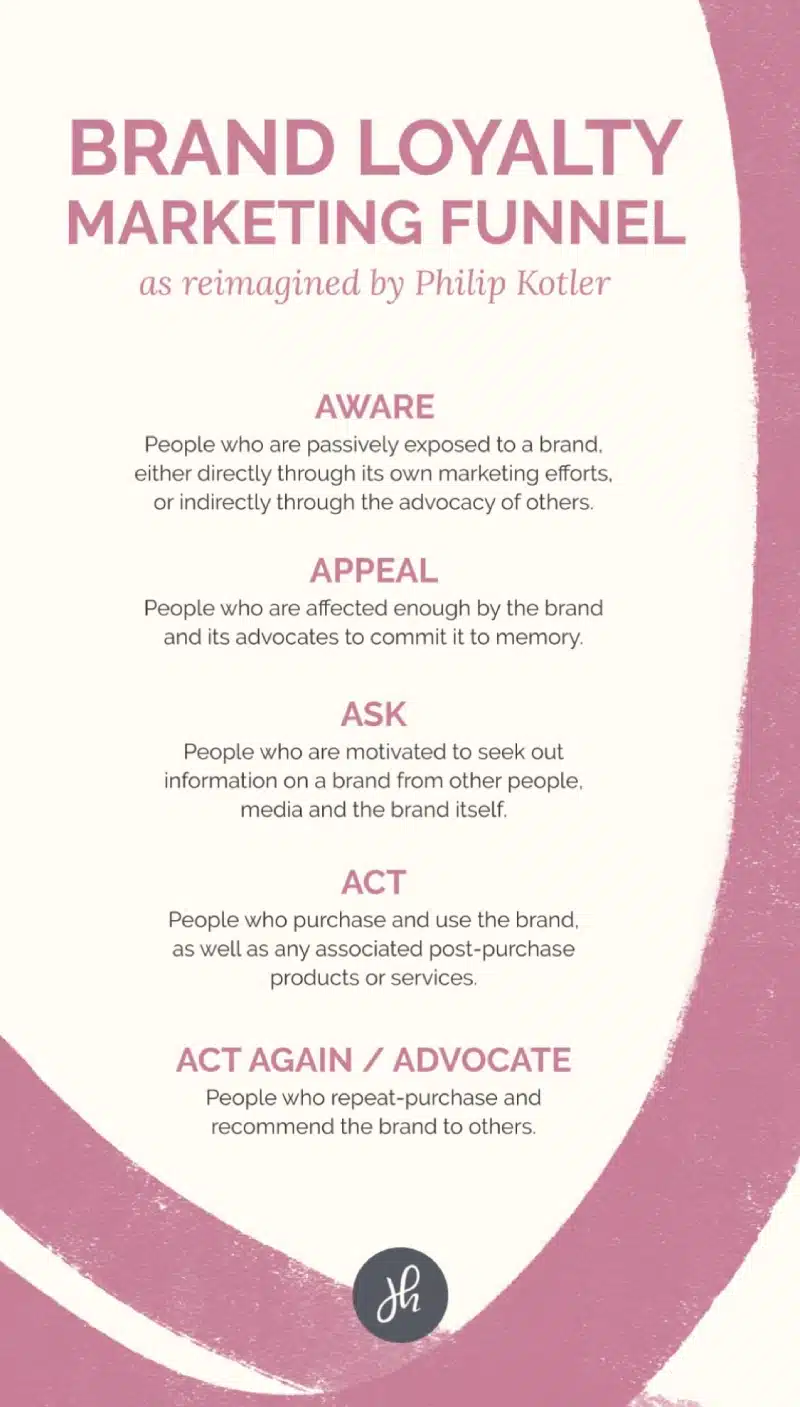
Building true brand loyalty is not a lucky accident. It is a carefully guided journey that turns passive onlookers into passionate supporters who return and recommend your brand to others. Every touchpoint matters, from that first passing moment of awareness to the emotional connection that drives repeat purchases.
When a business understands the psychology behind each stage, it can deliver the right message at the right time to deepen trust and encourage commitment. This post explores the brand loyalty funnel and how you can guide your audience from awareness all the way to advocacy.
Aware
At the awareness stage, audiences are not yet actively interested in your brand. They are simply exposed to it through paid advertising, organic content or word of mouth. Even if that moment of exposure is brief, it is the seed that makes all future engagement possible. Your goal here is not to sell but to be noticed, to make a favourable first impression and to signal relevance. Strong visibility and consistent messaging ensure your brand enters the customer’s mind, ready for future consideration.
- Create consistent branding across every channel to build recognition.
- Focus on clear, memorable messaging that communicates who you are and what you stand for.
- Use targeted advertising, content and partnerships to put your brand in front of the right people.
- Monitor brand visibility metrics and adjust placements to increase meaningful exposure.
Appeal
Once people notice your brand, you need to create emotional appeal that makes your brand stick in their memory. Appeal comes from clarity, personality and resonance. This is when your values, tone and visual identity begin to matter, shaping how people feel when your brand appears again. A strong appeal phase means that your audience not only remembers your brand but begins to feel connected to it.
- Build a clear brand personality that aligns with your target audience’s beliefs and goals.
- Tell compelling stories that evoke emotion and highlight your purpose and benefits.
- Showcase social proof, credibility and memorable creative assets to strengthen recall.
- Be consistent in style and tone to reinforce familiarity every time a user encounters your brand.
Ask
At this point, interest turns into curiosity and people start seeking more information about you. They may explore your website, check your reviews or ask others for opinions. This is a crucial moment where trust can be strengthened or lost. The experience you create here should be easy, transparent and helpful. Provide enough information to answer questions, demonstrate credibility and guide the person closer to choosing you.
- Ensure your website clearly explains your offer, value and benefits without overwhelming users.
- Make reviews, testimonials and case studies easily accessible to reinforce trust.
- Create educational content, FAQs and guides that answer common questions proactively.
- Encourage interaction, such as live chat or social replies, to show your brand is attentive and responsive.
Act
This is the point when the audience becomes a customer by making a purchase or taking a key action. The journey does not end here. A smooth and satisfying buying experience builds confidence and lays the foundation for loyalty. Your aim is to remove friction, meet expectations and deliver value. Every detail matters, from checkout to delivery to follow up. Positive first experiences increase confidence and create momentum for future engagement.
- Streamline your purchase journey and remove barriers so buying feels effortless.
- Deliver on your promises with reliable delivery, great customer service and product quality.
- Provide helpful onboarding materials or guidance that supports product use or service uptake.
- Follow up after purchase to gather feedback and ensure satisfaction, showing ongoing care.
Act again / advocate
True loyalty is measured not by one purchase but by repeated actions and genuine advocacy. When customers return and share your brand with others, they become powerful ambassadors. Advocacy stems from trust, appreciation and consistent value. Encouraging loyalty requires nurturing relationships and rewarding commitment. Focus on deepening emotional connection and giving people reasons to come back, stay engaged and spread the word.
- Offer loyalty programmes, exclusive perks or early access to reward returning customers.
- Build community spaces, newsletters or personalised follow ups to keep customers connected.
- Encourage user generated content, referrals or reviews by making participation easy and rewarding.
- Maintain exceptional service and keep delivering value so customers feel proud to recommend you.
Conclusion
Turning awareness into advocacy is about guiding people through a thoughtful and meaningful journey rather than rushing them to buy. When brands show up consistently, communicate clearly and deliver genuine value, audiences transform into loyal supporters who return and recommend.
By understanding each stage and using strategic actions to support it, businesses can build lasting relationships rooted in trust and shared belief. The result is not just sales but sustainable growth powered by genuine brand advocates who help attract and inspire the next wave of loyal customers.

Author:
Mark Ford